Virginia Striped Bass Season Dates January Through March
Oh, the crisp air, the promise of a big bend in the rod, and the sheer challenge of coaxing a magnificent striped bass from Virginia's chilly winter waters. It’s a pursuit many of us live for, but let's be honest, trying to keep track of Virginia's striped bass season dates can feel like trying to untangle a bird's nest of fishing line! One minute it's open, the next it's not, and the regulations seem to change as often as the tides. If you're scratching your head about when you can legally target these incredible "rockfish" between January and March, you're in the right place. This guide is here to clear up all the confusion, laying out exactly what you need to know to make the most of this early-year fishing window.
Understanding Virginia's Striped Bass Season Structure
Virginia's approach to managing its striped bass fishery is often described as a "split season," and for good reason. It’s not a continuous stretch but rather a series of carefully timed windows designed to balance recreational fishing opportunities with crucial conservation efforts. These regulations are meticulously crafted by the Virginia Marine Resources Commission (VMRC) in coordination with other regional and federal agencies, all with the long-term health of the striped bass population in mind. For us anglers, it means staying informed is just as important as having the right bait.
The Winter Window: January through March Details
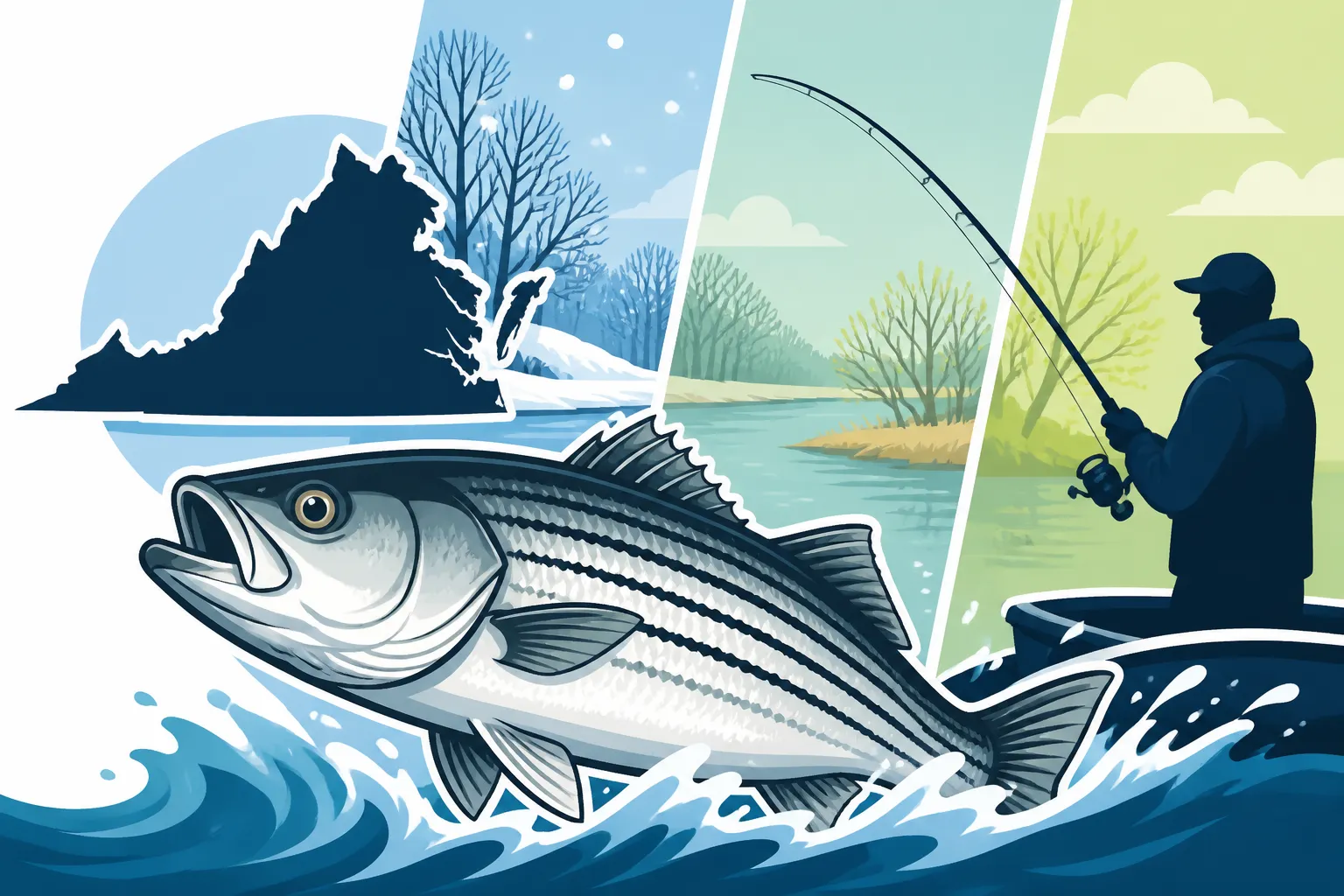
When the calendar flips to a new year, many anglers eagerly anticipate the reopening of the striped bass season. And for good reason! The first segment of Virginia's recreational striped bass season typically opens on January 1st and runs through March 31st. This winter window primarily focuses on the larger, migratory striped bass that often congregate in the deeper channels of the Chesapeake Bay and its major tributaries as they prepare for their spring spawning migration or simply seek out warmer, more stable water.
Fishing during these colder months presents its own unique set of challenges. You’re often battling brisk winds, colder water temperatures, and fish that might be less active than their warmer-water counterparts. However, the rewards can be immense. Winter stripers, especially those found in the lower bay and tidal rivers, are often robust, healthy fish that put up a phenomenal fight. This is a time when trophy fish are often caught, making the effort entirely worthwhile for many dedicated anglers. It’s also generally a quieter time on the water, allowing for a more serene and focused fishing experience.
Why the Dates Matter: Conservation Efforts
It’s easy to look at fishing regulations as just another hurdle, another set of rules designed to make our lives harder. But when it comes to striped bass, these season dates are absolutely critical for the survival and recovery of the species. The January through March season is specifically timed to allow anglers to target stripers before the major spawning aggregations begin in earnest.
Striped bass are anadromous, meaning they spend most of their lives in saltwater but return to freshwater rivers to spawn. Virginia's major tidal rivers like the James, York, Rappahannock, and Potomac are vital spawning grounds. Closing the season during the peak spawning period (typically April and early May) significantly reduces pressure on these vulnerable breeding populations, allowing them to reproduce undisturbed. This strategic timing ensures that future generations of striped bass have a fighting chance, making our fishing endeavors sustainable for years to come. Think of it not as a restriction, but as an investment in the future of the fishery, ensuring that we can all enjoy the thrill of catching a striper for many seasons to come.
Navigating the January through March Season for Success
Once you understand the 'why' behind the season, the 'how' becomes much more approachable. Fishing for striped bass in the depths of winter and early spring requires a different mindset and different tactics than summer angling. The fish are there, but they’re often slower, holding tighter to structure, and less inclined to chase a rapidly retrieved lure. Patience and precision become your best friends.
Best Fishing Spots During This Period
During the January through March window, striped bass tend to concentrate in predictable areas, making them easier to locate if you know where to look. The key is to find deeper water with stable temperatures and good forage.
The major tidal rivers emptying into the Chesapeake Bay are prime locations. The lower reaches of the James River, the York River, and the Rappahannock River are well-known winter haunts for striped bass. These rivers offer deeper channels, strong currents that bring food, and plenty of submerged structure where stripers can ambush prey or simply hold to conserve energy. Look for areas where feeder creeks meet the main river, or around prominent points, ledges, and channel edges. Bridge pilings, deep holes, and oyster reefs are also magnetic to winter stripers. Many anglers have great success working the deep bends of these rivers, especially where current creates eddies or breaks.
While the mainstem of the Chesapeake Bay itself can hold fish, especially in its deeper channels, many recreational anglers find more consistent action in the rivers during this colder period. If you're interested in broader Bay opportunities, our Chesapeake Bay Striped Bass Fishing Guide offers even more insights into prime locations.
Effective Techniques and Gear for Winter Stripers
Fishing for cold-water stripers often means slowing down your presentation. These fish aren't going to chase a fast-moving topwater lure. Instead, they prefer an easy meal.
1. Jigging: Vertical jigging is incredibly effective. Heavy metal jigs, often in the 1 to 3-ounce range, or large soft plastic baits rigged on heavy jig heads, are excellent choices. Work them slowly along the bottom, lifting and dropping, mimicking a dying baitfish. The key is to keep your offering in the strike zone for as long as possible. Brands like Berkeley Gulp! and Z-Man make durable soft plastics that hold up well to aggressive strikes. You might even find a great selection of these on Amazon.
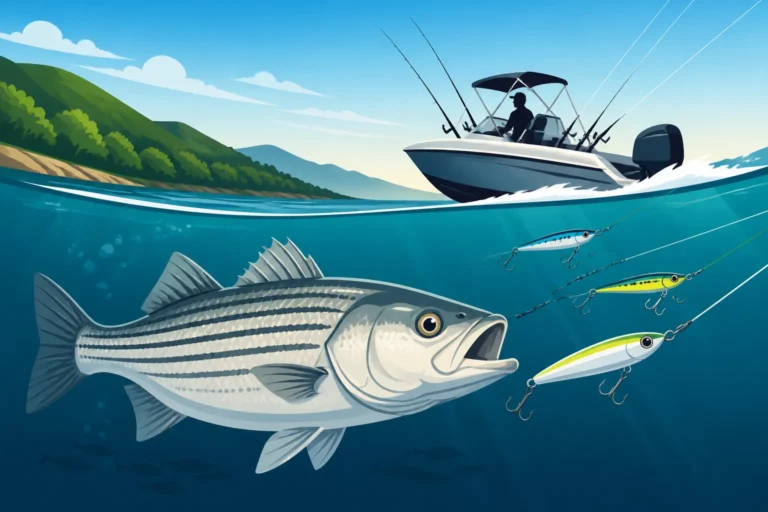
2. Trolling: Trolling can also be very productive, especially when trying to cover large areas. Use umbrella rigs, deep-diving crankbaits, or large bucktail jigs paired with a plastic trailer. Make sure your lures are getting down to where the fish are holding, which can often be 20-40 feet deep or more. Downriggers or planer boards can help achieve this depth.
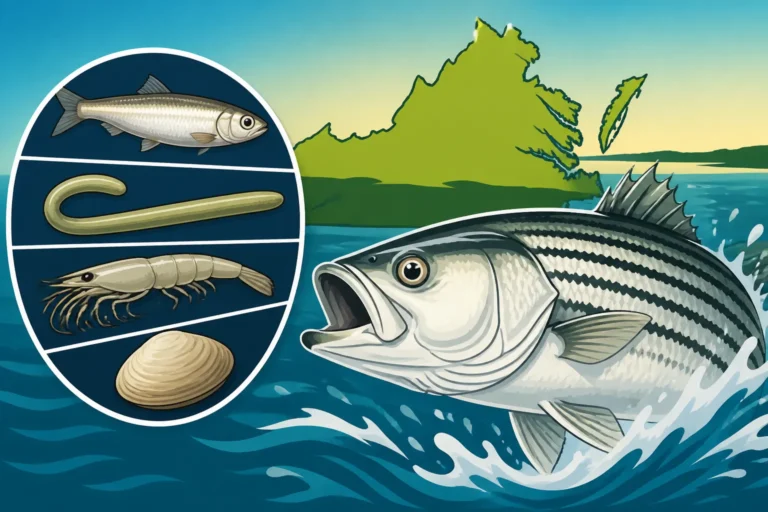
3. Live Bait: If you're serious about targeting large stripers, live bait can be a game-changer. Eels and large bunker (menhaden) are perennial favorites. Rig them on a fish-finder rig or a three-way swivel and drift them slowly through deep channels or over structure. The natural movement of live bait is often irresistible to lethargic winter stripers.
4. Gear Considerations: You’ll need stout rods and reels capable of handling heavy lines (20-50lb braid is common) and powerful fish. A medium-heavy to heavy action rod, about 7-8 feet long, paired with a reliable baitcasting or spinning reel, will serve you well. Don't forget to bundle up! Warm, waterproof clothing, insulated boots, and gloves are non-negotiable for comfort and safety. You can find excellent quality insulated outerwear and fishing gloves from brands like Grundéns or Gill, often available through retailers on Amazon. Having good quality polarized sunglasses is also crucial for spotting subtle changes in the water and protecting your eyes from glare, another item easily found on Amazon.
Regulations and What You Need to Know
Fishing is about more than just catching fish; it's about respecting the resource and playing by the rules. For striped bass, especially during a sensitive period, understanding and adhering to the regulations is paramount. The last thing any of us wants is a hefty fine or, worse, contributing to the decline of a fishery we cherish.
Size and Creel Limits During the Winter Season
During the January 1 through March 31 recreational season, Virginia typically implements a specific slot limit and a daily bag limit for striped bass. As of recent regulations, the general rule has been one fish per person, with a size limit of 28 to 31 inches total length. This means your striped bass must be at least 28 inches long, but no longer than 31 inches, from the tip of its snout to the tip of its tail. Any fish outside this slot limit, whether too small or too large, must be immediately released unharmed.
The slot limit is a carefully considered conservation tool. It aims to protect both the smaller, juvenile fish, allowing them to grow and mature, and the largest, most productive spawning females. These larger females are crucial for the reproductive success of the population, so protecting them helps ensure the future health of the fishery. Understanding this Virginia's 28 to 31 Inch Striped Bass Slot Limit is key to responsible angling.
It's vital to measure your fish accurately as soon as it's landed. Keep a reliable measuring device on board. If a fish is outside the slot, release it quickly and gently. Handling practices like minimizing air exposure and using dehooking tools are strongly encouraged to improve the survival rate of released fish.
Licensing Requirements and Enforcement
Before you even cast a line, you absolutely need to ensure you have the correct Virginia fishing license. For targeting striped bass in the Chesapeake Bay or its tidal tributaries, you'll need a valid Virginia saltwater fishing license. This isn't just a suggestion; it's a legal requirement. Our comprehensive Virginia Fishing License Guide or Virginia Fishing License Requirements for Residents and Nonresidents provides all the details you’ll need to secure yours.
Enforcement of fishing regulations in Virginia is taken very seriously by the Virginia Marine Police and Department of Wildlife Resources (DWR) officers. These dedicated men and women patrol the waters regularly, often checking boats and anglers for compliance with licensing, size limits, and bag limits. They are vigilant, and a friendly check can quickly turn into a citation if you’re found to be in violation. Penalties for fishing without a license or exceeding catch limits can be substantial, including fines and even the confiscation of gear or your catch. It’s simply not worth the risk to fish without the proper documentation. Remember, your license fees contribute directly to conservation and management programs that sustain Virginia's fisheries.
Beyond the Winter Season: What Comes Next
Just because the January through March window is a key time for striped bass doesn't mean your striped bass fishing journey ends there. Virginia's split season means there are more opportunities and, importantly, periods of closure that anglers need to be aware of. Staying informed is a continuous process, ensuring you're always aligned with the latest conservation efforts.
Preparing for the Spring Season Reopening
After the March 31st closure, the striped bass recreational season in Virginia typically remains closed through April and into early May. This closure is critically important as it coincides with the peak of the striped bass spawning season in the freshwater sections of the tidal rivers. During this time, the large, mature fish move upstream to lay and fertilize eggs, and minimizing human disturbance is essential for a successful spawn.
But don't despair! This closed period isn't forever. The striped bass season usually reopens in mid-May and continues through early to mid-June, offering another exciting window for anglers. This second season often sees fish returning from their spawning grounds, feeding aggressively as they move back into the mainstem of the Bay and towards the ocean. You can find more detailed information on the full schedule in our Virginia Striped Bass Split Season Dates Explained.
During the April closure, it's a great time to perform maintenance on your fishing gear, spool up new line, sharpen hooks, and prepare your tackle box for the spring and summer. It's also an excellent opportunity to review the regulations on the VMRC website, as rules can sometimes be adjusted based on stock assessments and conservation needs.
Alternative Species When Stripers Are Out of Season
A temporary closure for striped bass doesn't mean you have to put your rods away! Virginia offers a fantastic diversity of fishing opportunities year-round. While the stripers are doing their thing in the spawning grounds, you can shift your focus to other exciting species.
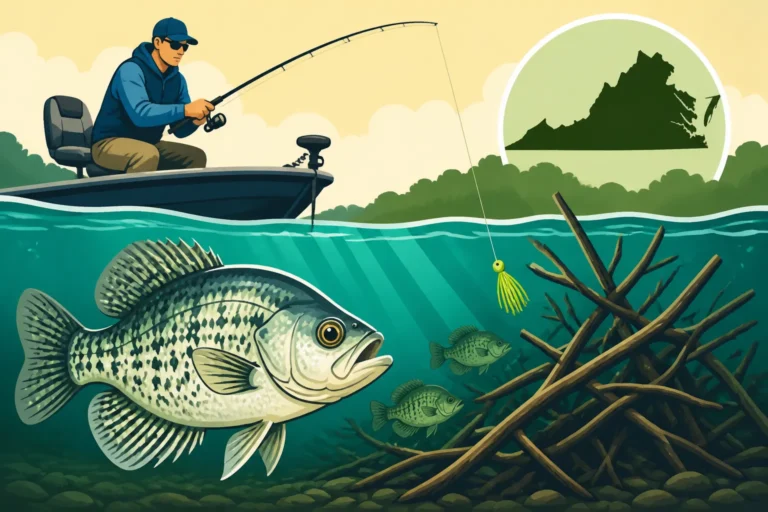
In early spring, as waters begin to warm, species like crappie and catfish become very active. You can find plenty of crappie in freshwater lakes and ponds, often congregating around submerged brush piles and timber. Our guide to Crappie Fishing Techniques for Beginners can get you started. Catfish, including channel cats and flatheads, are abundant in many of Virginia's rivers and lakes, and they offer powerful fights. Check out our Catfish Fishing Techniques and Bait Guide for tips on targeting these bottom-dwelling giants.
Even in the saltwater, as water temperatures rise, other species become more active. White perch, croaker, and even some early flounder might start making an appearance in the Bay and its tributaries. Exploring these alternative fisheries not only keeps you on the water but also broadens your angling skills and appreciation for Virginia's rich aquatic ecosystems. It’s all part of the grand adventure that is Virginia fishing!
| Season Segment | Typical Dates | Daily Bag Limit | Size Limit (Total Length) | Primary Conservation Focus | Common Locations | Key Considerations |
|---|---|---|---|---|---|---|
| Winter Season | January 1 – March 31 | 1 fish | 28 to 31 inches | Protecting large, migratory fish before spawning. | Tidal Rivers (James, York, Rappahannock), deeper Bay channels. | Colder weather, slower presentation, live bait/jigging. |
| Spring Closure | April 1 – Mid-May | CLOSED | CLOSED | Critical for uninterrupted spawning in freshwater rivers. | All tidal waters | Focus on other species; gear maintenance. |
| Spring/Early Summer | Mid-May – Mid-June | 1 fish | 19 to 24 inches (often) | Allowing post-spawn fish to recover and grow. | Mainstem Chesapeake Bay, lower rivers. | Aggressive feeding post-spawn, may require different slot limit (check VMRC). |
| Summer Closure | Mid-June – Early October | CLOSED | CLOSED | Reducing stress on fish in warm waters. | All tidal waters | Target other species; plan fall trips. |
| Fall Season | Early Oct – Dec 31 (approx) | 1 fish | 19 to 24 inches (often) | Sustained fishing opportunity during fall migration. | Chesapeake Bay, oceanfront | Active feeding, trolling, jigging, often different slot limit (check VMRC). |
Note: Always consult the official Virginia Marine Resources Commission (VMRC) regulations for the most current and exact dates, size limits, and bag limits, as they are subject to change annually.
Disclaimer
Please remember that fishing regulations are dynamic and can change frequently. Always consult the official Virginia Marine Resources Commission (VMRC) website or their current fishing regulations booklet before heading out on the water. This guide provides general information based on typical season structures, but it is your responsibility to ensure you are fully compliant with all current laws and regulations.