Virginia Striped Bass Split Season Dates Explained
Anyone who's spent a fair amount of time casting a line in Virginia knows that fishing regulations, especially for popular species like striped bass, can feel like a constantly shifting puzzle. It's frustrating when you just want to enjoy a day on the water, only to realize the season you thought was open is now closed, or the rules have subtly changed. This comprehensive guide is here to untangle the complexities of Virginia's striped bass split season, explaining not just what the dates are, but why they matter and how you can best plan your fishing adventures around them.
Understanding Virginia's Striped Bass Split Season
You're probably scratching your head, wondering why the Virginia Department of Wildlife Resources (DWR) and the Virginia Marine Resources Commission (VMRC) can't just pick one long season for striped bass, or "rockfish" as many of us lovingly call them here in Virginia. Trust me, you're not alone in that thought. The truth is, the split season isn't designed to make our lives harder; it's a carefully calculated measure to protect these incredible fish and ensure their populations remain healthy for future generations of anglers. It’s a vital part of the broader Virginia Fishing Regulations Explained.
Why the Split Season Exists
The primary reason behind the split season is conservation, pure and simple. Striped bass populations, particularly along the Atlantic Coast and in the Chesapeake Bay, have faced significant challenges over the years. These majestic fish undertake incredible migrations, traveling up and down the coast and into the freshwater tributaries of the Bay to spawn. This makes them vulnerable at different times and in different locations.
The DWR and VMRC work closely with other Atlantic states and federal agencies like the Atlantic States Marine Fisheries Commission (ASMFC) to manage the striped bass stock regionally. Scientific assessments provide critical data on population health, spawning success, and the impact of fishing pressure. Based on this information, regulations are adjusted to prevent overfishing and allow the stock to rebuild. A continuous season, especially during peak migration or spawning, could decimate the population, leading to stricter closures down the line. It's a proactive approach to keep our beloved rockfish swimming strong.
The General Structure of the Split Season
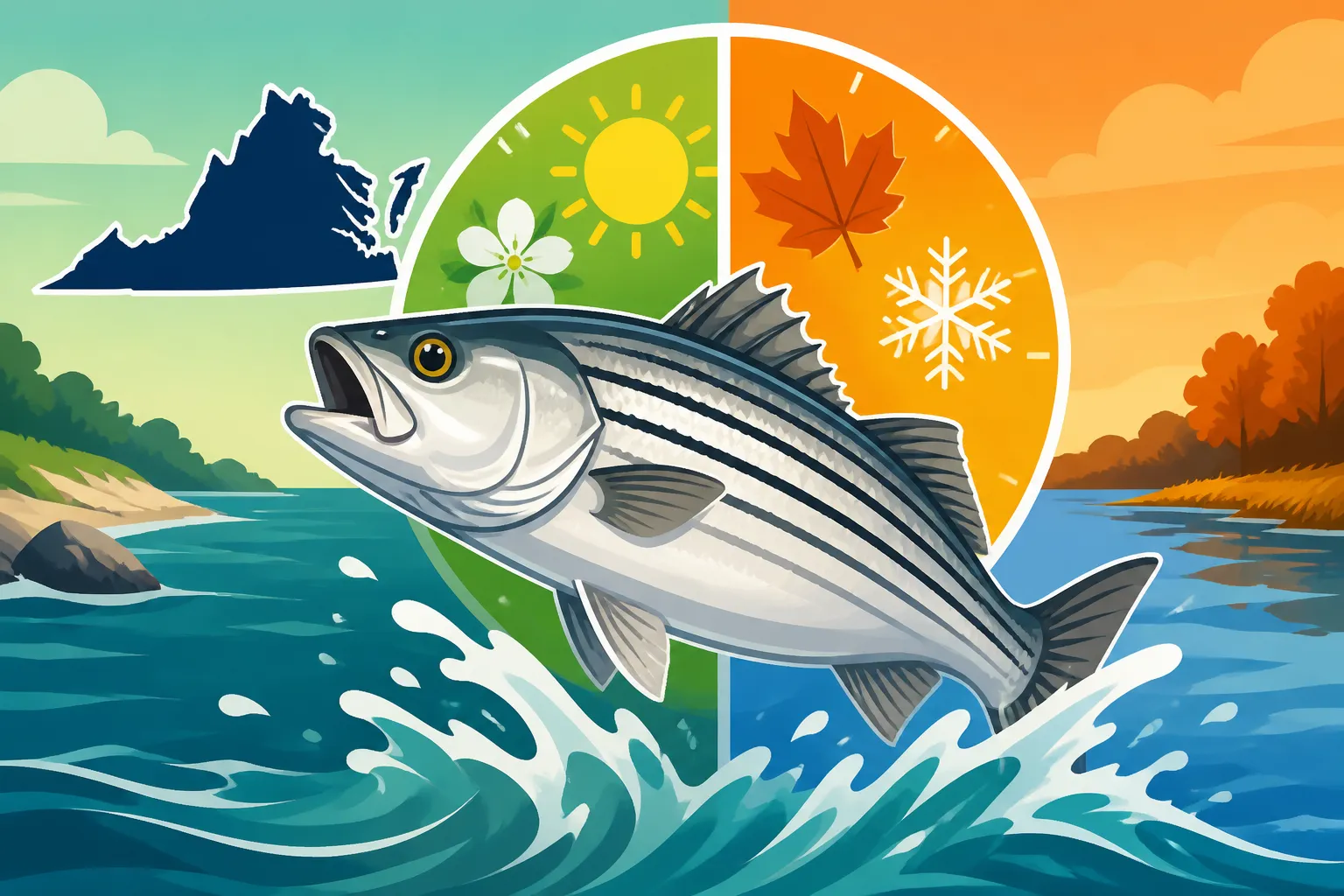
Virginia's striped bass season typically divides into two distinct periods for the Chesapeake Bay and its tributaries, and often a different, sometimes more extended, season for the Atlantic Ocean and coastal waters. Think of it as a strategic pause: we fish when the fish are less stressed or congregated, and we take a break when they're most vulnerable, like during their crucial spawning runs.
This dual approach allows for targeted fishing opportunities while giving the fish a much-needed reprieve. The first segment usually occurs in the colder months, often early in the year, when fish are congregated but not actively spawning. The second segment typically kicks off in late spring, after much of the spawning activity has concluded, and the fish begin to disperse and feed more aggressively. This structure also helps to manage angler effort, spreading it out across different times of the year and reducing pressure during critical periods. Understanding these segments is key to successfully planning your Best Month to Fish for Striped Bass in Virginia.
Diving into the Specific Dates and Zones
Alright, let's get down to brass tacks: the actual dates. This is where it can get a little tricky, because the dates often differ based on where you're fishing in Virginia. Whether you're chasing rockfish in the vast expanse of the Chesapeake Bay or out in the roaring waves of the Atlantic, the calendar will dictate when you can wet a line.
Chesapeake Bay and Tributaries Dates
For the incredibly popular waters of the Chesapeake Bay and its tidal tributaries, which include major rivers like the James, York, Rappahannock, and Potomac (though the Potomac has its own specific interstate regulations), the season is typically split into two distinct segments.
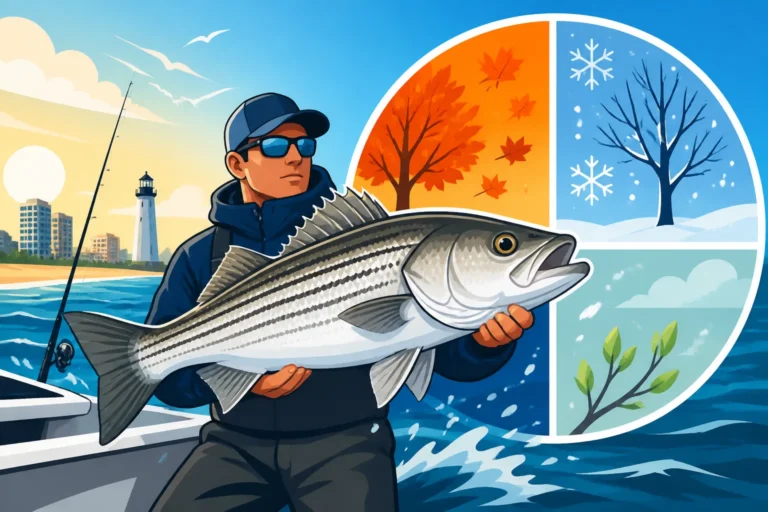
The first segment usually kicks off on January 1st and runs through March 31st. During these colder months, striped bass are often found schooling in deeper channels and around structure as they overwinter. Anglers brave enough to face the chill can find some fantastic fishing, often targeting these sluggish but still hungry fish with jigs or slow-trolled baits. This early season is a great chance to land a legal fish before the spring spawning migration really gets underway. For more in-depth planning, check out Virginia Striped Bass Season Dates January Through March.
After this initial segment, there's a closure period, usually through April and the first half of May, which is critical for the fish's spawning. The Bay and its rivers become a nursery, and fishing is strictly prohibited to protect the breeding stock. Then, the season reopens for its second segment, typically from May 16th to June 15th. This late spring window allows anglers to target post-spawn fish that are often very hungry and actively feeding to regain energy. They've moved out of the spawning grounds and are dispersing throughout the Bay, making for exciting light tackle and topwater action. Make sure to mark your calendar for Virginia Striped Bass Season Reopens May 16 if you plan to fish during this prime window.
Atlantic Ocean and Coastal Waters Dates
Fishing for striped bass in the Atlantic Ocean and Virginia's coastal waters often follows a slightly different calendar than the Bay. While the Bay is a critical spawning ground and nursery, the ocean provides more of a migratory pathway and wintering habitat for larger, ocean-run stripers.
Generally, the ocean season tends to be longer. For example, striped bass fishing in the Atlantic Ocean (state waters, out to 3 miles from shore) might open in May and run through December, sometimes with shorter closure periods in between or different size limits depending on the year's stock assessment. This extended period offers surf anglers, pier fishermen, and offshore boaters ample opportunity to connect with these powerful fish. However, it's crucial to remember that regulations can change annually, and federal waters (beyond 3 miles from shore) also have their own set of rules, often mirroring federal mandates for the entire coast. Always double-check the latest VMRC regulations before heading out to sea. This difference is a key part of understanding the larger Freshwater vs Saltwater Striped Bass: The Virginia Rockfish Story.
Navigating the Regulations: Size Limits and Possession
Beyond just knowing when you can fish, it’s absolutely vital to understand what you can keep. Virginia’s regulations on striped bass are designed to protect younger fish and the larger, more prolific breeders, ensuring a healthy population cycle. This is where the concept of a "slot limit" comes into play, which can sometimes be a bit of a head-scratcher for new anglers.
The Critical Slot Limit
Virginia, like many other states managing striped bass, employs a strict slot limit for fish caught in the Chesapeake Bay and its tributaries, as well as in most coastal waters. Currently, the most common slot limit is 28 to 31 inches. What does this mean in practice? It means that any striped bass you catch that measures less than 28 inches must be immediately released. Similarly, any striped bass that measures more than 31 inches must also be immediately released. You can only keep fish that fall precisely within that 28-to-31-inch window.
I know, it can be incredibly frustrating to hook into a monster striper, a real trophy fish, only to realize it's over the 31-inch mark and has to go back. But this regulation is a cornerstone of conservation efforts. The smaller fish need to grow, and the larger fish (often the most productive breeders) need to continue their spawning cycles to sustain the population. It's a sacrifice we make for the long-term health of the fishery. Always carry a reliable measuring tape or stick, readily available from places like Amazon, and practice quick, safe release techniques for fish outside the slot. You can learn more about these specifics in Virginia Rockfish Slot Limit 28 to 31 Inches Explained.
Daily Possession Limits
Compounding the slot limit is the daily possession limit, which for striped bass in Virginia's recreational fishery is typically one fish per person, per day. This means that no matter how many fish you catch within the slot, you can only keep one of them. Once you've kept your legal-sized striped bass, any subsequent striped bass you catch, even if they're within the slot, must be released.
This "one fish per person" rule applies whether you're fishing from your own boat, from shore, or on a guided charter. It’s important to understand this rule, especially if you're planning a trip with friends or family. You might all catch fish, but each individual angler is restricted to their single legal keeper. This regulation is crucial for managing the overall harvest and distributing the catch fairly among anglers. For those considering a guided trip, it's worth noting how this impacts your experience, as detailed in Virginia's One-Fish Striped Bass Limit on Charter Trips. Always be mindful of the rules, because Virginia game wardens take these regulations very seriously, and the penalties for violations can be steep. It’s far better to err on the side of caution than to face a fine.
Impact on Anglers and Fishing Strategies
Understanding the "why" and "what" of the split season and regulations is one thing, but figuring out how it impacts your actual fishing plans and strategies is where the rubber meets the road. Successful striped bass fishing in Virginia often comes down to adapting to these regulations.
Planning Your Trips Around the Calendar
The split season undeniably dictates when and where you can target striped bass. For the Chesapeake Bay and its tributaries, the early season (January-March) often means bundling up and focusing on deeper holes and channels. Fish are less active, so slow presentations with larger baits or jigs are often effective. This is a time for patience and precision. The post-spawn season (May-June) in the Bay, however, can be entirely different. Fish are more active, often chasing bait near the surface, making for exciting topwater action or fast retrieves with crankbaits and swimbaits.
If you're looking for bigger, ocean-run fish, the Atlantic coast often offers a longer season, extending well into the fall. This might be a better option for those who prefer surf fishing or offshore trolling. Planning a Chesapeake Bay Striped Bass Fishing Guide or a trip to the coast requires checking the specific dates for that zone, as they can sometimes vary slightly from year to year. Booking a charter? Make sure their target species is in season for the dates you want to go. A lot of anglers will consult online forums or look up fishing reports on Amazon for local areas to see what’s biting and where, helping them decide which segment of the season to target.
Gear and Techniques for Each Season
The split season naturally influences the best gear and techniques. In the colder, early Bay season, stripers are often found in deeper, cooler waters. This means heavier jigging spoons, soft plastics on heavier jig heads, or live bait fished on the bottom can be highly effective. Your electronics become critical for finding those deeper schools. Think about using braided line for better sensitivity and a medium-heavy rod to handle the colder, heavier fish.
When the Bay reopens in late spring, the water warms, and the fish become more active. This is when lighter tackle can shine. Topwater plugs, swimming plugs, and smaller jigs can be incredibly effective as stripers chase baitfish near the surface. The fish are often more spread out, so covering water with trolling or casting and retrieving becomes more important. For ocean fishing, especially surf fishing, robust rods and reels are essential to handle the casting distance and the powerful waves. Think about specialized surf rods or heavy-duty conventional reels for handling big ocean stripers. Regardless of the season or location, having a good selection of quality lures and baits, which you can easily stock up on from retailers like Amazon, will always give you an edge. For a deeper dive into methods, check out a comprehensive Virginia Striped Bass Season and Slot Limit Guide.
Why the Rules Change and Staying Informed
It's common to hear anglers grumble about fishing regulations that seem to change every other year, or sometimes even within the same year. And honestly, it can be tough to keep up! One year you might have a 19-inch minimum, the next it's a slot, then the season dates shift. It's enough to make your head spin. But there's a serious scientific and conservation reason behind this constant adaptation, and knowing where to find the most current information is your best defense against inadvertently breaking the rules.
The Science Behind the Decisions
The shifting regulations are not arbitrary decisions made to annoy anglers. Instead, they are the result of extensive scientific research, data collection, and population modeling carried out by dedicated fisheries biologists. Organizations like the DWR and VMRC, in collaboration with the ASMFC, conduct regular stock assessments to determine the health of the striped bass population along the Atlantic coast. This involves analyzing factors such as spawning success, mortality rates, age structure of the fish, and the impact of both recreational and commercial fishing pressure.
When these assessments indicate that the population is declining or not rebuilding as quickly as desired, stricter measures are put in place. Conversely, if the stock is healthy and robust, regulations might be relaxed slightly to allow for more fishing opportunities. It's a dynamic, adaptive management approach designed to respond to real-time changes in the fish population and its ecosystem. Public input also plays a role, with opportunities for anglers to voice their opinions during public hearings. While the process can feel slow or confusing to individual fishermen, it's a necessary approach to ensure the sustainability of this vital fishery. The goal is always to find a balance between providing fishing opportunities and protecting the future of the species.
Where to Find the Latest Information
Given that regulations can and do change, relying on old habits or word-of-mouth isn't enough. The absolute best place to get the most accurate and up-to-date information is directly from the official sources.
For saltwater striped bass regulations, including those for the Chesapeake Bay and its tidal tributaries, you should always consult the Virginia Marine Resources Commission (VMRC) website. They publish regulation updates, news releases, and often have a user-friendly summary of current rules. For freshwater striped bass or hybrid stripers in landlocked lakes, the Virginia Department of Wildlife Resources (DWR) website is your go-to source. Both agencies regularly update their sites and release official notices when changes occur.
Beyond the official websites, local bait and tackle shops are invaluable resources. The folks working there are often anglers themselves, deeply embedded in the local fishing scene, and usually have the latest printouts of regulations or up-to-the-minute knowledge of any recent changes. Fishing forums and local online communities can also be helpful for practical advice and discussions, but always cross-reference any information with the official DWR or VMRC sites. Consider grabbing a physical fishing regulations booklet, often available at DWR offices or sporting goods stores like those found on Amazon, to keep handy in your tackle box. Staying informed is the angler's responsibility, and it's the best way to ensure you're fishing legally and contributing to conservation efforts.
Here’s a quick summary table of the key striped bass regulations in Virginia:
| Zone/Water Body | Season Segment 1 | Season Segment 2 | Slot Limit | Daily Possession Limit |
|---|---|---|---|---|
| Chesapeake Bay & Tidal Tributaries | Jan 1 – Mar 31 | May 16 – Jun 15 | 28 – 31 inches | 1 fish per person |
| Atlantic Ocean (State Waters) | Generally May – Dec* | Varies by year* | 28 – 31 inches | 1 fish per person |
| Notes | *Always check official VMRC regulations for exact dates and any emergency closures. | *Federal waters (beyond 3 miles) may have different rules. | *All fish outside slot must be immediately released. | *Once one legal fish is retained, all others must be released. |
Disclaimer
Please be aware that fishing regulations, including seasons, slot limits, and possession limits, are subject to change. While this guide provides a comprehensive overview based on current information, it is the angler's sole responsibility to check the most up-to-date regulations directly from the official Virginia Department of Wildlife Resources (DWR) and Virginia Marine Resources Commission (VMRC) websites before engaging in any fishing activity. This content is for informational purposes only and does not constitute legal advice.