Best Fishing Spots You Can Reach Without a Boat
It can feel incredibly frustrating when you're itching to get out on the water and cast a line, but you just don't have access to a boat. Maybe you're visiting Virginia and didn't tow one along, or perhaps you're a local who simply prefers the simplicity of shore-based angling. Whatever your reason, the good news is Virginia is absolutely teeming with fantastic fishing opportunities that don't require you to ever step foot in a vessel. This guide is all about pointing you to those incredible spots where you can find great fishing without needing a boat.
Why Fishing Without a Boat is Totally Possible (and Awesome!)
Let's be real, the image of "fishing" often conjures up a boat on a vast lake or ocean. But that's just one piece of the puzzle! For many of us, the most accessible and enjoyable fishing experiences happen right from the bank, a pier, or by wading into the shallows. Virginia offers a diverse range of environments perfect for these boat-free methods, from placid freshwater lakes to bustling saltwater bays and tranquil mountain streams. Embracing these opportunities means you're often closer to the action, sometimes finding hidden gems that boaters might overlook.
The Joys of Bank Fishing
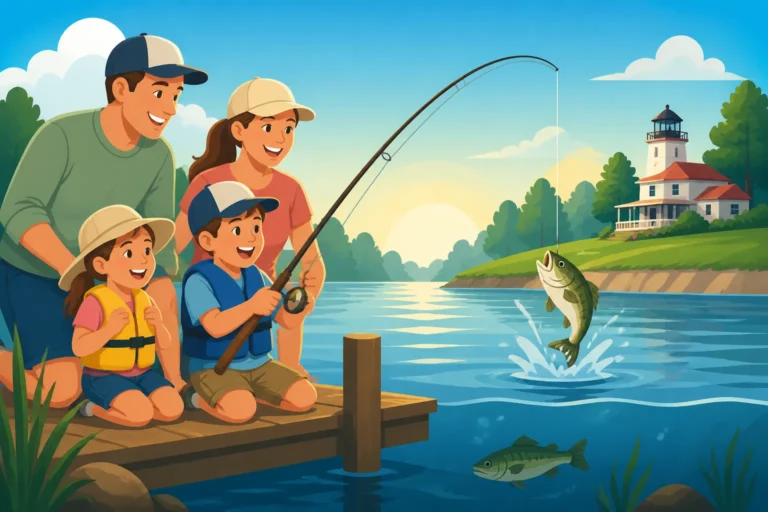
There's something wonderfully simple and grounding about bank fishing. You can bring a comfortable chair, pack a cooler, and truly relax, letting the rhythm of the water wash over you. It's often the most accessible option, with numerous public parks, state parks, and wildlife management areas offering designated shore access. When you're fishing from the bank, you can meticulously explore different stretches of shoreline, casting into pockets, around submerged structures, and along drop-offs that might be just a stone's throw away. It’s also incredibly cost-effective, eliminating fuel and boat maintenance expenses, making it an ideal choice for both seasoned anglers and families introducing kids to the sport.
Bank fishing allows for a more focused approach to a specific area. You can spend more time observing the water, learning the contours of the bottom, and understanding how fish are behaving in that particular spot. It’s a fantastic way to develop your angling skills, relying more on careful presentation and understanding fish habitat rather than covering vast amounts of water. Many of Virginia’s best fishing spots for bank anglers are well-maintained, offering amenities like restrooms, picnic areas, and even playgrounds, making it a perfect family outing.
Pier and Dock Fishing: Accessibility at its Best
Fishing from a pier or dock offers a unique advantage: instant access to deeper water without needing a boat. Piers, especially along the coast, extend far out into bays or the ocean, putting you over prime fishing grounds for species that prefer deeper, cooler water. In freshwater, public docks and fishing piers at lakes and reservoirs provide similar benefits, often positioned over old creek channels, brush piles, or other fish-attracting structures. These spots are often incredibly productive because the pilings themselves become artificial reefs, attracting baitfish and, subsequently, larger predatory fish.
Many piers are equipped with lighting for night fishing, cleaning stations, and even bait and tackle shops, making for an incredibly convenient and often social fishing experience. You’ll find everything from flounder and croaker in saltwater to crappie and catfish in freshwater congregating around these structures. It's a fantastic option for those with limited mobility, or simply anyone looking for a comfortable, stable platform to fish from. For an idea of where to find some great options, check out these excellent spots for Pier Fishing in Virginia Beach.
Wading into the Action
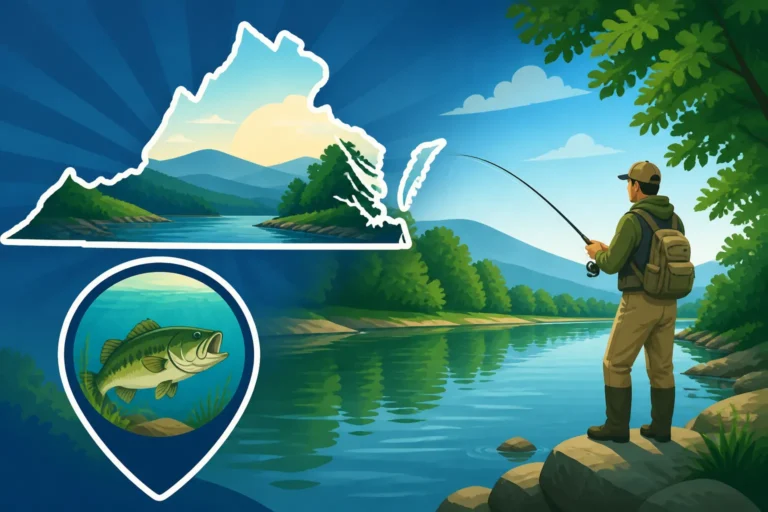
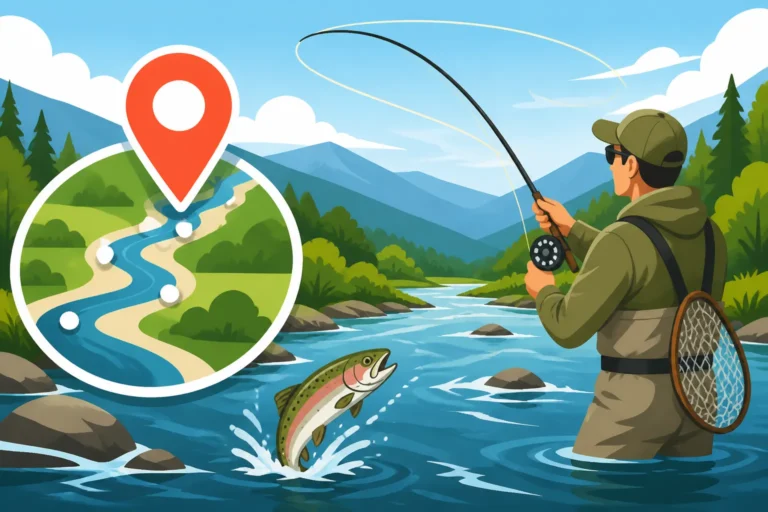
For those who love to get a little closer to nature and are comfortable getting their feet wet, wading offers an immersive and highly effective way to fish. This method is particularly popular in Virginia's many rivers and streams, where you can literally walk into the water, navigating around rocks, logs, and other natural cover that holds fish. Wading allows you to approach fishing spots stealthily, present your bait or lure with precision, and cover stretches of water that might be inaccessible to boats or too far from the bank. It's a favorite among fly fishermen targeting trout and smallmouth bass, who appreciate the ability to move freely and "read" the water up close.
When wading, you can actively pursue fish, moving upstream or downstream, casting into riffles, pools, and runs. It’s a very active form of fishing that provides a real sense of adventure and connection to the environment. Whether you're carefully placing a dry fly for a brook trout in a mountain stream or working a spinnerbait through a rocky river for smallmouth, wading puts you right in the middle of the fish's habitat. Just remember to wear appropriate footwear and be mindful of currents and slippery bottoms.
Top Virginia Fishing Spots for Shore-Bound Anglers
Virginia is incredibly diverse geographically, offering a smorgasbord of fishing opportunities for anglers without a boat. From vast reservoirs to the intricate network of tidal rivers leading to the Chesapeake Bay, and the pristine mountain streams of the Blue Ridge, there's a perfect spot waiting for you. Many of these locations are well-documented and managed by the Virginia Department of Wildlife Resources (DWR), ensuring good access and healthy fish populations.
Public Lakes and Reservoirs with Great Access
Virginia's lakes and reservoirs are goldmines for bank and pier anglers. These bodies of water are typically well-stocked and managed, offering a wide array of species like largemouth bass, crappie, bluegill, and various catfish. Many state parks, like Douthat State Park or Lake Anna State Park, boast excellent fishing piers, designated bank access points, and often even rent canoes or kayaks for those who want to paddle out a bit further without needing a full-sized boat.
For example, Swift Creek Lake at Pocahontas State Park near Richmond is a fantastic option, offering several fishing piers and abundant bank access for anglers targeting largemouth bass, crappie, and sunfish. Similarly, Burke Lake Park in Fairfax County has a large fishing pier, boat rentals (if you choose to go that route), and plenty of shoreline for anglers to explore. These locations are often family-friendly, providing amenities that make a full day of fishing enjoyable. For finding the specific best access points, consider checking local park websites or resources like FishingBooker, which sometimes list details on accessible spots even if you're not booking a charter.
Tidal Rivers and Estuaries: Saltwater Action Without a Boat
You might think saltwater fishing is exclusively for boaters, but Virginia's extensive network of tidal rivers and estuaries proves otherwise! Rivers like the James, York, Rappahannock, and Potomac, as they approach the Chesapeake Bay, become brackish and eventually full saltwater, hosting a fantastic variety of species like striped bass (rockfish), croaker, flounder, spot, and white perch. Many public parks, boat ramps, and even bridges offer excellent bank or pier access to these productive waters.
For instance, the Gloucester Point Beach Park on the York River provides a great pier that's often buzzing with anglers catching croaker, spot, and sometimes even larger species. Similarly, various points along the James River, particularly near its tidal stretches, offer ample bank fishing. For an even more detailed look at what's biting where, guides on Fishing the James River in Virginia or Fishing the York River in Virginia can give you local insights into productive shore-based spots. These areas are incredibly dynamic, with tides influencing fish movements, so understanding tidal charts can significantly improve your success.
Mountain Streams for Trout and Smallmouth
If you're looking for a quieter, more serene fishing experience, Virginia's mountain streams are calling. The western part of the state, particularly in the George Washington and Jefferson National Forests, is crisscrossed with pristine waterways perfect for wading. These streams are home to native brook trout, as well as stocked rainbow and brown trout. Additionally, larger rivers in the mountains, like the Shenandoah, are renowned for their feisty smallmouth bass, which are a blast to catch on light tackle while wading.
Places like the Rose River in Shenandoah National Park (check park-specific regulations!) or numerous designated stocked trout waters offer incredible opportunities. You'll often find that the less accessible areas, requiring a bit of a hike, reward you with the best fishing and solitude. While a Trout Fishing License Rules Explained is crucial for these waters, the experience of casting into crystal-clear mountain water, surrounded by forest, is truly unparalleled for the shore-bound angler. These spots are also perfect for fly fishing enthusiasts who prefer to wade and present their flies naturally to watchful trout.
Essential Gear for Boat-Free Fishing
Fishing without a boat often means you're carrying your gear a bit further, or at least setting up and packing down more frequently. This makes gear selection crucial – you want versatility, portability, and durability. You don't need a massive arsenal, but a thoughtful setup will make your boat-free adventures much more enjoyable and successful.
Rod, Reel, and Line for Versatility
When you're sticking to the shore, versatility is your best friend. A medium-action spinning rod, typically 6 to 7 feet long, is a fantastic all-around choice. This length offers good casting distance for reaching deeper water from the bank or pier, while still being manageable in tighter spots or when wading. Pair it with a reliable spinning reel spooled with 8-12 pound monofilament or braided line. Braided line, in particular, offers excellent sensitivity and strength-to-diameter ratio, which can be a real advantage when you need to feel subtle bites or pull fish out of cover from shore.
Consider a multi-piece "travel" rod if you plan on hiking into remote areas. These break down into smaller sections, making them easy to pack. For specific species, you might adjust. For trout, a lighter action rod and 4-6 pound line are ideal. For catfish, you might bump up to a medium-heavy rod and 15-20 pound test. But for general-purpose fishing across Virginia's diverse waters, that medium-action spinning combo is hard to beat.
Bait, Lures, and Tackle Box Essentials
You don't need a boat to carry a well-stocked tackle box. For general freshwater success from the bank, a mix of live bait and artificials is key. Worms, crickets, and minnows are universal bait for everything from panfish to bass and catfish. For artificials, pack an assortment of soft plastic worms, spinnerbaits, crankbaits, and jigs. These cover various depths and retrieve styles, appealing to different species under different conditions. If you're targeting specific species, like using Best Bait for Largemouth Bass or exploring different Crappie Fishing Techniques for Beginners, tailor your selection.
For saltwater from a pier or bank, shrimp, squid, and cut bait are go-to choices. Simple bottom rigs (a weight at the bottom, hooks above) are incredibly effective. A few Gotcha Plugs or Kastmasters can also entice schooling fish like Spanish mackerel or bluefish that might come within casting range. Always remember to carry extra hooks, sinkers, swivels, and a pair of pliers for hook removal, a knife, and a measuring tape to ensure you adhere to size limits.
Comfort and Safety Gear
Fishing boat-free often means more exposure to the elements and sometimes a bit of walking. Comfort and safety should never be an afterthought. Always wear weather-appropriate clothing, including rain gear if there's any chance of precipitation. A wide-brimmed hat and polarized sunglasses are essential for sun protection and spotting fish or structure in the water. Speaking of sun, don't forget high-SPF sunscreen!
For wading, proper wading boots with good grip or sturdy closed-toe shoes are a must. A small backpack can hold your water bottle, snacks, and extra tackle, keeping your hands free. A basic first-aid kit is always a good idea, especially if you're in a more remote area. And of course, every angler, regardless of whether they have a boat, needs to ensure they have their Virginia Fishing License Guide in hand and understand the Virginia Fishing Regulations Explained for their specific target species and location.
Tips for Maximizing Your Bank, Pier, or Wading Trip
Even without a boat, a successful fishing trip is all about preparation, understanding your environment, and knowing the rules. A little extra planning can make a world of difference when you're relying on foot power and public access.
Understanding Fish Behavior Near Shore
Fish are creatures of habit and often relate to structure and depth changes, regardless of whether you're in a boat or on shore. From the bank or pier, look for visible cover like downed trees, docks, lily pads, or rock piles. These spots provide ambush points, shade, and protection for fish. Also, pay attention to current seams, points, and sudden changes in depth, as these are common holding areas. Use a depth finder app on your phone (many offer basic bathymetry maps) to get an idea of underwater contours near public access points.
Another key factor is time of day and year. Early mornings and late evenings, or even night fishing, can be incredibly productive from shore, especially in heavily fished areas, as fish feel safer moving into shallower water under low light conditions. The seasons also play a huge role; spring and fall often bring fish closer to the banks as they seek warmer water or chase baitfish. Understanding these patterns will help you choose the right time and place for your cast.
Checking Regulations and Licenses
This is non-negotiable, folks! Fishing without a valid license or ignoring regulations can lead to hefty fines and a ruined day. Before you head out, make sure you have the correct Virginia fishing license for the type of water you'll be fishing (freshwater, saltwater, or a combination). Remember that Do Kids Need a Fishing License to Fish? often depends on their age, so check current guidelines.
Furthermore, each body of water or species might have specific size limits, creel limits (how many you can keep), and open seasons. For example, some bass lakes have special slot limits, and trout streams often have unique rules depending on whether they're wild or stocked. Always check the Virginia DWR website or grab a copy of the current regulations pamphlet. Resources like Virginia's Fishing License and Catch Limit Basics are essential reading for any angler in the Commonwealth. Knowing the rules not only keeps you legal but also helps conserve our precious fish populations for future generations.
Respecting the Environment and Other Anglers
As a shore-bound angler, you often share public spaces with other fishermen, hikers, and nature lovers. It's crucial to practice good etiquette and leave no trace. Pack out everything you pack in, including fishing line, bait containers, and food wrappers. Litter not only harms the environment but also detracts from everyone's outdoor experience.
When fishing near others, be mindful of their space and casting lines. Give fellow anglers plenty of room, especially on crowded piers. If you're wading, avoid disturbing spawning beds or walking through areas where others are actively fishing. Respect private property boundaries. By being a responsible and considerate angler, you contribute to a positive fishing community and ensure that these boat-free spots remain enjoyable and accessible for everyone. Many anglers find great resources, including fishing etiquette tips and public access maps, by exploring fishing forums or even sites like FishingBooker, which sometimes detail accessible fishing spots.
Virginia Fishing: Boat-Free Hotspots & Target Species
Here's a quick look at some general options for shore-bound anglers across Virginia, and what you might expect to catch.
| Fishing Location Type | Common Fish Species Targeted | Recommended Bait/Lures | Best Fishing Methods | License Type Needed |
|---|---|---|---|---|
| Public Lakes/Reservoirs | Largemouth Bass, Crappie, Bluegill, Catfish | Worms, Minnows, Jigs, Spinnerbaits, Soft Plastics | Bank, Pier, Dock | Freshwater |
| Tidal Rivers/Estuaries | Striped Bass (Rockfish), Croaker, Spot, Flounder, White Perch | Shrimp, Squid, Cut Bait, Bucktails, Metal Jigs, Bloodworms | Bank, Pier, Dock | Saltwater or Combo |
| Mountain Streams | Brook Trout, Rainbow Trout, Brown Trout, Smallmouth Bass | Flies (Nymphs, Dry Flies), Small Spinners, Worms | Wading, Bank | Freshwater (Trout Endorsement if applicable) |
| Coastal Piers (Ocean/Bay) | Croaker, Spot, Flounder, Bluefish, Spanish Mackerel | Shrimp, Squid, Cut Bait, Gotcha Plugs, Spec Rigs | Pier | Saltwater or Combo |
Disclaimer
The information provided in this guide is for general informational purposes only. Fishing regulations, license requirements, and fish populations can change frequently. Always consult the official Virginia Department of Wildlife Resources (DWR) website or current regulations pamphlet before planning any fishing trip to ensure compliance with all applicable laws and to stay updated on any changes. Local conditions, such as weather and water levels, can also impact fishing success and safety. Fish responsibly and safely.