Best Wheelchair-Accessible Fishing Spots in Virginia
It can be incredibly frustrating when you're itching to get out on the water and cast a line, but feel limited by physical accessibility challenges. Many beautiful fishing spots seem designed without everyone in mind, leaving anglers who use wheelchairs or have mobility issues feeling excluded. But I'm here to tell you that Virginia is making great strides, and there are truly wonderful, welcoming places where you can enjoy the peace and thrill of fishing. This guide will shine a light on some of the best wheelchair-accessible fishing spots across the Commonwealth, offering details and tips to help you plan your next successful outing.
The Importance of Inclusive Fishing Experiences
Fishing isn't just a hobby; it's a way to connect with nature, find tranquility, and experience the excitement of a tug on your line. For many, it's a vital source of stress relief and a cherished pastime. The idea that anyone should be excluded from these benefits due to a lack of accessible facilities is simply unacceptable. Thankfully, the conversation is changing, and more attention is being paid to creating spaces where everyone, regardless of mobility, can enjoy the great outdoors.
The Joy of Fishing for Everyone
Imagine the gentle lapping of water against the pier, the warmth of the sun, and the quiet anticipation as you watch your bobber. These are universal joys that fishing offers, and they shouldn't be reserved for a select few. When fishing spots are truly accessible, they open up these experiences to a wider community of anglers. It fosters a sense of inclusion and ensures that the therapeutic and recreational benefits of fishing are available to all. For families, it means everyone can participate in creating lasting memories, rather than some having to sit on the sidelines. It's about breaking down physical barriers so the spirit of adventure and connection can flourish.
Overcoming Common Barriers to Access
The truth is, many traditional fishing spots present significant hurdles. Uneven terrain, narrow paths, lack of ramps to piers, high railings, or inaccessible restrooms can quickly turn a hopeful outing into a disheartening one. The sheer effort required to navigate these obstacles can be exhausting and even dangerous. That's why dedicated accessible facilities are so crucial. They remove the guesswork and stress, allowing anglers to focus on what matters: the fishing itself. When we talk about overcoming barriers, it's not just about physical ramps; it's about thoughtful design that considers the entire experience, from parking to casting. It means considering factors like whether a pier has a low-railing section for easier casting from a seated position, or if the path leading to the water's edge is wide enough and smooth.
Key Features of Truly Accessible Fishing Spots
When you're looking for a spot, knowing what features truly make it accessible can save you a lot of hassle. It’s more than just a sign that says "accessible"; it’s about the practical realities of getting there, staying comfortable, and being able to fish effectively. A truly inclusive fishing experience considers the entire journey, not just the destination.
Paved Paths and Stable Surfaces
One of the most fundamental aspects of an accessible fishing spot is having smooth, stable pathways. Gravel, uneven dirt, or overgrown grass can be impossible to navigate in a wheelchair or with other mobility aids. Look for locations that boast paved, boardwalk, or finely crushed gravel paths that lead directly to fishing areas. These surfaces ensure a safe and smooth journey, preventing bumps, stuck wheels, or unnecessary physical strain. The transition from your vehicle to the fishing spot should be as seamless as possible, allowing you to conserve energy for the actual fishing. This also extends to the fishing platform itself – a sturdy, level surface is paramount for safety and stability.
Accessible Piers and Docks
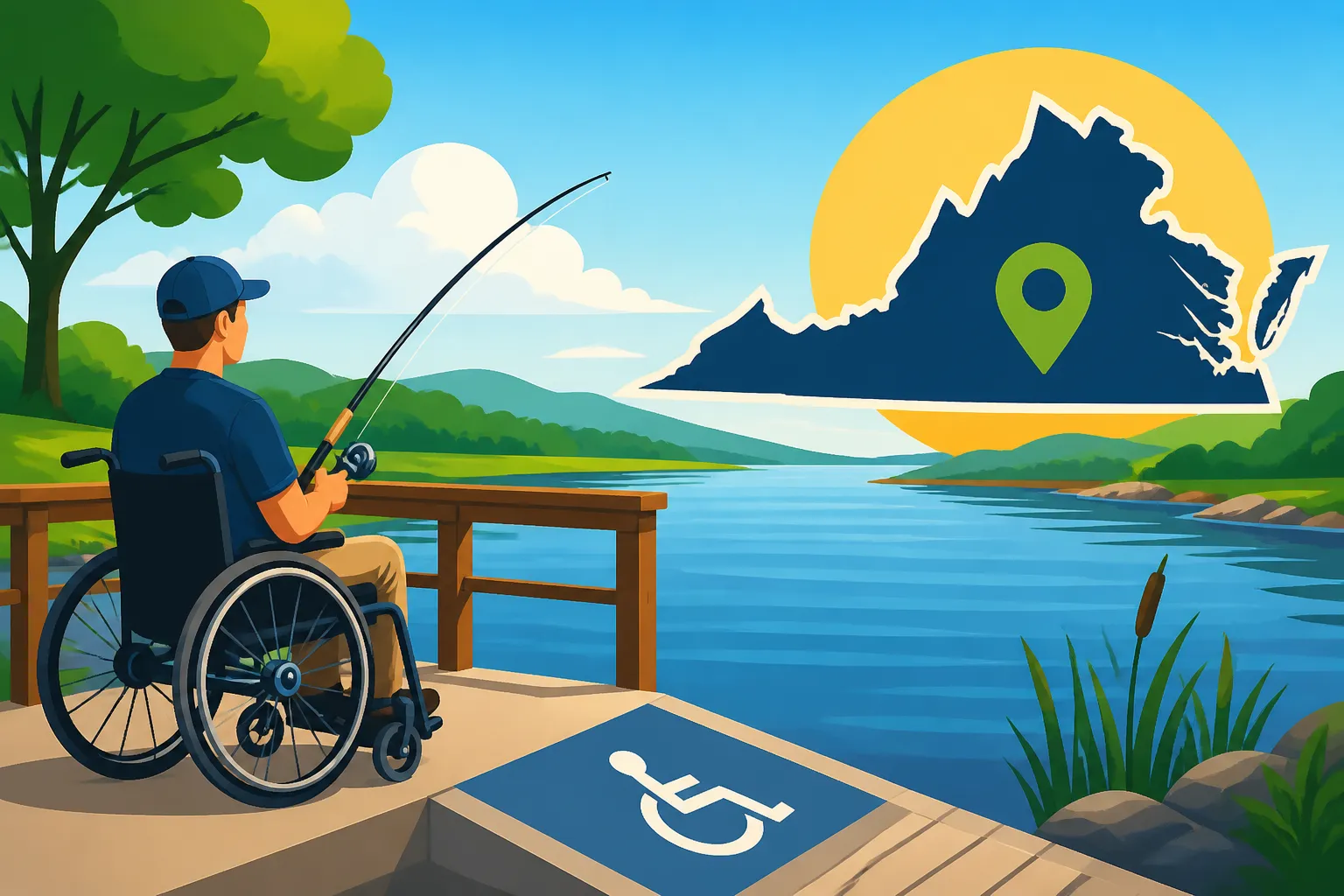
The pier or dock is often the heart of the fishing experience, and its design is critical for accessibility. An ideal accessible pier will feature a gradual, non-slip ramp leading up to it, not just stairs. Once on the pier, look for ample turning space and low-railing sections. Many standard pier railings are too high for someone seated in a wheelchair to comfortably cast over or see the water. Dedicated accessible piers will often have sections with lowered railings or cut-outs specifically for this purpose. These thoughtful details make a world of difference, allowing for a comfortable and unimpeded fishing experience. You'll also want to check for non-slip surfaces, especially when wet, to prevent any accidents.
Restroom and Parking Considerations
Beyond the fishing itself, practical amenities like accessible parking and restrooms are non-negotiable. Accessible parking spaces should be clearly marked, wide enough for ramps or lifts, and located as close as possible to the accessible pathways. This minimizes the distance and effort required to get from your vehicle to the fishing area. Likewise, accessible restrooms are essential for a comfortable and extended fishing trip. They should offer sufficient space, grab bars, and accessible sinks. Always check a park's website or call ahead to confirm these facilities are truly functional and well-maintained. Remember, a great fishing trip involves comfort and convenience from start to finish.
Top Wheelchair-Accessible Fishing Spots in Virginia
Virginia is blessed with incredible natural beauty, and thankfully, more and more of these spots are becoming truly accessible. From the tranquil lakes of Northern Virginia to the bustling piers of the coast, there are fantastic options for every angler. Let's explore some of the best places where you can easily cast a line and enjoy the abundant fish species Virginia has to offer.
Northern Virginia Accessible Spots
Northern Virginia offers several excellent parks with dedicated accessible facilities, making them perfect for a relaxing day of fishing close to urban centers.
Lake Accotink Park (Springfield, Fairfax County): This popular park is a gem for accessible fishing. It features a fantastic, fully accessible fishing pier that extends out into the lake, offering plenty of space and a sturdy, level surface. The paved trails around the lake also make for easy navigation. You can expect to catch a variety of freshwater species here, including largemouth bass, sunfish (like bluegill and crappie), and channel catfish. It's a great spot for both seasoned anglers and those just starting out. The park is well-maintained and provides ample parking, often with designated accessible spots close to the pier. This really makes it one of the top Family-Friendly Fishing Spots in Virginia.
Burke Lake Park (Fairfax Station, Fairfax County): Another fantastic option in Fairfax County, Burke Lake Park boasts an excellent accessible fishing pier. The path to the pier is paved and smooth, ensuring an easy roll right to the water's edge. This lake is well-stocked and a popular destination for catching largemouth bass, crappie, catfish, and various panfish. The park also features other amenities that cater to a wide range of visitors, including accessible restrooms. Before you head out, be sure you understand the Virginia Fishing Regulations Explained for Burke Lake, as specific limits or rules might apply. If you're looking for Virginia's Best Lakes for Fishing with accessibility in mind, Burke Lake is definitely on the list.
Central Virginia Accessible Spots
Moving towards the heart of the Commonwealth, Central Virginia provides serene river and lake fishing experiences with accessibility in focus.
Powhatan State Park (Powhatan County): Located on the beautiful James River, Powhatan State Park offers a unique accessible fishing experience. They have an accessible pier that provides fantastic access to the river's rich waters. The James River is renowned for its excellent catfish fishing, especially channel and blue catfish, but you can also find largemouth bass and various sunfish. The park's commitment to accessibility includes smooth pathways leading to the pier and accessible restrooms, allowing for a comfortable day by the river. It's truly one of Virginia's Best Freshwater Fishing Destinations that prioritizes inclusivity.
Bryan Park (Richmond): For those in or near the capital, Bryan Park offers an accessible fishing pier on its serene lake. This urban oasis provides a peaceful escape where you can target bass, sunfish, and catfish. The park has paved access to the pier and is generally very flat, making it easy to navigate. It's a convenient option for a quick fishing trip without having to travel too far from the city, and it serves as a great example of how urban green spaces can be made accessible for all types of recreation.
Coastal Virginia Accessible Spots
The coast of Virginia, with its vast estuaries and ocean access, also features some outstanding accessible fishing opportunities.
Virginia Beach Fishing Pier (Virginia Beach): When it comes to saltwater fishing, the Virginia Beach Fishing Pier is a standout for accessibility. This long, sturdy pier is flat, wide, and offers plenty of space for anglers in wheelchairs to navigate and find a spot to cast. While specific low-railing sections might vary, the sheer openness of the pier allows for comfortable fishing. You'll need a Virginia Fishing License Guide for saltwater fishing, but the pier often has a small fee that covers your fishing access, so always check with them directly. Species you can target include croaker, spot, flounder, bluefish, and even striped bass during their seasons. It's a vibrant spot, often with bait and tackle shops right on the pier. This is a prime example of Virginia's Best Saltwater Fishing Spots offering great access.
Back Bay National Wildlife Refuge (Virginia Beach): While some parts of a wildlife refuge can be rugged, Back Bay offers specific accessible fishing platforms and boardwalks that allow you to explore its unique brackish waters. It's a fantastic place for a quieter, more nature-immersed experience. Here, you'll mainly be targeting freshwater and brackish species like largemouth bass, yellow perch, and various panfish. Always check their website or call ahead for the most current information on accessible areas, as conditions in natural settings can change. This refuge is not only about fishing; it's a chance to immerse yourself in the diverse ecosystems of coastal Virginia.
Western Virginia Accessible Spots
The mountainous and lake-rich Western Virginia also has some excellent accessible options, blending stunning scenery with great fishing.
Claytor Lake State Park (Dublin): Nestled in the New River Valley, Claytor Lake State Park is a premier destination for accessible fishing in Western Virginia. The park features a well-designed accessible fishing pier that offers unobstructed views and easy access to the lake's abundant fish population. Claytor Lake is famous for its diverse fishery, including largemouth and smallmouth bass, crappie, catfish, and even walleye. The park also provides accessible parking and restrooms, making it a very user-friendly location for a day trip or even an extended stay. It’s definitely one of the Best Fishing Spots in Virginia that truly accommodates everyone.
Here’s a quick overview of some of these fantastic spots:
| Fishing Spot | Location | Water Type | Primary Fish Species | Accessible Features | Notes |
|---|---|---|---|---|---|
| Lake Accotink Park | Springfield | Freshwater Lake | Bass, Sunfish, Catfish | Accessible pier, paved trails, accessible restrooms | Great for families, popular year-round |
| Burke Lake Park | Fairfax Station | Freshwater Lake | Bass, Crappie, Catfish, Panfish | Accessible pier, paved trails, accessible restrooms | Well-stocked, boat rentals (check accessibility) |
| Powhatan State Park | Powhatan | Freshwater River | Catfish, Bass, Sunfish | Accessible pier on James River, paved trails, accessible restrooms | Scenic river fishing |
| Bryan Park | Richmond | Freshwater Lake | Bass, Sunfish, Catfish | Accessible pier, paved access, accessible restrooms | Urban park convenience |
| Virginia Beach Fishing Pier | Virginia Beach | Saltwater Ocean | Croaker, Spot, Flounder, Bluefish, Striped Bass | Wide, flat pier, often shops/restrooms | Fee may apply, great for ocean views |
| Back Bay National Wildlife Refuge | Virginia Beach | Brackish/Fresh | Bass, Yellow Perch, Panfish | Accessible platforms/boardwalks | Check specific access points, quiet setting |
| Claytor Lake State Park | Dublin | Freshwater Lake | Bass, Crappie, Catfish, Walleye | Accessible pier, accessible parking/restrooms | Beautiful mountain views, diverse fishery |
Planning Your Accessible Fishing Adventure
Even with great accessible spots, a little planning goes a long way to ensure your fishing trip is as smooth and enjoyable as possible. Think of it as setting yourself up for success even before your line hits the water.
Planning Ahead and Research
Never underestimate the power of a quick phone call or a thorough check of a park's website before you head out. While a spot might be listed as "accessible," details matter. Ask about the specific ramp gradients, the height of railings on the pier, or the condition of the paved paths. Is there a bait shop nearby that's also accessible? Knowing these nuances can prevent unexpected frustrations. Sometimes, photos on a park's website can be incredibly helpful. You might even find local fishing forums or groups that discuss accessible spots and can offer first-hand insights. Services like FishingBooker can sometimes provide details on guided trips that specifically cater to anglers with mobility needs, so it's worth checking their listings or contacting a local captain through their platform to ask about boat accessibility. If you're wondering How to Get a Fishing License in Virginia, it's always best to secure that online or at an authorized agent before you go, so you don't have any last-minute delays.
Essential Gear and Companionship
Having the right gear is crucial for any angler, but even more so when considering accessibility. Look for rod holders that can attach to your wheelchair or a stable stand, allowing you to set your rod down securely while managing bait or tackle. Consider longer-handled nets for easier reach, or specialized casting aids if needed. Pack a small, easily accessible tackle box with essential lures and baits for the species you're targeting. For example, if you're going for Virginia's Best Panfish Fishing Spots, bring a variety of small jigs and live bait like worms.
Bringing a friend or family member along can also make a huge difference. Not only do they offer companionship, but they can provide assistance with tasks like baiting hooks, netting fish, or moving gear, allowing you to focus on the joy of fishing. This shared experience can truly enhance the outing for everyone involved. For younger anglers, it's worth checking Do Kids Need a Fishing License to Fish? to ensure everyone is compliant.
Utilizing Resources and Local Knowledge
Virginia has excellent resources dedicated to outdoor recreation and accessibility. The Virginia Department of Wildlife Resources (DWR) website is a treasure trove of information, often detailing accessible features at state parks and public fishing lakes. They also provide valuable insights into Virginia Free Fishing Days Guide, where license requirements are waived for a few days each year, offering a fantastic opportunity to try a new spot. Local tourism boards can also be surprisingly helpful, as they want to promote inclusive tourism.
Don't be shy about asking locals or other anglers you meet at the spot. They often have the best, most up-to-date information on hidden gems or specific conditions. For guided experiences, remember that platforms like FishingBooker connect you with local captains who might already have accessible boats or be able to recommend one. A quick search for "Virginia fishing charters" on FishingBooker can open up options, and you can always send a message to a captain to ask about their vessel's accessibility features. Sometimes, getting that local insight is the key to unlocking an unforgettable fishing trip.
Disclaimer
Please remember that accessibility features and conditions at public sites can change due to maintenance, weather, or natural events. It is always recommended to contact the specific park or facility directly before your visit to confirm current accessibility status and any specific needs you may have. While we strive to provide accurate information, individual experiences may vary.