Best Snakehead Fishing Spots on the Potomac River
Hunting for northern snakeheads on the Potomac River has become a unique challenge for Virginia anglers, blending the thrill of the catch with the responsibility of managing an invasive species. These aggressive, toothy fish can be incredibly elusive, hiding deep in the thickest vegetation, leaving many frustrated on their first few attempts. This guide will take you deep into the prime hunting grounds of the Potomac, helping you understand where these "Frankenfish" lurk and how to successfully target them, all while adhering to crucial regulations.
Why Snakeheads are Thriving in the Potomac and Why Anglers Care
The northern snakehead's presence in the Potomac River system is a fascinating, if concerning, ecological story. These hardy fish have found a perfect home in Virginia's waters, and understanding why they've flourished is key to knowing where to find them. For anglers, they represent both a formidable opponent and a conservation imperative.
The Invasive Nature of the Northern Snakehead
Originally native to parts of Asia and Africa, the northern snakehead (Channa argus) found its way into North American waterways, including the Potomac River, primarily through illegal introductions. It's believed they were initially brought over for food markets or as aquarium pets. Once released into the wild, they wasted no time establishing breeding populations. They are incredibly resilient, capable of breathing air and even surviving short periods out of water, which allows them to "walk" between bodies of water when conditions are right, or to survive periods of drought.
This adaptability makes them a highly successful invasive species. In the Potomac, they compete directly with native fish like largemouth bass, sunfish, and even some smaller catfish for food and habitat. Their diet consists primarily of other fish, but they will eat just about anything they can fit in their mouths, including frogs, crayfish, and insects. While scientists continue to study their exact impact, the consensus is that their unchecked proliferation poses a threat to the delicate balance of the river's ecosystem. This is why Virginia, and neighboring states, have a strict "catch and kill" mandate for these fish.
The Thrill of Fishing for a "Frankenfish"
Despite their problematic status, the northern snakehead has become a highly sought-after game fish for many anglers. Often dubbed "Frankenfish" due to their unusual appearance and incredible hardiness, they offer an adrenaline-pumping fight. They are incredibly strong, pulling hard, and often making spectacular aerial jumps. Their preference for thick, submerged vegetation means you're often fishing in challenging conditions, which adds another layer of excitement to the pursuit.
The unique challenge of targeting snakeheads, coupled with the knowledge that you're actively helping to mitigate an invasive problem, makes them a compelling target. There's a certain satisfaction in wrestling one of these toothy predators from a dense lily pad field. Plus, they're surprisingly good table fare, offering firm, white, flaky meat similar to snapper or cod, making them a delicious reward for your efforts. Just remember, the rule is crystal clear: if you catch a northern snakehead in Virginia, you must not release it alive back into the water.
Top Snakehead Hotspots Along the Potomac River
The Potomac River, particularly its tidal freshwater sections, is a snakehead haven. These areas offer the perfect blend of shallow, warm water and dense aquatic vegetation that snakeheads adore. Knowing which specific tributaries and bays to target can significantly increase your chances of a successful outing.
Tidal Freshwater Sections: Key to Success
The tidal freshwater portions of the Potomac River are where you'll find the highest concentrations of northern snakeheads. These areas are characterized by slow-moving water, often heavily vegetated with lily pads, spatterdock, submerged grass beds, and fallen timber. The water warms up quickly in these shallow spots, making them ideal breeding and feeding grounds. Access is often best by kayak, canoe, or a shallow-draft boat, as many of the prime areas are difficult or impossible to reach with larger vessels.
- Quantico Creek / Aquia Creek / Chopawamsic Creek: These three creeks, located in Stafford and Prince William counties, are legendary snakehead fisheries. They offer extensive areas of dense aquatic vegetation, particularly spatterdock and lily pads, which are prime ambush points for snakeheads. Quantico Creek, accessible near the Quantico Marine Base, has numerous backwater coves and marshy areas. Aquia Creek, south of Quantico, is equally productive, especially in its upper tidal reaches where the current is minimal. Chopawamsic Creek, also in Prince William County, boasts similar characteristics with plenty of cover. Public boat ramps and shoreline access points are available in these areas, making them popular for anglers launching kayaks or small jon boats. Many local guides listed on platforms like FishingBooker specialize in these very creeks, offering expert knowledge if you're looking to learn the ropes.
- Pohick Bay: Located within Mason Neck State Park near Lorton, Pohick Bay is another exceptional snakehead spot. The bay features vast areas of submerged grasses, lily pads, and marshland, providing ideal habitat. The state park offers excellent access with a boat ramp and designated fishing areas, though navigating the densest vegetation will require a kayak or canoe. The shallower back corners and feeder creeks flowing into Pohick Bay are particularly productive during warmer months.
- Occoquan River: The lower, tidal sections of the Occoquan River, especially around Belmont Bay, hold a strong population of snakeheads. This river is known for its extensive marshes and thick vegetation along its banks. Anglers often target the edges of these weed lines and any isolated patches of cover. While it’s a larger body of water than some of the smaller creeks, the snakeheads still stick to the shallower, more vegetated areas. Look for public access points around the town of Occoquan and Belmont Bay.
- Dogue Creek / Little Hunting Creek: Closer to the Alexandria area, these smaller tributaries are also worth exploring. Dogue Creek, near Fort Belvoir, and Little Hunting Creek, flowing into the Potomac near Mount Vernon, both feature marshy shorelines and scattered vegetation that can hold snakeheads. While perhaps not as renowned as the more expansive creeks further south, they offer good opportunities for those in the northern Virginia region. Access can be a bit more limited here, but diligent searching for small launch points or wadeable areas can pay off. Remember to always check local regulations and private property boundaries when exploring new spots.
Upper Potomac Tributaries and Backwaters
While the absolute best fishing is in the tidal freshwater, snakeheads have been found further up the Potomac and in its connected backwaters. The Chesapeake & Ohio (C&O) Canal, which runs parallel to the upper Potomac on the Maryland side, has numerous sections and connected sloughs that can hold snakeheads. These areas often mimic the dense, shallow, vegetated conditions found in the lower tidal creeks.
However, fishing these upper sections typically means lower densities of snakeheads compared to the tidal Potomac. Anglers venturing here should focus on oxbow lakes, abandoned canal sections, and slow-moving backwaters that are rich in aquatic plants. Access points might be more sporadic, and you'll often be contending with dense brush on the banks, making a kayak or careful wading essential. It’s important to remember that a Virginia Fishing License Guide outlines the requirements for fishing these waters, and depending on where exactly you are, a freshwater license might be sufficient.
Essential Gear and Techniques for Potomac Snakehead
Successfully landing a snakehead requires specialized gear and techniques tailored to their aggressive nature and preferred habitat. This isn't your typical bass fishing setup; you need robust equipment and a strategic approach to pull these powerful fish out of the thick stuff.
Lures and Baits That Get Bites
Snakeheads are ambush predators, and their diet primarily consists of other fish, frogs, and whatever else they can snatch. This means presentations that mimic these prey items, especially those that can be fished through heavy cover, are key.
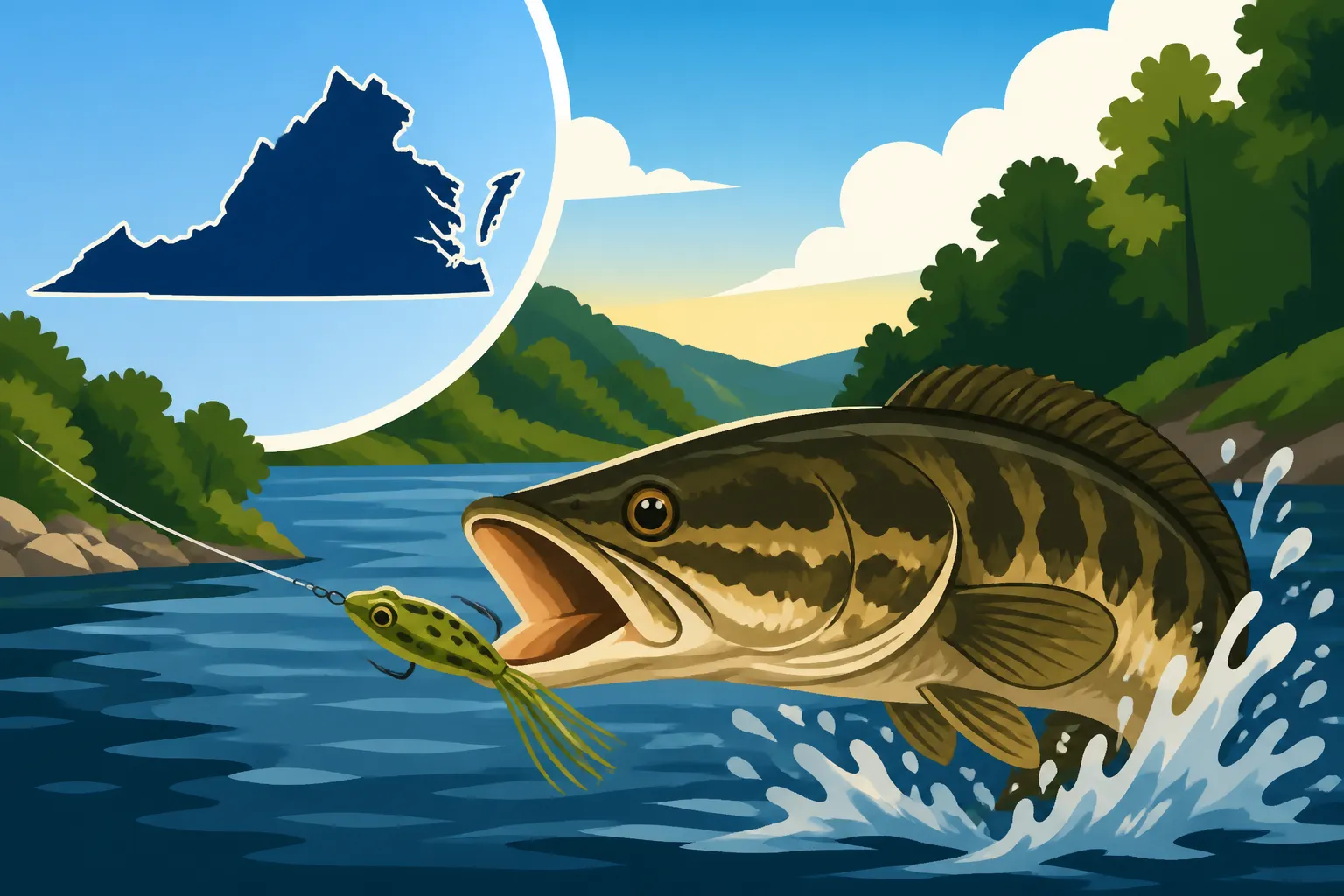
- Topwater Frogs: Without a doubt, topwater frogs are the quintessential snakehead lure. Brands like SPRO, Snag Proof, and LIVETARGET offer excellent weedless frog imitations. Cast these directly onto lily pads, spatterdock, or dense grass mats and work them with short twitches and pauses. The idea is to make them look like a frog struggling or hopping across the vegetation. The explosive strike of a snakehead blowing up on a frog is one of the most exciting aspects of this fishery.
- Buzzbaits and Chatterbaits: For fishing the edges of weed lines or slightly more open pockets within the vegetation, buzzbaits and chatterbaits (such as the Z-Man ChatterBait JackHammer) can be incredibly effective. Their noisy, erratic action often provokes a strike from an aggressive snakehead looking for an easy meal. Retrieve them at a steady pace, allowing the blades to churn water and create a disturbance.
- Weedless Spoons: A classic for fishing through grass, weedless spoons (like the Johnson Silver Minnow) can also entice snakeheads. Tip them with a soft plastic trailer for added bulk and action. Their design allows them to glide over snags, making them ideal for probing slightly deeper within the cover where frogs might get hung up.
- Soft Plastics: Flukes, swimbaits (like paddle tails), and even creature baits rigged completely weedless on heavy-duty EWG hooks can be worked through lighter cover or along the edges of thicker mats. A slow, methodical retrieve with occasional twitches can be deadly.
- Live Bait: While artificial lures are popular, live bait, especially small sunfish or minnows where legal, can be incredibly effective. Rig them under a bobber and drift them into openings in the weeds or along the edges. Be sure to check Virginia Fishing Regulations Explained for rules on using live bait, including prohibitions on transferring bait fish between water bodies to prevent the spread of invasive species.
Rods, Reels, and Line for the Fight
Forget your medium-action bass rods; snakeheads demand heavy-duty tackle. They fight incredibly hard, often dive deep into cover, and have abrasive teeth that can shred weaker lines.
- Rods: A heavy to extra-heavy power baitcasting rod, typically 7 to 8 feet long, is essential. The extra backbone is needed to set the hook through thick vegetation and to physically pull the fish out of the heavy cover it will inevitably try to dive into. A fast action tip is also beneficial for accurate casting and feeling subtle bites.
- Reels: Pair your heavy rod with a sturdy baitcasting reel that has a strong drag system and a good retrieve ratio. Low-profile reels with plenty of line capacity are preferred. You'll be putting a lot of strain on the reel, so investing in a quality one is wise.
- Line: Braided line is non-negotiable for snakehead fishing. Its lack of stretch provides excellent sensitivity and powerful hooksets, and its abrasion resistance is crucial for dealing with vegetation and the snakehead's rough mouth. Spool up with 50-65 pound test braid. A short leader of heavy fluorocarbon (30-50 lb) can be added for extra stealth and abrasion resistance, but many anglers go straight braid due to the thick cover.
Navigating Snakehead Territory: Boats, Kayaks, and Bank Fishing
Getting to the best snakehead spots often means leaving the beaten path. These fish don't usually hang out in open water; they prefer the densest, most inaccessible parts of the river.
- Kayaks and Canoes: These are arguably the best tools for snakehead fishing. Their shallow draft allows you to penetrate deep into lily pad fields, backwater coves, and narrow feeder creeks where larger boats simply cannot go. The stealth of a paddle craft is also a huge advantage, allowing you to approach fish without spooking them. Many state parks, like Mason Neck, and public boat ramps along the Potomac offer excellent kayak and canoe launching facilities, giving you direct access to prime snakehead waters.
- Shallow-Draft Boats: Jon boats, small skiffs, or bass boats equipped with a strong trolling motor are also highly effective. These allow you to cover more water and carry more gear than a kayak, while still being able to get into relatively shallow areas. A reliable trolling motor with GPS capabilities (like those from Minn Kota or Motorguide) can be invaluable for holding position in the wind or navigating tight channels.
- Bank Fishing: While challenging, bank fishing for snakeheads is possible in certain areas. Look for public access points along the Potomac or its tributaries, particularly in wildlife management areas or state parks. Target areas with shorelines that offer dense vegetation, fallen trees, or undercut banks. You'll need to be prepared to cast heavy lures into thick cover and have a strategy for landing a fish that's determined to wrap you around every available snag. Understanding Virginia's Rules for Fishing on Public and Private Waters is especially important when bank fishing to ensure you're not trespassing.
Rules, Regulations, and Conservation Efforts
When you're out chasing northern snakeheads in Virginia, it's not just about the thrill of the catch; it's also about understanding and adhering to the specific rules designed to protect our native ecosystems. Your actions as an angler play a direct role in managing this invasive species.
The "Catch and Kill" Mandate in Virginia
This is perhaps the most critical regulation regarding northern snakeheads in Virginia. If you catch a northern snakehead, you must not release it alive. This isn't a suggestion; it's a legal requirement. The rationale is simple: every snakehead removed from the ecosystem reduces its reproductive potential and competitive pressure on native species.
When you land a snakehead, be prepared to humanely dispatch it immediately. This can be done by a sharp blow to the head, severing the spinal cord, or any other method that ensures it does not return to the water alive. Many anglers carry a small club, a knife, or even a pair of pliers for this purpose. It's crucial to be informed about this rule, as penalties for violating fishing regulations, including those concerning invasive species, can be significant. This rule applies across the state, including all parts of the Potomac River that fall within Virginia's jurisdiction.
Virginia Fishing License Requirements
Before you even cast a line, ensure you have the appropriate Virginia fishing license. Fishing the Potomac River within Virginia's borders requires a valid state fishing license. Given the tidal nature of the prime snakehead waters, you'll generally need a valid Virginia Freshwater Fishing License or a Virginia State Freshwater-Saltwater Fishing License if you plan to fish a variety of waters.
The Potomac River, particularly downstream from Washington D.C., is tidal, but the primary snakehead habitats are in its freshwater tidal portions. Always double-check the specific requirements for the body of water you intend to fish. A comprehensive guide like Freshwater and Saltwater Fishing Licenses in Virginia can help you determine exactly what you need. Remember, these licenses are vital for funding conservation efforts by the Virginia Department of Wildlife Resources (DWR), which benefits all fish species, native and invasive alike. You can typically purchase licenses online through the DWR website or from licensed agents.
How Anglers Help Combat the Spread
Anglers are on the front lines of defense against invasive species like the northern snakehead. By actively targeting and removing these fish, you contribute directly to conservation efforts. But it goes beyond just the "catch and kill" mandate.
- Reporting Catches: While not strictly required for every snakehead, reporting unusual catches (e.g., in new water bodies where they haven't been documented) to the Virginia DWR can help track their spread.
- Proper Disposal: Always dispose of dead snakeheads responsibly. Do not just leave them on the bank. They should be properly discarded or taken home for consumption.
- Educating Others: Share your knowledge with fellow anglers. Explain why the catch and kill rule is in place and the ecological impact of these fish. Many anglers, especially those new to the fishery, might not fully understand the implications.
- Preventing Further Spread: Never use snakeheads as bait, and never, ever release them alive into any water body. This is crucial for preventing new populations from establishing. Adhering to these practices makes you a responsible steward of Virginia's waters. If you're looking for a guided trip to learn more, searching for Potomac River snakehead guides on FishingBooker can connect you with local experts who are well-versed in these regulations and best practices.
Here's a quick overview of some top Potomac River snakehead spots:
| Location (Virginia Side) | Characteristics | Best Access Type | Key Features for Snakeheads | Notes |
|---|---|---|---|---|
| Quantico Creek | Extensive tidal freshwater marsh, lily pads, submerged grass | Kayak/Canoe, small jon boat | Dense vegetation, numerous coves | Popular, can get busy. Excellent cover. |
| Aquia Creek | Similar to Quantico, abundant vegetation, slow current | Kayak/Canoe, small jon boat | Upper tidal reaches, shallow flats | Known for consistent action. |
| Chopawamsic Creek | Large system with diverse habitats, heavy vegetation | Kayak/Canoe, small jon boat | Weed mats, fallen timber, marsh edges | Great for exploring, can find secluded spots. |
| Pohick Bay (Mason Neck SP) | Wide bay with vast lily pad fields, marshland | Kayak/Canoe, small boat (ramp) | State park access, shallow back corners, feeder creeks | Good amenities, family-friendly. Can hold big fish. |
| Occoquan River (Lower Tidal) | Larger river, extensive marshy banks, scattered vegetation | Small boat, Kayak | Weed lines, deeper channels adjacent to cover | Good for covering more water, but focus on the edges. |
| Dogue Creek / Little Hunting Creek | Smaller tributaries, marshy shorelines, scattered cover | Kayak/Canoe, Bank (limited) | Backwater coves, undercut banks, sparse vegetation | Good for anglers in northern Virginia, less crowded. |
Disclaimer
Please note that fishing regulations, including those for invasive species and license requirements, can change. Always check the latest information from the Virginia Department of Wildlife Resources (DWR) before heading out on the water. This guide is intended for informational purposes and should not be considered legal advice.