Is the Shenandoah River Good for Fly Fishing Beginners?
There's a special kind of magic that draws aspiring anglers to fly fishing – the rhythmic cast, the delicate presentation, the thrill of outsmarting a fish with a feathered hook. But if you're just starting out, it's easy to feel overwhelmed, wondering if a renowned river like the Shenandoah is too advanced for a beginner. Rest assured, while it presents its own unique challenges, the Shenandoah River absolutely can be a fantastic classroom for new fly fishers, offering diverse opportunities to learn and grow.
The Shenandoah River's Welcoming Nature for Novice Fly Anglers
Many beginners worry about finding a spot that's not only beautiful but also forgiving enough to practice those awkward early casts without scaring away every fish. The Shenandoah River, with its expansive waters and diverse fish populations, really hits that sweet spot. It's not some ultra-technical, finicky trout stream where every mistake costs you a fish. Instead, it offers ample space and a variety of targets, making it less intimidating for those learning the ropes.
Diverse Fisheries for Different Skill Levels
One of the Shenandoah's greatest assets for a beginner is its incredible biological diversity. Unlike a dedicated trout stream that might only hold a single, highly sensitive species, the Shenandoah is a mixed bag, primarily famed for its incredible smallmouth bass fishery, but also home to various sunfish and even some wild trout in its cooler, upper reaches and tributaries. This means you have options!
If the delicate art of trout fishing feels a bit too much for your first few outings, you can start by targeting the more aggressive and forgiving smallmouth bass. They're often less spooky than trout, more willing to chase down a less-than-perfect cast, and generally provide a more robust fight that’s incredibly exciting for a new angler. This builds confidence and provides tangible success early on, which is so important for keeping spirits high. As you gain skill and confidence, you can then explore the river's trout opportunities, gradually stepping up your game. It’s like learning to drive in a big parking lot before hitting the highway – the Shenandoah offers both the parking lot and scenic routes.
Accessibility and Public Access Points
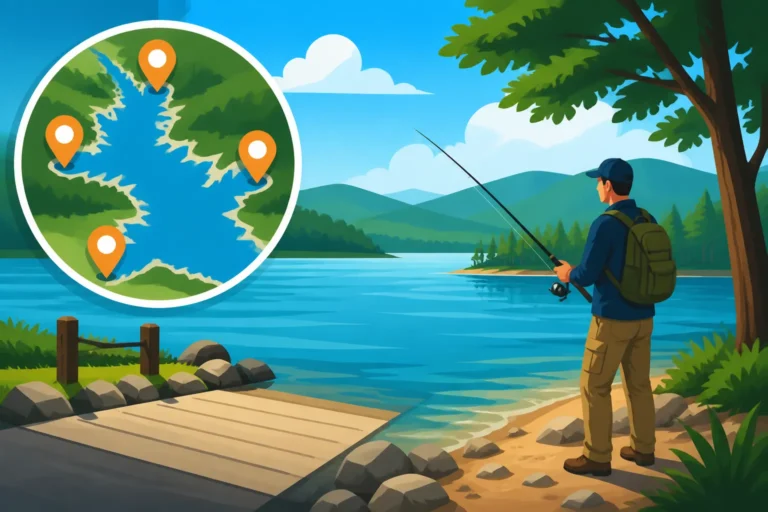
Another huge plus for any beginner is ease of access, and the Shenandoah delivers. Stretching for miles through Virginia, the river boasts numerous public access points, from boat ramps managed by the Virginia Department of Wildlife Resources (DWR) to scenic state parks and private campgrounds that offer day passes. You don't need a fancy drift boat to get started; many sections are wadeable, particularly during lower flows, giving you direct contact with the water and a sense of immersion.
You can often find good sections for bank fishing or easy wading along its forks, particularly the North and South forks before they converge. Places like the Baugher's Marsh section or accessing the river through state parks can provide excellent starting points. Always make sure to check local regulations and private property boundaries, of course. Having plenty of spots to choose from means you're less likely to be crowded out by other anglers, giving you the space to practice without feeling self-conscious. If you're looking for specific spots, check out resources like the Best Fly Fishing Access Points on the Shenandoah River or Best Wading Spots on the Shenandoah River, Virginia to help you pinpoint areas that might suit your comfort level.
Understanding the Primary Targets for Fly Fishing Beginners
When you're first learning to fly fish on the Shenandoah, setting realistic expectations about what you'll catch is key. While the river holds a variety of fish, two species stand out as primary targets for the fly angler, each offering a different learning experience.
Smallmouth Bass: The Aggressive, Forgiving Fighter
For most fly fishing beginners on the Shenandoah, smallmouth bass are your best friends. These feisty fish are abundant throughout the river and are known for their aggressive strikes and acrobatic fights. This makes them incredibly fun to catch and provides immediate gratification, which is crucial when you're still mastering the rhythm of casting and line management.
Smallmouth bass aren't as particular about fly presentation as trout can be. A less-than-perfect cast that lands with a bit of a splash might actually attract their attention, mimicking a frog or a bug falling into the water. They'll often hit a variety of flies, including poppers, streamers, and crayfish patterns. This versatility in fly choice means you don't need a huge, specialized fly box to get started. You can often have success with just a few basic patterns. If you're looking to specifically target these river-dwelling powerhouses, learning How to Fly Fish for Smallmouth Bass can significantly boost your initial success and enjoyment. They're strong fighters, so be prepared for a good tug-of-war, even with relatively small fish. This kind of action is incredibly encouraging for beginners and quickly builds confidence in your gear and technique.
Trout: A More Challenging but Rewarding Pursuit
While the Shenandoah River is most famous for its smallmouth bass, its cooler headwaters and certain tributaries, especially in the George Washington and Jefferson National Forests, do hold populations of wild brown and brook trout. These areas offer a different, often more delicate, fly fishing experience. Trout, particularly wild ones, tend to be much more wary and require a more refined approach. Your casts need to be more accurate, your fly presentation more subtle, and your understanding of currents and insect hatches more developed.
Fishing for trout on the Shenandoah or its feeder streams might be something you work up to as your skills improve. However, if you're determined to start with trout, it's certainly possible. Just be prepared for a steeper learning curve and potentially fewer fish caught in the beginning. The reward, though, is immense – hooking a beautiful, wild brook trout in a pristine mountain stream is an unforgettable experience. For those ready to tackle trout, understanding How to Fly Fish for Trout in a River will be invaluable, especially focusing on understanding the subtle takes and presentations required. If you're specifically eyeing the trout waters, make sure to consult a guide like Best Trout Streams on the Shenandoah River, Virginia for detailed information on where to find them.
Here's a quick comparison to help you choose your initial target:
| Fish Species | Behavior for Beginners | Recommended Flies for Beginners | Learning Curve |
|---|---|---|---|
| Smallmouth Bass | Aggressive, less spooky, strike readily. | Poppers, Streamers (Woolly Bugger), Crayfish | Low (Good for building confidence) |
| Trout | Wary, require delicate presentation, sensitive to errors. | Dry Flies, Nymphs, smaller Streamers | Moderate to High (Requires more precision) |
Essential Gear and Beginner-Friendly Techniques for the Shenandoah
Don't let the sheer volume of fly fishing gear intimidate you. While some anglers spend a fortune, you absolutely don't need to break the bank to get started on the Shenandoah. Focus on the essentials and you'll be well on your way.
Getting Started with the Right Equipment
For the Shenandoah, especially if you're targeting smallmouth bass, a 5-weight or 6-weight fly rod is a fantastic all-around choice. This rod size is versatile enough to cast streamers and poppers for bass, and it can handle larger panfish or even smaller trout if you find them. Pair it with a matching reel and a weight-forward floating line. A floating line is the most forgiving for beginners as it's easier to mend and see on the water.
You'll also need a tapered leader (usually 7.5 to 9 feet, 0X to 3X for bass, 4X to 5X for trout) and some spools of tippet material to match. Don't forget a pair of waders and wading boots if you plan to get in the water – river bottoms can be rocky and slippery. A basic net, a pair of hemostats or pliers for hook removal, and a small box of flies complete your initial setup. If this all sounds like a lot, consider a beginner combo kit that includes a rod, reel, and line, like those offered by reputable brands such as Redington or Orvis. These kits are designed to be user-friendly and cost-effective.
A significant benefit of going with a guide is that they typically provide all the necessary gear, eliminating the upfront investment and ensuring you have the right tools for the job. Services like FishingBooker are excellent for finding guides on the Shenandoah River who cater specifically to beginners and can even provide the waders, boots, and flies you'll need. This means you can show up with minimal fuss and jump right into the action, focusing solely on learning to cast and fish. Before you head out, make sure you understand the local rules and permits required; checking a Virginia Fishing License Guide is always a good first step to ensure you're compliant.
Simple Casting and Presentation Tips
The cast is often the biggest hurdle for new fly anglers, and it can feel incredibly awkward at first. The key is to practice, and the Shenandoah offers plenty of room for it. Start with basic overhead casts, focusing on a smooth, controlled motion rather than brute force. Think of it like throwing a dart, not swinging a baseball bat. The rod loads and unloads the line; your job is just to guide it.
When it comes to presentation, especially for smallmouth bass, you don't always need perfection. Bass are often ambush predators, so a fly that lands near cover (like a submerged log, rock, or weed line) and is retrieved with some erratic action can be incredibly effective. For trout, a softer landing and a more natural drift, free of drag, are usually preferred. Don't be afraid to experiment with your retrieve speed and depth, as fish often respond differently throughout the day. Remember, the goal isn't just to cast far, but to cast accurately and present your fly in a way that looks natural and enticing to the fish. Focusing on these techniques will help you learn the fundamentals that apply whether you're fly fishing for trout or smallmouth bass, or anything else.
Navigating Challenges and Maximizing Your Success
Every new pursuit comes with its challenges, and fly fishing on a river like the Shenandoah is no different. But with a bit of foresight and the right mindset, you can turn potential frustrations into valuable learning experiences.
Reading the Water and Understanding River Flows
One of the biggest lessons in fly fishing is learning to "read the water." This means understanding where fish are likely to hold, how currents affect your fly, and what kind of structure (rocks, logs, drop-offs) provides cover and feeding lanes. For beginners, this can feel like trying to decipher a secret code.
On the Shenandoah, start by looking for slower seams behind rocks, eddies where the current swirls, and deeper pockets along the banks. These are prime holding areas for both bass and trout, as they offer refuge from strong currents and a place to ambush food. Pay attention to changes in water color or depth, as these often indicate structural changes below the surface. Understanding How to Read Water When Fly Fishing a River is perhaps one of the most important skills you'll develop, and the Shenandoah provides an excellent training ground for it. Don't be afraid to cast to areas that look "fishy" even if you're unsure. The worst that can happen is you don't catch a fish, but the best is that you learn something new.
River flows also play a huge role. After heavy rains, the river might be high and muddy, making fishing difficult and potentially unsafe for wading. During prolonged dry spells, flows can drop, making fish more concentrated but also warier. Always check local river gauges before you go. The DWR website or local fly shops are great resources for current conditions.
When to Go and What to Expect
The Shenandoah offers year-round fly fishing opportunities, but certain seasons are more productive and beginner-friendly. Spring and fall are generally excellent for smallmouth bass, as they are actively feeding and less lethargic than in the peak of summer or the dead of winter. The cooler temperatures of spring and fall also make for more comfortable wading and longer fishing sessions. For trout, the cooler months (late fall, winter, and early spring) often provide the best opportunities on wild trout streams when water temperatures are optimal.
Remember, fly fishing is as much about being outdoors and enjoying nature as it is about catching fish. Some days you'll catch a lot, and some days you'll get skunked – that's just part of the experience. The important thing is to enjoy the process, learn from each outing, and appreciate the stunning beauty of the Shenandoah River. If you're planning your trip around specific fish or seasons, consider diving into content like Best Time to Fly Fish the Shenandoah River in Virginia or even checking current Virginia Fishing Regulations Explained to ensure a successful and compliant trip. For those who want the best chance of success, especially early on, hiring a guide through platforms like FishingBooker can provide invaluable insights into seasonal patterns and local hotspots, maximizing your chances of a memorable first catch.
Disclaimer: Fishing regulations and conditions can change rapidly. Always check the latest Virginia Department of Wildlife Resources (DWR) regulations before heading out on the water.