Is Lake Anna Good for Night Fishing?
That itch to cast a line often hits hardest when the sun goes down, especially during those scorching Virginia summers. Many anglers wonder if their favorite spots, like Lake Anna, offer good opportunities for peaceful, productive night fishing. If you're looking for an escape from the crowds and the heat, and curious about what bites after dark, you've come to the right place. This guide will delve into the specifics of night fishing on Lake Anna, covering everything from target species to essential gear and regulations, helping you plan your next nocturnal adventure.
Why Night Fishing at Lake Anna Appeals to Anglers
There’s a certain magic to being on the water after the sun dips below the horizon. The world quiets down, the air cools, and a different set of senses takes over. For many, night fishing isn't just a tactic; it's an experience, especially on a popular body of water like Lake Anna. It offers a unique combination of solitude, comfort, and the thrilling potential for bigger catches.
Escaping the Daytime Crowds and Heat
Let's be honest, Lake Anna can get busy. During peak season, especially on weekends, you'll find recreational boaters, jet skis, swimmers, and pleasure cruisers enjoying the sunshine. This high traffic not only creates a lot of noise and wake but can also make fishing a real challenge. Fish tend to retreat to deeper, cooler waters or seek dense cover to avoid the commotion. Night fishing on Lake Anna provides a welcome respite from this chaos. The lake transforms into a peaceful haven, often leaving you with stretches of water almost entirely to yourself. Moreover, those sweltering summer days in Virginia can be brutal. Standing under a midday sun for hours, even with sunscreen, can be exhausting. Fishing at night means enjoying cooler temperatures, a gentle breeze, and a much more comfortable experience overall. You can stay out longer, focus better, and avoid the risk of sunburn, making for a much more pleasant outing.
Targeting Nocturnal Predators
Many of the most sought-after game fish in Lake Anna are more active under the cover of darkness. Just like humans, some fish are more comfortable and aggressive when the lights are low. Species that are often skittish during the day, hiding in deep pockets or heavy structure, will venture out to feed once the sun sets. The decreased light gives them a predatory advantage, making them more confident in hunting baitfish that are also less visible. This shift in activity patterns means that targeting these fish at night can be incredibly productive. You're essentially fishing during their prime feeding windows, which often translates to more bites and potentially larger fish that are more willing to strike. It's a completely different game than daytime angling, requiring a shift in strategy but offering exciting rewards.
The Unique Serenity of Night Fishing
Beyond the practical advantages, there's an undeniable allure to the quiet solitude of night fishing. The sounds of nature become more pronounced – the hoot of an owl, the splash of a distant fish, the gentle lapping of water against your boat or the shore. The starry sky, unmarred by city lights, creates a breathtaking backdrop. There's a meditative quality to it, a chance to truly connect with the environment without distractions. It's an opportunity to clear your head, enjoy the peaceful calm, and simply exist in the moment. For many veteran anglers, this peaceful experience is as valuable as any fish caught, transforming a fishing trip into a truly restorative escape. It's a chance to feel truly alone with your thoughts and the rhythm of the water.
Prime Species for Night Fishing at Lake Anna
Lake Anna is a fantastic fishery, and while many species can be caught during the day, a few truly come alive after dark. If you're heading out for some nocturnal angling, knowing which fish are most likely to bite can help you focus your efforts and increase your chances of success. It's all about understanding their nighttime habits and adjusting your approach accordingly.
Catfish: The King of Nighttime Bites
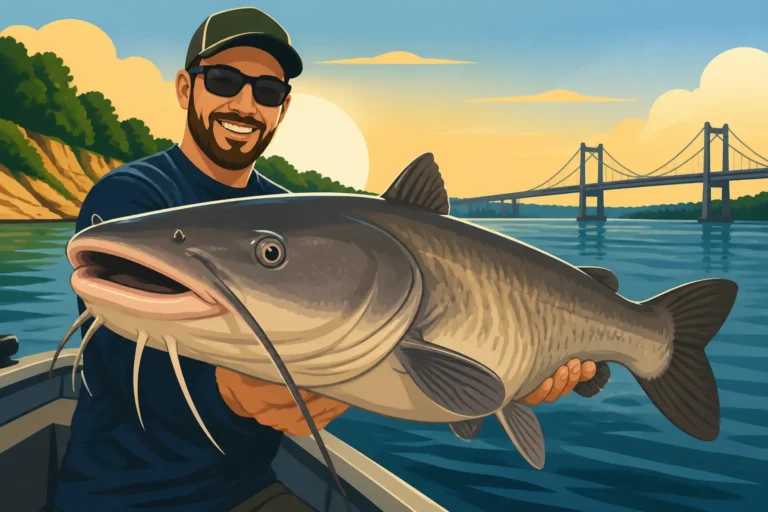
When it comes to night fishing, catfish are often the uncontested champions. Lake Anna is home to robust populations of channel catfish, flathead catfish, and even some white catfish, all of which become significantly more active as twilight deepens. These whiskered bottom-dwellers rely heavily on their sense of smell and touch, which gives them an edge in low-light conditions. During the day, they might be sluggish, but at night, they're on the prowl for an easy meal.
Targeting catfish at night usually involves bottom fishing techniques. You'll want to use strong, smelly baits that can be easily detected in the dark water. Think cut bait, chicken livers, shrimp, or commercially prepared stink baits. Look for them in deeper holes, along channel edges, or near submerged structure. Setting up multiple rods with different baits can help you determine what they're biting on. The beauty of night fishing for catfish is their willingness to hit, often providing consistent action that can be incredibly exciting under the moonlit sky. For more specific advice, you might want to check out our guide on Best Catfish Fishing Spots in Virginia.
Striped Bass: A Challenging but Rewarding Pursuit
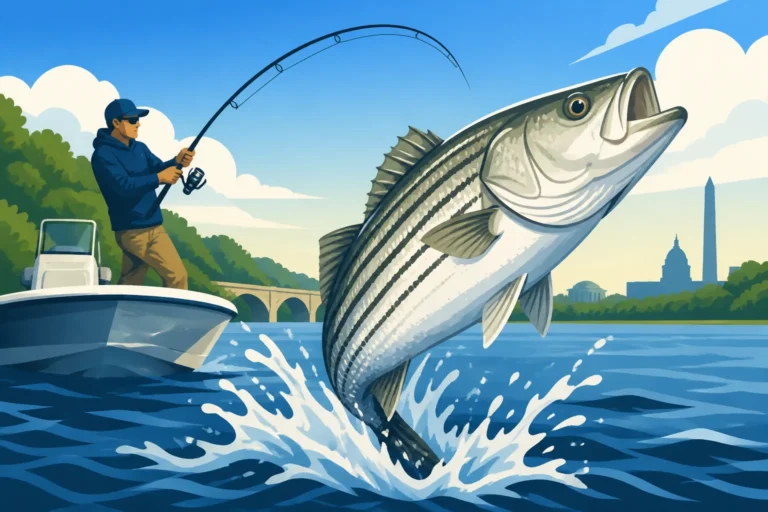
Striped bass, often called "stripers" or "rockfish," are another exciting target for night anglers on Lake Anna. While they can be caught during the day, these powerful predators often move into shallower waters to feed under the cloak of darkness, especially during warmer months. They'll actively chase baitfish like shad and herring, making for some intense strikes. Catching a trophy striper at night is a thrilling experience, often involving explosive fights that will test your tackle and skill.
Techniques for night striper fishing include casting large topwater lures, swimming crankbaits, or fishing live bait under lights. Many anglers will drift live shad or herring over humps and points where stripers are known to congregate. Look for areas with artificial light spilling onto the water, as this can attract baitfish, which in turn attracts stripers. However, these fish can be finicky, and finding the right pattern might take some experimenting. For those new to the area, consulting a local guide or checking resources like Where to Catch Striped Bass on Lake Anna can provide invaluable insights into their nocturnal habits. Remember to always be aware of the Striped Bass Season and Slot Limit in Virginia to ensure you're fishing legally.
Largemouth Bass: A Different Approach in the Dark
While largemouth bass are typically thought of as a daytime species, they absolutely feed at night, especially during the summer. The cooler water temperatures and reduced boat traffic create a less stressful environment, encouraging them to move out from their daytime cover to hunt. Unlike their daytime behavior, night fishing for largemouth bass often involves slower presentations and different types of lures that emphasize sound and vibration over visual appeal.
Dark-colored jigs, spinnerbaits with large thumping blades, and bladed jigs like a ChatterBait can be incredibly effective. Topwater lures that create a lot of commotion, like buzzbaits or Whopper Ploppers, can also trigger explosive strikes from lurking bass. Focus your efforts around docks with lights, lily pads, submerged timber, and other heavy cover that bass relate to during the day. The key is to fish slowly and deliberately, allowing the bass time to locate your bait using their lateral line. It's a completely different challenge than daytime bass fishing, but highly rewarding when you feel that solid thump in the dark. For more tips on daytime bass habits, you might find our guide on Best Largemouth Bass Coves on Lake Anna, Virginia helpful, as many of those structures still hold fish at night.
Essential Gear and Techniques for Night Fishing on Lake Anna
Successfully navigating Lake Anna after dark requires more than just your usual fishing rod and reel. Safety, visibility, and adapting your tackle to low-light conditions are paramount. Don't just grab your daytime setup and hope for the best; a little preparation goes a long way in making your night fishing trip safe, enjoyable, and productive.
Safety First: Lighting and Navigation
Safety should always be your top priority when fishing after dark. Whether you're fishing from a boat, kayak, or the bank, proper lighting is non-negotiable. For boaters, ensure all navigation lights are in perfect working order. A strong spotlight or a dedicated deck light can illuminate your path and help with tying knots or unhooking fish, but be mindful not to shine it directly at other anglers or into the water unnecessarily, as it can spook fish. Headlamps are indispensable for hands-free illumination, allowing you to re-tie lines, bait hooks, or handle your catch without fumbling. Make sure they have a red light option, which helps preserve your night vision and is less disruptive to fish.
Navigation on Lake Anna at night can be tricky, even if you know the lake well during the day. Familiar landmarks disappear, and the water can look entirely different. A reliable GPS unit with detailed maps of Lake Anna is crucial to avoid hazards like submerged stumps, shallow points, or docks. Consider pre-marking your favorite fishing spots and safe travel routes on your GPS before you head out. Always tell someone your float plan – where you're going, when you expect to return, and who you're with. Having a charged cell phone and extra batteries for all your electronics is also a smart move. Remember, a life jacket should be worn, not just stowed, especially when moving in a boat after dark.
Baits and Lures That Shine in the Dark
When the sun is down, fish rely less on sight and more on other senses, primarily their lateral line (which detects vibrations) and their sense of smell. This means your bait and lure choices need to reflect this shift. For live bait, traditional options like minnows, shad, or nightcrawlers are excellent because their natural movements create vibrations that fish can detect. For catfish, strong-smelling options such as chicken liver, cut bait, or shrimp are incredibly effective, as their scent trails travel far in the water.
When it comes to artificial lures, think about sound, vibration, and profile. Large bladed spinnerbaits, chatterbaits, and crankbaits with internal rattles are great choices, as they create a lot of commotion. Dark-colored lures (black, blue, purple) often work best at night, as they create a strong silhouette against the moonlit or starlit sky, making them easier for fish to see. Glow-in-the-dark lures or those with reflective properties can also be effective, but remember that the glow needs to be "recharged" periodically with a flashlight. Slower retrieves are generally more productive at night, giving the fish more time to locate and commit to your presentation. If you're looking for more specific guidance on different times of the day, our guide on Night Fishing Techniques might offer some broader insights.
Practical Tips for a Successful Night Trip
Beyond safety and tackle, a few practical tips can make your Lake Anna night fishing experience much smoother. Firstly, prepare everything you can before you leave home. Tie your knots, organize your tackle, charge your batteries, and pack your snacks. Trying to do these things in the dark on the water is a recipe for frustration. Secondly, bring insect repellent. Mosquitoes and other biting insects can be relentless at night, and a good repellent will save you a lot of discomfort.
Consider using a blacklight for lines and lures if you're targeting certain species with specific fluorescent lines or baits – it can make tying knots or detecting light bites easier. Sound discipline is also key; fish can be more sensitive to unnatural noises at night, so keep conversations low, don't drop tackle, and operate your boat quietly. Lastly, dress in layers. Even on a hot summer day, nights on the water can get surprisingly cool. A lightweight jacket or sweatshirt will be welcome as the hours pass. Getting to know the area you plan to fish during daylight hours first is also invaluable; knowing the structure and potential hazards before darkness falls gives you a significant advantage.
Navigating Regulations and Access for Night Fishing at Lake Anna
Before you even think about casting a line under the stars on Lake Anna, it's absolutely crucial to understand the rules and where you're legally allowed to be. Virginia's fishing regulations, combined with specific access rules for Lake Anna, can sometimes feel like a maze. But don't worry, a little research now will save you a lot of hassle and potential fines later.
Understanding Virginia Fishing Regulations
First and foremost, you'll need a valid Virginia fishing license. This is non-negotiable for almost all anglers over the age of 16. Whether you need a freshwater, saltwater, or a combination license depends on where exactly you're fishing and what you're targeting. Since Lake Anna is a freshwater impoundment, a Virginia freshwater fishing license is required. It's always best to have it on your person, either digitally or a physical copy. You can find comprehensive details in our Virginia Fishing License Guide or learn How to Get a Fishing License in Virginia.
Beyond the license itself, you need to be aware of the specific regulations for the species you plan to target. This includes length limits, daily creel limits (how many fish you can keep), and any specific season dates. For example, while catfish are generally open year-round with generous limits, species like striped bass have specific Virginia Striped Bass Season and Slot Limit in Virginia that you must adhere to, even at night. These regulations are designed to protect fish populations and ensure sustainable fishing for everyone. Always check the current Virginia Department of Wildlife Resources (DWR) regulations guide before you head out, as rules can change annually. Penalties for not adhering to these rules can range from fines to confiscation of gear, so it's not something to take lightly.
Public Access Points and Night Restrictions
Lake Anna offers several public access points, including boat ramps and designated bank fishing areas. However, not all of these are open 24/7, and many state or county parks have specific hours of operation that may close them to the public after dusk. For example, some boat ramps might have gates that lock at a certain time, or bank fishing areas within parks might prohibit overnight stays. It's absolutely essential to check the operating hours of any specific access point you plan to use for night fishing. A quick call to the park office or checking their website can save you a frustrating trip to a locked gate.
For boat anglers, using a public boat ramp that has 24-hour access is key. Most larger, well-maintained ramps operated by the DWR are usually open all night. However, parking might be an issue, and you'll want to ensure your vehicle and trailer are secure. For those fishing from the bank, your options might be more limited to bridges (where safe and legal), public fishing piers that explicitly state 24-hour access, or areas of public shoreline that don't fall under strict park regulations. Always be respectful of private property and posted "no trespassing" signs. Trespassing can lead to serious legal issues, even if you're just looking for a quiet spot to fish.
Private Docks and Guided Night Trips
If public access proves challenging or you prefer a more tailored experience, there are other avenues for night fishing on Lake Anna. Many vacation rentals or private homes on Lake Anna come with their own docks, and if you're staying at one, fishing from the private dock at night is often a fantastic option. Just be sure to confirm with the property owner that fishing is permitted and that there aren't any specific rules you need to follow. This often provides a convenient and safe base for your nocturnal adventures, sometimes even with dock lights that can attract baitfish and, subsequently, predators.
Another excellent option, especially for beginners or those unfamiliar with Lake Anna, is to book a guided night trip. Several professional fishing guides operate on Lake Anna, many of whom specialize in night fishing for stripers, catfish, or even bass. A guide knows the lake intimately, understands the nocturnal patterns of the fish, and can put you on the best spots safely. They typically provide all the necessary gear and baits, and sometimes even cover the fishing license requirement for the duration of the trip. Companies like FishingBooker can help you find reputable Lake Anna guides who offer night fishing excursions. Booking a guide can turn a potentially confusing and challenging night out into a highly productive and enjoyable experience, giving you the best chance to hook into some impressive catches after dark.
| Aspect | Daytime Fishing | Night Fishing |
|---|---|---|
| Crowd Levels | High boat traffic, busy recreation areas | Significantly reduced, peaceful, more solitude |
| Temperature | Hot, especially in summer, risk of sunburn | Cooler, more comfortable, pleasant breezes |
| Target Species | Active during daylight, visual hunters | Nocturnal predators more active (catfish, stripers) |
| Visibility | Excellent, sight fishing possible | Low, relies on touch, sound, smell, vibration |
| Navigation | Easy with visual landmarks | Challenging, requires GPS, good lighting |
| Lure/Bait Focus | Visual appeal, color, natural presentation | Sound, vibration, scent, silhouette (dark lures) |
| Safety Concerns | Sun exposure, boat collisions | Navigation hazards, lack of visibility, insects |
| General Atmosphere | Lively, energetic, social | Quiet, serene, meditative, mysterious |
Disclaimer
The information provided in this guide is for general informational purposes only and is not intended as legal or professional advice. Fishing regulations, access rules, and environmental conditions can change rapidly. Always consult the official Virginia Department of Wildlife Resources (DWR) website or publications for the most current and accurate regulations before engaging in any fishing activities. Ensure you have all required licenses and permits, and prioritize your safety by informing others of your plans, carrying appropriate safety gear, and being aware of your surroundings.