Best Largemouth Bass Coves on Lake Anna, Virginia
Many anglers dream of landing that trophy largemouth bass, but finding the sweet spots on a sprawling lake like Anna can feel like searching for a needle in a haystack. With its extensive shoreline, numerous creeks, and varied underwater structure, pinpointing the most productive largemouth bass coves requires a bit of local knowledge. This comprehensive guide will peel back the layers of Lake Anna, revealing the prime coves where largemouth bass love to hide, feed, and thrive, helping you increase your chances of a successful fishing trip on this incredible body of water. If you're looking for an overall understanding, our Lake Anna Fishing Guide offers a great starting point. For those new to the area, or looking for specific expertise, booking a local guide through platforms like FishingBooker can provide an invaluable jumpstart to your Lake Anna largemouth bass adventure.
Why Lake Anna is a Largemouth Bass Haven
Lake Anna isn't just a popular recreational destination; it's a meticulously engineered ecosystem that creates a truly exceptional environment for largemouth bass. Understanding the underlying factors that make this lake so productive will give you a significant advantage in finding those elusive fish.
The Unique Hydrology of Lake Anna
Lake Anna, nestled in the heart of Virginia, isn't just a pretty face; it's a hydrological marvel that creates an ideal environment for largemouth bass. This 13,000-acre reservoir is unique because it's divided into two distinct sections: the "cold side" (public side) and the "hot side" (private side, or "cooling lagoons"). The cold side is fed by conventional rivers and creeks, offering cooler, more natural water temperatures, especially in the deeper sections. This thermal stratification is crucial for bass, as it provides them with comfortable zones throughout the year, whether they're seeking cooler refuge in summer or stable temperatures in winter.
The hot side, on the other hand, is part of the cooling system for the North Anna Power Station, which means its water temperatures are consistently warmer than the public side. While access to the hot side is restricted to property owners, its influence on the overall lake ecology is undeniable. The presence of warmer water pockets, even on the public side near the plant’s discharge, can attract baitfish and, consequently, bass, particularly during colder months when other areas cool down significantly. This dynamic interplay of water temperatures creates diverse habitats, ensuring a robust and healthy largemouth bass population year-round. It's this unique characteristic that sets Lake Anna apart from many other Virginia fisheries.
Forage and Structure that Attracts Bass
A thriving bass population needs two main things: plenty of food and ample cover. Lake Anna delivers on both fronts. The lake is teeming with a rich variety of forage fish, including gizzard shad, threadfin shad, bluegill, and various other panfish. These baitfish schools are the primary food source for largemouth bass, and understanding their movements is key to finding the bass themselves. When you locate schools of shad bait balls on your sonar, you can bet there are hungry bass nearby, often lurking just below or around the edges, ready to ambush.
Beyond the forage, Lake Anna boasts an incredible array of natural and artificial structures that largemouth bass adore. You'll find extensive stands of submerged hydrilla, coontail, and milfoil in the shallows, particularly in the backs of coves during warmer months. These dense weed beds provide excellent ambush points and shelter from the sun. Moving deeper, there are rocky points, submerged timber, stump fields, and man-made fish attractors. Docks and boat houses are also prime real estate for bass, offering shade and cover. Experienced anglers know that bass relate to these structures almost instinctively, using them for protection, hunting, and spawning. Learning to "read" the water and identify these structures, whether visually or with electronics, is fundamental to consistently catching largemouth bass here.
Top Coves for Largemouth Bass on Lake Anna
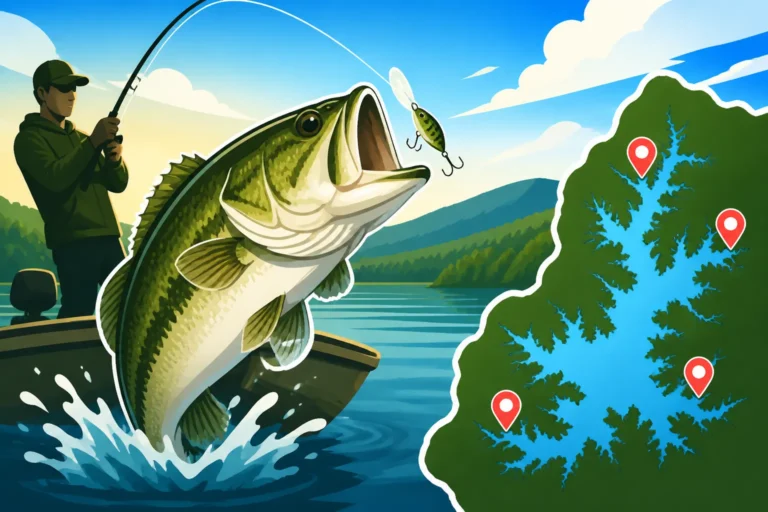
While Lake Anna has countless nooks and crannies that hold bass, some coves consistently outshine the rest due to their perfect blend of depth, cover, and forage. These are the spots where you'll want to focus your efforts.
The Goldmine of Sturgeon Creek
Sturgeon Creek is, without a doubt, one of Lake Anna's most legendary largemouth bass producers, and for good reason. This massive creek arm on the lower end of the lake offers an incredible diversity of habitat. As you venture into Sturgeon, you'll immediately notice the numerous secondary coves, points, and humps that break up its main body. The creek is known for its extensive hydrilla beds that can stretch for acres, especially in the shallower flats during warmer months. These dense weed lines are absolute magnets for baitfish and, consequently, for bass seeking an easy meal or refuge.
Anglers often target the grass lines here with spinnerbaits, crankbaits, or Texas-rigged worms. Look for pockets within the grass or subtle changes in depth along its edges. During the pre-spawn and spawn, the very backs of Sturgeon Creek's numerous smaller coves become prime targets, with bass moving into shallow, protected areas to build nests. Even in winter, the deeper channels and brush piles within Sturgeon Creek can hold impressive numbers of largemouth, especially if you can locate schools of bait. It’s a vast area, so don’t be afraid to explore, but pay close attention to depth changes, isolated cover, and the presence of shad. Many successful fishing trips on Lake Anna, especially for bass, start right here in Sturgeon Creek.
The Seclusion of Contrary Creek
Contrary Creek, located on the upper end of the lake, offers a different, yet equally productive, experience for largemouth bass anglers. While it might not boast the sheer size of Sturgeon, Contrary Creek is known for its excellent blend of deep and shallow water, making it a fantastic year-round option. The creek features numerous steep, rocky banks interspersed with shallower flats and plenty of submerged timber, especially in its middle and upper sections. This diverse bottom contour means bass can easily transition between deep-water sanctuaries and shallow feeding grounds throughout the seasons.
During the cooler months, the rock walls and deeper channel edges are excellent places to throw a jig or a shaky head, targeting bass that are relating to hard structure. As temperatures warm, the shallower pockets and points within Contrary Creek come alive with activity. You'll find docks, laydowns, and sparse grass providing excellent cover. Finesse techniques, like drop-shotting, can be highly effective around these structures, especially when bass are pressured. One of the unique aspects of Contrary Creek is its slightly clearer water compared to some other parts of the lake, which often means longer casts and more subtle presentations can pay off handsomely. It’s a great spot to find good quality bass that might be less affected by heavy boat traffic.
The Diverse Depths of Pamunkey Creek
Pamunkey Creek, situated on the middle to upper end of Lake Anna, is another exceptional largemouth bass destination, known for its significant depth variations and diverse habitat. This creek arm offers a mix of residential areas with numerous docks and boathouses, alongside more natural stretches of timber, rock outcroppings, and submerged humps. The main channel of Pamunkey can get quite deep, providing excellent wintering and summer refuge for bass, while its many secondary coves and pockets offer ideal spawning and feeding grounds.
Anglers exploring Pamunkey Creek should focus on the transition areas where depth changes rapidly, such as points extending into the main channel or ledges near residential docks. Flipping jigs or pitching Texas-rigged plastics around dock pilings and brush piles can be incredibly effective, especially on sunny days when bass seek shade. In the spring, the backs of Pamunkey’s many coves will be brimming with shallow-water action, as bass move up to spawn. Don't overlook the deep-water humps and brush piles that are often marked by locals; these can hold huge schools of bass during inactive periods. The sheer variety of cover and depth in Pamunkey Creek means you can employ a wide range of techniques, making it a truly versatile and rewarding bass fishing location.
Other Productive Coves to Explore
While Sturgeon, Contrary, and Pamunkey are often highlighted for their consistent bass production, Lake Anna has many other fantastic coves that are well worth your time. The trick is often to look for similar characteristics – good forage, diverse structure, and protection from the main lake’s elements. For instance, Terry’s Run is another popular spot, known for its grass beds and numerous docks. It fishes very similarly to the smaller coves within Sturgeon and can be excellent during the spawn and post-spawn periods.
Further up the lake, Ware Creek and Plentiful Creek offer expansive areas with plenty of timber, some scattered grass, and ample points. These creeks can be less pressured than the more famous spots, offering a chance at quality fish if you're willing to explore. Look for areas where submerged timber meets a depth change, or where a slight current might bring in baitfish. Even smaller, unnamed pockets between these larger creeks can hold surprise bass, especially if they have some visible cover like a fallen tree or a rocky bank. Don't be afraid to pull out a map and identify areas with good contour lines and access to deeper water, as these often reveal hidden gems for largemouth bass. Many experienced anglers find excellent guides through services like FishingBooker who can show them some of these lesser-known, yet highly productive, spots. If you're looking to explore other species while you're out, these same coves can also be great for finding Best Crappie Fishing Spots on Lake Anna, Virginia or even some monster Best Catfish Holes on Lake Anna, Virginia.
Key Techniques and Tips for Lake Anna Bass Coves
Once you've identified a promising cove, knowing how to approach it and what presentations to use will significantly impact your success rate. Lake Anna's diverse habitats demand a versatile angling approach.
Mastering the Shallow Water Game
Fishing the shallow coves of Lake Anna, especially during the spring and fall, requires a keen eye and precise presentations. Largemouth bass will often be found in water as shallow as one to five feet, particularly when they're actively feeding or spawning. When targeting these areas, look for visual cues like submerged grass lines, fallen trees (laydowns), dock pilings, and rocky shorelines. These are classic ambush points. A good strategy is to start by throwing moving baits like spinnerbaits or shallow-diving crankbaits parallel to grass edges or dock lines to cover water quickly and locate active fish. If you get a strike or see a fish, slow down and work the area more thoroughly.
For more precise presentations around dense cover, pitching and flipping jigs or Texas-rigged soft plastics (like creature baits or worms) are incredibly effective. The goal is to drop your bait quietly into tight spots where bass are likely hiding, such as under boat lifts, deep within a brush pile, or right against a seawall. Use a heavier weight (3/8 oz or 1/2 oz) to penetrate dense cover and maintain bottom contact. Remember, the retrieve in these situations is often very slow; let the bait sit, twitch it, and wait for that tell-tale "thump." This patience often pays off with some of the biggest bass, as these shallow hideouts often house the lake's largest residents, particularly in the Bass Spawn Timing on Virginia Lakes period. For even more detailed insights into this crucial period, consider our guide on How to Catch Bass in Spring Before the Spawn.
Deep Water Presentations and Structure Fishing
While shallow fishing is exciting, Lake Anna's largemouth bass often retreat to deeper waters, especially during the extreme heat of summer or the cold of winter. This is where your electronics become your best friend. Start by idling over suspected deep-water structures like humps, ledges, creek channel bends, and submerged roadbeds, using your sonar to identify baitfish schools and solid bass arches. Once you’ve marked fish or promising structure, you can precisely drop your baits.
Jigs, shaky heads, Carolina rigs, and deep-diving crankbaits are staples for deep-water bass. For jigs and shaky heads, focus on feeling every rock, stump, or branch on the bottom. Often, bass will position themselves just off these structures, waiting to ambush prey. A Carolina rig is excellent for covering expansive deep flats, allowing your bait to float enticingly above a heavy weight. When you find a school of bass congregated on a hump or a submerged point, a deep-diving crankbait can quickly elicit reaction strikes. Don’t be afraid to experiment with different retrieve speeds and pauses. Remember, deep-water bass can be more lethargic, so sometimes a slow, methodical presentation is all it takes to entice a bite. You might want to consider checking out a guide from FishingBooker who specializes in deep-water techniques for Lake Anna, as they can provide invaluable insights into the specific ledges and humps that hold fish. Sometimes, getting to these prime locations means utilizing the right Boat Ramps on Lake Anna for Fishing Access to launch your vessel efficiently.
Essential Lures and Baits for Lake Anna Bass
Having the right tackle in your boat for Lake Anna’s diverse largemouth bass coves is crucial. For covering water and exciting active fish, spinnerbaits and chatterbaits are excellent choices, especially when fishing parallel to grass lines or around docks. Their flash and vibration can draw strikes from a distance. For slightly deeper or stained water, a squarebill crankbait that deflects off cover is deadly in the shallows, while deep-diving crankbaits excel when bass are holding on main lake points or creek channel ledges.
When the bite gets tough, or you're targeting heavy cover, Texas-rigged soft plastics are indispensable. Worms, creature baits, and senkos rigged weedless can be pitched into nearly impenetrable cover without snagging. Use a 3/16 to 1/2 ounce bullet weight depending on the depth and density of the cover. For more intricate presentations, learning How to Fish a Plastic Worm for Bass can be a game-changer, allowing you to mimic natural forage with subtle movements. For finesse applications, a drop shot rig with a small worm or creature bait is perfect for suspended bass or those unwilling to commit to a faster presentation. Similarly, understanding How to Fish a Jig for Largemouth Bass opens up a world of possibilities for targeting fish in heavy cover or deeper water. Finally, don't underestimate the power of a good jig – whether it's a casting jig for flipping docks or a football jig for dragging across deep structure. Having a diverse selection of these Best Bait for Largemouth Bass in Virginia in various colors will significantly increase your success on Lake Anna.
Best Times and Conditions to Fish Lake Anna Coves
Timing and environmental factors play a huge role in largemouth bass behavior. Being aware of the seasonal patterns and how weather impacts the bite will help you maximize your time on the water.
Seasonal Strategies for Largemouth Bass
Lake Anna offers fantastic largemouth bass fishing year-round, but your approach needs to shift with the seasons. Spring is arguably the most exciting time, as bass move into the coves for the spawn. During the Pre-Spawn Bass Fishing Tips, target points and secondary pockets leading into spawning flats with jerkbaits, spinnerbaits, and lipless crankbaits. Once the water temperature is consistently in the mid-60s, bass will be on beds in the very backs of the coves, making sight-fishing with soft plastics a popular, albeit challenging, technique.
Summer brings hot weather, and bass often move deeper to find cooler, more oxygenated water. Focus on fishing early mornings, late evenings, or even at night. Look for bass relating to deep docks, main lake points, and creek channel drops using deep crankbaits, jigs, and Carolina rigs. When fall arrives, bass become incredibly active, gorging themselves on baitfish in preparation for winter. This is a prime time for power fishing with topwaters, crankbaits, and spinnerbaits in the backs of coves where shad congregate. Finally, winter can be tough, but rewarding. Bass will typically be schooled up in deeper creek channels, on main lake humps, or near thermal discharge areas. Slow-rolling jigs, blade baits, and suspending jerkbaits are key. Understanding these seasonal shifts is fundamental to consistently catching largemouth bass on Lake Anna.
Understanding Weather and Water Temperature
Largemouth bass are highly sensitive to changes in weather and water temperature, and mastering these factors is crucial for success in Lake Anna's coves. Generally, bass prefer stable weather patterns. A sudden cold front can shut down a hot bite, pushing fish deeper and making them less aggressive. Conversely, warming trends, especially in spring, trigger fish to move shallower and become more active. Cloudy, overcast days with a light chop on the water are often ideal for power fishing with moving baits, as the reduced light penetration makes bass feel more secure.
Water temperature is perhaps the most critical factor. In spring, as water temperatures rise into the 50s and 60s Fahrenheit, bass begin their pre-spawn migration into the coves. The spawn itself typically occurs when temperatures are consistently in the mid-60s. During summer, when surface temperatures soar into the 80s, bass will seek thermal refuge in deeper, cooler water or tight to shade. In fall, as water temperatures drop into the 60s and 50s, bass go on a feeding frenzy. Knowing these temperature ranges for Virginia Fishing Seasons Explained helps you predict where bass will be and what they'll be doing. Pay attention to local lake reports and use a reliable thermometer on your boat; these tools provide invaluable insights into the daily conditions and help you plan your attack on Lake Anna's prime bass coves.
Here's a useful table summarizing key characteristics and fishing tips for the top Lake Anna bass coves:
| Cove Name | Primary Features | Key Baits/Techniques | Best Seasons | Target Depth | Notes |
|---|---|---|---|---|---|
| Sturgeon Creek | Expansive hydrilla beds, numerous secondary coves, points, humps. | Spinnerbaits, Texas-rigs, Crankbaits | Spring, Fall, Summer | 2-15 feet | Excellent for covering water. Look for grass lines and pockets. Great during spawn. |
| Contrary Creek | Steep rocky banks, submerged timber, clearer water, deep/shallow mix. | Jigs, Shaky heads, Drop shots, Finesse Worms | Year-round | 5-25 feet (and deeper) | Good for pressured fish. Focus on rock transitions and timber. |
| Pamunkey Creek | Significant depth variations, docks, brush piles, main channel. | Flipping jigs, Texas-rigs, Deep Crankbaits | Spring, Summer, Fall | 3-30 feet (and deeper) | Diverse structure. Fish docks and brush piles. Excellent during heat of summer for deep fish. |
| Terry's Run | Grass beds, numerous docks, protected pockets. | Spinnerbaits, Shallow Crankbaits, Soft Plastics | Spring, Fall | 2-10 feet | Similar to Sturgeon's smaller coves. Productive during spawn and post-spawn. |
| Ware Creek | Timber, scattered grass, points, less pressure. | Jigs, Texas-rigs, Spinnerbaits | Spring, Fall, Winter | 5-20 feet | Good for exploring. Look for timber near depth changes. |
Disclaimer
Please note that fishing conditions, regulations, and fish behavior can change. Always consult the latest Virginia Department of Wildlife Resources (DWR) regulations before fishing. This guide provides general information and recommendations, and individual results may vary.