Fishing Spots Near Virginia Beach
Oh, the joy and sometimes the sheer overwhelm of trying to figure out where to cast a line near Virginia Beach! You're standing in one of the most incredible angling hubs on the East Coast, but with so much water – from the vast Atlantic to the intricate Chesapeake Bay and its tributaries, and even serene freshwater lakes – it's easy to feel a bit lost on where to start. This guide is here to cut through the confusion, helping you discover the absolute best fishing spots around Virginia Beach, no matter what kind of angler you are or what fish you're dreaming of reeling in.
Navigating the Abundant Fishing Opportunities Near Virginia Beach
Virginia Beach isn't just a destination for sunbathers and boardwalk strollers; it's a paradise for anglers, offering an unparalleled diversity of fishing experiences. From the crashing waves of the open ocean to the calm, brackish estuaries and tranquil inland lakes, the variety can be a blessing and a curse. You've got options galore, but knowing which one aligns with your fishing goals for the day is often the biggest hurdle.
The Allure of Virginia Beach's Waters
Imagine stepping onto a pier with the salty breeze on your face, watching a sunrise paint the sky, knowing that a host of exciting species like croaker, spot, bluefish, or even flounder might be waiting just below the surface. Or picture yourself launching a kayak into a quiet back bay, paddling through marsh grass, hoping for a lurking speckled trout or a hard-fighting red drum. This region truly has it all, thanks to its unique geographical position where the Atlantic Ocean meets the Chesapeake Bay, and countless rivers and creeks feed into this rich ecosystem.
However, with great variety comes great responsibility – or at least, great decision-making. Are you geared up for offshore trolling for tuna and mahi, or are you dreaming of a peaceful afternoon chasing largemouth bass on a quiet lake? Each type of water and every season brings different opportunities and challenges. It’s not just about finding a spot; it’s about finding the right spot for you and your crew on any given day. The sheer number of choices can be daunting, but that's where a little local insight, like what we're sharing here, becomes invaluable.
Why Local Knowledge is Key
Fishing, especially in a dynamic area like Virginia Beach, is rarely a "one size fits all" endeavor. The successful angler understands that tides, moon phases, water temperature, recent weather patterns, and even bait availability all play a massive role in whether you go home with a cooler full of fish stories or an actual cooler full of fish. What worked yesterday might not work today, and what works in the Lynnhaven Inlet might be totally different from what works at the Chesapeake Bay Bridge-Tunnel.
That’s why tapping into local knowledge, whether it’s from bait shop proprietors, seasoned charter captains, or fellow anglers, is so crucial. They’ve spent countless hours on these waters, learning the nuances, the secret spots, and the subtle cues that indicate a good bite. Without this kind of insight, you might find yourself casting into barren waters when just a mile away, the fish are biting like crazy. Understanding the local regulations, like those covered in our comprehensive guide on Virginia Fishing Regulations Explained, is also paramount, as rules can change seasonally or by specific water body, especially for popular species like striped bass.
Prime Saltwater Destinations Right in Your Backyard (Virginia Beach Itself)
When you think "Virginia Beach fishing," your mind probably jumps straight to the ocean. And for good reason! The immediate Virginia Beach area offers fantastic saltwater opportunities, from easy-access piers to exhilarating surf fishing and productive inshore bays. You don't always need a big boat to get in on the action here.
Pier Fishing for Everyone
Pier fishing is arguably one of the most accessible ways to experience saltwater angling, especially if you're visiting or don't own a boat. Virginia Beach boasts several fantastic piers that extend out into the Atlantic or calmer bay waters, offering a unique perspective and a chance to catch a wide variety of fish. You can walk out, drop a line, and enjoy the ocean air without needing much gear beyond a rod, reel, and some bait.
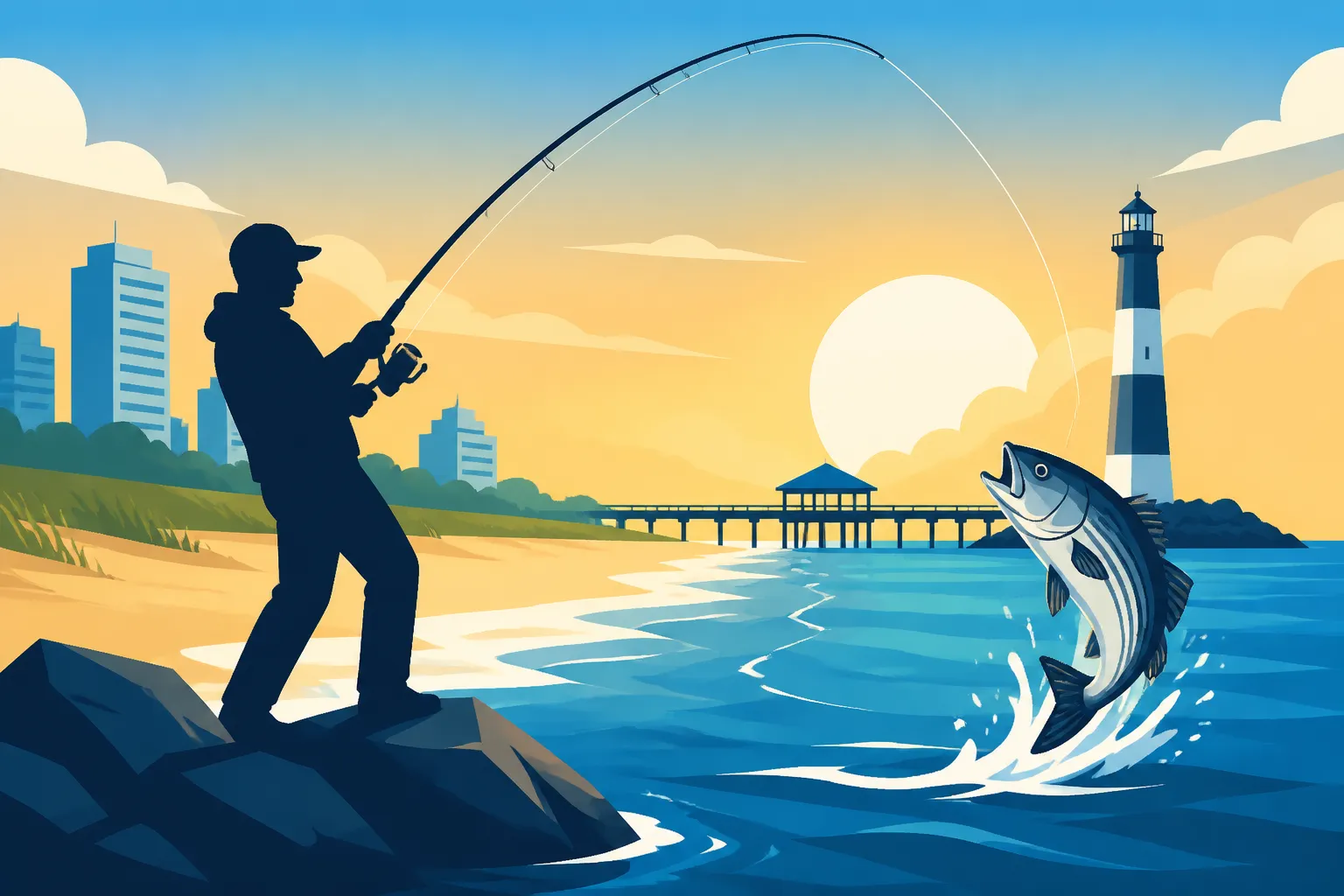
The Virginia Beach Fishing Pier (often simply called the Virginia Beach Pier) is right in the heart of the action, stretching 1,000 feet into the Atlantic from the boardwalk. It's a lively spot, often open 24/7 during peak season, and you can rent rods, buy bait, and even grab a snack right there. Anglers here regularly pull in croaker, spot, kingfish (whiting), bluefish, flounder, and even Spanish mackerel or cobia when they're running. You'll find families fishing alongside seasoned pros, all enjoying the convenience and excitement. If you're wondering, "Do you need a license to fish from a pier in Virginia?", generally, the pier fee often covers a blanket license for fishing from that specific structure, making it incredibly easy for visitors to participate.
Further south, the Little Island Park Fishing Pier offers a slightly quieter, family-friendly atmosphere. This pier is also an excellent choice, extending into the Atlantic and providing opportunities for similar species, plus a chance at red drum or speckled trout, especially during transitional seasons. Both piers usually have staff on hand who can offer advice on what's biting and what bait to use. These piers really are among the Best Pier Fishing Spots on the Chesapeake Bay tributaries and along the open coast.
Surf Fishing the Dynamic Coastline
For those who love the rhythmic sound of waves and the thrill of a fight with a strong fish from the sand, surf fishing along Virginia Beach's miles of coastline is an absolute must. It’s a different kind of challenge, requiring a bit more patience and specialized gear, but the rewards can be immense. You're casting into the natural feeding grounds of many popular species, often without the crowds of a pier.
Target species from the surf include croaker, spot, pompano, kingfish, bluefish, and various drum species like red drum (especially the smaller "puppy drum") and black drum. In the colder months, even striped bass can be caught. The key to successful surf fishing often lies in understanding the subtle underwater geography – looking for sloughs, troughs, and cuts where fish might congregate to feed. Fresh bait, such as bloodworms, cut bait (like mullet or bunker), or clam, is usually the ticket.
Accessible spots abound, from the northern stretches near Fort Story to the quieter areas near Sandbridge. Always be mindful of swimming zones and local regulations regarding where and when you can cast a line. For the best tips and locations, check out our guide on the Best Surf Fishing Spots in Virginia Beach, which delves into specific access points and techniques for a successful day battling the waves.
Inshore Charters and Kayak Hotspots
Beyond the piers and surf, Virginia Beach's intricate network of inlets and back bays offers incredible inshore fishing opportunities, perfect for smaller boats or kayaks. These calmer, shallower waters are nurseries for many species and provide shelter from the open ocean swells, making for a comfortable and often very productive day.
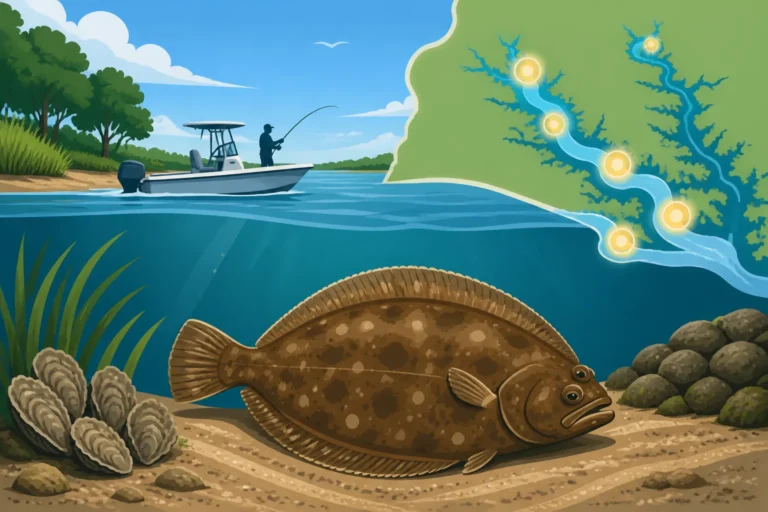
Rudee Inlet and Lynnhaven Inlet are two of the most popular inshore fishing grounds. These areas are tidal and brackish, meaning they blend freshwater and saltwater, creating a unique habitat. Here, you're likely to find flounder, speckled trout, red drum, white perch, and even juvenile striped bass. Kayak anglers particularly love these inlets for their calm waters and ability to reach shallow areas that larger boats can't access. Casting artificial lures like soft plastics or working live shrimp or minnows are effective strategies here.
For those who prefer a guided experience or don't have their own boat, countless inshore charter operations work out of these inlets. They provide all the gear, bait, and most importantly, the local expertise to put you on the fish. A half-day inshore charter can be an excellent way to explore these productive waters and learn the ropes. If you're considering a guided trip, our comprehensive guide on Virginia Beach Fishing Charters and Trip Costs can give you a clear picture of what to expect and how to book your adventure.
Exploring the Chesapeake Bay's Bounty
Just north of Virginia Beach, the vast expanse of the Chesapeake Bay opens up, offering entirely different and often spectacular fishing opportunities. This estuary is a world-class fishery, famous for its striped bass (or "rockfish" as locals call them), but also holding a treasure trove of other species.
Nearshore Reefs and Wrecks
The Chesapeake Bay and the nearshore Atlantic waters off Virginia Beach are home to an extensive system of artificial reefs and natural wrecks. These structures provide essential habitat for marine life, attracting baitfish and, consequently, the predatory species that anglers love to target. These spots are fantastic for bottom fishing and jigging, often yielding a diverse catch.
Common species found around these reefs and wrecks include tautog, spadefish, black sea bass, flounder, and sometimes even sheepshead. Tautog, in particular, are notorious structure dwellers, requiring specialized techniques and stout tackle to pull them out of their rocky homes. Black sea bass are another popular target, offering fast action and delicious table fare. You'll need a boat to access these spots, and a good fish finder can be invaluable for locating the structures. Many local fishing clubs and the Virginia Marine Resources Commission (VMRC) publish coordinates for these artificial reefs, making them accessible to recreational boaters.
Famous Structures: The Chesapeake Bay Bridge-Tunnel
No discussion of fishing near Virginia Beach would be complete without revering the Chesapeake Bay Bridge-Tunnel (CBBT). This engineering marvel spans 17.6 miles and acts as a massive artificial reef system, drawing in an incredible array of fish species throughout the year. It's truly a world-renowned fishing destination, and many anglers consider a trip to the CBBT a bucket-list experience.
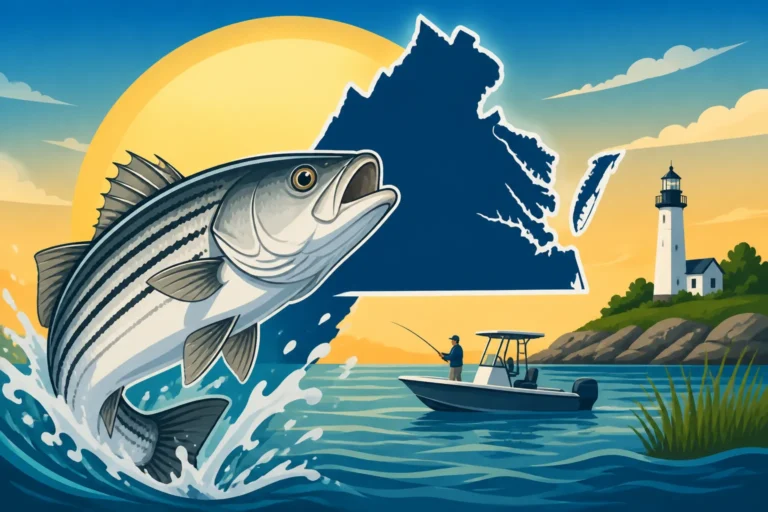
The CBBT is a hotspot for many species, but it truly shines for flounder, tautog, and of course, striped bass. The pilings, rock islands, and tunnel tubes create complex currents and shelter, attracting baitfish and larger predators. During the spring and fall migrations, the CBBT becomes an epic battleground for trophy-sized striped bass. Anglers target them with live bait (like eels or spot), various jigs, or by trolling plugs. Flounder are often found near the pilings and underwater ledges, requiring precise jigging or drifting techniques.
Fishing the CBBT requires caution due to strong currents and heavy boat traffic. Always be aware of your surroundings and adhere to navigation rules. For an in-depth look at chasing the most iconic fish here, our Chesapeake Bay Striped Bass Fishing Guide offers invaluable insights into seasons, tactics, and regulations specific to these coveted "rockfish" around the CBBT.
Tributaries and Estuaries for Diverse Catches
While the main bay offers vast open waters, the numerous rivers and estuaries that feed into the Chesapeake Bay near Virginia Beach provide a different flavor of fishing. These tidal rivers offer a mix of freshwater and brackish environments, supporting an incredible diversity of fish species and offering calmer waters, often ideal for smaller boats or even bank fishing.
The James River, the York River, and the Elizabeth River are prime examples. The lower reaches of these rivers, closer to the bay, are excellent for saltwater species like striped bass, white perch, croaker, and speckled trout. As you move further upstream, the water gradually becomes fresher, and you'll start encountering more freshwater species such as largemouth bass, catfish, and sunfish. This transition zone is particularly interesting for anglers as you might catch both types of fish in the same outing!
Fishing these tidal rivers can involve anchoring near structure, drifting with the current, or casting along shorelines and marsh edges. Many public boat ramps and fishing piers provide access. For specific strategies on navigating these waters, consider diving into guides like Fishing the James River in Virginia or Fishing the York River in Virginia, which offer tailored advice for these incredibly productive river systems.
Freshwater Retreats Just a Short Drive Away
While Virginia Beach is famous for its saltwater scene, sometimes you just crave the quiet solitude of a freshwater lake or the challenge of reeling in a feisty largemouth bass away from the tides. Luckily, some excellent freshwater options are just a stone's throw from the coast, offering a peaceful alternative.
Lake Smith and Lake Whitehurst
Nestled right within the city limits of Norfolk, a short drive from Virginia Beach, are Lake Smith and Lake Whitehurst. These interconnected reservoirs are drinking water sources for the city, meaning they are well-maintained and offer surprisingly productive freshwater fishing. They provide a stark contrast to the vastness of the ocean, giving anglers a calm, serene environment to pursue a different set of species.
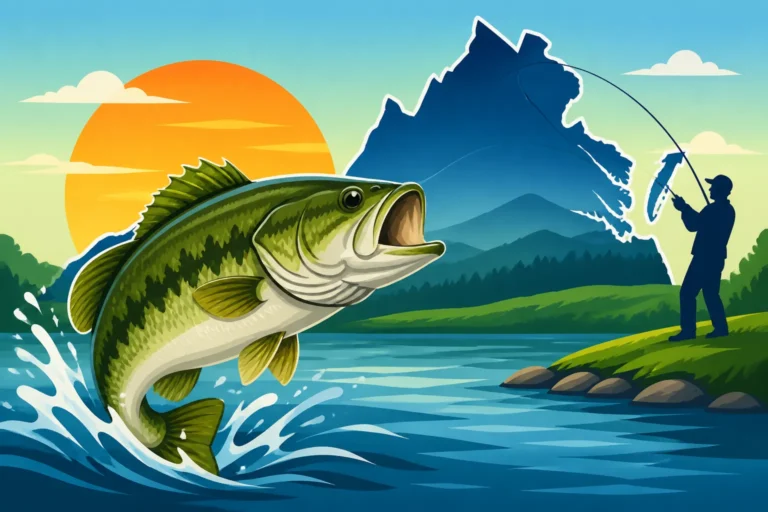
Both lakes are renowned for their healthy populations of largemouth bass. Anglers often target them around submerged structures, lily pads, and fallen timber using popular bass lures like plastic worms, spinnerbaits, and crankbaits. Crappie fishing can also be excellent, particularly in the spring and fall, with anglers often jigging small minnows or artificial baits around brush piles and docks. Channel catfish are abundant and provide great action, especially during warmer months, often biting on stink baits or cut bait fished on the bottom.
Access to these lakes is typically managed through specific boat ramps, often requiring a small launch fee and adherence to motor size restrictions (electric motors are usually preferred or required). They're fantastic spots for a quiet morning or afternoon, providing a wonderful escape from the saltwater hustle.
Stumpy Lake and Northwest River
For an even more secluded freshwater experience, venture slightly further west to Stumpy Lake or south to the Northwest River. These spots offer a different kind of beauty and a true taste of coastal plain freshwater fishing.
Stumpy Lake is a natural lake located in southern Virginia Beach, and it lives up to its name with plenty of submerged stumps and timber, making it a fantastic habitat for largemouth bass and crappie. Its undeveloped shorelines and minimal boat traffic create a truly peaceful atmosphere. It's an excellent spot for kayak or canoe fishing, allowing you to quietly explore the countless coves and shallow areas where fish like to hide. The stumps provide ample structure for bass, and flipping jigs or soft plastics into these areas can be very productive. Crappie will often suspend around the deeper timber, requiring a sensitive touch with light tackle.
The Northwest River, flowing through Chesapeake, Virginia, offers a classic blackwater river fishing experience. This slow-moving river winds through cypress swamps and dense forest, creating a wild, scenic backdrop for your fishing trip. The dark, tannin-stained waters are home to robust populations of largemouth bass, chain pickerel, various sunfish, and a good number of channel and even flathead catfish. The pickerel, in particular, can offer explosive strikes on spinnerbaits or shallow-running crankbaits. Access is available via public boat ramps, with kayaks and smaller jon boats being ideal for navigating its narrower sections and oxbow lakes. Both Stumpy Lake and the Northwest River provide a unique, tranquil freshwater adventure close to the bustling Virginia Beach coastline.
Planning Your Virginia Beach Fishing Adventure
So, you're ready to hit the water! Before you grab your rods and dash out the door, a little planning can go a long way in ensuring a successful and enjoyable fishing trip around Virginia Beach. From having the right gear to understanding local rules and knowing when to cast your line, these considerations are crucial.
Essential Gear and Bait Considerations
The type of fishing you plan to do will dictate your gear. For pier or surf fishing, a medium-heavy rod (7-10 feet) with a spinning reel spooled with 15-30 lb monofilament or braid is a good all-around setup. For freshwater bass and crappie, a medium-light to medium action spinning or baitcasting rod (6-7 feet) with 8-12 lb line is more appropriate. Offshore, you’ll need much heavier gear for bigger game, which most charters provide.
Bait is another critical factor. Live bait is often king, especially for finicky fish. For saltwater, popular options include live minnows (for flounder, speckled trout), bloodworms (for croaker, spot), and live or cut mullet (for drum, bluefish). For freshwater, worms, minnows, and various dough baits work well for panfish and catfish, while artificial lures dominate the bass scene. Always check with a local bait and tackle shop like Lynnhaven River Bait & Tackle or Ocean's East Tackle for the freshest bait and current hot lures – they’re a treasure trove of real-time information.
Understanding Licenses and Regulations
This is absolutely non-negotiable. Fishing without the proper license can lead to hefty fines and ruin your day. Virginia has specific requirements for both freshwater and saltwater fishing, and sometimes a combination license is the most convenient option. Generally, anyone 16 years or older needs a license to fish in Virginia, with some exceptions like those fishing on licensed piers or during free fishing days.
You can easily obtain a license online through the Virginia Department of Wildlife Resources (DWR) website, at a local sporting goods store like Dick's Sporting Goods, or at many bait and tackle shops. Be sure to understand if you need a Freshwater and Saltwater Fishing Licenses in Virginia or a specific type. Our Virginia Fishing License Guide is an excellent resource for all the ins and outs, including who needs one and How to Get a Fishing License in Virginia. Always double-check the current regulations for catch limits, size restrictions, and seasons for the specific species you're targeting. These rules, often explained in our Virginia Fishing Regulations Explained articles, are put in place to protect fish populations and ensure healthy fisheries for generations to come.
When to Go: Tides, Seasons, and Weather
Timing is everything in fishing, and Virginia Beach is no exception. Saltwater fishing, in particular, is heavily influenced by the tides. Moving water, whether incoming or outgoing, often triggers feeding frenzies as baitfish are washed out of cover or carried into new feeding zones. Consulting a local tide chart is as important as checking the weather forecast.
Seasonally, Virginia Beach offers year-round fishing, but the target species change dramatically. Spring brings flounder, speckled trout, and the first runs of striped bass and drum. Summer is hot for Spanish mackerel, spadefish, cobia, and bottom fish like croaker and spot. Fall is a prime time for the epic striped bass migration, red drum, and tautog. Even winter offers opportunities for striped bass (often in deeper waters) and tautog around structure. To maximize your chances, consult our Virginia Fishing Seasons Explained to align your trip with the peak seasons for your desired catch. Our guide on the Best Times to Fish in Virginia Throughout the Year can help you pinpoint the perfect window for your visit.
Leveraging Local Expertise: Guides and Charters
For many, especially visitors or those new to the area, the best way to experience fishing near Virginia Beach is to book a trip with a local guide or charter. These professionals live and breathe fishing, spending countless days on the water. They know exactly where the fish are, what they’re biting on, and how to get them in the boat.
Hiring a guide takes all the guesswork out of your trip. They provide the boat, all the necessary gear, bait, and invaluable knowledge, dramatically increasing your chances of success. It's an investment, but it's often worth every penny, turning a potentially frustrating day into an unforgettable adventure. Whether you're targeting trophy striped bass on the Chesapeake Bay, flounder in the inlets, or largemouth bass in a local lake, there’s a guide for every type of fishing. Many guides operate through booking platforms like FishingBooker, which makes finding and comparing local captains incredibly easy. You can read reviews, see what they specialize in, and book directly, ensuring you find the perfect match for your Virginia Beach fishing aspirations.
| Fishing Spot | Type of Water | Primary Species Targeted | Best for | Accessibility (Boat/Shore) |
|---|---|---|---|---|
| Virginia Beach Pier | Atlantic Ocean | Croaker, Spot, Bluefish, Flounder | Casual, Families, Easy | Shore (Pier) |
| Little Island Pier | Atlantic Ocean | Croaker, Spot, Drum, Flounder | Families, Quieter | Shore (Pier) |
| Virginia Beach Surf | Atlantic Ocean | Drum, Croaker, Bluefish, Striped Bass | Adventurous, Patient | Shore (Beach) |
| Rudee Inlet | Inshore/Estuary | Flounder, Speckled Trout, Red Drum | Kayak, Small Boat | Boat, Kayak |
| Lynnhaven Inlet | Inshore/Estuary | Flounder, Speckled Trout, Red Drum | Kayak, Small Boat | Boat, Kayak |
| Chesapeake Bay Bridge-Tunnel | Bay/Ocean | Striped Bass, Tautog, Flounder | Serious Anglers, Boat | Boat |
| Lake Smith/Whitehurst | Freshwater Lake | Largemouth Bass, Crappie, Catfish | Tranquil, Families | Boat, Limited Shore |
| Stumpy Lake | Freshwater Lake | Largemouth Bass, Crappie, Panfish | Secluded, Kayak | Boat, Kayak |
| Northwest River | Blackwater River | Largemouth Bass, Pickerel, Catfish | Scenic, Kayak/Canoe | Boat, Kayak/Canoe |
Disclaimer
Please be aware that fishing regulations, seasons, and licensing requirements can change. Always consult the official Virginia Department of Wildlife Resources (DWR) and Virginia Marine Resources Commission (VMRC) websites for the most current and accurate information before planning your fishing trip. This guide is for informational purposes only and should not be considered a substitute for official government resources.