Smith Mountain Lake Fishing Guide
Smith Mountain Lake, with its sprawling 500 miles of shoreline and crystal-clear waters, often feels like a beautiful enigma to anglers. Whether you're a seasoned pro or just dipping your toes into Virginia's fishing scene, the sheer size and diverse ecosystems can make knowing where to cast your line feel overwhelming. This comprehensive guide is designed to cut through that confusion, equipping you with the local knowledge and expert tips you need to confidently explore and conquer the bountiful waters of Smith Mountain Lake.
Understanding Smith Mountain Lake's Unique Fishery
Smith Mountain Lake, affectionately known as SML, isn't just another body of water; it's a reservoir with a fascinating history and a meticulously managed fishery. Carved out by the Roanoke River and Blackwater River, this hydroelectric lake boasts incredible depth and structure, creating a dynamic environment for a wide array of fish species. Understanding its characteristics is the first step to unlocking its angling potential.
A Deep Dive into the Lake's Geography and Structure
Imagine a winding, intricate puzzle of submerged river channels, vast open waters, and countless coves – that's SML. The lake was formed in 1963 by damming the Blackwater and Roanoke Rivers, and those original riverbeds now serve as prime deep-water highways for fish. You'll find depths plunging over 200 feet in some areas, especially near the dam, contrasting sharply with shallow, hydrilla-choked coves in the upper reaches.
The lake floor itself is a treasure trove of structure. There are steep rocky bluffs, long sloping points, humps, ledges, and an abundance of standing timber and brush piles. This diverse topography provides endless ambush points and hiding spots for prey, which, in turn, attracts predatory fish. Understanding contours and transitions from shallow to deep is paramount here. A good topographical map or a reliable fish finder is your best friend. Look for abrupt changes in depth, submerged roadbeds, old foundations, and of course, the main river channels themselves, particularly where they intersect with points or humps. These transitions often act as fish magnets, especially during seasonal migrations.
Key Fish Species You'll Encounter
SML is famous for its diverse and robust fish populations. While it’s renowned as a premier striped bass fishery, there’s so much more to discover. For a detailed exploration of all the finned inhabitants, be sure to check out our Smith Mountain Lake Fish Species Guide.
- Striped Bass (Stripers): These hard-fighting fish are the undisputed kings of SML. They thrive in the lake's deep, cool waters and are actively pursued year-round. You'll find them roaming open water, chasing baitfish (primarily threadfin and gizzard shad), and congregating around main lake points, humps, and submerged timber.
- Largemouth Bass: SML is also a fantastic largemouth bass destination, known for producing trophy-sized fish. These green giants love the lake's abundant cover, from hydrilla beds and lily pads in shallower coves to docks, brush piles, and rocky shorelines. They are often found in the lake's numerous creek arms and pockets.
- Smallmouth Bass: While not as prevalent as largemouth, smallmouth bass are present, especially in the clearer, rockier areas of the lower lake and near points. They prefer rocky bottoms, humps, and areas with good current.
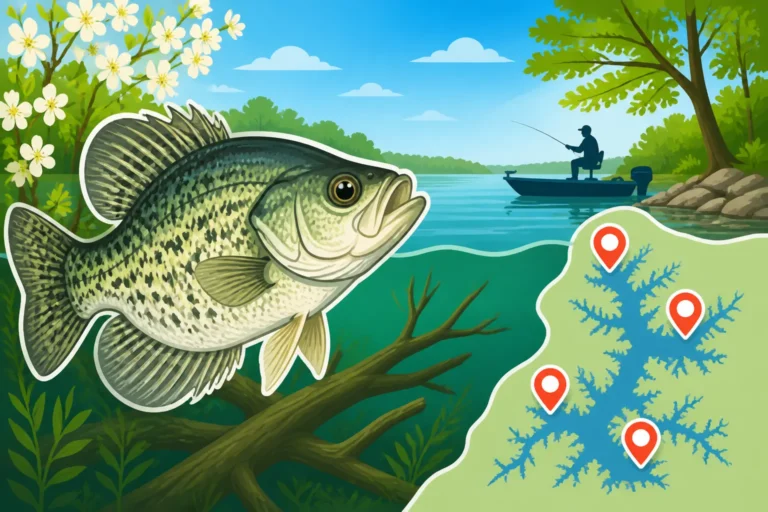
- Crappie: Both black and white crappie call SML home, offering excellent panfishing opportunities. They gravitate towards brush piles, standing timber, and dock pilings, especially during the spring spawn when they move into shallower water.
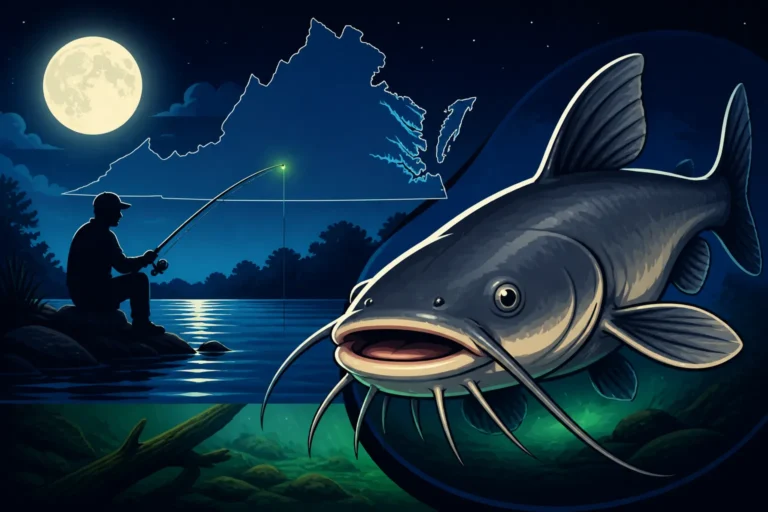
- Catfish: Channel, flathead, and white catfish are all abundant. You can find them in the deeper channels, around submerged structure, and in the muddier backs of creeks. They offer exciting night fishing prospects and can grow to impressive sizes.
- Other Panfish: Bluegill, sunfish, and yellow perch are also common, providing great sport for beginners and kids. They are typically found in shallower, vegetated areas and around docks.
Seasonal Fishing Overview
The fishing on Smith Mountain Lake changes dramatically with the seasons, impacting everything from fish location to preferred baits and techniques. What works in spring will likely fall flat in summer, and vice-versa.
- Spring (March-May): This is a time of transition and high activity. As water temperatures rise, fish move shallower to spawn. Largemouth and crappie are very active in the coves and creek arms. Stripers start to school up and move to main lake points and humps as they transition between wintering grounds and warmer, shallower feeding areas. It’s an exciting time to be on the water.
- Summer (June-August): The heat pushes many fish, especially stripers and larger bass, to deeper, cooler waters. Early mornings, late evenings, and night fishing become highly effective. Look for fish suspended over deep channels or holding tight to deep structure. The open water bite for stripers can be phenomenal with the right electronics.
- Fall (September-November): Many anglers consider fall to be the prime season. As water temperatures cool, baitfish become more active, and predatory fish follow suit, moving shallower to feed aggressively. This is often when the famous "striper run" really kicks off, with large schools chasing bait on the surface. Bass fishing also picks up significantly.
- Winter (December-February): Don't overlook winter fishing! While slower, it can produce some of the biggest fish. Stripers will be in deep water, often schooled tightly, and can be caught by jigging or slow trolling. Largemouth bass will hold on deep structure or move to sunny, protected creek channels. Patience is key.
Essential Gear and Tackle for Smith Mountain Lake
Having the right equipment can make all the difference between a frustrating day and a fantastic one on SML. Given the diverse species and varying depths, a versatile setup is often beneficial, but specialized gear can truly shine for specific targets.
Rods, Reels, and Line for Different Species
Matching your tackle to your target species and preferred technique is crucial. You wouldn't use a delicate panfish rod to battle a 20-pound striper, nor would you enjoy casting tiny crappie jigs with a heavy flipping stick.
- Striped Bass: For trolling or casting large lures to schooling stripers, a medium-heavy to heavy action casting rod, around 7 to 7.5 feet, paired with a robust baitcasting reel spooled with 17-25 lb monofilament or 30-50 lb braided line is ideal. When jigging deep, a sensitive medium-heavy spinning rod with 20-30 lb braid (and a fluorocarbon leader) works wonders to detect subtle bites.
- Largemouth Bass: Most bass anglers will want a selection. A medium-heavy fast-action casting rod (6'10" to 7'4") is a great all-around choice for Texas rigs, jigs, and spinnerbaits, spooled with 15-20 lb fluorocarbon or 30-50 lb braid. A medium-action spinning rod with 8-12 lb fluorocarbon or braid is perfect for finesse techniques like drop-shotting, shaky heads, or lighter crankbaits.
- Crappie: Light tackle is the name of the game for crappie. A sensitive ultralight or light action spinning rod (5 to 7 feet) with a small spinning reel spooled with 4-6 lb monofilament or braid will allow you to feel those gentle bites and enjoy the fight.
- Catfish: For channel catfish, a medium to medium-heavy action spinning or baitcasting rod (7 to 8 feet) with 15-20 lb monofilament is sufficient. For bigger flatheads, step up to a heavy-action rod and 30-50 lb braid, especially if you're fishing around heavy cover.
Lure and Bait Recommendations
The sheer variety of bait and lures available can be overwhelming, but a few staples consistently produce on SML.
- Striped Bass: Live bait is king for many striper anglers. Large gizzard shad, threadfin shad, blueback herring, or even big shiners fished on planer boards, downlines, or freelines are incredibly effective. For artificials, consider bucktail jigs (1-3 oz), swimbaits (like the Zoom Super Fluke or Castaic Baits), spoons (like the Tony Acetta Spoon), and deep-diving crankbaits. When they're schooling on the surface, topwater plugs can provide explosive action. For effective strategies, check out our guide on Smith Mountain Lake Striper Trolling Techniques in Virginia.
- Largemouth Bass: SML bass respond well to a wide array of lures. During the spawn and post-spawn, Texas-rigged worms (like a Zoom Trick Worm or Senko), jigs, and spinnerbaits are excellent for targeting cover. In summer, deep-diving crankbaits, Carolina rigs, and drop shots are effective in deeper water. Topwater frogs and poppers can be thrilling in hydrilla beds. For more specific insights on what to throw, refer to Best Bait for Largemouth Bass in Virginia.
- Crappie: Small jigs (1/16 to 1/8 oz) tipped with a small plastic grub or tube are highly productive. Minnows are also a classic and often irresistible bait for crappie, fished under a bobber or on a tightline.
- Catfish: Fresh cut bait (shad or herring), chicken livers, worms, or stink baits are all excellent choices for catfish. Fish them on the bottom with a Carolina rig or a three-way swivel setup.
Electronics and Boat Setup Considerations
Smith Mountain Lake is a prime example of a fishery where modern electronics can significantly enhance your success. Given its depth and structure, simply "winging it" might lead to a lot of fruitless casting.
- Fish Finder/Sonar: A high-quality fish finder with down imaging and side imaging capabilities is invaluable. It allows you to locate schools of baitfish, identify submerged structure like humps and brush piles, and even pinpoint individual fish. Brands like Humminbird and Garmin offer excellent units that provide detailed views of the underwater world. Understanding how to interpret your sonar screen is a skill that will pay dividends on SML.
- GPS and Mapping: Integrated GPS with detailed lake maps (often preloaded or available as an add-on) is essential for navigation, especially on a large lake like SML. You can mark waypoints for productive spots, follow old river channels, and safely navigate back to the boat ramp. This is particularly useful for finding the Boat Ramps on Smith Mountain Lake Near Roanoke, Virginia or other access points.
- Trolling Motor: A reliable electric trolling motor, preferably with GPS-guided features like "spot-lock" or "anchor mode," can make a huge difference, especially for bass and crappie anglers trying to hold position on a specific piece of structure or along a shoreline.
- Rod Holders: For striper trolling, multiple rod holders are a must to manage several lines with planer boards or downriggers.
- Livewell: A well-aerated livewell is important if you plan to keep your catch, especially for stripers, or if you're fishing tournaments.
Top Fishing Spots and Techniques on SML
Smith Mountain Lake offers such a vast array of fishing spots that it can be daunting to choose where to start. However, certain types of areas consistently hold fish, and knowing the right techniques for those spots will increase your chances dramatically.
Productive Coves and Creek Arms
The numerous coves and creek arms branching off the main lake are often teeming with life, especially during warmer months and the spring spawn. These areas offer more protection from wind and boat traffic, and often have abundant cover.
- Hydrilla Beds: SML is known for its healthy hydrilla growth, particularly in the upper and middle sections of the lake. These submerged grass beds are bass havens. Fish the edges, pockets, and open holes within the hydrilla with Texas-rigged worms, jigs, or weedless frogs. Topwater baits over the top of the grass at dawn and dusk can be explosive.
- Docks and Pontoons: Every dock on SML is a potential fishing spot. Fish congregate under and around docks for shade, cover, and ambush points. Pitch jigs, shaky heads, or weightless worms into the shadows and under the pontoon boats. Crappie often suspend around dock pilings, making them prime targets for vertical jigging or minnows.
- Brush Piles: Many anglers, both recreational and professional, sink brush piles to create artificial structure. These are magnets for crappie, bass, and even stripers. If you have good electronics, search for these underwater treasures. Fish them vertically with jigs, minnows, or drop-shots.
- Creek Channel Bends: Within larger creek arms, the original creek channels snake their way through. Fish often relate to these channel bends and drops. Trolling deep-diving crankbaits along these contours can be effective for bass and stripers, while jigging spoons work well for stripers holding near the bottom.
Deep Water Haunts and Structure Fishing
While shallow water fishing can be exciting, much of SML's magic, especially for larger stripers and summer bass, lies in its deep-water haunts and structure. The main lake points, humps, and river channels are where you'll find these fish.
- Main Lake Points: Points extending into the main lake or large creek arms are high-percentage spots. They act as highways for baitfish and predators. Fish them from shallow to deep with crankbaits, spinnerbaits, or by slow-rolling a jig. For stripers, these points are prime areas to set up trolling spreads or fish live bait on downlines.
- Submerged Humps and Islands: These underwater structures rise from the lake floor and often concentrate baitfish, making them excellent spots for stripers and deep-water bass. Use your electronics to locate these humps and fish them with spoons, deep jigs, or Carolina rigs. Stripers will often suspend above or around these humps.
- River Channels and Drops: The old Roanoke and Blackwater River channels are essential highways for fish, especially during seasonal migrations. Look for fish suspended in the channels or holding along the sharp drop-offs. Trolling with umbrella rigs or deep crankbaits, or jigging with heavy spoons, are effective techniques here.
- Open Water (for Stripers): SML stripers are pelagic, meaning they often roam vast stretches of open water chasing bait. Don't be afraid to leave the shoreline and use your electronics to search for large schools of baitfish and the stripers feeding beneath them. When you find them, live bait on downlines or vertical jigging with spoons can be deadly.
Shoreline and Public Access Spots
Not everyone has a boat, and that's perfectly fine! Smith Mountain Lake still offers excellent opportunities for shore anglers and those without large vessels.
- State Park Access: Smith Mountain Lake State Park offers fantastic shoreline access, a fishing pier, and areas to launch kayaks or canoes. It’s a great spot for families and beginners. You can target crappie, bluegill, and smaller bass from the pier or various points along the shore.
- Bridge Pilings: The numerous bridges crossing SML create excellent fishing opportunities. The pilings provide structure and current breaks that attract baitfish and predators. Cast jigs, crankbaits, or live bait around the pilings. Just be mindful of boat traffic if you're fishing from a boat near a busy bridge.
- Public Boat Ramps and Docks: Many public access points, in addition to boat ramps, have courtesy docks. These can often be fished successfully for crappie, sunfish, and smaller bass, especially in the early mornings or late evenings when boat traffic is low.
- Local Marinas: Some marinas, while private, may offer transient dock fishing or have designated fishing areas. Always check with the marina management before fishing. These spots often hold good numbers of panfish and bass.
Navigating Smith Mountain Lake's Fishing Seasons
Fishing on Smith Mountain Lake is truly a year-round affair, but understanding the nuances of each season is crucial for consistent success. Each period brings unique challenges and rewards, dictating where the fish are and what they're willing to bite.
Spring: Pre-Spawn and Spawn Tactics
As the cold grip of winter loosens, SML truly awakens in spring, offering some of the most exciting fishing of the year. This is a time of transition, with fish moving from their deep wintering holes to shallower spawning grounds.
- Largemouth Bass: The pre-spawn period (March-April) sees bass gorging themselves, moving to main lake points and secondary points within creek arms. They'll readily hit lipless crankbaits, spinnerbaits, and medium-diving crankbaits as they stage. As the water warms further (late April-May), bass move into the shallow backs of coves and protected pockets to spawn. Look for beds in 2-5 feet of water, often near docks or hydrilla. Flipping jigs, creature baits, or slow-falling worms near beds can trigger strikes. After the spawn, they'll be recuperating, often staying shallow but being more hesitant.
- Striped Bass: Stripers in spring are on the move. Early spring finds them deeper in the channels, but as baitfish become active, they'll push onto main lake points and humps. Trolling umbrella rigs or live bait (shad, herring) on planer boards or downlines is highly effective. You might also find them schooling on the surface in the mornings, offering a chance for topwater or spoon action. Remember that the Smith Mountain Lake Striper Fishing Season in Virginia has specific regulations, so always be up-to-date.
- Crappie: Spring is prime crappie time! As water temperatures hit the mid-50s to low-60s, crappie push into shallow water (2-10 feet) to spawn. They'll congregate around brush piles, standing timber, and dock pilings in protected coves. Vertical jigging with small jigs (1/16 oz) tipped with plastic or live minnows under a bobber are deadly techniques. Look for them in the sunnier, warmer sections of the coves.
Summer: Deep Water and Night Fishing
Summer on SML means heat, bright sun, and often, fishing shifts to deeper water or under the cloak of darkness. Don't let the challenging conditions deter you; some of the biggest fish are caught in summer if you adapt your approach.
- Largemouth Bass: With scorching surface temperatures, largemouth often retreat to cooler, deeper water or thick overhead cover. Look for them on deep ledges, humps, and points (15-30+ feet) during the day. Carolina rigs, deep-diving crankbaits, and heavy football jigs can entice bites. Early mornings and late evenings offer a topwater bite around docks and hydrilla. Night fishing for bass can be incredibly productive, using dark-colored jigs, worms, or even noisy topwater baits.
- Striped Bass: Stripers in summer often suspend over the deepest sections of the old river channels, especially in the lower lake where the water stays cooler. They'll follow large schools of baitfish. Your electronics are absolutely essential here. Trolling umbrella rigs or using downlines with live bait (large gizzard shad or herring) are the primary methods. Target humps, deep points, and the main lake basin. The Best Bait for Striped Bass in Chesapeake Bay (and also SML) is usually live bait, especially during summer's heat.
- Catfish: Summer is prime time for catfish! They are active throughout the day and night. Focus on the deeper channels, creek mouths, and areas with submerged timber. Bottom fishing with cut bait, chicken livers, or nightcrawlers is the most common and effective technique. Night fishing for catfish is particularly rewarding.
Fall: The Striper Run and Feeding Frenzy
Fall is arguably the most beloved season for SML anglers, characterized by cooler temperatures, stunning foliage, and aggressive feeding by nearly all species.
- Striped Bass: This is when the legendary "striper run" often begins. As water temperatures drop, stripers become incredibly active, pushing huge schools of baitfish to the surface, creating spectacular feeding frenzies. Look for diving birds, breaking fish, and use your electronics to find the schools. Throw topwater plugs, swimbaits, bucktail jigs, or spoons into the chaos. Trolling with umbrella rigs and live bait on downlines also remains highly effective as they chase bait in deeper water.
- Largemouth Bass: Bass fishing heats up again in fall as largemouth chase baitfish, fattening up for winter. They can be found shallower than in summer, often around main lake points, secondary points, and creek channels. Crankbaits, spinnerbaits, jerkbaits, and jigs are excellent choices. Look for schools of baitfish and target areas where bass can ambush them. You might even catch a How to Catch a Trophy Largemouth Bass at Smith Mountain Lake during this period.
- Crappie: Crappie also become more active in fall, moving from deep summer haunts to structure in creek arms and points. They'll often be found suspended around brush piles or standing timber. Small jigs and minnows remain effective.
Winter: Slow and Steady Wins the Race
Don't put your gear away when winter arrives! While fishing slows down, it can still be very productive, especially for big fish, if you adjust your tactics to match the cold-water conditions.
- Striped Bass: Stripers will typically be found in deep water, often in large, tight schools in the main lake basin or deep creek channels. Vertical jigging with heavy spoons or large bucktail jigs is a primary method. Slow trolling live bait on downlines is also effective. It's about patience and precision here, often targeting fish you see on your electronics.
- Largemouth Bass: Largemouth bass in winter will be lethargic and often relate tightly to deep structure. Look for them on deep points, ledges, and channel swings. Slow presentations are key. Jigs, jigging spoons, and drop shots fished very slowly and deliberately can tempt strikes. Focus on sunny days when the water might warm a degree or two, or target areas with deeper rocks that retain heat.
- Crappie: Crappie can still be caught in winter, often schooled tightly in deep brush piles or standing timber in the creek channels. Vertical jigging with very small jigs or minnows is the most effective approach. Your fish finder is crucial for locating these tight schools.
Planning Your Smith Mountain Lake Fishing Trip
A successful fishing trip to Smith Mountain Lake involves more than just knowing where and how to fish; it requires a bit of planning, especially concerning regulations, guides, and amenities.
Licensing and Regulations You Need to Know
Before you even think about casting a line, ensure you're compliant with Virginia's fishing laws. The last thing you want is a hefty fine to ruin your trip.
- Virginia Fishing License: Everyone aged 16 and older needs a valid Virginia fishing license. You can purchase these online through the Virginia Department of Wildlife Resources (DWR) website, at local sporting goods stores, or designated license agents around the lake. Make sure you have the correct type of license for the waters you plan to fish – SML is a freshwater lake. For all the specifics, our Virginia Fishing License Guide is an invaluable resource.
- Creel and Size Limits: Virginia has specific daily creel (catch) limits and size restrictions for various species, including largemouth bass, striped bass, and crappie. These regulations are designed to protect fish populations and ensure sustainable fishing for everyone. Always check the current Virginia DWR regulations before your trip. For example, striped bass on SML often have a slot limit, meaning only fish within a specific length range can be kept, and a daily creel limit of one or two fish per person. Ignoring these rules can lead to significant penalties. Our Virginia Fishing Regulations Explained article provides further detail on these critical points.
- Trout License: While SML isn't a primary trout fishery, if you plan to venture into any nearby trout-stocked streams, you'll need a separate trout license in addition to your regular freshwater license.
Hiring a Professional Fishing Guide
For many anglers, especially those visiting SML for the first time or wanting to learn specific techniques, hiring a professional fishing guide is an excellent investment. A good guide offers invaluable local knowledge and expertise.
- Benefits of a Guide: Local guides spend countless hours on the water and know the lake's ever-changing patterns, current hotspots, and the best techniques for the season. They provide all the necessary gear, bait, and a comfortable boat, taking the guesswork out of your trip. Plus, they often have permits that cover your fishing license for the day, though it's always best to confirm.
- Finding a Guide: You can find highly recommended Smith Mountain Lake fishing guides through local bait and tackle shops, online searches, or through dedicated booking platforms. For instance, reputable services like FishingBooker can help you connect with experienced local captains who specialize in Smith Mountain Lake's unique fishery, whether you're chasing trophy bass or schooling stripers. They offer a range of options, from half-day crappie trips to full-day striper charters, some even offering Kid-Friendly Guided Trips on Smith Mountain Lake. This is particularly helpful for anglers planning a family outing.
- What to Expect: Most guides offer half-day (4-5 hours) or full-day (7-8 hours) trips. They'll typically provide rods, reels, lures, bait, and safety equipment. You'll usually need to bring your own snacks, drinks, sunscreen, appropriate clothing, and sunglasses. Don't forget to ask about their policy on keeping fish and tipping expectations. For more general advice on booking, refer to How to Book a Fishing Charter in Virginia.
Accommodation and Local Amenities
Smith Mountain Lake is a popular tourist destination, so there are plenty of options for places to stay and things to do when you're not on the water.
- Lodging: You'll find a wide range of accommodations, from cozy lakeside cabins and vacation rentals (many with private docks for your boat) to hotels and resorts. Popular areas include Moneta, Huddleston, and Union Hall. Booking in advance, especially during peak season (summer and fall), is highly recommended.
- Dining and Supplies: The towns around SML offer various restaurants, from casual eateries to fine dining. You'll also find well-stocked grocery stores and, critically, several excellent local bait and tackle shops. These shops are not just for buying supplies; they are invaluable sources of up-to-the-minute fishing reports and local advice. Make sure to visit one before hitting the water.
- Boating Services: If you're bringing your own boat, SML has numerous marinas offering fuel, boat repairs, and slips for rent. Public and private boat ramps are plentiful, making access straightforward.
Local Tips for a Successful Day on the Water
Even with the best gear and knowledge, fishing can be unpredictable. These local tips will help you stay safe, productive, and respectful on Smith Mountain Lake.
Weather and Water Condition Impacts
Smith Mountain Lake is a large body of water, and conditions can change rapidly. Always be prepared.
- Check the Forecast: Before heading out, always check the weather forecast. Wind can quickly make SML choppy and uncomfortable, especially on the main lake. Strong storms can pop up, and lightning is a serious hazard.
- Water Temperature: Pay close attention to water temperature. It's the single biggest factor influencing fish behavior and location. Websites and some fish finders provide real-time surface temperatures. Use this information to predict where fish might be holding based on seasonal patterns.
- Water Clarity: SML generally boasts clear water, especially in the lower lake. However, after heavy rains, feeder creeks can bring in muddy water. Adjust your lure colors and presentations accordingly; brighter or darker, high-contrast lures work better in stained water, while natural colors are preferred in clear water.
- Lake Level: The lake level can fluctuate, especially with hydroelectric operations. This can affect boat ramp accessibility and where fish hold along the shoreline. Check the Appalachian Power (AEP) website for current lake levels.
Respecting the Lake and Its Anglers
Smith Mountain Lake is a shared resource, and responsible angling ensures everyone can enjoy its beauty and bounty.
- Practice Catch and Release: While you can keep fish within legal limits, consider practicing catch and release, especially for trophy-sized bass and large stripers. This helps maintain healthy fish populations for future generations. If you do keep fish, only take what you need.
- Proper Fish Handling: If you plan to release a fish, handle it carefully. Minimize its time out of the water, use wet hands to avoid removing its protective slime coat, and revive it gently before release.
- Leave No Trace: Always pack out everything you pack in. Dispose of all trash, including discarded fishing line, properly. Monofilament fishing line is particularly harmful to wildlife.
- Be Considerate of Others: Smith Mountain Lake is popular for all sorts of recreation. Be mindful of other anglers, boaters, and swimmers. Give plenty of space to other boats, especially those actively fishing. Avoid disturbing spawning beds you may see.
Safety First on Smith Mountain Lake
Safety should always be your top priority on any large body of water. SML is beautiful, but its size and depth demand respect.
- Wear a Life Jacket: Always wear a properly fitted life jacket, especially if you're alone, in a small boat, or during cold weather. Virginia law requires children under 13 to wear a life jacket on vessels 16 feet or longer.
- Tell Someone Your Plan: Let a friend or family member know where you're going, when you expect to return, and who is with you.
- Check Your Boat: Ensure your boat is in good working order, with all required safety equipment on board (fire extinguisher, horn/whistle, distress signals, proper lighting).
- Know Your Limits: Don't venture out in conditions beyond your skill level or your boat's capabilities. If the weather turns bad, head for shore or a safe harbor immediately.
- Stay Hydrated: On warm days, dehydration can be a serious issue. Bring plenty of water and stay hydrated throughout the day.
- Sun Protection: The sun's reflection off the water can be intense. Wear sunscreen, a wide-brimmed hat, and polarized sunglasses to protect your skin and eyes.
Armed with this comprehensive guide, you're now better prepared to tackle Smith Mountain Lake. It's a truly special place, offering incredible fishing experiences for every type of angler. Tight lines!
Disclaimer
The information provided in this guide is for general informational purposes only and is subject to change. Always consult the official Virginia Department of Wildlife Resources (DWR) website for the most current regulations, licensing requirements, and safety guidelines before engaging in any fishing activities. Fishing conditions, fish populations, and access points can vary, and successful fishing is never guaranteed.