Virginia’s Best Lakes for Fishing
It can feel overwhelming, can't it? Staring at a map of Virginia, seeing all those beautiful blue splotches, and wondering which lake is really the best place to cast your line. With so many fantastic freshwater options, from the serene mountain reservoirs to the bustling impoundments of central Virginia, knowing where to start can be a real headache. But don't worry, friend. This guide is designed to cut through the confusion and highlight Virginia's absolute best lakes for fishing, helping you plan your next unforgettable angling adventure.
Why Virginia's Lakes are a Freshwater Angler's Dream
Virginia truly is a gem for freshwater anglers, boasting an incredible array of lakes that cater to every type of fishing preference. From the deep, clear waters perfect for trout and smallmouth bass to the warmer, nutrient-rich impoundments teeming with largemouth bass, crappie, and catfish, there’s always a new challenge or a familiar favorite waiting. It’s not just the sheer number of lakes, but the distinct character of each one that makes Virginia so special. You could spend a lifetime exploring them and never truly experience everything they have to offer.
The Sheer Diversity of Virginia's Lake Fisheries
What makes Virginia's lake fishing so captivating is the incredible diversity you'll encounter. Picture this: one weekend you might be on a crystal-clear mountain lake, sight-fishing for aggressive smallmouth bass along rocky shorelines. The next, you could be navigating the vast, stump-filled coves of a sprawling central Virginia impoundment, pitching jigs for trophy largemouths or trolling for schooling striped bass. This isn't just a fantasy; it's the reality of fishing in Virginia. We have waters that mimic wild, untamed rivers for those who love a challenge, and placid, easy-access lakes perfect for a family day out.
For instance, the western part of the state offers cooler, deeper lakes carved into ancient mountains, providing habitats for species that thrive in less disturbed environments. As you move eastward, the lakes tend to be larger, shallower, and often formed by damming major rivers, creating fertile grounds for an explosion of warm-water species. This means that no matter what species you're passionate about pursuing, there's a lake in Virginia that offers prime conditions. Whether you're a fly-fishing purist, a bait-casting enthusiast, or someone who just loves dropping a worm for panfish, Virginia's diverse lake fisheries have you covered. It's this variety that keeps anglers coming back, year after year, always finding something new to discover.
Understanding Lake Characteristics and Their Impact on Fishing
Every lake has its own personality, and understanding these unique characteristics is key to unlocking its fishing potential. You see, it's not enough to just know which lake to go to; you also need a basic grasp of why certain lakes are good for certain species, or why they fish differently throughout the year. For example, a deep, clear lake with sparse cover will require a different approach than a shallow, stained lake filled with submerged timber and lily pads. The water clarity, depth, bottom composition, and even the presence of hydrilla or standing timber all play a critical role in how fish behave and where they'll be found.
Consider a lake like Claytor Lake, known for its excellent smallmouth and spotted bass fishing. Its deep, clear water and rocky structure create ideal conditions for these species, which prefer cooler, oxygen-rich environments. Compare that to Lake Anna, a nuclear power plant cooling lake, which often boasts warmer water temperatures, especially in its private "hot side." This can extend the growing season for largemouth bass and crappie, making it a productive fishery even in cooler months. Knowledge of these nuances — like how a lake's temperature stratification affects fish in summer, or how different types of aquatic vegetation provide cover and forage — will dramatically improve your success. This isn't just about catching fish; it's about understanding the intricate ecosystems beneath the surface and becoming a more intuitive angler.
Southwest Virginia's Mountain Lake Gems
When you think of Virginia fishing, your mind might jump to the coast, but let me tell you, the mountains hold some incredible freshwater treasures. Southwest Virginia is home to a collection of pristine lakes that offer stunning scenery and fantastic fishing opportunities, often with less crowded waters than their central Virginia counterparts. These lakes are typically deeper, colder, and clearer, providing a completely different angling experience.
Claytor Lake: Multi-Species Marvel
Claytor Lake, nestled in the scenic New River Valley near Radford, is truly a jewel among Virginia's lakes. Spanning over 4,500 acres with 100 miles of shoreline, it’s a deep, clear impoundment on the New River that offers incredible diversity for anglers. If you're tired of chasing just one species, Claytor Lake is your playground. It’s renowned for its fantastic smallmouth bass fishery, with anglers often finding healthy bronzebacks along its rocky points, ledges, and drop-offs. But that's not all; the lake also boasts a thriving population of spotted bass, giving you plenty of hard-fighting action. And for those who prefer largemouth, there are plenty of lunker opportunities in its coves and shallower pockets, especially around submerged brush and docks.
Beyond the bass, Claytor Lake is a multi-species haven. You'll find strong populations of crappie and panfish, particularly around fallen timber and brush piles. Perhaps its most unique offering is a solid walleye fishery, a species not commonly found in abundance in many Virginia lakes. Anglers frequently target walleye in deeper waters using jigs and crankbaits, especially during low light conditions or at night. The lake's cooler temperatures, clear water, and ample structure make it an ideal habitat for such a wide variety of game fish. If you're looking for a complete guide to this amazing spot, be sure to check out our article on Claytor Lake Fishing Spots and Tips. It truly offers something for everyone, from the dedicated bass angler to the family looking for a fun day catching panfish.
South Holston Lake: A Trophy Fishery on the Border
Tucked away on the Virginia-Tennessee border, South Holston Lake is a true hidden gem, especially for those in pursuit of trophy smallmouth bass. While a significant portion of its 7,580 acres lies in Tennessee, the Virginia side offers exceptional fishing pressure and opportunities that make the drive worthwhile. This deep, cold, and clear reservoir, fed by the Holston River, provides ideal conditions for smallmouth to grow to impressive sizes, with 5-pound-plus fish not uncommon. Anglers often find success targeting smallmouth along its extensive rocky bluffs, deep points, and submerged timber, often using finesse techniques or live bait.
But South Holston isn't just about smallmouth. The lake also supports healthy populations of walleye, which thrive in its cold, oxygen-rich depths. Anglers targeting walleye often do so by trolling deep-diving crankbaits or vertical jigging in the summer months. Crappie and largemouth bass are also present, offering additional targets for those looking for variety. Its relative remoteness compared to other major lakes often translates to a more peaceful angling experience, allowing you to truly immerse yourself in the natural beauty of the Appalachian foothills. If you're willing to make the journey, South Holston Lake promises a memorable trip and the chance at a truly special catch.
John W. Flannagan Reservoir: Secluded Mountain Beauty
For those who crave solitude alongside excellent fishing, the John W. Flannagan Reservoir, located in Dickenson County, is a prime destination. This 1,145-acre lake is nestled deep within the Cumberland Mountains, offering breathtaking scenery and a serene fishing experience far from the hustle and bustle. While it might not be as widely known as some of Virginia’s larger impoundments, Flannagan Reservoir boasts a healthy and diverse fishery that makes it a favorite among local anglers and those willing to explore.
The reservoir is particularly noted for its strong populations of largemouth bass, which thrive among its abundant timber, brush piles, and rocky structure. Anglers frequently report good numbers of quality bass, making it an excellent spot for targeting this popular species. Beyond bass, Flannagan also offers good fishing for crappie, bluegill, and catfish, ensuring there's always something biting. The relatively clear mountain waters can make for challenging yet rewarding fishing, and the peace and quiet you’ll find here are an added bonus. With a less crowded environment, you often feel like you have the lake all to yourself, making for a truly restorative fishing trip where the focus is solely on the fish and the stunning mountain backdrop.
Central Virginia's Powerhouse Lakes
Moving into the heart of the Commonwealth, you'll discover Virginia's true freshwater titans. These sprawling impoundments are renowned for their incredible productivity and diverse fisheries, drawing anglers from across the region. They are often larger, busier, and offer more amenities, but they consistently deliver some of the best fishing action Virginia has to offer.
Smith Mountain Lake: Striper and Bass Heaven
Ah, Smith Mountain Lake. If you've spent any time at all talking to Virginia anglers, you've undoubtedly heard whispers, or perhaps shouts, about "SML." This massive 20,600-acre reservoir, often called the "Jewel of the Blue Ridge," is not just one of Virginia's largest lakes but also arguably one of its most productive. It's a true multi-species powerhouse, but it truly shines as a premier destination for both striped bass and largemouth bass. For the striper enthusiast, Smith Mountain Lake is nothing short of heaven. Its deep, clear waters support a robust population of these hard-fighting fish, with anglers routinely catching stripers in the 10-20 pound range, and the potential for much larger trophy fish. Trolling with live bait or large artificials, jigging spoons in deep water, or chasing schooling fish on the surface are all common and highly effective techniques.
Beyond the stripers, the largemouth bass fishery here is exceptional. Smith Mountain Lake's diverse structure, including docks, rocky points, submerged timber, and deep water access, creates ideal habitats for big bass. Anglers here use everything from shaky heads and drop shots in clearer, deeper areas to flipping jigs and pitching plastics around heavy cover in the coves. The lake also offers excellent opportunities for smallmouth bass on its lower end, as well as crappie, catfish, and various panfish throughout. It's truly a place where you can catch a variety of quality fish on any given day. If you're planning a trip, our detailed Smith Mountain Lake Fishing Guide is a must-read, covering everything from seasonal patterns to the best spots to target. For serious anglers, a visit to Smith Mountain Lake is almost a rite of passage.
Lake Anna: Warm Waters and Diverse Catches
Lake Anna is another one of Virginia's most popular and unique lakes, known for its warm waters and incredibly diverse fishery. This 9,600-acre impoundment, located near Mineral, is famous for being a cooling lake for the North Anna Power Station. This unique characteristic means that a portion of the lake, often referred to as the "hot side" or "private side," maintains warmer water temperatures year-round, which can significantly impact fish behavior and growth rates. This warmer water can extend the feeding windows for many species, making it a productive fishery even in the colder months.
Largemouth bass are the undisputed kings of Lake Anna, with a well-earned reputation for producing trophy-sized fish. The lake offers an abundance of shallow cover, including hydrilla, lily pads, and submerged brush, as well as numerous docks and seawalls, providing endless targets for bass anglers. Jig fishing, flipping plastics, and crankbaiting are all highly effective. Beyond bass, Lake Anna also boasts an outstanding crappie population, with anglers often filling coolers around brush piles and bridge pilings. Catfish, particularly channel cats, are plentiful, and the lake even has a respectable striped bass population, offering a different kind of fight. Whether you're targeting a specific species or just want a bend in your rod, Lake Anna rarely disappoints. Our Lake Anna Fishing Guide dives even deeper into how to tackle this unique and exciting fishery.
Lake Gaston: Borderline Bass and More
Straddling the Virginia-North Carolina border, Lake Gaston is a true powerhouse of a lake, offering 20,000 acres of prime fishing territory. Known for its stable water levels and diverse structure, Gaston is a favorite among bass anglers, especially for its consistent largemouth bass fishery. The lake features extensive hydrilla beds, standing timber, docks, and rocky points, providing ample cover and forage for bass to grow large and healthy. It's not uncommon to hear tales of double-digit largemouths coming out of Gaston, making it a bucket-list destination for many.
But Lake Gaston is far from a one-trick pony. It also offers excellent opportunities for crappie, particularly in the spring and fall around brush piles and bridge abutments. Catfish are abundant and can be caught year-round, with both channel and blue catfish reaching impressive sizes. Additionally, the lake has a good population of striped bass, especially in its deeper sections, providing another thrilling option for anglers. Its close proximity to the larger Buggs Island Lake (John H. Kerr Reservoir) means that anglers often enjoy a wider regional fishery. While it's its own distinct body of water, if you're exploring this region, you'll want to check out the Kerr Lake Fishing Guide for Beginners too, as these neighboring lakes share some similar characteristics and species. With a perfect blend of recreational activity and serious fishing, Lake Gaston truly offers a fantastic experience for every angler.
Southeastern Virginia's Lesser-Known Treasures
While the large, famous lakes get a lot of attention, southeastern Virginia holds a collection of smaller, often overlooked reservoirs that offer fantastic fishing opportunities, particularly for bass and panfish. These lakes might not have the same massive acreage, but they compensate with peaceful surroundings and surprisingly productive fisheries, often feeling like a private oasis.
Western Branch Reservoir: Hidden Bass Hotspot
If you're in southeastern Virginia and looking for a superb bass fishing experience without the crowds of a major impoundment, Western Branch Reservoir in Suffolk is a must-visit. This 1,579-acre municipal reservoir is a true hidden gem, consistently producing quality largemouth bass, including trophy-sized fish that can easily push into the double digits. Its restrictive access (no gas motors, only electric trolling motors and paddles allowed) contributes to the serene atmosphere and preserves the fishery, keeping fishing pressure manageable.
The lake's structure includes extensive standing timber, lily pads, grass beds, and deep creek channels, providing a perfect environment for largemouth bass to thrive. Anglers often find success flipping jigs or pitching plastics into the heavy cover, or working crankbaits along the deeper channels and points. Beyond bass, Western Branch also offers excellent fishing for crappie, especially around the submerged timber, and a healthy population of various panfish. It's a place where the peacefulness of nature enhances the fishing experience, making it ideal for kayak or small boat anglers who appreciate a quiet day on the water with the potential for a truly memorable catch.
Lake Prince and Lake Cahoon: Norfolk's Freshwater Sanctuaries
Just a stone's throw from the bustling city of Norfolk, you'll find Lake Prince and Lake Cahoon, two more municipal reservoirs that offer surprisingly good freshwater fishing. These lakes, managed by the City of Norfolk, provide important drinking water supplies and, as a result, have strict regulations that help maintain their pristine conditions and healthy fish populations. They offer a more intimate fishing experience compared to the sprawling impoundments further west, making them perfect for a quick escape or a family outing.
Lake Prince, at approximately 777 acres, is known for its strong largemouth bass fishery. Its clear waters and diverse structure, including timber, humps, and coves, provide excellent habitat for bass. Anglers often report good numbers of solid fish, with the potential for a trophy. Lake Cahoon, slightly smaller at 600 acres, is also a reliable spot for largemouth bass, along with crappie and various panfish. Both lakes are known for their picturesque settings, often with bald eagles soaring overhead. Access is typically managed through specific launch points, and rules regarding boat size and motor type are in place to protect the water quality. These urban oases prove that you don't always need to travel far to find excellent fishing, offering peaceful and productive trips right on the doorstep of Hampton Roads.
Targeting Specific Species in Virginia's Best Lakes
One of the great joys of Virginia fishing is the sheer variety of species available, and our lakes offer prime opportunities to target almost anything you could wish for. Whether you're obsessed with the thunderous strike of a largemouth, the acrobatic leaps of a smallmouth, the powerful pull of a striper, or the subtle tug of a crappie, there's a lake and a technique for you.
Chasing Trophy Largemouth Bass
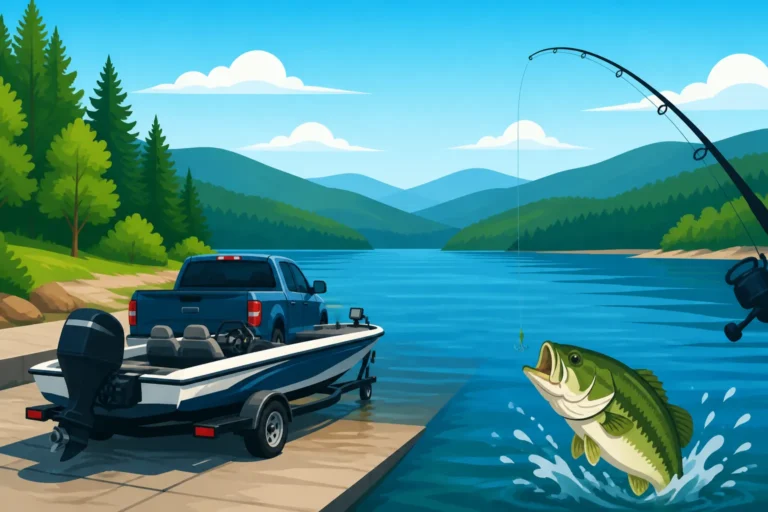
For many anglers, the largemouth bass is the ultimate freshwater quarry, and Virginia’s lakes are absolutely stacked with them. If you're dreaming of that lunker bass, the kind that makes your reel scream and your heart pound, you’re in the right place. Lakes like Smith Mountain Lake and Lake Anna are consistently ranked among Virginia's Best Bass Fishing Lakes, and for good reason. These lakes have a perfect combination of size, forage, and diverse structure to grow truly massive largemouths. Think about the extensive hydrilla beds in Lake Anna or the thousands of docks and submerged timber in Smith Mountain Lake; these are ideal ambush points for big bass.
To catch these giants, you often need to adapt your techniques to the specific lake and season. In early spring, during the pre-spawn, trophy bass will be fattening up, often found on shallower points and flats adjacent to deeper water. Big crankbaits, spinnerbaits, and slow-rolled jigs can be incredibly effective. As the spawn approaches, pitching heavy jigs or soft plastics into shallow cover where bass are bedding becomes the go-to. Summer means chasing them into deeper grass lines, brush piles, or around main lake points with Carolina rigs, deep-diving crankbaits, or even topwater frogs over matted vegetation in low light. In the fall, as baitfish school up, reaction baits like lipless crankbaits and swimbaits can entice aggressive strikes. Remember, patience and persistence are key when pursuing trophy bass; they didn't get big by being easy to catch!
The Thrill of Striped Bass Fishing
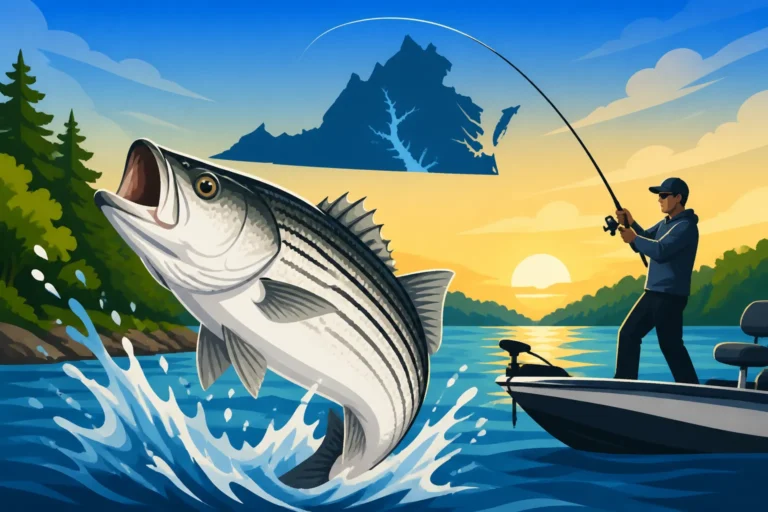
Few freshwater fish can match the explosive power and sheer fight of a striped bass. Known as "stripers" or "rockfish" (especially their saltwater cousins), these magnificent fish offer an adrenaline rush that keeps anglers coming back for more. In Virginia, lakes like Smith Mountain Lake are synonymous with world-class freshwater striper fishing. The cold, deep waters of SML provide the perfect environment for these anadromous fish to thrive in a landlocked environment, growing to impressive sizes. It’s no wonder it makes our list of Virginia's Top Striped Bass Fishing Spots.
Trolling with large live bait, such as gizzard shad or alewives, is a highly effective method, especially when targeting suspended fish in deeper water. Many anglers use planer boards or downriggers to present their baits at precise depths. During the spring and fall, stripers often school up and chase baitfish on the surface, creating thrilling "topwater explosions" that are unforgettable to witness. When this happens, casting large topwater plugs, swimbaits, or even bucktail jigs into the frenzy can lead to immediate hook-ups. In summer, stripers retreat to deeper, cooler water, and vertical jigging spoons or heavy bucktails directly over marked fish can be incredibly productive. For many, the chance to battle a powerful freshwater striper is the highlight of their angling year, and Virginia's best lakes offer that opportunity in spades.
Mastering Crappie and Panfish Lakes
Sometimes, the best fishing isn't about the biggest fish, but about the sheer numbers, the consistent action, and the pure enjoyment of a bent rod. That's where crappie and panfish come in. These delicious and abundant species offer fantastic light-tackle action, making them perfect for beginners, families, or anyone looking for a relaxing day on the water. Luckily, many of Virginia's best lakes are teeming with them. If you’re looking to fill a cooler, you’ll find that many of the lakes we’ve discussed, including Claytor Lake, Lake Anna, and Smith Mountain Lake, are also among the Best Crappie Fishing Lakes in Virginia.
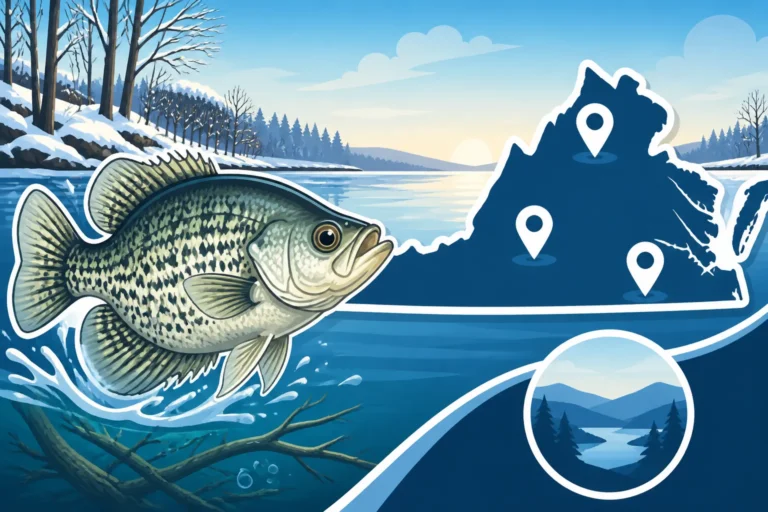
Crappie, both black and white, are masters of hiding around structure. In spring, they move into shallower water to spawn, often found around submerged brush piles, fallen trees, and docks. Small jigs (1/32 to 1/16 ounce) tipped with a minnow or a soft plastic grub are deadly during this time. As the water warms, crappie often suspend over deeper brush piles or along channel edges, where tight-lining multiple jigs at different depths or spider-rigging (trolling with multiple rods out) can be incredibly effective. For bluegill, redear sunfish, and other panfish, simplicity is often key. A small hook, a bit of nightcrawler or a mealworm, and a bobber are all you need to catch plenty of these willing biters, especially around shoreline cover in warmer months. The joy of catching panfish is their eagerness to bite and their delicious taste on the dinner table, making them a consistent favorite for many anglers.
The Persistent Pursuit of Catfish and Walleye
While bass and stripers often grab the headlines, Virginia's lakes also offer incredible opportunities for catfish and, in some unique cases, walleye. These species provide a different kind of challenge and reward, often preferring different habitats and requiring specialized techniques. If you're a fan of patient, rewarding fishing that can often lead to a fantastic meal, then these are your targets. For the best catfishing, you’ll want to check out some of the lakes featured in our Best Catfish Fishing Spots in Virginia.
Catfish – including channel, blue, and flathead – thrive in many of Virginia's large impoundments. Lake Anna and Lake Gaston, with their extensive river channels and abundant forage, are particularly renowned for their healthy catfish populations. Channel catfish are often caught on bottom rigs with stink baits, chicken livers, or cut bait, while the larger blue catfish prefer fresh cut bait, particularly shad. Flathead catfish, the true predators of the catfish world, often prefer live bait and are usually found near heavy cover like submerged timber or rocky areas. Catfishing is often best during the low light hours of dawn and dusk, or even at night, especially in the warmer months.
Walleye, on the other hand, are a more elusive species in Virginia, but certain lakes offer excellent opportunities. Claytor Lake is a prime example and is often cited as one of Virginia's Best Walleye Fishing Spots. These beautiful, sharp-toothed fish prefer clear, deep, cool water and can be notoriously finicky biters. Trolling crankbaits, vertical jigging with spoons or blade baits, and using live bait like minnows or nightcrawlers on a bottom bouncer are common techniques. Walleye are often most active during low light conditions or at night, especially in the spring and fall when they move shallower to spawn or feed aggressively. The reward for the persistent walleye angler is a delicious, flaky white meat that is prized by chefs and anglers alike.
Planning Your Virginia Lake Fishing Adventure
Embarking on a fishing trip to one of Virginia's incredible lakes is exciting, but a little planning goes a long way to ensure a successful and enjoyable experience. From making sure you have the right gear to understanding the local regulations, preparing thoroughly will maximize your time on the water and help you avoid any unexpected headaches.
Essential Gear and Boat Access
Before you even think about which lure to tie on, let's talk about the basics. Having the right gear is crucial, and it varies depending on what species you're targeting and how you plan to fish. For most lake fishing in Virginia, a medium-action spinning or casting rod and reel combo, spooled with 8-12 pound test line, will handle a wide range of species from bass to crappie. If you’re specifically targeting big stripers or monster catfish, you might want to step up to a heavier outfit with stronger line. Beyond rods and reels, a tackle box stocked with a variety of lures – crankbaits, spinnerbaits, jigs, soft plastics – along with terminal tackle like hooks, weights, and bobbers, is essential. Don't forget pliers for hook removal, a net, and a cooler for your catch (and your snacks!).
Boat access is another critical consideration. Many of Virginia's best lakes, especially the larger ones, have excellent public boat ramps operated by the Department of Wildlife Resources (DWR) or state parks. For example, Smith Mountain Lake, Lake Anna, and Claytor Lake all offer multiple well-maintained ramps. However, some smaller reservoirs, particularly municipal water supply lakes like Western Branch or Lake Prince, might have more restricted access, requiring specific permits, limiting motor types (often electric only), or even prohibiting certain types of boats. Always check the specific lake’s regulations beforehand. If you don't own a boat, many lakes offer rental options, or you can explore bank fishing opportunities, which are often available at state parks and public access areas. Always ensure your boat is properly registered and equipped with all required safety gear before heading out.
The Importance of Regulations and Licenses
This is one of those topics that no one loves to talk about, but it’s absolutely non-negotiable for a responsible angler: licenses and regulations. Virginia takes its fisheries management seriously, and for good reason – it’s how we ensure these incredible resources remain healthy for generations to come. Trust me, getting caught without the proper paperwork is a surefire way to turn a fantastic day into a frustrating and expensive one. You’ll definitely want to refer to our comprehensive Virginia Fishing License Guide and our Virginia Fishing Regulations Explained for all the specifics before you even pack your bags.
Generally, anyone 16 years or older needs a valid Virginia freshwater fishing license to fish in the state's public waters. There are different types of licenses available, including annual, short-term (like a 5-day pass), and resident/non-resident options. You might also need additional endorsements, such as a trout license if you plan to fish designated trout waters. You can purchase your license easily online through the DWR website, at most sporting goods stores, or through local license agents. Beyond the license, it’s crucial to understand the specific regulations for the lake and species you’re targeting. This includes daily creel limits (how many fish you can keep), length limits (minimum or maximum size), and seasonal closures. For instance, specific slot limits might apply to certain bass species on particular lakes to protect trophy fisheries. Ignorance of the law is no excuse, and wildlife officers regularly patrol Virginia's lakes. So, do your homework, get your license, and carry it with you! If you're wondering how to get started, our guide on How to Get a Fishing License in Virginia has all the details.
Hiring a Local Guide for Lake Success
Let’s be honest, sometimes you just want to cut to the chase and get straight to the fish, especially on a new or complex lake. That’s where a local fishing guide can be an absolute game-changer. These seasoned professionals spend hundreds of days a year on their home waters, building an intimate knowledge of seasonal patterns, fish behavior, and productive spots that would take you years to acquire on your own. Hiring a guide isn’t just about catching fish (though that’s usually a big part of it!); it’s an investment in learning, an opportunity to hone your skills, and a chance to experience the lake through the eyes of an expert.
Guides provide all the necessary gear, often including high-quality rods, reels, and tackle, so you don’t have to worry about bringing your own or buying specialized equipment. They'll also handle the boat, navigate safely, and ensure you're fishing legally (many guides operate under a commercial license that covers their clients, but always confirm this detail). A good guide will teach you techniques, explain why they're fishing a certain way, and even share insights into the lake’s ecosystem. If you're considering a trip to a major lake like Smith Mountain Lake or Lake Anna, booking a guide through platforms like FishingBooker can connect you with highly-rated local captains specializing in everything from striped bass to largemouth bass. They can provide invaluable assistance, especially if you have limited time or are unfamiliar with the specific nuances of Virginia's diverse lake fisheries. It’s an excellent way to fast-track your success and make the most of your time on the water.
Comparing Virginia's Premier Fishing Lakes
To help you visualize the choices, here's a quick comparison of some of Virginia's top fishing lakes:
| Lake Name | Size (Acres) | Primary Species | Key Features / Best For | Notable Techniques | Region |
|---|---|---|---|---|---|
| Smith Mountain Lake | 20,600 | Striped Bass, Largemouth Bass, Crappie | Trophy Stripers, Diverse Bass, Deep Water, Abundant Cover | Trolling (Stripers), Jigging, Flipping (Bass) | Central Virginia |
| Lake Anna | 9,600 | Largemouth Bass, Crappie, Catfish | Warm Waters (Hot Side), Abundant Hydrilla, Trophy Bass | Flipping, Pitching, Crankbaiting (Bass), Jigging (Crappie) | Central Virginia |
| Lake Gaston | 20,000 | Largemouth Bass, Crappie, Striped Bass, Catfish | Stable Water Levels, Extensive Hydrilla, Border Lake | Spinnerbaits, Jigs, Live Bait (Catfish) | Central Virginia |
| Claytor Lake | 4,500 | Smallmouth Bass, Walleye, Spotted Bass, Crappie | Clear, Deep Water, Rocky Structure, Walleye Fishery | Finesse Techniques (Smallmouth), Trolling, Jigging (Walleye) | Southwest Virginia |
| Western Branch Res. | 1,579 | Largemouth Bass, Crappie | Electric Motors Only, Secluded, Quality Bass Fishery | Flipping, Pitching (Bass), Light Tackle (Crappie) | Southeastern Virginia |
| South Holston Lake | 7,580 | Smallmouth Bass, Walleye | Trophy Smallmouth, Clear Cold Water, Scenic Beauty | Finesse Techniques, Live Bait (Smallmouth), Deep Jigging (Walleye) | Southwest Virginia |
Disclaimer
The information provided in this guide is for general informational purposes only and does not constitute legal advice. Fishing regulations, license requirements, and access rules can change frequently. Always consult the official Virginia Department of Wildlife Resources (DWR) website or current regulations digest before planning any fishing trip to ensure compliance with all applicable laws and rules. Fishing involves inherent risks, and anglers should always prioritize safety on the water.