Virginia’s stocked trout season runs from October to mid-June
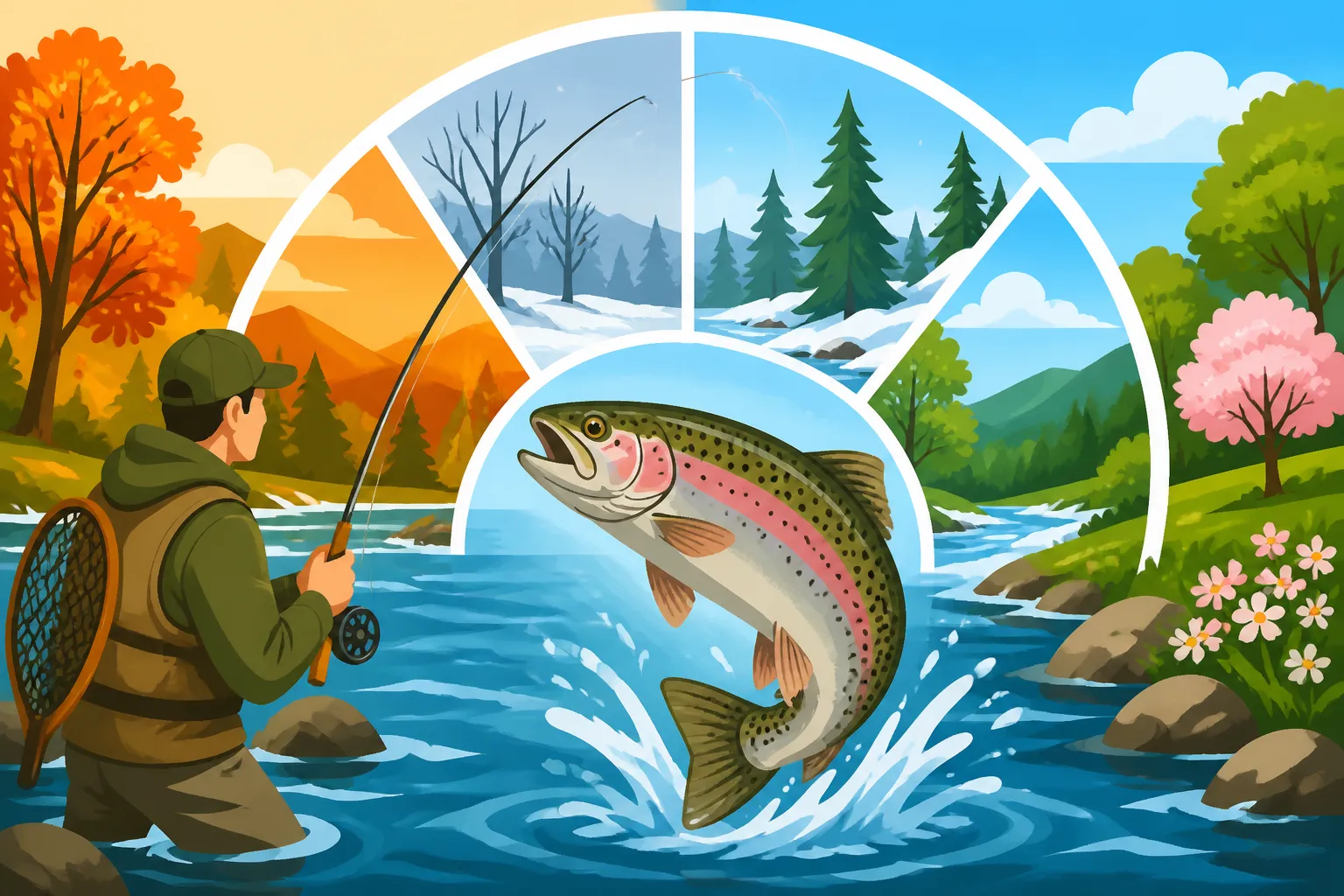
For any angler in Virginia, the rhythm of the seasons often dictates where and when we cast our lines. But when it comes to trout, especially the stocked varieties that bring so much joy to our waters, it can be a bit of a head-scratcher figuring out when exactly you can target those beautiful fish. The good news is, Virginia's stocked trout season is quite generous, famously running from October right through to mid-June. This guide will demystify the timing, regulations, and best practices, ensuring you're ready to hit the water when those fresh stockings arrive.
The Rhythmic Flow of Virginia's Stocked Trout Season
Virginia's Department of Wildlife Resources (DWR) does a fantastic job of managing and stocking our trout waters, providing angling opportunities for a significant portion of the year. Unlike some species with very short, specific seasons, stocked trout offer a prolonged window of opportunity that shifts with the weather and water conditions, making it crucial to understand the nuances of each phase.
Embracing the Fall Opener: October's Promise
There's nothing quite like the crisp air of autumn and the anticipation of new trout stockings. For many, October marks the unofficial start of the trout season. As summer's heat fades and water temperatures begin to cool, the DWR commences its annual stocking program, typically kicking off around the first of October. This initial push brings fresh, vibrant trout into designated waters, reinvigorating streams and lakes that might have been too warm for trout during the dog days of summer.
Anglers in the fall find trout to be quite active and eager to feed after their journey from the hatchery. The cooling water means higher oxygen levels, and the fish are often more willing to chase a spinner or a fly. It's a prime time for sight-fishing in clearer streams, and the vibrant fall foliage just adds to the overall experience. Imagine standing knee-deep in a mountain stream, surrounded by brilliant reds and golds, watching a newly stocked rainbow flash as it takes your bait – it's pure magic. This early season also gives anglers a chance to fine-tune their gear before the deeper chill sets in, often finding that aggressive presentations work best on these fresh, hungry fish.
Winter's Chill and Continued Opportunities
When many other fishing opportunities start to wane with the arrival of winter, the stocked trout season in Virginia often continues strong. While the frequency of stockings might adjust, the DWR continues to release trout into many designated waters throughout December, January, and February, especially in regions that don't experience prolonged, severe freezes. This provides a fantastic escape for those who don't mind bundling up and braving the colder temperatures.
Winter trout fishing requires a slightly different approach. The fish's metabolism slows down in colder water, making them less aggressive. You'll often find them holding in deeper pools or slower currents, conserving energy. Baits and lures need to be presented more slowly and subtly. Think small jigs, slow-retrieved spinners, or power bait drifted just off the bottom. It's a season of patience and precision, but the rewards can be great. Catching a shimmering trout against a backdrop of frost-covered banks is a memory that sticks with you. Just be sure to dress in layers and perhaps bring a thermos of hot coffee or cocoa to make the experience even more enjoyable.
Spring's Peak Activity and Bountiful Catches
Without a doubt, spring is the most popular and productive time for Virginia's stocked trout season. From March through May, as the weather warms and nature bursts back to life, the DWR ramps up its stocking efforts, often releasing thousands of trout into rivers, streams, and lakes on a weekly basis. The milder temperatures, coupled with increased insect activity, mean the trout are incredibly active and feeding voraciously.
This is the season when families flock to the fee fishing areas and popular streams. The sheer volume of fish stocked often leads to high catch rates, making it an excellent time for beginners and kids to experience the thrill of trout fishing. Different tactics come into play as the water warms; you can still use traditional baits, but fly fishing becomes exceptionally rewarding with emerging insects, and a wider array of lures, from spoons to small crankbaits, will entice bites. Knowing the Virginia Stocked Trout Waters and License Requirements is key during this bustling period. The competitive nature of heavily stocked waters often means fish will strike at almost anything, and it's a fantastic time to experiment with different presentations.
The Mid-June Wind-Down
While the season feels long and bountiful, all good things must come to an end, and Virginia's stocked trout season typically concludes around mid-June. The primary reason for this closure is simple: water temperature. As summer approaches, many of Virginia's lower elevation streams and lakes become too warm to support trout, which are a cold-water species. Warm water holds less oxygen and puts significant stress on trout, making it difficult for them to survive.
Once the season ends, the DWR generally ceases stocking efforts in these specific waters until the fall cool-down. Anglers looking to continue their trout pursuits beyond mid-June will need to target high-elevation wild trout streams, which remain cold enough year-round, or visit specific "year-round catchable trout" waters that maintain suitable temperatures. It's a natural cycle, ensuring the health of the fish and the sustainability of the program. This transition helps anglers shift their focus to other species that thrive in warmer waters, like bass or panfish, ensuring there's always something to fish for in Virginia.
Essential Licensing for Stocked Trout Success
Before you even think about casting a line into one of Virginia's beautiful trout streams or lakes, you absolutely need to make sure your paperwork is in order. Getting caught without the right license can turn a relaxing day into a costly headache, and nobody wants that. The good news is, getting licensed is straightforward, but there are a couple of key components specifically for trout fishing.
Your Base: The Virginia Freshwater Fishing License
First and foremost, to fish for any freshwater species in Virginia, including stocked trout, you'll need a basic Virginia freshwater fishing license. This isn't just for trout; it covers bass, crappie, catfish, and everything else swimming in our inland waters. There are various options available depending on whether you're a resident or non-resident, and how long you plan to fish. You can opt for an annual license if you're a frequent angler, or a shorter-term pass (like a 5-day freshwater pass) if you're just visiting or planning a quick trip. Understanding your options is crucial, so be sure to check out a comprehensive Virginia Fishing License Costs and Types Explained for all the details.
It's tempting to think that if you're just doing catch and release, you might not need a license, but that's a common misconception. Any act of fishing, even without the intent to keep, requires a valid license. This license helps fund the DWR's conservation efforts, including the very stocking programs that make trout fishing possible, so it's a small but vital contribution to the sport. Many anglers often wonder if a single license covers both freshwater and saltwater; for Virginia, these are separate endorsements, though a combination license is available for convenience. For more information, you can find a complete guide on Freshwater and Saltwater Fishing Licenses in Virginia.
The Crucial Trout License Stamp
Here's where it gets specific for trout: in addition to your general freshwater fishing license, if you plan to fish in any designated trout water—whether it's stocked or wild—you must also possess a Virginia Trout License Stamp. This stamp is a separate purchase but it’s absolutely mandatory. Think of it as your passport to Virginia's trout-rich environments. Without it, even with a valid freshwater license, you're not legally allowed to fish for trout in these special management areas.
The trout stamp costs a modest amount annually, and again, like the general license, its revenue directly supports the DWR's trout program, including hatchery operations and stream habitat improvement. It’s a small investment that pays huge dividends for the quality of trout fishing in the state. Many new anglers sometimes overlook this requirement, especially if they're used to fishing for other species, so it's a really important detail to remember. If you're unsure about whether a specific body of water is a "designated trout water," always check the DWR regulations or local signage. It's always better to be safe than sorry when a game warden checks your credentials. You can learn more about this specific requirement in Do You Need a Special License for Stocked Trout in Virginia?.
Special Cases and Fee Fishing Areas
Virginia does offer a few exceptions and special scenarios that are worth noting. For instance, children under the age of 16 do not need a fishing license, including the trout stamp, to fish in Virginia's waters. This is fantastic for introducing youngsters to the sport! Additionally, Virginia offers specific considerations for seniors. For example, Anglers 65 and older fish Virginia's freshwater waters without paying a license fee, and there are specific provisions for saltwater for seniors as well.
Then there are "Fee Fishing Areas," like those at Clinch Mountain, Crooked Creek, and Douthat State Park. These spots are heavily stocked and managed, often providing excellent angling opportunities, especially for families. While you still need a general freshwater fishing license and a trout stamp, these areas typically require an additional daily fee paid on-site. This fee helps cover the intensive stocking and management costs unique to these locations. It’s important to understand that these fees are separate from your state licenses and stamps.
Finally, keep an eye out for Virginia's annual Free Fishing Days, typically held over a weekend in early June. During these days, residents and non-residents can fish without a license in all of Virginia's public freshwaters (and some public saltwaters), including designated stocked trout waters, though some specific permit requirements, like those for daily fee fishing areas, may still apply. It's a fantastic opportunity to try trout fishing without the initial license investment. Make sure to check the exact dates for Virginia Free Fishing Days in June 2026 if you plan to take advantage of this special weekend.
Tactics and Gear for Virginia's Stocked Trout
Landing stocked trout isn't just about showing up; it's about understanding what makes these fish bite and having the right tools for the job. While they might be a bit less wary than their wild cousins, stocked trout still require some thought and strategy.
Lures, Baits, and Flies That Work
When it comes to enticing stocked trout, you've got a fantastic array of options. These fish are often quite accustomed to artificial food sources from the hatchery, making them receptive to a wide variety of offerings.
- Artificial Baits: Products like PowerBait in various colors (chartreuse, rainbow, pink, orange) and forms (nuggets, dough) are incredibly effective. Scented options like Berkley Gulp! Trout Bait also work wonders. The key with these is to use a small hook, often a size 10 or 12, and mold the bait to float just off the bottom, presenting it naturally.
- Natural Baits: Old faithfuls like live worms (nightcrawlers, red wigglers), corn, and even salmon eggs are still incredibly potent. Worms provide movement and scent, while corn and salmon eggs mimic the pellets they were raised on. Drift these with a small split shot or under a bobber in slower sections. You can easily find a huge variety of these, as well as tackle boxes and other essentials, on Amazon, often with helpful reviews from other anglers.
- Spinners: Classic inline spinners like Mepps Aglia or Rooster Tail in sizes 0 to 2 are deadly. Their flash and vibration mimic small baitfish or insects, triggering aggressive strikes. Experiment with blade colors (silver, gold, black, chartreuse) and body colors. Cast upstream and retrieve just fast enough to get the blade spinning, letting it drift naturally with the current.
- Spoons: Small, wobbling spoons like Phoebe or Kastmaster can be excellent, especially in lakes or wider, slower sections of rivers. Their erratic action often provokes a chase.
- Flies: For the fly anglers, standard patterns like Woolly Buggers (black, olive, brown) are incredibly versatile. Nymphs (Pheasant Tail, Hare's Ear) fished under an indicator, or even dry flies during hatches, can be successful, especially as the season progresses into spring. For a deeper dive into what works, check out Best Bait for Rainbow Trout in Mountain Streams.
For those just starting out or looking for a reliable setup, a good quality spinning combo (rod and reel) with light line (4-6 lb test) is ideal. Many beginners find a sturdy yet sensitive rod in the 5'6" to 6'6" range suitable. For those just starting out, a reliable spinning combo can be found on Amazon for a reasonable price, getting you out on the water without breaking the bank. Always pack extra line, leaders, and a variety of baits and lures, as trout can be finicky from day to day.
Locating the Fish After Stocking
Stocked trout often behave differently from wild trout, especially right after their release. They’re not always adept at finding natural cover immediately, but they are looking for food and comfort.
- Freshly Stocked Areas: The most straightforward approach is to target the areas where the DWR has recently stocked. The DWR website provides a detailed stocking schedule, often listing specific streams, sections, and even dates. These fish will often mill around the release points for a while.
- Deeper Pools and Current Breaks: As they settle in, trout will seek out deeper pools in streams, especially those with some current. Look for areas where the water slows down behind rocks, logs, or bends in the river. These spots offer a resting place out of the main current while still allowing food to drift by.
- Confluence and Structure: Where a smaller creek meets a larger river, or where there's submerged structure like fallen trees, boulders, or bridge pilings, are excellent places for trout to hide and ambush prey.
- Lakes and Ponds: In lakes and ponds, stocked trout will often cruise shorelines, especially near drop-offs, inlets, or any structure that provides cover or food. Early mornings and late evenings are often the best times in stillwaters.
Understanding the terrain and the flow of the water is critical. Often, trout won't be in the fastest current but rather in the seams and eddies adjacent to it, where food is carried to them without expending too much energy.
Reading the Water and Ethical Practices
"Reading the water" is an art form every angler should cultivate. Look for changes in current speed, depth, and bottom structure. Ripples, eddies, dark spots indicating deeper water, and areas with overhanging vegetation are all potential holding spots for trout.
Ethical angling practices are paramount, especially in heavily fished stocked waters.
- Know Your Regulations: Always be aware of the daily creel limits (how many fish you can keep) and length limits for the specific waters you're fishing. These can vary, so consult the Virginia Fishing Regulations Explained before you go.
- Handle Fish Gently: If you're practicing catch and release, minimize handling time, keep the fish in the water as much as possible, and use a de-hooking tool to remove hooks quickly. Wet your hands before touching the fish to protect its slime coat.
- Leave No Trace: Pack out everything you pack in. This includes fishing line, bait containers, and any other trash. Preserving the beauty of our fishing spots is everyone's responsibility.
By combining the right gear and tactics with a deep respect for the environment and the fish, you'll ensure enjoyable and successful trips to Virginia's stocked trout waters.
Popular Stocked Trout Destinations in the Old Dominion
Virginia is blessed with a wealth of stunning waterways, and many of them receive generous stockings of trout throughout the season. From rushing mountain rivers to tranquil lakes, there's a spot for every type of angler. While the DWR stocking schedule is your ultimate guide, here are some widely recognized and popular destinations.
Rivers and Streams Galore
Virginia's western and central regions are particularly rich in trout streams, offering picturesque settings and robust stocking programs. These are the places where you can truly immerse yourself in the mountain angling experience.
- Jackson River: Flowing through Bath and Alleghany Counties, the Jackson River is a jewel, particularly its special regulation sections. It’s known for good access and consistent stockings, offering both scenic beauty and excellent fishing.
- Smith River: Located in Patrick County, the Smith River is famous for its cool, consistent water temperatures due to the Philpott Dam. This river offers year-round trout opportunities, including sections managed for trophy trout, and receives heavy stockings.
- Mossy Creek: A well-known spring creek in Augusta County, Mossy Creek is primarily a fly-fishing-only, catch-and-release stream. While it holds wild trout, it's also a testament to healthy cold-water environments and the potential for a challenging, rewarding experience. It's an important example of a high-quality trout fishery.
- Hazel River: Part of the Shenandoah National Park area, the Hazel River offers beautiful scenery and consistent stocking, particularly in its lower, more accessible sections.
- Goose Creek: Another great stream for trout fishing, Goose Creek in Bedford County, offers accessible bank fishing and consistent stockings, making it a favorite for many local anglers.
These are just a few examples; many other smaller creeks and rivers, like the South River, Passage Creek, and countless others across the state, receive regular stockings. The best advice is always to consult the DWR's weekly stocking schedule on their website, which details specific locations and dates. This is your most reliable resource for planning a trip to one of the Best Trout Streams in Virginia. Many anglers use online resources, and you can even find specialized fishing maps or guides on Amazon that detail specific trout streams and their access points.
Lakes and Ponds for Easy Access
Not all trout fishing happens in rushing rivers. Virginia also stocks numerous lakes and ponds, offering easier access, often calmer waters, and great opportunities for families or those who prefer stillwater angling.
- Holliday Lake: Located in Appomattox-Buckingham State Forest, Holliday Lake is a popular spot that receives significant trout stockings. Its clear waters and good public access make it a fantastic destination for bait fishing or throwing small lures from shore or a small boat.
- Douthat State Park Lake: Nestled in the mountains near Clifton Forge, Douthat State Park Lake is a designated fee fishing area (as mentioned earlier) known for its stunning natural beauty and excellent trout fishing. It’s heavily stocked and offers amenities for a full day or weekend trip.
- Burke Lake: Situated in Fairfax County, Burke Lake is a popular urban oasis that receives regular trout stockings, providing close-to-home angling for those in Northern Virginia. It’s a great spot for both boat and shore fishing.
- Lake Shenandoah: Near Harrisonburg, Lake Shenandoah is another DWR-managed lake that benefits from trout stockings, offering good bank access and a chance to catch other species alongside trout.
- Lake Moomaw: While primarily a cold-water reservoir known for its deep-water trophy trout (browns and rainbows), Lake Moomaw receives stockings and offers a different challenge with its vast, deep waters suitable for trolling or deep jigging.
These lakes and ponds often offer better accessibility for those with mobility challenges or for families with young children, making for a less strenuous and often more immediately rewarding experience.
Navigating Fee Fishing Areas
Virginia's Fee Fishing Areas are unique gems in the state's trout program. These locations are specifically managed for intensive stocking and provide a very high likelihood of catching fish, making them perfect for beginners, families, or anyone looking for a near-guaranteed day of trout fishing.
- Clinch Mountain Fee Fishing Area: Located in Southwest Virginia, Clinch Mountain is a well-known system of trout streams (Big Tumbling Creek and its tributaries) that are heavily stocked.
- Crooked Creek Fee Fishing Area: Also in Southwest Virginia, Crooked Creek offers excellent access along a beautiful stream, with frequent stockings ensuring consistent action.
- Douthat State Park Lake: As mentioned above, Douthat’s lake is a fee fishing area that blends stunning scenery with a high-density trout population.
To fish these areas, you'll need your Virginia freshwater fishing license and a trout stamp, plus you'll purchase an additional daily permit at the area's headquarters or designated vendor. The fees help maintain these specialized areas and support the higher stocking rates. They typically have specific opening and closing times and may have different creel limits than general trout waters. Always check the individual area's rules before you go. These areas are truly designed to maximize your chances of success, providing a unique and rewarding experience for those who visit.
By understanding the seasonal flow, having your licenses in order, and knowing where to go and what to use, you'll be well-prepared to make the most of Virginia's abundant stocked trout season, which, thankfully for us anglers, runs for most of the year!
| Bait/Lure Type | Best Uses | Pros | Cons |
|---|---|---|---|
| PowerBait/Scented Baits | Stillwater (lakes, slow pools), bottom fishing | Strong scent attracts fish, floats off bottom, many color options | Can be messy, not effective in fast currents, less natural looking |
| Worms/Natural Baits | All water types, especially flowing water | Natural scent and action, universally effective, readily available | Can be messy, require careful handling, can attract unwanted fish |
| Inline Spinners | Flowing water (streams, rivers), actively retrieving | Flash and vibration trigger strikes, covers water quickly, durable | Less effective in still water, can snag easily in shallow areas |
| Small Spoons | Lakes, deeper pools, casting and retrieving | Mimics baitfish, good for covering distance, simple to use | Less effective in very shallow or heavily structured water |
| Flies (Nymphs/Streamers) | Fly fishing in streams and rivers | Mimics natural food, can be very effective, rewarding technique | Requires specialized gear and skill, not for all anglers |
Disclaimer
Please remember that fishing regulations, seasons, and stocking schedules can change. Always consult the most current Virginia Department of Wildlife Resources (DWR) regulations before heading out on your fishing trip. This guide is for informational purposes only and should not be considered a substitute for official DWR publications.