Best Season to Book a Smith Mountain Lake Guide Trip
If you've ever dreamt of casting a line on Smith Mountain Lake, Virginia, you know it's a magnificent body of water. But picking the "best" time to go, especially when you're shelling out for a knowledgeable guide, can feel like a guessing game. No one wants to spend their hard-earned money and precious vacation time only to find the fish are nowhere to be found. This comprehensive guide will help you understand the nuances of each season on SML so you can book a guide trip that aligns perfectly with your angling aspirations, ensuring you hit the water at the prime moment for your target species.
Understanding Smith Mountain Lake's Unique Fishery
Smith Mountain Lake (SML) isn't just a pretty face; it's a dynamic ecosystem, one of Virginia's most popular and productive fisheries. What makes it so special – and what influences the "best" time to visit – is the incredible diversity of fish species and how their behavior changes throughout the year. If you go in blind, hoping for the best, you might miss out on the incredible opportunities this lake offers.
Target Species and Their Seasonal Habits
Smith Mountain Lake is a true angler's paradise because it caters to so many different passions. Whether you're chasing trophy largemouth, battling powerful striped bass, or enjoying a relaxing day catching crappie, SML has something for you. Each of these species, however, operates on its own seasonal clock, driven by instincts like spawning, feeding, and finding comfortable water temperatures. A successful guide trip hinges on understanding these rhythms. For a deeper dive into what swims beneath the surface, check out our Smith Mountain Lake Fish Species Guide.
For instance, the lake is renowned for its striped bass, often called "stripers." These hard-fighting fish are migratory in a sense, constantly moving to find optimal conditions and baitfish. Largemouth and smallmouth bass, on the other hand, are more territorial but equally influenced by seasonal changes, especially when it comes to their reproductive cycles. Crappie, a favorite panfish, tend to school up and move to predictable areas as the water temperature fluctuates. Knowing what you want to catch is the first step in determining your ideal season, as a guide specializing in one species might recommend a different time of year than a guide focusing on another.
Water Temperature and Fish Activity
Think of water temperature as the grand conductor of an underwater symphony; it dictates almost everything fish do. Their metabolism, feeding drives, and even where they choose to hang out are all directly linked to the temperature of the water. This is where a seasoned guide's expertise becomes invaluable, as they spend countless hours monitoring these conditions.
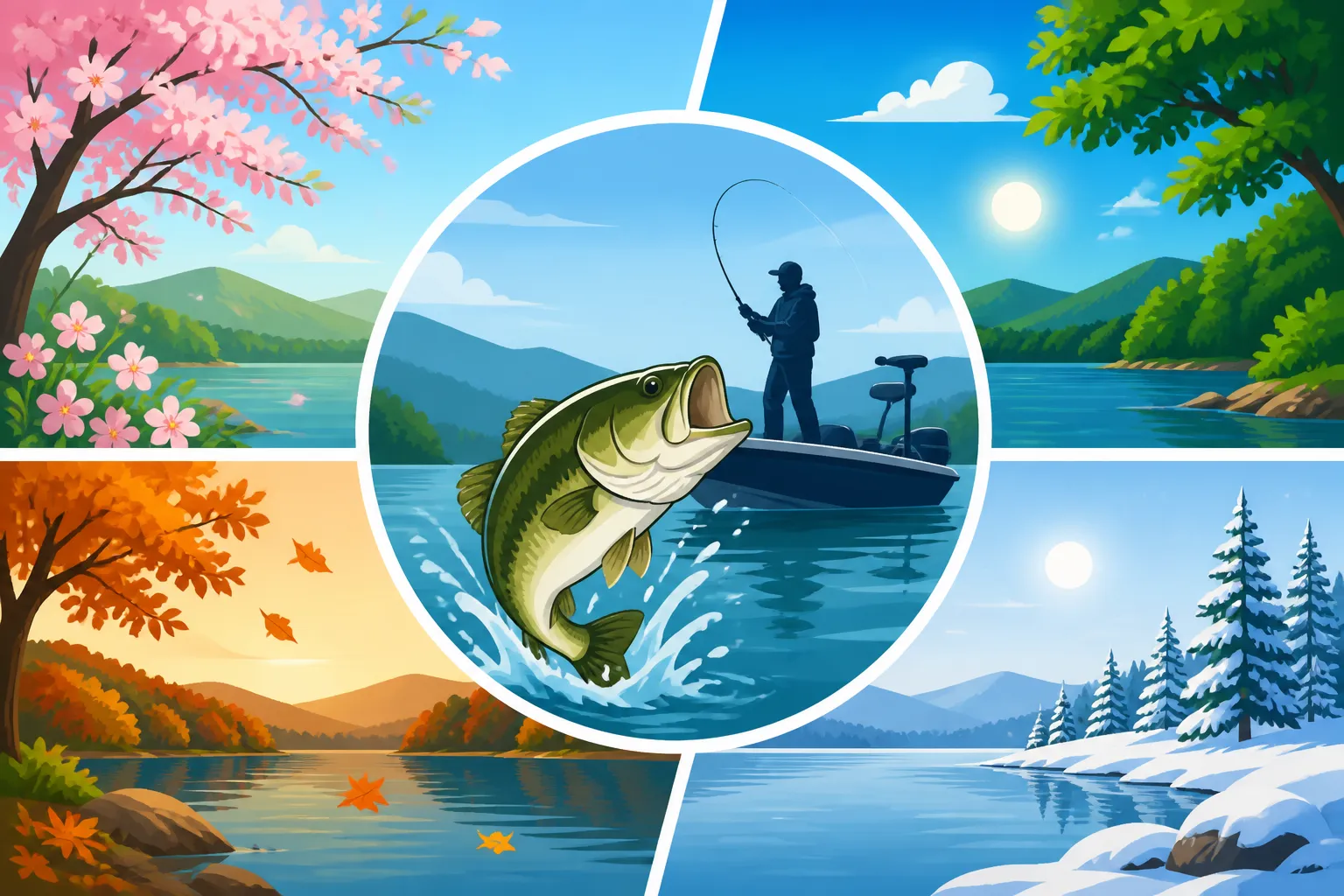
In spring, as the water warms, fish become more active, moving from their deeper winter haunts to shallower areas to feed and spawn. Summer's heat, conversely, can push many species deeper, seeking cooler, more oxygenated water. Fall sees a resurgence of activity as temperatures cool, prompting a "feeding frenzy" before winter's chill. And even in winter, while activity slows, certain species can be found in predictable deepwater patterns. Understanding these basic principles helps you appreciate why a guide trip isn't just about showing up with a rod and reel; it's about timing your visit to Mother Nature's schedule.
Spring: The Season of Renewal and Abundance
Spring on Smith Mountain Lake is a magical time when the entire fishery comes alive. After the cold dormancy of winter, fish are hungry and active, making it one of the most popular seasons for guide trips. If you love variety and consistent action, spring might just be your sweet spot.
Pre-Spawn Frenzy for Bass and Crappie
As the days get longer and the water slowly but surely begins to warm, Smith Mountain Lake's largemouth and smallmouth bass enter what's known as the "pre-spawn" phase. This is arguably one of the most exciting times to target these species. They're gorging themselves on baitfish, building up energy for the arduous spawning process, and moving into shallower coves and creek arms. You'll find them holding near structure like docks, submerged timber, and rocky points, making them more accessible and aggressive. A good guide knows exactly which areas heat up first and where the big females are staging. For insights into what this means for fishing, read our tips on Pre-Spawn Bass Fishing Tips.
Crappie, too, become incredibly active during spring. They migrate from deeper channels into shallower brush piles, standing timber, and around docks to spawn. This means they're often concentrated in predictable areas, making them a fantastic target for anglers of all skill levels, especially those looking for a lot of bites. Imagine a guide putting you right on a school of hungry crappie, one after another – that's the spring dream on SML. Many guides offer dedicated crappie trips during this time, often focusing on areas like the Best Crappie Fishing Coves on Smith Mountain Lake, Virginia. The action can be fast and furious, providing plenty of excitement.
Striped Bass Action Kicks Off
While bass and crappie are dominating the shallows, the mighty striped bass are also getting into the swing of things. As the lake warms, stripers become more active and start to chase baitfish aggressively. Early spring can see them congregating in larger schools, often near points and humps. A guide focusing on stripers will likely employ trolling techniques with umbrella rigs or live bait to cover water and find these transient schools.
The beauty of spring striper fishing is the sheer power these fish possess when the water is still cool, leading to some truly memorable battles. However, spring weather on Smith Mountain Lake can be a bit unpredictable, with cold fronts sometimes pushing through, which might temporarily slow the bite. Despite potential weather fluctuations, the overall trend is toward increased activity, making it a fantastic time to book a Smith Mountain Lake Striped Bass Guide Trips. Your guide will have the necessary gear and knowledge to adapt to the conditions and put you on fish.
Summer: Early Mornings, Late Evenings, and Deep Water
Summer on Smith Mountain Lake is glorious for recreation – swimming, boating, sunbathing – but for fishing, it presents a different set of challenges. The intense heat of July and August warms the surface water significantly, changing the game for both fish and anglers. This is where a guide's intimate knowledge of the lake truly shines.
Adapting to Warm Water and Oxygen Levels
As summer progresses, the surface water temperature can climb, pushing many fish species deeper where the water is cooler and oxygen levels are more stable. This phenomenon, known as stratification, creates a thermocline – a distinct layer where the temperature changes rapidly. Many fish, especially bass, will hold just above or within this thermocline. Trying to find these deep, scattered fish on your own can be incredibly frustrating.
This is precisely why a knowledgeable SML guide is indispensable in summer. They use advanced electronics to locate schools of fish and identify the thermocline. Often, summer guide trips will start at the crack of dawn or run into the cooler evening hours to capitalize on the periods when fish are most active. Learning Best Time of Day to Catch Bass in Summer can offer some good general advice, but a guide will apply this specifically to SML's unique structure. Techniques often shift to deep cranking, drop-shotting, or slow presentations with jigs and worms. If you're committed to catching fish, be prepared for an early alarm or a late night if you book a summer guide trip.
Consistent Striper Action with Caveats
Striped bass remain a viable target throughout the summer on Smith Mountain Lake, but their habits change significantly from spring. They'll also seek out those cooler, deeper water columns, often schooling around humps, points, and river channels. Finding them can be a cat-and-mouse game, requiring constant searching with sonar and precise boat positioning.
A guide equipped with live bait, especially shad, and a deep understanding of the lake's topography can still produce excellent striper catches. Trolling deep with downriggers is another popular and effective method. While the action might not be as explosive as during the spring or fall runs, summer can still yield consistent catches of quality fish, especially for those patient enough to work deep. Keep in mind that summer is also a popular time for family vacations, so the lake can be busier. Understanding the general patterns for Smith Mountain Lake Striper Fishing Season in Virginia will give you a good overview. For serious striper enthusiasts, a dedicated guide can make all the difference in navigating these conditions.
Fall: The Golden Season for Diverse Fishing
For many anglers, fall is the undeniable "best" season to book a guide trip on Smith Mountain Lake. It's a sweet spot where pleasant weather combines with extremely active fish, making for an unforgettable experience. If you're looking for an all-around fantastic fishing adventure with diverse opportunities, autumn delivers.
Aggressive Feeding Before Winter
As the air cools and the water temperatures gradually drop from their summer highs, Smith Mountain Lake fish undergo a remarkable transformation. They enter an intense "feeding frenzy" phase, instinctively knowing that winter's lean months are approaching. This means they're actively chasing baitfish, often pushing them to the surface in spectacular feeding boils. Bass, crappie, and especially striped bass become incredibly aggressive and can be caught using a variety of techniques. The falling leaves and crisp air also make for wonderfully comfortable days on the water for anglers.
This period, typically from late September through November, offers some of the most consistent and exciting fishing of the year. Baitfish like shad are abundant and vulnerable, making them easy targets for predatory fish. Guides during this time often focus on covering lots of water, looking for active schools, and presenting a wide array of lures from topwater baits to crankbaits. The sheer variety of techniques that can be effective, combined with the fish's aggressive nature, makes fall a prime time to be on SML with a professional. You can gain some helpful knowledge by reading Best Bass Fishing Techniques for Fall.
Optimal Conditions for Guide Trips
Beyond just the fish behavior, fall offers near-perfect conditions for anglers. The oppressive heat of summer has dissipated, giving way to comfortable, often sunny days that are ideal for spending hours on the water. The boat traffic also tends to decrease after Labor Day, providing a more peaceful and focused fishing environment.
Because of these optimal conditions, fall is a highly sought-after time for booking guide trips. Guides often have their calendars fill up quickly, sometimes months in advance. If you're planning a fall trip, you'll want to book well in advance to secure your preferred dates and guide. Platforms like FishingBooker are excellent resources for finding available guides and comparing their specialties during this busy period, helping you navigate the options for Best Time of Year to Book a Virginia Fishing Charter. Whether you're targeting that trophy largemouth or want to experience the thrill of Smith Mountain Lake's incredible striper run, fall provides the best chance for a memorable and productive trip. For general guidance on where to go, consider our Best Fall Fishing Spots in Virginia.
Winter: A Different Kind of Challenge and Reward
Winter fishing on Smith Mountain Lake isn't for everyone, but for the dedicated angler, it can offer unique rewards. The lake is quiet, the scenery is starkly beautiful, and while the fishing might require more patience and finesse, it can often produce some of the largest fish of the year. If you don't mind bundling up, a winter guide trip can be surprisingly productive.
Targeting Deepwater Bass and Crappie
As water temperatures plunge into the 40s and low 50s, most fish species move to their deepest wintering grounds. Their metabolism slows down significantly, and they become much less active. Bass and crappie will often school up tightly in deep channels, around submerged timber, and on steep ledges. Finding these schools is the biggest challenge, and this is where a professional guide's deep knowledge of SML's underwater topography and their high-tech electronics are absolutely essential. Without them, you'd be looking for a needle in a haystack.
Once located, winter fishing requires a slower, more deliberate approach. Think small jigs, spoons, and subtle presentations. The bites might be light, but the fish you catch can often be impressive in size, as the larger, older fish are often the ones that survive through the lean months. It's a lesson in patience and precision, and a guide can teach you the subtle nuances of cold-water fishing. If you're interested in panfish, knowing How Deep Do Crappie Go in Winter can be a real game-changer. For bass, techniques outlined in How to Catch Bass in Cold Water are applied with precision.
Excellent for Trophy Stripers
For many, winter is the time to target Smith Mountain Lake's trophy striped bass. While the sheer numbers of fish caught might be lower than in spring or fall, the potential for catching a truly massive striper increases significantly. These big fish are often found in deepwater schools, suspended over channels or around major points, and they're still eating – albeit less frequently.
Guides specializing in winter stripers will often use large live bait, such as gizzard shad, fished vertically or on planer boards, or slow-troll big baits. The key is finding the baitfish, and then finding the stripers that are feeding on them. It requires a lot of patience and trust in your guide's ability to interpret sonar readings. When a cold-water striper hits, it's usually with immense power, making the wait entirely worth it. If you're chasing a true wall-hanger, a winter guide trip might be your best bet. Plus, you'll often have the lake almost entirely to yourselves, a peaceful solitude rarely found in other seasons. The bait selection mentioned in Best Bait for Smith Mountain Lake Striped Bass in Virginia is particularly relevant here.
Comparing Smith Mountain Lake Guide Trip Seasons
To help you decide which season aligns best with your fishing goals, here's a quick comparison of what to expect when booking a guide trip on Smith Mountain Lake.
| Season | Primary Target Species | Typical Techniques | Pros for Guide Trips | Cons for Guide Trips |
|---|---|---|---|---|
| Spring | Bass, Crappie, Striped Bass | Shallow cranking, jigs, soft plastics, live bait, trolling | High fish activity, diverse opportunities, beautiful scenery | Unpredictable weather, can be busy on weekends |
| Summer | Striped Bass, Deep Bass & Crappie | Deep cranking, drop-shotting, live bait, deep trolling | Consistent deepwater stripers, early/late bites | Hot weather, lake can be very busy, fish often deeper & spread |
| Fall | Bass, Crappie, Striped Bass | Topwater, crankbaits, jigs, spoons, live bait, trolling | Most aggressive feeding, comfortable weather, less crowded | Guides book up quickly, can have strong cold fronts |
| Winter | Trophy Striped Bass, Deep Bass & Crappie | Vertical jigging, spoons, large live bait, slow trolling | Best chance for trophy stripers, quiet lake, unique challenge | Cold weather, slower bites, requires patience |
Making Your Decision and Booking Your Trip
Ultimately, the "best" season to book a guide trip on Smith Mountain Lake truly depends on what you hope to achieve. Are you aiming for a personal best largemouth bass? Do you dream of battling a powerful striper? Or are you simply looking for a fun day with lots of bites for crappie? Each season offers its unique opportunities and challenges.
If you crave constant action and variety, spring or fall are often your safest bets. If you're a trophy hunter seeking that one giant striper and don't mind the cold, winter might be calling your name. And if you have no choice but to visit in summer, a skilled guide is even more crucial for navigating the heat and finding deepwater fish.
No matter your choice, planning ahead is key, especially for the popular fall season. Don't wait until the last minute! Take the time to research guides who specialize in the species you're after and the time of year you plan to visit. Platforms like FishingBooker are fantastic for this, allowing you to browse different captains, read reviews, and see their availability. They often list guides who offer Year-Round Guide Trips on Smith Mountain Lake. Booking a guide on Smith Mountain Lake isn't just about catching fish; it's about learning the lake, understanding its patterns, and having a truly memorable experience with a local expert.
Disclaimer
This article is for general informational purposes only and does not constitute professional advice. Laws, prices and regulations vary by location and change over time. Consult a qualified professional for guidance on your specific situation.