How Many Fish You Can Keep on a Charter Trip
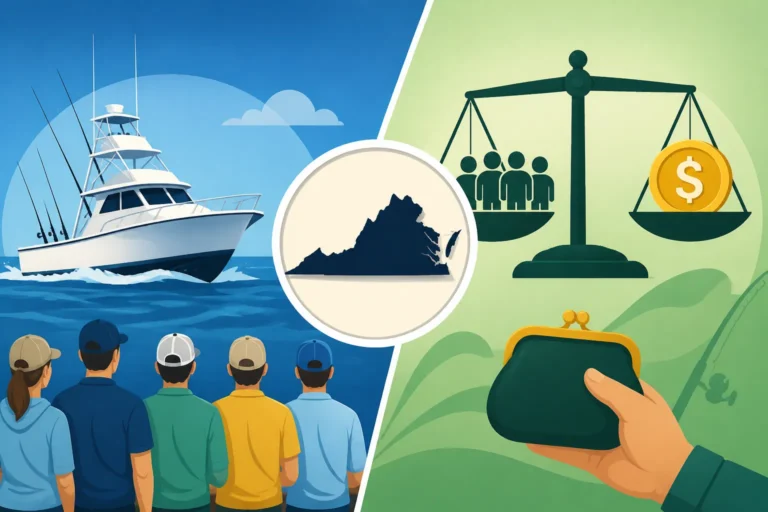
You've booked that exciting fishing charter in Virginia, gear is packed, anticipation is high… but then a tiny worry creeps in: how many fish can you actually keep? It's a common question, and frankly, Virginia's fishing regulations can feel like a labyrinth, especially when you factor in different species, seasons, and size limits. Knowing these rules beforehand is not just about avoiding a hefty fine; it’s about being a responsible angler and respecting the incredible natural resources Virginia offers. This guide is here to clear up that confusion, giving you a comprehensive understanding of catch limits on Virginia fishing charters.
Understanding Virginia's Catch Limits on Fishing Charters
When you step aboard a fishing charter in Virginia, you're not just heading out for a leisurely day on the water; you're entering a highly regulated environment. Many anglers mistakenly believe that charters operate under a different set of rules, or that the captain somehow has a special permit that waives limits. This isn't the case. Every fish caught, every measurement taken, and every decision to keep or release a fish falls directly under the jurisdiction of Virginia's Department of Wildlife Resources (DWR) for freshwater, and the Virginia Marine Resources Commission (VMRC) for saltwater species.
Why Regulations Matter for Charter Anglers
The regulations are in place for a crucial reason: conservation. They ensure that fish populations remain healthy and sustainable for future generations of anglers. For a charter angler, understanding these rules is vital for a few reasons. First, it prevents accidental violations, which can lead to fines for both the angler and the captain. Second, it helps you manage your expectations for the trip. If you're hoping to fill a cooler with a specific species, knowing its daily limit and size restrictions will prevent disappointment. Lastly, it empowers you to be an informed participant in your fishing adventure. A good captain will always adhere to the rules, but knowing them yourself allows you to be an engaged and responsible member of the fishing community. You'll find these regulations detailed in guides like Virginia Fishing Regulations Explained and Virginia's Fishing License and Catch Limit Basics.
The Role of the Captain and Crew
Your charter captain and crew are not just skilled navigators and expert fish finders; they are also your primary resource for understanding and adhering to current fishing regulations. These professionals make it their business to stay up-to-date on every change, every new slot limit, and every season opening or closing. They’re essentially your on-the-water legal counsel for fishing. When you book a trip, whether through an independent guide or a platform like FishingBooker, you can expect the captain to take the lead in ensuring all catches comply with the law. They'll measure fish, advise on what to keep, and often handle the release of undersized or out-of-season fish with care. Their expertise is invaluable, especially when rules can be complex, like those for Virginia Striped Bass Season and Slot Limit Guide. Don't ever hesitate to ask them questions; they're there to help you have a successful and legal trip.
General Principles of Virginia's Fishing Regulations
Virginia's fishing regulations, whether for freshwater or saltwater, generally revolve around a few core principles. You'll encounter "daily possession limits," which dictate the maximum number of fish of a particular species you can keep per person per day. Then there are "size restrictions," often called "slot limits" or "minimum/maximum length limits," which specify the legal size range a fish must fall into to be kept. For instance, a fish might need to be at least 18 inches long but no more than 22 inches. Finally, "seasonal closures" dictate specific periods when certain species cannot be harvested at all, usually to protect spawning populations. These principles apply whether you're fishing from shore, a private boat, or a charter. It’s the same set of rules for everyone, aiming to maintain a healthy ecosystem. This is why it's so important to understand Virginia Fishing Rules Every Angler Should Know.
Specific Species and Their Typical Limits on Virginia Charters
Virginia boasts an incredible diversity of fish, from the mighty striped bass of the Chesapeake Bay to the wily smallmouth bass of the Shenandoah River. Each species comes with its own set of regulations, and these are the rules your charter captain will be navigating throughout your trip.
Striped Bass Rockfish Regulations
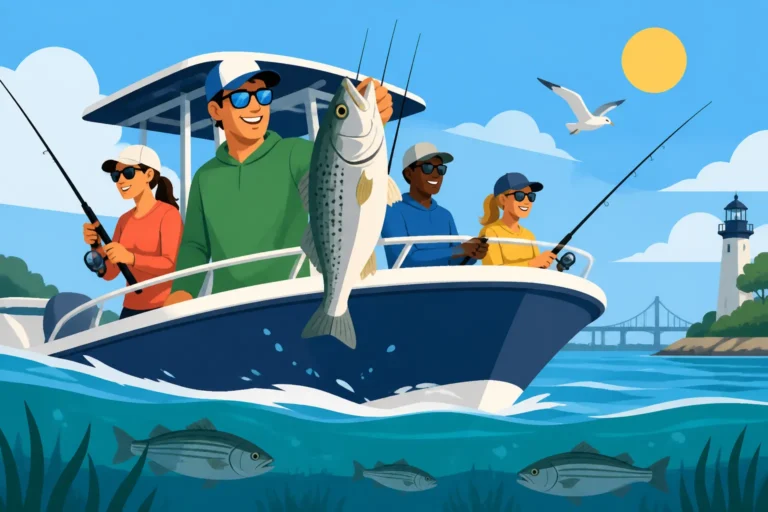
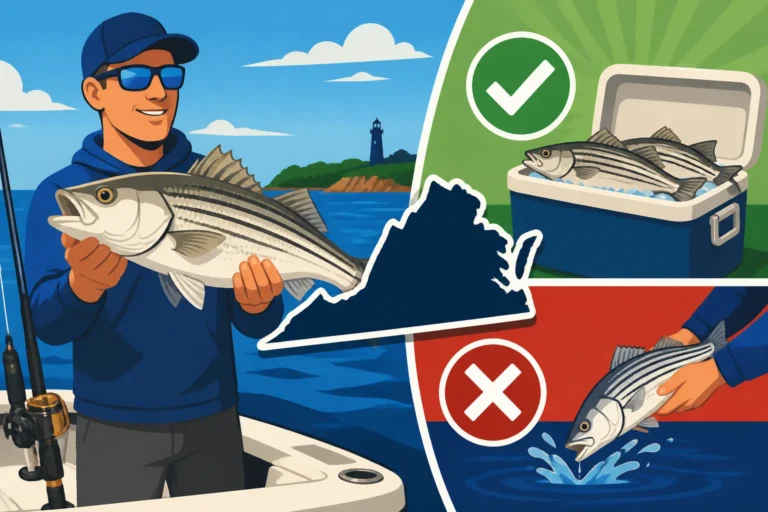
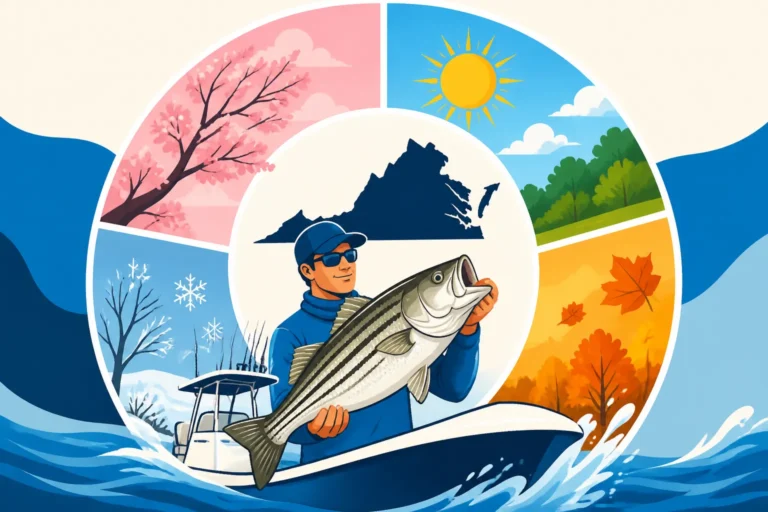
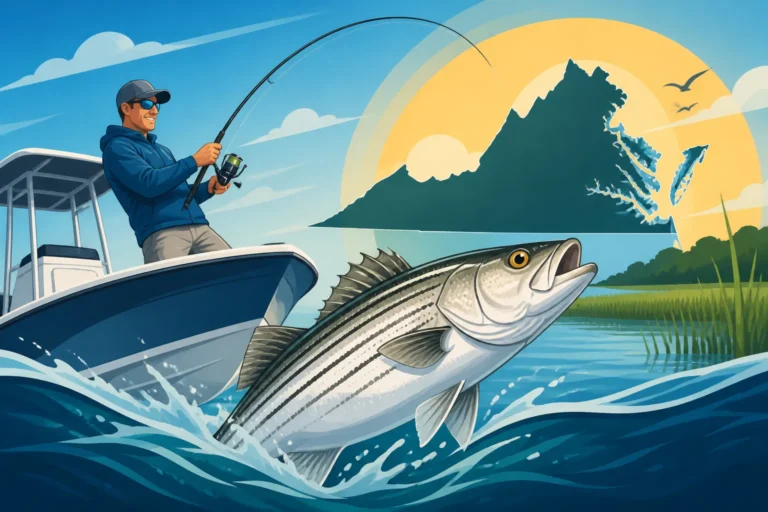
The striped bass, affectionately known as rockfish by many Virginians, is perhaps the most iconic and sought-after species in Virginia's coastal waters. Its regulations are also among the most dynamic, often changing to reflect stock assessments and conservation needs. Typically, you'll find a daily possession limit of one fish per person, and often a very specific "slot limit." For example, a common slot limit might be 28 to 31 inches, meaning any striped bass you catch must measure within that specific range to be legal to keep. Anything smaller or larger must be immediately released. What complicates things even further are the "split seasons," where the fishery might open for a period, close, and then reopen again later in the year, as detailed in Virginia Striped Bass Split Season Dates Explained. Charters strictly adhere to these rules. If you're targeting stripers on a Chesapeake Bay charter, your captain will be meticulous about measuring every fish and guiding you on what's legal to keep. Virginia's One-Fish Striped Bass Limit on Charter Trips is a critical detail to remember.
Flounder, Tautog, and Drum Limits
Beyond striped bass, Virginia's saltwater charters target a host of other exciting species, each with its own set of rules. Flounder, with their delicious white meat, are popular bottom dwellers. Their limits usually include a daily bag limit (e.g., a certain number of fish per person) and a minimum size limit. Tautog, known for their powerful fight around rocky structures, also have bag and size limits, and their seasons can be quite specific, sometimes with closures during colder months. Red Drum, a powerful game fish, also comes with size restrictions, often a slot limit to protect larger, spawning fish, and a daily bag limit. Black Drum might have similar regulations, often with an emphasis on protecting very large individuals. These limits are designed to protect these distinct populations. When booking through a service like FishingBooker, make sure to clarify what species are in season during your trip dates. You can also find more specifics on Rockfish Rules Along the Virginia Coast.
Freshwater Species Bass, Crappie, Catfish on Guides
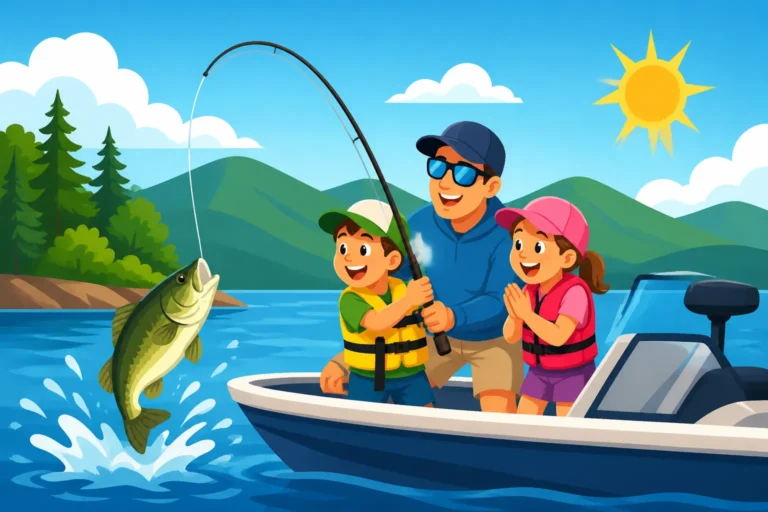
While many think of Virginia charters for saltwater adventures, a significant number of guides operate on the state's vast freshwater lakes and rivers, targeting species like largemouth bass, smallmouth bass, crappie, and various catfish. Freshwater regulations are generally set by the Virginia DWR. For bass, typical rules include a daily limit (e.g., five bass per person) and sometimes minimum size limits or even special slot limits on specific lakes to manage trophy fisheries. Crappie often have generous daily limits (sometimes 25 per person) but may have minimum size requirements. Catfish, particularly channel and blue catfish, are often less regulated with high or no daily limits in many areas, particularly for invasive species, though some waters might have specific trophy regulations. Your freshwater guide will be an expert on the local rules for their specific body of water, whether it's Smith Mountain Lake Fishing Guide or a trip on the Fishing the James River in Virginia.
| Species (Example) | Typical Daily Limit (per person) | Typical Size Restriction | Seasonal Notes |
|---|---|---|---|
| Striped Bass | 1 | 28-31 inches (slot) | Split seasons common, check dates |
| Summer Flounder | 4 | 17 inches minimum | Seasonal closures, check dates |
| Tautog | 3 | 16 inches minimum | Seasonal closures, check dates |
| Red Drum | 1 | 18-25 inches (slot) | Check state regulations for specifics |
| Largemouth Bass | 5 | 12-15 inches minimum (varies by lake) | Open year-round, but specific lake rules apply |
| Crappie | 25 | 9 inches minimum (varies by lake) | Open year-round, check local lake rules |
Note: These are illustrative examples only. Virginia fishing regulations are complex and subject to change. Always verify current rules with the Virginia DWR or VMRC before your trip.
Navigating Regulation Changes and Staying Informed
One of the biggest frustrations for anglers, especially those planning a trip far in advance, is the dynamic nature of fishing regulations. What was legal last year, or even last month, might have changed. Staying informed is crucial for a successful and compliant charter experience.
How Regulations Can Change Throughout the Year
Fishing regulations aren't set in stone; they're living documents that evolve based on scientific data, environmental factors, and conservation goals. Fishery managers continually monitor fish populations, spawning success, and angler harvest rates. If a particular stock shows signs of decline, regulators might reduce daily limits, increase minimum size requirements, shorten seasons, or even implement temporary closures. Conversely, if a population is thriving, limits might be relaxed slightly. These changes can happen seasonally, annually, or even in response to unforeseen environmental events. For instance, the Virginia's 28 to 31 Inch Striped Bass Slot Limit for Charter Anglers has been adjusted over time to protect the species. This constant evolution is why relying on outdated information can lead to problems on the water.
Resources for Up-to-Date Information
So, where do you find the most current and accurate information? The official sources are always your best bet. For freshwater fishing, the Virginia Department of Wildlife Resources (DWR) website is indispensable. For saltwater and tidal waters, the Virginia Marine Resources Commission (VMRC) website is the authority. Both agencies publish their regulations online, often with easy-to-read summaries and printable guides. Many charter captains will also have direct access to these updates. When you're researching and considering different charters, platforms like FishingBooker often provide links to the latest regulations or their experienced captains are well-versed in them and will communicate any critical changes. Additionally, local tackle shops near popular fishing areas can also be excellent sources for current, hyper-local regulation updates. Always check the official DWR or VMRC sites for specific rules before your trip. For example, look up information found in Virginia Fishing Regulations Explained or Virginia Fishing License Guide to understand the broader framework.
What to Ask Your Charter Captain Before the Trip
Even with all the resources available, your charter captain remains your most direct and reliable source for immediate, practical regulation information. Before finalizing your booking, especially through services like FishingBooker or directly with the captain, don't hesitate to reach out and ask specific questions. Here's a list of essential questions to clarify:
- "What are the current daily possession limits for [target species]?"
- "Are there any size restrictions or slot limits for [target species] that we need to be aware of?"
- "Is [target species] currently in season for keeping? Are there any upcoming closures during our trip dates?"
- "What do you typically do with fish that are out of season or undersized?"
- "Do you encourage catch-and-release, or is keeping fish the primary goal on your trips?"
These questions will help you manage your expectations and ensure you're fully prepared for the day. A good captain will appreciate your proactive approach and be happy to provide clear answers.
Practical Considerations and Ethical Angling on Charters
Beyond just knowing the numbers and sizes, there are practical aspects and ethical considerations that come into play when thinking about how many fish you can keep on a charter trip. A great fishing experience is about more than just filling a cooler.
Catch-and-Release vs. Keeping Your Catch
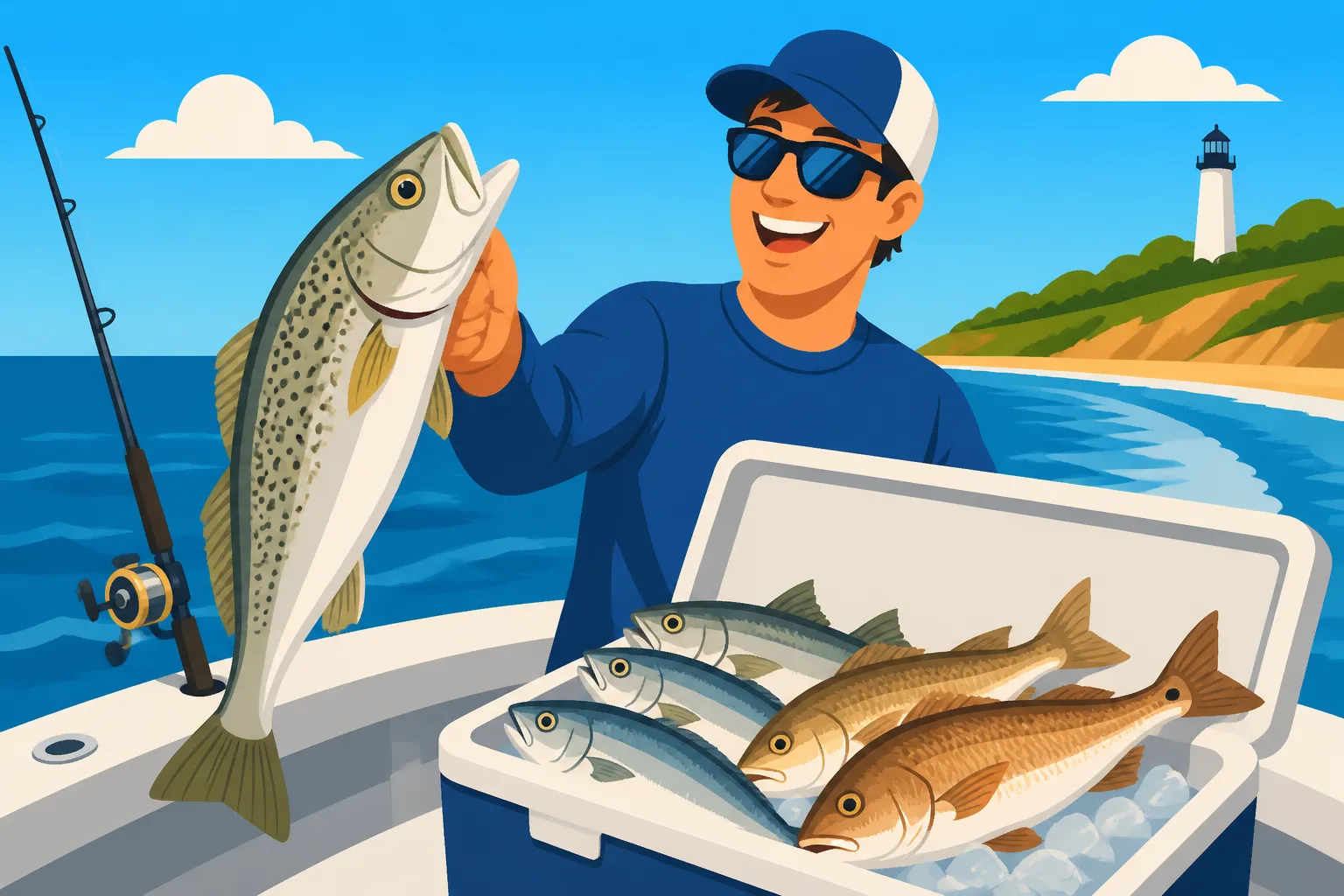
Many charter trips offer a fantastic balance between the thrill of the catch and the enjoyment of taking fresh fish home for dinner. However, there's a growing emphasis on catch-and-release, especially for certain species or during sensitive times of the year. Your captain might encourage releasing larger, breeding fish (even if they're within a legal slot limit) to bolster future populations, or smaller fish that are legal but might not offer much meat. Responsible catch-and-release techniques minimize stress and injury to the fish, increasing its chances of survival. On a charter, the crew is highly skilled in proper handling, quickly unhooking, and safely releasing fish. Sometimes, the goal isn't just to keep fish, but to experience the fight and appreciate the wildness of the resource. Discuss your preferences with your captain beforehand; most are happy to accommodate. For some species, like in Virginia's One-Fish Striped Bass Limit on Charter Trips, catch-and-release is often the norm after the first legal fish is kept.
Cleaning and Preparing Your Fish After the Trip
So, you've had a fantastic day, respected all the limits, and now have a legal catch to take home. What happens next? The vast majority of Virginia fishing charters include fish cleaning and filleting services as part of the trip fee, or for a small additional gratuity for the crew. This is a huge convenience, as cleaning fish can be a messy and time-consuming task, especially for larger species. The crew will expertly clean, fillet, and bag your catch, making it ready for transport home or immediate cooking. They often have specific methods to ensure the meat is handled properly, keeping it fresh. Always confirm this service with your captain when booking, so you know exactly what to expect. This convenience is a major perk of booking a guided trip versus fishing solo. You can learn more about this by asking Does a Virginia Fishing Charter Clean Your Catch for You?.
Respecting the Resource
Ultimately, understanding how many fish you can keep on a charter trip in Virginia boils down to respecting the resource. The regulations are in place to ensure that Virginia's waters remain vibrant fisheries for years to come. Every angler, from the seasoned veteran to the first-timer, plays a role in conservation. Adhering to bag limits, size restrictions, and seasonal closures isn't just about avoiding penalties; it's about being a steward of the environment. Charters and guides are often at the forefront of this effort, acting as educators and enforcers of sustainable practices. By choosing a reputable charter, familiar with all current regulations, and by doing your part to understand the rules, you contribute to the health and abundance of Virginia's incredible aquatic life. You're not just fishing; you're participating in a legacy.
Disclaimer
This article is for general informational purposes only and does not constitute professional advice. Laws, prices and regulations vary by location and change over time. Consult a qualified professional for guidance on your specific situation.