How Long a Half-Day Charter Actually Lasts
It's incredibly common for folks new to booking fishing charters, or even those who've gone a few times, to wonder what "half-day" truly means when you're out on the water. It’s not always as straightforward as it sounds, and you certainly don't want to show up expecting one thing and get another, especially when you've got your heart set on reeling in some Virginia rockfish or a feisty largemouth. This guide is here to clear up exactly how long a half-day fishing charter actually lasts in Virginia and help you decide if it's the right choice for your next angling adventure.
Decoding the "Half-Day" Charter in Virginia
The term "half-day" can feel a little ambiguous, can't it? When you're dreaming of a day out on the Chesapeake Bay or a tranquil lake, understanding the actual time commitment is crucial for planning. It's not just about the lines in the water; it's about the entire experience from dockside to dockside.
The Standard Duration: What to Expect
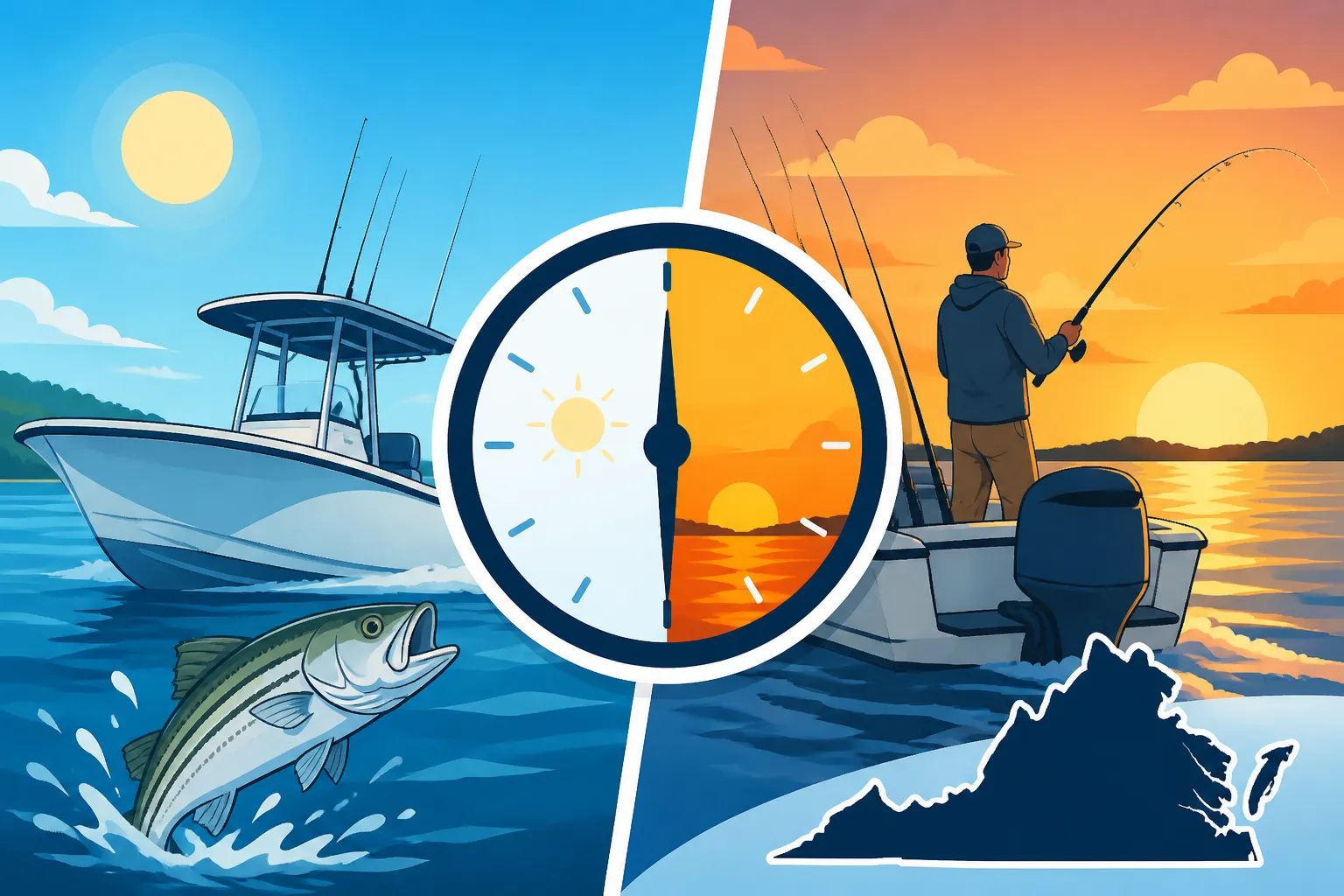
Let's cut right to the chase: a half-day fishing charter in Virginia typically runs 4 to 5 hours from start to finish. Now, I know what some of you are thinking – "Half a day? That's not 12 hours!" And you'd be right. The industry standard for "half-day" isn't a literal split of a 24-hour day or even a typical workday. Instead, it's a recognized charter length designed to offer a substantial fishing experience without committing to a full, sometimes exhausting, day on the water.
This 4 to 5-hour window generally includes everything: your arrival at the dock, a quick safety briefing, the travel time out to the fishing grounds, the actual time you spend with lines in the water, and the journey back to the marina. So, if your charter is scheduled for 8 AM to 1 PM, that 5-hour block is the total experience. It's often the perfect amount of time for families with younger kids whose attention might wane after a few hours, or for beginners who want to dip their toes into the charter fishing world without a huge time or financial commitment.
Factors Influencing the Actual Time on Water
While 4 to 5 hours is the general rule, several factors can subtly influence how much of that time you actually spend with a rod in your hand. This is where a little upfront research and communication with your captain can make all the difference.
First, consider the distance to the fishing spots. If you're targeting speckled trout or flounder in calmer, inshore waters of the Chesapeake Bay, your travel time to the fishing grounds might be relatively short, leaving more time for actual fishing. However, if you're venturing out for striped bass further into the Bay or nearshore ocean waters off Virginia Beach, that travel time can eat into your active fishing hours. A good captain will try to maximize your fishing time, but the boat has to get there and back safely.
The type of fishing you're doing also plays a role. If you're primarily bottom fishing for croaker or sea bass, the boat might anchor in one or two spots, allowing for continuous fishing. Trolling for striped bass, on the other hand, involves constant movement and setting/re-setting multiple lines, which is part of the fishing process itself but might feel different from sitting still and casting.
Finally, weather conditions can affect travel time, sometimes causing a slightly longer run out or back if the seas are a bit choppy. While captains prioritize safety and won't go out in truly bad weather, a slight chop can add a few minutes here and there. Remember, these seasoned pros are constantly monitoring conditions to ensure the best possible (and safest) trip for you. It's always a good idea to chat with your captain beforehand about what to expect and what kind of fishing is typical for a half-day trip in their area. What to Look for When Booking a Virginia Fishing Charter is a great resource for understanding these details.
What a Half-Day Charter Schedule Really Looks Like
When you book a half-day charter, it’s not just about showing up, casting a line, and leaving. There’s a whole rhythm to the trip, from prepping to packing up, and understanding this timeline helps set realistic expectations for your adventure. It ensures you appreciate every moment, even the bits that aren't actively fishing.
Pre-Trip Preparation and Departure
The clock for your half-day charter often starts ticking the moment you're asked to arrive. Typically, captains request that you show up about 15-30 minutes before the scheduled departure time. This isn't just for fun; it's crucial for a smooth start. During this pre-departure window, you'll have time to:
- Check in: The captain or first mate will welcome you aboard, perhaps collect any remaining payment, and get everyone settled.
- Safety Briefing: This is a non-negotiable part of any charter. The captain will go over important safety procedures, where life vests are, how to use the head (restroom), and general rules for being on the boat. Pay close attention – it’s for your well-being!
- Gear Ready: If you're bringing your own snacks, drinks, or What to Bring on a Virginia Fishing Charter, this is the time to stow it away. The crew will ensure all the fishing gear is ready to go.
- Discussion of the Plan: A good captain will usually give you a quick rundown of where you'll be heading, what you'll be targeting, and what the conditions are like.
Once everyone is aboard and briefed, the actual departure from the dock happens. Then comes the journey to the fishing grounds. This "run time" can vary greatly depending on your location. For instance, if you're on a Smith Mountain Lake Fishing Guides in Virginia trip for striped bass, the captain might have a shorter run to get to schooling fish. On the other hand, a Chesapeake Bay Fishing Charters in Virginia might involve a longer run to reach prime rockfish spots. This travel time is an integral part of your charter, even though you might not be actively fishing yet. It's a great opportunity to enjoy the scenic views, chat with the crew, or just soak in the anticipation.
The Fishing Experience Itself
Once you arrive at the chosen fishing grounds, that's when the real action begins! The crew will help you get your lines in the water, bait hooks, and explain the techniques you'll be using. This is the active fishing time, and it’s what you came for.
During this period, expect constant engagement. You’ll be reeling in fish (hopefully!), re-baiting hooks, and possibly moving to different spots if the bite slows down. Captains are always trying to put you on fish, so if one spot isn't producing, they'll make a move. This also means you'll spend some time pulling lines in, moving the boat, and re-deploying lines. It's all part of the process.
For a 4-5 hour half-day charter, you can usually expect 2-3 hours of dedicated fishing time, not including the travel to and from the grounds. This is a solid window to catch a variety of species, whether it's panfish, smaller bass, or even a few keeper striped bass if the conditions are right and the fish are biting. It's enough time to get comfortable with the gear and enjoy the thrill of the catch without feeling rushed. It's also a good duration for trying out a few different techniques or targeting one specific type of fish without overdoing it.
The Journey Back and Post-Trip Wrap-Up
As the end of the charter approaches, the crew will typically give you a heads-up that it’s time to start heading back to the dock. This journey back is similar to the run out, offering a chance to relax, recap the day's catches, and enjoy the ride.
Once you’re back at the marina, the trip isn't quite over. Most reputable charters offer fish cleaning services as part of their package, or for a small additional fee. This can add another 15-30 minutes to your experience, but it’s invaluable for having your catch ready for the cooler and dinner table. Who wants to clean fish after a fun day out? It's a fantastic service that many anglers truly appreciate.
Finally, there’s the post-trip wrap-up. This involves gathering your belongings, taking some memorable photos with your catch and the crew, and perhaps tipping the crew for their hard work and expertise. This is also a good time to ask any lingering questions you might have about your catch or the local fishing scene. All in all, a half-day charter is a tightly packed experience designed for maximum enjoyment in a manageable timeframe.
Is a Half-Day Charter Right for Your Virginia Fishing Adventure?
Deciding on a half-day charter really depends on what you're hoping to get out of your fishing trip. It's a fantastic option for many, but it's not a one-size-fits-all solution. Let's weigh the pros and cons.
Pros and Cons for Different Anglers
A half-day charter hits a sweet spot for a variety of anglers, especially in a diverse fishing state like Virginia.
Pros of a Half-Day Charter:
- Great for Beginners: If you’re just starting out or haven’t been on a charter before, a shorter trip is less intimidating and gives you a taste of the experience without committing to a full day.
- Family-Friendly: Hands down, half-day trips are ideal for families, particularly those with younger children. Little ones (and even some adults!) can lose interest or get tired after a few hours, and a half-day trip keeps everyone engaged and happy. It's often listed under Family-Friendly Fishing Charters in Virginia for this reason.
- Budget-Conscious: Generally, half-day charters are less expensive than their full-day counterparts, making them a more accessible option for many. While I can't give specific prices, you'll notice a clear difference when comparing options.
- Trying a New Area or Species: If you're visiting a new spot like Virginia Beach Fishing Charters and Trip Costs or just want to try targeting a new species, a half-day trip lets you test the waters without a huge commitment.
- Less Physically Demanding: Spending 4-5 hours on a rocking boat is much easier on the body than 8+ hours, especially if you're prone to motion sickness or have physical limitations.
Cons of a Half-Day Charter:
- Limited Fishing Opportunities: With less time on the water, you might not be able to hit as many different fishing spots or try a wide variety of techniques. If you're looking for a diverse angling experience, it might feel a bit rushed.
- Challenging for Elusive Species: Some highly sought-after species, like certain types of offshore tuna or large migratory fish, might require more travel time and sustained effort than a half-day trip can offer.
- Less Time for Learning: While you'll certainly learn from the crew, a longer trip allows for more in-depth instruction and practice, which can be beneficial for those looking to significantly improve their skills.
- Less Coverage of Vast Areas: For expansive fisheries like the Chesapeake Bay, a half-day might mean sticking to closer-in spots rather than venturing to further, potentially more productive, grounds.
Ultimately, if you're looking for a fun, focused, and enjoyable fishing experience that won't take up your entire day, a half-day charter is often an excellent choice.
Comparing Half-Day with Other Charter Options
To truly understand if a half-day charter is for you, it helps to see it in context with other common charter lengths. While a half-day is typically 4-5 hours, you'll also find "3/4-day" and "full-day" options in Virginia.
- 3/4-Day Charters: These usually run about 6 hours. They offer a nice middle ground between a half-day and a full-day. You get more time on the water, which often means the captain can take you to further spots, allow for more fishing time, or target a couple of different species. This extra time can be incredibly valuable, especially if the bite is slow in one area.
- Full-Day Charters: These are the big kahunas, typically lasting 8 hours or more. A full-day trip gives you the most flexibility and time on the water. This is when you can really explore different fishing grounds, dedicate more time to targeting specific species, or venture further offshore. If you're serious about your fishing, want to maximize your chances for a trophy catch, or just love being out on the water, a full-day trip is often the preferred choice.
Here’s a quick comparison to help you visualize the differences:
| Charter Type | Typical Duration (Dock-to-Dock) | Key Advantages | Best For |
|---|---|---|---|
| Half-Day | 4-5 Hours | Cost-effective, less time commitment, family-friendly | Beginners, families with young children, those with limited time or budget, trying a new area or species briefly. |
| 3/4-Day | 6 Hours | More fishing time than half-day, good value | Anglers who want more than a half-day but aren't ready for a full-day, slightly more serious fishing, more flexibility for captain to find fish. |
| Full-Day | 8+ Hours | Maximum fishing time, flexibility, wider range | Experienced anglers, those targeting elusive species, offshore trips, multiple fishing techniques, maximizing chances for a trophy catch, extended learning opportunities. |
As you can see, each option serves a different purpose. Your choice will largely depend on your experience level, budget, target species, and who you're bringing along. For a deeper dive, check out Half-Day vs Full-Day Fishing Charters in Virginia and Comparing Trip Lengths and Prices for Virginia Charters.
Maximizing Your Time on a Half-Day Trip
Since a half-day charter is a more condensed experience, making the most of every minute is key. You want to ensure you get the best possible fishing adventure within that 4-5 hour window. It all comes down to preparation and clear communication.
Communication is Key with Your Captain
This might sound obvious, but open and honest communication with your captain before you even step foot on the boat can drastically improve your half-day experience. Don't be afraid to ask questions!
- Discuss Expectations: Let your captain know what you're hoping to catch and what your priorities are. Is it just to get lines wet and have fun, or are you hoping for a specific species like flounder or rockfish? They can manage your expectations about what's realistic for a half-day trip.
- Ask About Target Species and Grounds: Inquire about what fish are biting best during your Best Time of Year to Book a Virginia Fishing Charter and where they typically go for a half-day trip. Will you be staying inshore, or will there be a bit of a run to reach the fishing grounds? This helps you understand how much "active fishing" time you might have.
- Confirm Inclusions: What's included in the charter price? Most charters provide rods, reels, bait, and tackle. But Does a Virginia Fishing Charter Include Your License? Usually, no, so you'll need your Virginia Fishing License Guide sorted beforehand. Ask about fish cleaning, ice, and anything else you're curious about. You can find many of these answers by looking at charter listings and reviews on platforms like FishingBooker, which often list what's provided and offer a way to message the captain directly.
- Review Policies: Familiarize yourself with their cancellation policy and what happens in case of bad weather.
By having these conversations upfront, you and your captain can be on the same page, leading to a much smoother and more enjoyable trip. Questions to Ask Before Booking a Charter in Virginia is another excellent resource for this.
Being Prepared and Punctual
Once you've had those important conversations, your role in maximizing the trip begins with being prepared and punctual. Remember, the clock starts when the charter is scheduled to begin, so every minute counts.
- Arrive Early: Aim to be at the dock 15-30 minutes before your scheduled departure. This gives you ample time to check in, use the restroom, stow your gear, and get settled without feeling rushed. A delayed start eats into your fishing time!
- Have Your Essentials Ready: Make sure you have your Virginia Fishing License Requirements for Residents and Nonresidents in order (if not covered by the charter), any medications you might need (like for motion sickness), sunscreen, hats, sunglasses, and appropriate clothing. Having your food and drinks packed and ready to go means less fumbling on the boat.
- Listen to the Crew: Pay attention during the safety briefing and when the crew gives instructions on fishing techniques or boat rules. They're there to help you have a great time and catch fish, so follow their guidance.
- Minimize Distractions: While it's a social outing, try to focus on the fishing experience. The more efficient everyone is with casting, reeling, and re-baiting, the more fish you're likely to catch within your limited time.
Taking these steps ensures that once the lines are in the water, you can truly focus on the thrill of the catch. Many charters found on FishingBooker provide detailed packing lists and pre-trip information, making it easier than ever to arrive fully prepared and ready to fish. Being proactive helps everyone make the most of those precious 4-5 hours on the beautiful waters of Virginia.
Disclaimer
This article is for general informational purposes only and does not constitute professional advice. Laws, prices and regulations vary by location and change over time. Consult a qualified professional for guidance on your specific situation.