Free Fishing License for Virginia Seniors 65 and Older
Figuring out the ins and outs of fishing licenses in Virginia can feel like navigating a winding river without a map, especially when you hit a certain age. Many senior anglers worry about keeping up with changing regulations, the cost of licenses on a fixed income, or simply getting tripped up by a confusing rule. It’s a common frustration, but the good news is, for many of you seasoned fishers aged 65 and older, Virginia offers some wonderful exemptions and affordable options that can make your time on the water much simpler and more enjoyable. This guide is designed to cut through the jargon, clearly explain what you need (or don't need) to fish legally in Virginia, and ensure you can enjoy those tranquil mornings and exciting catches without a bureaucratic headache.
Understanding Virginia's Fishing License Landscape for Seniors
Hitting that 65-year mark often brings a sigh of relief for anglers in Virginia, and for good reason. The Commonwealth recognizes the contributions of its senior citizens and offers significant breaks on fishing license requirements. However, it's not a blanket "free pass" for every type of fishing, and understanding the nuances between freshwater and saltwater regulations is key to staying legal and stress-free.
The 65-Year-Old Threshold: What Changes?
Once you celebrate that 65th birthday, Virginia rolls out the welcome mat for resident anglers, fundamentally changing how you approach your fishing trips. For many years, you’ve likely been accustomed to purchasing an annual freshwater, saltwater, or combination license. Now, a major part of that equation simply disappears, allowing you to cast your line without the general annual fee. This change is a fantastic benefit, especially for those who cherish the peace and quiet of a local lake or river.
However, the state wisely distinguishes between its vast freshwater systems—like the scenic James River or the many serene state park lakes—and its extensive saltwater estuaries and coastal waters, such as the expansive Chesapeake Bay. While the freshwater side offers complete fee exemption for the basic license, the saltwater side has its own distinct, though very affordable, options. It’s this distinction that often causes the most confusion, but we’re here to clarify it so you can focus on the tug on your line, not the rules.
Why These Rules Exist: Conservation and Funding
It’s easy to wonder why there are so many different rules and fees to begin with. The Virginia Department of Wildlife Resources (DWR) manages and protects the state's diverse fish populations and aquatic habitats. The revenue generated from fishing licenses, special permits, and related fees is absolutely crucial for funding these essential conservation efforts. This money goes directly towards stocking programs, habitat restoration, scientific research, law enforcement (those friendly game wardens you see on the water), and public access improvements. Every dollar helps ensure that future generations, including your grandchildren, have healthy fish to catch.
The decision to offer exemptions and reduced costs for senior residents isn't just a kind gesture; it's a recognition of the lifetime contributions many seniors have already made, both through their past license purchases and their general civic engagement. It’s a way to ensure that fishing remains an accessible and enjoyable pastime as you age, even as the overall system works to maintain the health of Virginia's precious natural resources. It's a balance, and understanding this balance helps appreciate why some rules remain, even with senior exemptions.
Freshwater Fishing: Free for Virginia Seniors
This is where the news gets really good for Virginia residents who love to fish inland waters! If you're 65 or older and a resident of the Commonwealth, you can breathe a huge sigh of relief when it comes to freshwater fishing.
The Golden Ticket: No License Required
For Virginia residents who have celebrated their 65th birthday, the basic freshwater fishing license requirement is waived. That’s right – no annual fee, no renewal headaches, no trips to the license agent just to fish for bass or panfish in your local lake. You can fish in public freshwater lakes, rivers, and streams across Virginia without needing to purchase a general freshwater license. This means you can visit beautiful Lake Anna, explore the mighty James River, or simply drop a line in a pond at a Virginia State Park, all without the worry of having the right paper or digital license.
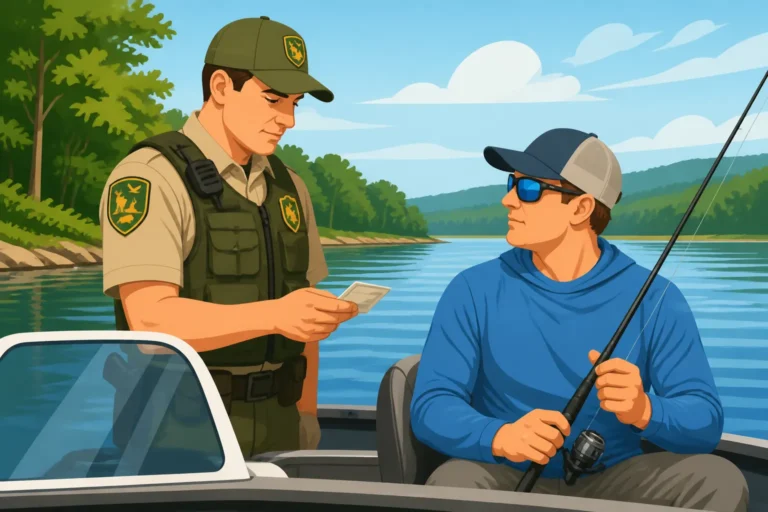
This exemption is a fantastic benefit, allowing seniors to enjoy more time doing what they love. However, and this is important, you must be able to prove your age and residency if asked by a DWR game warden. Always carry a valid Virginia driver’s license or a state-issued ID card that clearly shows your date of birth. It's your "golden ticket" on the water, proving you qualify for the exemption. Just imagine the freedom: less hassle, more fishing, and more memorable moments on the water. Many Anglers 65 and older fish Virginia's freshwater waters without paying a license fee.
What About Trout Fishing? Special Considerations
Now, while the general freshwater license is free for seniors, there's a specific nuance that often catches people off guard: trout fishing, especially in designated "stocked trout waters." While you don't need a basic freshwater license, you might still need a Virginia Trout License (often called a trout stamp) to fish in designated stocked trout waters.
The DWR actively stocks many rivers and streams throughout the state with rainbow, brown, and brook trout, particularly during the cooler months. These stocking programs are expensive, and the funds for them come directly from the sale of trout licenses. So, even if you’re 65 and older, if you plan to target these stocked trout in these specific waters, you will need to purchase the trout stamp.
It's crucial to distinguish between wild trout streams and stocked trout waters. For wild trout streams, which often have their own specific regulations regarding length limits and gear, you generally wouldn't need the trout stamp, but you still need to ensure you're fishing legally according to the wild trout stream rules. Always double-check the DWR regulations for the specific body of water you intend to fish, as rules can vary. Many anglers find themselves asking, Do you need a special license to fish stocked trout waters in Virginia? and the answer for seniors, unfortunately, is often yes for the trout stamp portion. Understanding Stocked Trout License Requirements in Virginia is important to avoid any potential fines.
Saltwater Fishing: Options and Exceptions for Seniors
While freshwater fishing offers a complete waiver for seniors, the saltwater side of Virginia's angling scene operates a little differently. Many seniors mistakenly believe that if they're exempt from a freshwater license, they're automatically exempt from saltwater as well. This isn't the case, but the good news is that Virginia still offers incredibly affordable options for resident senior saltwater anglers.
The Virginia Saltwater Recreational Fishing License Requirement
Unlike freshwater, a specific license or registration is generally required for saltwater recreational fishing in Virginia, regardless of age. This applies to fishing in the vast tidal rivers, the Chesapeake Bay, and out into the Atlantic Ocean. Whether you're casting from a pier, wading in the surf, or fishing from a boat, you need to be covered. This distinction can be a bit of a shock if you've only ever fished freshwater or moved from a state with different rules.
The standard Virginia Resident Saltwater Fishing License Cost is typically around $17.50 for an annual license for those under 65. However, for senior residents, the state has provided a far more economical and convenient solution that makes saltwater angling incredibly accessible. It’s important to understand that the general rule is not a blanket exemption for saltwater, but rather a special, low-cost option designed specifically for seniors.
The $5 Lifetime Saltwater Fishing License for Seniors
Here’s where Virginia truly shines for its senior saltwater enthusiasts! If you are a Virginia resident aged 65 or older, you qualify for a one-time, lifetime Virginia Saltwater Recreational Fishing License for just $5. Yes, you read that right – five dollars for a license that will cover you for the rest of your life. This is an incredible deal and by far the best option for any senior planning to do even a modest amount of saltwater fishing in Virginia.
This $5 lifetime license covers all state tidal waters, including the Chesapeake Bay and its tributaries, and extends into the Atlantic Ocean within Virginia’s jurisdiction. It means you can fish for striped bass (rockfish), flounder, croaker, spot, red drum, and a host of other species without ever having to worry about renewing your saltwater license again. This small, one-time investment eliminates annual fees and the hassle of repeated purchases. It's a no-brainer for most senior saltwater anglers. Many find that Virginia offers a one-time $5 saltwater license for anglers over 65.
The Free Virginia Fisherman Identification Program (FIP) Registration
Beyond the $5 lifetime license, there's another option, though it comes with more limitations: the Virginia Fisherman Identification Program (FIP) registration. This is a free federal program designed to collect recreational fishing data, and in certain, very specific circumstances, it can serve as an alternative to a state saltwater license for seniors.
However, and this is a big "however," FIP registration is not a full-fledged state fishing license. It primarily covers fishing for marine species in federal waters (beyond three miles offshore) and may exempt you from a state license if you are only fishing from a licensed public pier (where the pier holds a blanket license for all its anglers). Critically, FIP registration does not cover fishing for anadromous species (like striped bass, shad, or herring) in Virginia's tidal waters, nor does it cover fishing in most state-managed waters from your own boat or from shore.
So, while it's free, its utility for most active saltwater anglers is quite limited. If you’re truly only planning to fish from a handful of specific, licensed public piers, or if you predominantly fish federal waters for certain species, then the FIP registration might suffice. But for general saltwater fishing from shore, a private boat, or targeting species like striped bass in the Bay, the $5 lifetime license is the way to go. It's really important to understand that Free FIP saltwater registration for Virginia seniors explained does not grant you the same comprehensive coverage as a state-issued license.
Navigating the Choice: $5 Lifetime License vs. Free FIP Registration
Deciding between the $5 lifetime saltwater license and the free FIP registration can be a bit puzzling. Both options exist for Virginia's senior anglers, but they cater to very different fishing scenarios. Understanding their benefits and limitations will help you make the right choice for your angling adventures.
When to Choose the $5 Lifetime License
For the vast majority of Virginia resident seniors who enjoy saltwater fishing, the $5 lifetime saltwater recreational fishing license is the clear winner and the recommended choice. It's truly a fantastic value that provides comprehensive coverage and eliminates any doubt about legality.
Pros of the $5 Lifetime License:
- Comprehensive Coverage: This license covers you for all recreational saltwater fishing in Virginia's state tidal waters, including the Chesapeake Bay, its numerous tributaries, and coastal waters out to three miles. It also covers fishing for anadromous species like striped bass.
- Simplicity: Buy it once, and you’re covered for life. No annual renewals, no remembering expiration dates. This simplicity is a huge relief for many who want to minimize administrative tasks and maximize fishing time.
- Peace of Mind: You won't have to second-guess whether you're legal in a particular spot or for a particular species. This license is universally accepted for recreational purposes within Virginia's state saltwater boundaries.
- Flexibility: Whether you fish from a pier, the shore, a kayak, or a private boat, this license has you covered.
Scenarios Where the $5 Lifetime License Excels:
- You plan to fish regularly in the Chesapeake Bay or its tidal rivers, targeting anything from striped bass and flounder to croaker and spot.
- You enjoy fishing from your own boat or a friend's boat in saltwater.
- You love pier fishing but want the flexibility to fish from any pier, not just those with blanket licenses, or also fish from shore.
- You want to avoid any potential confusion or fines, opting for the most straightforward and secure option available.
For just five dollars, it’s an investment that pays dividends in convenience and access for years to come. Thinking about a comfortable fishing chair or a new tackle box to go with your new license? You can find a huge selection on Amazon.
When Free FIP Registration Might Be Enough
While the $5 lifetime license is generally superior, there are very specific, limited circumstances where the free FIP registration might be sufficient for a senior resident.
Pros of FIP Registration:
- Truly Free: The primary advantage is that there's no cost whatsoever.
- Data Collection: It contributes to vital federal fisheries data collection, which is important for science and management.
Cons of FIP Registration:
- Limited Scope: This is not a full fishing license. It generally only covers fishing for marine species in federal waters (beyond three miles offshore).
- Anadromous Species Exclusion: It explicitly does not cover fishing for anadromous species (fish that migrate between salt and fresh water, like striped bass, shad, or herring) in Virginia's tidal waters.
- Pier-Specific Exemption: While it can exempt you if you are only fishing from a specific public pier that holds a blanket license for all its anglers, this is a pier-by-pier rule. You need to verify with each individual pier. If you step off that pier to fish the shore, you're likely no longer covered.
Scenarios Where FIP Registration Might Be Adequate:
- You only plan to fish from a public pier that explicitly states it holds a blanket license for its anglers, and you won't be targeting anadromous species like striped bass. Even then, verify!
- You only fish for specific marine species strictly in federal waters, meaning more than three miles offshore, and your vessel is already covered by a federal permit or you're on a federally permitted charter. This is a very niche scenario for recreational anglers.
Most anglers will find the FIP too restrictive. When trying to choose, remember that Choosing between FIP registration and the $5 lifetime license in Virginia often comes down to how much flexibility and peace of mind you desire on your fishing trips.
Practical Comparison Table
To help clarify the differences and guide your decision, here's a quick comparison of the saltwater fishing options for Virginia residents aged 65 and older:
| Feature | Freshwater Fishing (Virginia Residents 65+) | $5 Lifetime Saltwater License (Virginia Residents 65+) | Free FIP Registration (Virginia Residents 65+) |
|---|---|---|---|
| Cost | Free | $5 (one-time fee) | Free |
| Coverage | All public freshwater lakes, rivers, streams. | All state tidal saltwater waters, Chesapeake Bay, coastal waters (0-3 miles offshore). Includes anadromous species. | Primarily federal waters (beyond 3 miles offshore) for marine species. Limited exemption for certain licensed public piers. Does NOT cover anadromous species in state waters. |
| Duration | Lifetime (as long as residency/age maintained) | Lifetime | Annual (must renew each year) |
| Target Species Covered | Bass, crappie, catfish, sunfish (general species). Special stamp needed for stocked trout. | Striped bass, flounder, croaker, spot, red drum, etc. (all marine/anadromous in state waters). | Marine species in federal waters. May cover general marine species from specific licensed piers. |
| Ease of Use | Just carry ID. | One-time purchase, carry ID. | Annual registration, carry ID. Very limited applicability. |
| Recommended For | All freshwater anglers 65+. | All saltwater anglers 65+ for comprehensive coverage. | Very specific, limited scenarios (e.g., only certain licensed public piers, or purely federal offshore fishing). |
Common Questions and Important Reminders for Senior Anglers
Even with the great benefits Virginia offers its senior anglers, a few questions and considerations often pop up. Understanding these will help ensure your fishing trips are smooth, legal, and enjoyable.
Proving Your Age and Residency
This point cannot be stressed enough: while certain licenses are waived or discounted, you are still required to carry valid identification that proves you meet the age and residency requirements. If a Virginia DWR game warden approaches you on the water, they will ask for identification.
What to Carry:
- Virginia Driver's License: This is usually the easiest and most universally accepted form of ID. It clearly states your date of birth and confirms Virginia residency.
- Virginia State ID Card: If you don't drive, a state-issued identification card serves the same purpose.
What to Expect:
Game wardens are out there to protect our natural resources and ensure everyone is following the rules. They are typically courteous and professional. When they ask to see your identification, simply present it. They'll quickly verify your age and residency against the regulations. Refusing to provide identification can lead to complications, even if you are otherwise legally fishing. Remember, Virginia game wardens check for valid fishing licenses on the water, and your ID is your "license" in many cases.
Reciprocity with Neighboring States
A common question, especially for those who live near state lines or enjoy fishing road trips, is whether Virginia's senior fishing license exemptions extend to neighboring states. The short answer is: generally, no.
Each state has its own set of fishing regulations, license requirements, and senior exemptions. A free freshwater license or a $5 lifetime saltwater license from Virginia is only valid within Virginia's borders. If you plan to fish in Maryland, North Carolina, West Virginia, Tennessee, or Kentucky, you will need to familiarize yourself with their specific rules for senior non-residents and purchase any required licenses from that state. While some states have limited Fishing License Reciprocity Between Virginia and Neighboring States for certain border waters, these agreements rarely extend to senior exemptions. Always check with the relevant state's wildlife or natural resources agency before crossing state lines with your fishing gear.
Where to Purchase the $5 Lifetime Saltwater License
While the freshwater license is automatically waived, you do need to actively obtain the $5 lifetime saltwater license. It's a simple process, and there are several convenient ways to do so:
- Online: The easiest and often quickest way is through the Virginia DWR Go Outdoors Virginia website. You can create an account, select the "lifetime saltwater fishing license for residents 65 and over," and complete the purchase. You can then often print a temporary copy immediately and receive a permanent card in the mail.
- In-Person: Many sporting goods stores, bait and tackle shops, and some department stores (like Walmart or Kmart with a sporting goods counter) are authorized DWR license agents. Just walk in, show your Virginia ID, and they can process the $5 lifetime license for you on the spot. This is a great option if you like to support local businesses or prefer a physical interaction.
- Mail-In: While less common now with online options, you can still typically download a license application from the DWR website, fill it out, and mail it in with a check or money order. Just be aware this method takes longer to receive your license.
No matter which method you choose, make sure you keep a copy or carry your physical license (or proof of purchase) when fishing. If you need some fishing line, hooks, or a new tackle storage solution while you're at it, you can always check out what's available on Amazon after you secure your license.
Beyond the License: Making the Most of Senior Fishing
Having your license situation sorted is a huge step, but truly enjoying fishing as a senior goes beyond just legalities. It's about comfort, accessibility, and remembering that the journey is as important as the catch.
Equipment Considerations for Comfortable Senior Fishing
As we age, comfort and ease of use become paramount. You don't need to break the bank for specialized gear, but making a few thoughtful choices can significantly enhance your time on the water.
- Lighter Tackle: Opt for lightweight rods and reels. A lighter setup reduces fatigue, making it easier to cast all day and to enjoy the fight of a fish without straining muscles. Smaller spinning reels and ultralight rods are often perfect for panfish, crappie, and even smaller bass.
- Comfortable Seating: If you're bank fishing or on a boat without built-in seating, a portable, comfortable fishing chair can be a game-changer. Look for models that are easy to carry and provide good back support.
- Sun Protection: Sunscreen is a must, but also consider a wide-brimmed hat, long-sleeved fishing shirts made from UPF-rated fabric, and polarized sunglasses. Protecting your skin and eyes is crucial for long-term health and comfort. You can find excellent, lightweight sun protection gear on Amazon designed specifically for anglers.
- Easy Access Tackle: Organize your tackle box for easy access. Avoid rummaging by having frequently used lures, hooks, and weights in accessible compartments. Consider tackle bags or vests with multiple pockets for quick retrieval.
Accessing Fishing Spots: Piers, Lakes, and Rivers
Virginia boasts a fantastic array of fishing spots, many of which are senior-friendly and easily accessible.
- Accessible Fishing Piers: Many public piers, especially along the Chesapeake Bay and larger lakes, are designed to be wheelchair-accessible and offer benches, restrooms, and sometimes even tackle shops. These are great options for a relaxed day of fishing without the need for a boat or extensive walking. Look for information on Shore Fishing Access Points in Virginia to find spots near you.
- State Parks and Public Lakes: Virginia's State Parks often have well-maintained facilities, including fishing piers, boat launches, and bank fishing areas suitable for seniors. These parks are usually well-signed and easy to navigate. Exploring Family-Friendly Fishing Spots in Virginia can also lead you to serene locations with easy access.
- Local Ponds and Community Lakes: Don't overlook smaller, local ponds or community lakes, which can often provide surprisingly good fishing and are typically very easy to access. Check local county parks and recreation websites for details. For more ideas, explore Virginia's Best Freshwater Fishing Destinations.
Rules and Regulations Beyond the License
Even with a free or discounted license, it’s critical to remember that the fish themselves still operate under specific rules. The DWR implements regulations to maintain healthy fish populations and ensure sustainable fishing for everyone.
- Catch Limits: Always be aware of the daily creel (catch) limits for the species you are targeting. These limits dictate how many fish you can keep in a single day.
- Size Limits: Many species have minimum or maximum size limits (slot limits). Measure your fish carefully. If it's too small or too large, it must be immediately released unharmed.
- Season Dates: While many species can be caught year-round, others, like certain trout or striped bass, have specific seasons when they can be harvested.
- Gear Restrictions: Certain waters or species may have restrictions on the type of bait, lures, or number of rods you can use.
Always consult the latest Virginia DWR Fishing Regulations Digest, which is available online, at license agents, and in print. Being informed not only keeps you legal but also contributes to the conservation efforts we all care about. A quick review of Virginia Fishing Rules Every Angler Should Know and Virginia Fishing Regulations Explained can save you a lot of grief. The penalties for not following these rules, even accidentally, can be significant. It's not uncommon for Penalties for Fishing Without a License in Virginia to include fines and even loss of fishing privileges.
Disclaimer
Please note that fishing regulations are subject to change. While this guide provides the most current information available, it is always advisable to consult the official Virginia Department of Wildlife Resources (DWR) website or their annual fishing regulations digest for the most up-to-date rules and information before heading out to fish.