Smith Mountain Lake Striped Bass Guide Trips
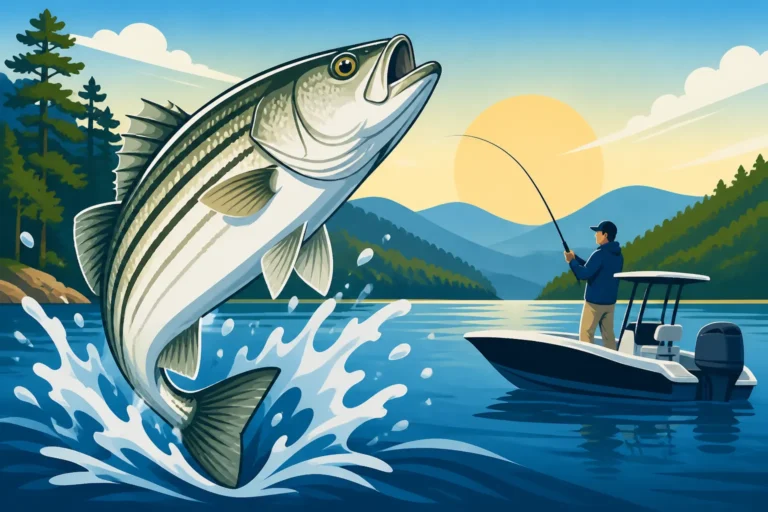
Smith Mountain Lake is a truly incredible fishery, a sparkling jewel nestled in the Blue Ridge Mountains, and it's famous for its phenomenal striped bass population. But let's be real, for anyone new to these waters, or even for experienced anglers who aren't familiar with this particular lake, it can feel like trying to find a needle in a haystack. The sheer size of Smith Mountain Lake, with its intricate coves, deep channels, and sprawling open water, can be overwhelming. You might spend days just trying to figure out where the fish aren't, let alone where they are biting. This guide is going to walk you through everything you need to know about booking and enjoying a Smith Mountain Lake striped bass guide trip, helping you cut through the guesswork and get straight to the action.
Why Consider a Smith Mountain Lake Striper Guide Trip?
When you look out over the vast expanse of Smith Mountain Lake, it’s easy to feel a mix of excitement and intimidation. It’s a beautiful place, no doubt, but that beauty hides a complex underwater world where striped bass roam. For many, the idea of heading out on such a large body of water, searching for a specific, often migratory, fish species, can be daunting. This is precisely where a seasoned guide becomes not just a luxury, but a genuine advantage, transforming a potential wild goose chase into a focused, productive, and incredibly fun day on the water.
Navigating the Lake's Vastness and Structure
Smith Mountain Lake isn't just a big pond; it's a massive reservoir with over 500 miles of shoreline. Imagine trying to learn every nook, every submerged point, every deep-water channel, or every brush pile where stripers might be holding. It’s an impossible task for a casual visitor or even a dedicated angler with limited time. Striped bass are constantly on the move, chasing baitfish like shad, and their patterns change with the seasons, water temperature, and even time of day. What worked yesterday might not work today, and what works on one end of the lake might be completely useless on the other.
A professional guide spends hundreds of days a year on these waters. They know the current conditions, understand the seasonal movements, and track the baitfish. They have intimate knowledge of the lake's topography, from the deep main lake channels near the dam to the shallower, rockier coves upriver. They've identified key structure points, thermoclines, and migratory routes that would take you years of trial and error to discover on your own. This deep understanding allows them to put you on fish quickly, maximizing your limited time on the water. Instead of driving around aimlessly, burning fuel and frustrating yourself, you’ll be heading directly to known productive areas, giving you the best possible chance to hook into some impressive stripers.
Unlocking Striped Bass Behavior and Patterns
Striped bass, often called "stripers," are fascinating creatures with distinct behaviors that change throughout the year. They feed differently in the cold waters of winter compared to the warm waters of summer, and their schooling patterns shift constantly. Understanding these nuances – when they’re likely to be surface schooling, when they’re holding deep, or when they’re chasing bait in open water – is critical for success. Without this knowledge, you're essentially guessing, and fishing becomes more about luck than skill.
A Smith Mountain Lake guide is essentially a walking, talking encyclopedia of striper behavior. They can interpret sonar readings to identify baitfish schools and the stripers lurking beneath them. They understand how barometric pressure, wind direction, and recent weather patterns impact the bite. They can tell you why stripers might be shallow in the early morning but move to deeper, cooler water as the sun climbs high. This isn't just about finding fish; it's about understanding why the fish are there and what they're doing. This insight is invaluable for developing your own fishing skills and gives you a much richer, more educational experience than simply catching fish by chance. It's an opportunity to learn the "hows" and "whys" of Smith Mountain Lake Striped Bass Fishing in Virginia.
Accessing Specialized Gear and Techniques
Let's face it, getting into serious striper fishing requires some specialized equipment. Heavy-duty rods and reels capable of handling powerful fish, a wide array of lures, and often, live bait setups like shad rigs or downriggers for trolling are essential. Buying all this gear for a single trip, or even a few trips a year, can be a significant investment. Plus, simply owning the gear isn't enough; you need to know how to use it effectively. Trolling for stripers, for example, involves specific boat speeds, lure depths, and pattern choices that take years to master. Live bait fishing requires knowledge of how to catch and maintain bait, as well as presentation techniques that entice wary stripers.
When you book a guide trip, all of this specialized equipment is provided for you. You don’t need to worry about buying expensive rods, reels, or tackle, nor do you need to worry about maintaining a livewell full of frisky bait. Your guide will have everything you need, from the right rods and reels to the freshest live bait (often caught by the guide before your trip) or the most effective artificial lures for the day's conditions. They'll show you exactly how to use the gear, teach you the optimal trolling speeds, explain the nuances of vertical jigging, or demonstrate the art of casting to schooling fish. This not only saves you money but also significantly shortens your learning curve, allowing you to experience high-level striper fishing without the upfront investment or frustration of experimenting with unfamiliar techniques. It's a fantastic way to learn about Smith Mountain Lake Striper Trolling Techniques in Virginia firsthand.
What to Expect from a Smith Mountain Lake Striper Guide Trip
So, you've decided a guide trip is the way to go – smart choice! Now you're probably wondering what the actual experience entails. It's not just about showing up with your coffee mug; knowing what to expect can help you prepare mentally and practically for a fantastic day on the water. A good guide trip is a seamless experience where you can focus on the fishing and the beautiful scenery, leaving the heavy lifting to the expert at the helm.
The Guide's Role and Expertise
Your Smith Mountain Lake striper guide is more than just a boat driver; they are your captain, your fishing coach, and your local expert rolled into one. Their primary role is to put you on fish, but they also ensure your safety, provide instruction, and often share stories and insights about the lake and its ecosystem. They've invested countless hours learning the lake, studying striper movements, and honing their techniques. They know where the fish should be, how they should be biting, and what adjustments need to be made if conditions change.
During your trip, expect your guide to handle all the navigation, boat positioning, and bait preparation. They'll typically rig your lines, help you cast (if needed), and teach you how to detect bites and set the hook. They'll constantly monitor their electronics for fish and bait, keeping you in the best possible areas. Many guides are also passionate conservationists and can teach you about proper fish handling and release techniques, especially important for fish that are out of the slot limit or that you choose to release. Think of them as your personal fishing mentor for the day, dedicated to making sure you have a memorable and successful outing.
Common Trip Durations and Inclusions
Smith Mountain Lake striper guide trips generally come in a few standard durations, typically half-day (4-5 hours) and full-day (7-8 hours). The choice often depends on your budget, your endurance, and how much time you want to dedicate to the pursuit. Half-day trips are great for getting a taste of striper fishing or for families with younger children who might have shorter attention spans. Full-day trips offer more time to explore different areas, adapt to changing conditions, and, of course, catch more fish.
Most guide trips will include all the necessary fishing equipment – rods, reels, tackle, and lures. Critically, they also usually include live bait, which for stripers means a lot of fresh shad, often caught by the guide at dawn before your trip. Life jackets are always provided, and many guides will have bottled water on board. Some may offer light snacks, but it's always a good idea to bring your own beverages and food, especially on a full-day trip. What's often not included, and is crucial for you to handle, is your Virginia fishing license. Remember, everyone 16 years or older needs one, so make sure to get your Virginia Fishing License Guide sorted out before you arrive. Your guide will handle the boat's registration, but individual angler licenses are your responsibility.
| Trip Duration | Typical Hours | Key Inclusions (Common) | Exclusions (Angler's Responsibility) | Ideal For |
|---|---|---|---|---|
| Half-Day | 4-5 hours | Rods, Reels, Tackle, Lures, Live Bait | VA Fishing License, Food, Beverages | Beginners, Families, Short Attention Spans |
| Full-Day | 7-8 hours | All Half-Day Inclusions | VA Fishing License, Food, Beverages | Serious Anglers, Learning Deep Techniques |
| Extended | 9+ hours | All Full-Day Inclusions | VA Fishing License, Food, Beverages | Hardcore Anglers, Tournament Practice |
Licensing, Regulations, and Your Catch
One of the big advantages of fishing with a professional guide is their deep understanding of Virginia Fishing Regulations Explained for Smith Mountain Lake. These rules can be complex, especially with species like striped bass that often have specific slot limits and possession limits that vary by body of water and time of year. For instance, the general statewide bass limits might differ from special regulations on a specific lake. Your guide will be intimately familiar with the current rules for Smith Mountain Lake stripers, ensuring that you're always fishing legally and responsibly.
When it comes to your catch, your guide will help you measure fish to ensure they meet the legal size requirements and advise you on the current bag limits. If you plan to keep fish, many guides offer to clean and fillet your catch at the end of the day, a fantastic bonus that saves you a messy job at home. However, it's good practice to confirm this service when you book. If you're more interested in catch-and-release, your guide will facilitate that, ensuring the fish are handled carefully to maximize their survival. Always clarify your intentions regarding keeping fish at the start of the trip, as it can influence the guide's approach to certain spots or techniques. For more details on what you can legally keep, review Virginia's Fishing License and Catch Limit Basics.
Choosing the Right Smith Mountain Lake Striper Guide
So, you're convinced a guided trip is the way to go. Excellent! Now comes the important step: finding the perfect guide for your trip. This isn't just about picking the first name you see; it's about finding someone who matches your expectations, experience level, and desired fishing style. A great guide can make a good trip fantastic, while a mismatch can leave you feeling disappointed. Taking a little time for research here will pay off immensely on the water.
Researching Reputable Guides and Their Specializations
Smith Mountain Lake has a number of fantastic fishing guides, each with their own unique style, areas of expertise, and preferred techniques. Some guides specialize almost exclusively in live bait trolling for stripers, while others might focus more on casting artificials or targeting schooling fish. If you're hoping to learn specific techniques, or if you have a particular type of experience in mind, it's worth seeking out a guide who aligns with those goals. For instance, if you're a fly-fishing enthusiast, you'd want to find a guide who is adept at helping anglers target stripers with flies, which is a specialized skill.
The best way to start your research is by looking at reviews and testimonials. Websites like FishingBooker are excellent resources for finding local guides, seeing their specialties, and reading candid feedback from past clients. Word-of-mouth recommendations from fellow anglers can also be incredibly valuable. Don't hesitate to check out their websites or social media pages, where many guides post recent catches and updates on lake conditions, giving you a feel for their personality and current success rates. Look for guides who have been operating on Smith Mountain Lake for many years, as their experience on these specific waters is paramount.
Understanding Pricing and Packages
Guide trip pricing can vary based on several factors: the guide's experience, the duration of the trip (half-day versus full-day), and whether it's a private or shared charter. Generally, you'll pay a flat rate for the boat and guide, with that rate covering a certain number of anglers (often 1-3 people). Adding extra anglers typically incurs an additional per-person fee, up to the boat's legal capacity. It's crucial to get a clear understanding of the total cost upfront, including any potential extras.
Before you book, ask detailed questions: Is live bait included, or is there an extra charge? Is fish cleaning part of the service? What is their cancellation policy, especially for weather-related issues? Reputable guides will be transparent about their pricing and policies. While it might be tempting to go for the cheapest option, remember that experience, safety, and equipment all factor into a guide's rates. Sometimes, paying a little more for a highly recommended guide can lead to a far more enjoyable and productive experience. Compare different options and consider what's included to get the best value for your money. Virginia Fishing Charters and Guides: The Complete Guide offers more general information on charter pricing.
The Importance of Communication and Compatibility
Once you've narrowed down your choices, don't be afraid to pick up the phone and talk to potential guides. This conversation is invaluable. It allows you to ask specific questions about what you hope to achieve on your trip, whether it's catching a trophy striper, learning new techniques, or simply having a relaxing day on the water with your family. A good guide will listen to your expectations and openly discuss whether they can meet them. This is also your chance to get a feel for their personality. Are they patient? Are they good with kids? Do they seem knowledgeable and enthusiastic?
Compatibility with your guide can significantly enhance your trip. You'll be spending several hours, sometimes a full day, in close quarters with this person. If you're a beginner, you'll want a guide who is patient and enjoys teaching. If you're an experienced angler, you might prefer a guide who challenges you and shares advanced tactics. Open communication before you book ensures that both parties are on the same page, leading to a more satisfying and successful fishing adventure. It also helps to prevent any misunderstandings about the What to Expect on Your First Fishing Charter or guide trip.
Preparing for Your Smith Mountain Lake Striper Adventure
You've booked your guide, you're excited, and the date is set! Now, what should you do to ensure you're fully prepared for your day on Smith Mountain Lake? While your guide handles most of the complex aspects of the trip, there are still some personal preparations you should make. Thinking ahead about what to bring and what to wear can dramatically improve your comfort and overall enjoyment, making your striper trip as smooth as possible.
Essential Gear and Personal Items to Pack
Even though your guide provides all the fishing tackle, there are definitely some personal items you'll want to bring along to make your trip more comfortable. First and foremost, dress in layers. Temperatures on the water can fluctuate significantly throughout the day, even during the warmer months. Early mornings can be chilly, even in summer, and the sun can quickly become intense. A waterproof outer shell is also highly recommended, not just for rain, but also for spray from boat travel, especially on windy days. Sunglasses (polarized are best for spotting fish and protecting your eyes), a wide-brimmed hat, and plenty of sunscreen are absolute must-haves to protect against the strong Virginia sun.
Don't forget your food and drinks! While some guides might offer water, bringing your own cooler with snacks, sandwiches, and beverages will ensure you stay hydrated and energized throughout the trip. Motion sickness medication, if you're prone to it, should be taken well in advance of boarding the boat. Finally, remember to bring a camera or ensure your phone is charged to capture those memorable moments – especially when you land a big striper! Remember, also, to pack any necessary personal medications. Having these essentials squared away means you can focus entirely on the fishing experience once you're on the water.
Understanding Weather and Lake Conditions
Smith Mountain Lake, like any large body of water, is subject to changing weather conditions. A calm morning can turn into a windy afternoon, and pop-up showers are always a possibility, especially in spring and summer. Staying informed about the forecast for your trip date is crucial. Your guide will also be monitoring the weather closely and will communicate any concerns or potential changes to your trip schedule. Always trust your guide's judgment regarding safety and weather; they prioritize your well-being.
Beyond just rain or shine, understanding general lake conditions can also be helpful. Water temperature plays a huge role in Water Temperature and Fish Feeding Patterns for stripers, and guides use this information to pinpoint where fish are most likely to be active. Clarity of the water can also influence lure choice and fishing techniques. While you don't need to become an expert meteorologist or hydrologist, being aware of the general conditions can help you appreciate why your guide is choosing certain spots or tactics. And, a heads-up about the weather allows you to pack appropriately, reinforcing the layering advice mentioned earlier.
Fueling Up for a Productive Day on the Water
Fishing, especially striper fishing, can be surprisingly physical. It involves standing, casting, reeling, and fighting powerful fish. A day on the water, combined with fresh air and sunshine, can quickly deplete your energy stores. That's why it's important to start your day well-nourished and continue to fuel your body throughout the trip. Don't skip breakfast! A hearty meal before you even leave the dock will provide a solid foundation.
During the trip, consistently hydrating and snacking will keep your energy levels up and your mind sharp. Dehydration can lead to fatigue, headaches, and even nausea, which you absolutely want to avoid on a fishing trip. Pack items that are easy to eat on a boat – think sandwiches, fruit, granola bars, and plenty of water or sports drinks. Avoiding sugary drinks and heavy, greasy foods can help prevent an energy crash or an upset stomach. Being properly fueled ensures you have the stamina and focus to enjoy every moment of your Smith Mountain Lake striper adventure, from the first cast to the last fight.
Maximizing Your Experience on a Guided Striper Trip
You’ve done your research, booked a fantastic guide, and packed all your essentials. Now it's time to hit the water! To truly get the most out of your Smith Mountain Lake striper guide trip, it's not just about what the guide does, but also about how you engage with the experience. An interactive, respectful, and enthusiastic angler makes for a much more enjoyable and educational trip for everyone involved.
Asking Questions and Learning from Your Guide
One of the greatest benefits of hiring a fishing guide is the opportunity to learn from a seasoned professional. Don't be shy! Your guide is a wealth of knowledge about Smith Mountain Lake, striped bass, and fishing techniques. Ask them why they're using a particular lure, why they're setting the boat up in a certain way, or what specific features they're looking for on their sonar. Inquire about Best Time of Year for Bass Fishing in Virginia more broadly, or even the best spots on the lake for different species you might want to target in the future. The more questions you ask, the more you'll learn, and the more value you'll extract from your trip.
Think of it as a hands-on fishing seminar. Your guide can teach you how to properly set a hook, how to fight a big striper without losing it, or how to identify baitfish on your own electronics. They can offer insights into the unique challenges and rewards of Freshwater Striped Bass Fishing at Smith Mountain Lake. This isn't just about catching fish; it's about building your own skills and understanding of the sport. Many guides genuinely enjoy sharing their passion and expertise, so take advantage of it. The lessons you learn on a guided trip can be applied to your future fishing endeavors, making you a more knowledgeable and successful angler overall.
Active Participation and Following Instructions
While the guide is in charge, your active participation is key to a successful trip. This means paying attention to their instructions and following them promptly. If they tell you to drop your lure to a specific depth, adjust your retrieve, or keep your rod tip up, they have a good reason for it. These instructions are based on their experience and real-time observations of what the fish are doing. A guide's directions are often critical for getting bites and landing fish, especially when dealing with specific techniques like trolling or vertical jigging.
Being an active participant also means being ready when the bite happens. Don't be caught off guard! Keep an eye on your rod, stay alert, and be prepared to react quickly. When a fish strikes, follow your guide's advice on how to handle the fight. They know the boat, the tackle, and the fish, and their guidance can mean the difference between landing a trophy striper and losing it. A smooth, coordinated effort between angler and guide often leads to the best results and the most enjoyable experience for everyone on board.
Capturing Memories and Practicing Etiquette
Fishing trips are about making memories, and you'll want to capture them! Don't hesitate to take photos of your catches, the beautiful Smith Mountain Lake scenery, and your fellow anglers. Most guides are happy to take photos for you, so just ask. However, remember to be mindful of fish handling for photos, especially if you're practicing catch and release. Your guide can advise on the best way to quickly snap a picture and get the fish back in the water healthy.
Beyond photos, good etiquette on a guided trip goes a long way. This includes arriving on time, being respectful of the guide and their boat, and being mindful of other anglers if you're in a group. Remember that tipping your guide for a job well done is customary and greatly appreciated. It's a way to acknowledge their hard work, expertise, and dedication to giving you a great experience. A typical tip for a fishing guide is around 15-20% of the trip cost, depending on your satisfaction. For more insights on this, refer to Tipping Norms for Virginia Fishing Charter Crews. Leave the boat clean, pack out what you brought in, and express your gratitude. A positive attitude and good manners ensure that you not only have a great trip but also foster a good relationship with your guide, perhaps paving the way for future adventures on Smith Mountain Lake.
Disclaimer
This article is for general informational purposes only and does not constitute professional advice. Laws, prices and regulations vary by location and change over time. Consult a qualified professional for guidance on your specific situation.