Chesapeake Bay Charter Fishing for Beginners
Stepping onto a fishing boat for the first time, especially on a vast expanse like the Chesapeake Bay, can feel a bit daunting. You might be wondering about everything from what gear to bring, what kind of fish you'll actually catch, or even if you need your own fishing license. Many folks hold back from trying a charter because they're worried about looking inexperienced or not knowing the "rules." But fear not! This guide is designed to demystify Chesapeake Bay charter fishing, making sure your first trip is not just stress-free, but incredibly fun and successful.
Navigating the Waters: What is a Chesapeake Bay Fishing Charter?
A fishing charter is essentially hiring a boat, a seasoned captain, and often a helpful first mate, all dedicated to taking you to the best fishing spots and helping you catch fish. Think of it as having your own expert guide on the water, who not only knows the nuances of the Bay but also provides all the necessary equipment. For beginners, this is an absolute game-changer. Instead of investing in expensive gear, learning complex navigation, or trying to understand local fish patterns on your own, you get to tap into years of professional expertise.
It's a common misconception that charters are only for hardcore anglers aiming for trophy fish. While they certainly cater to that crowd, many charters specialize in family-friendly trips or outings designed specifically for those new to the sport. The captain and crew are usually thrilled to teach you the ropes, from baiting hooks to casting lines and even identifying your catch. They handle the tricky parts, leaving you free to enjoy the experience, the scenery, and the thrill of the bite. It's truly about the whole experience, not just filling a cooler.
The best part? You're often with a group of people, either friends you brought along or other anglers who booked a shared trip, which adds to the camaraderie. You'll share stories, learn from each other, and celebrate everyone's catches. It's a fantastic way to immerse yourself in the fishing culture without the pressure of being solely responsible for the outcome. Plus, being on the water itself is an amazing experience, regardless of how many fish you reel in.
Understanding the "Charter" Experience
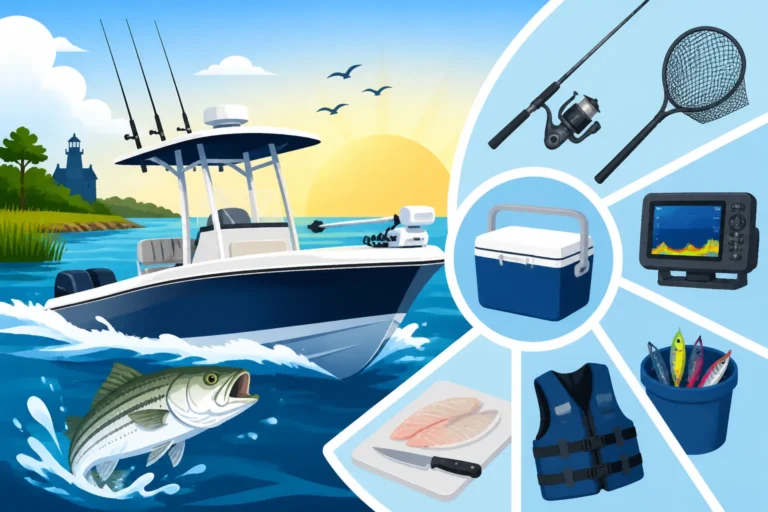
When you book a Chesapeake Bay fishing charter, you're not just renting a boat; you're securing a comprehensive fishing package. This typically includes the boat itself, all the rods, reels, and tackle you'll need, and the bait, whether it's live or artificial. Most importantly, you get the knowledge of a local expert—your captain—who knows the Bay like the back of their hand. They'll monitor tides, weather patterns, and recent fish movements to put you in the prime locations for a successful day.
The crew on a charter boat is there to assist you every step of the way. If you've never cast a line before, they'll show you how. If you're not sure how to properly set the hook, they'll guide you. They're also usually responsible for handling the fish once they're in the boat, from removing hooks safely to preparing your catch for the cooler. This level of support is invaluable for beginners, as it removes much of the learning curve and allows you to focus purely on the joy of fishing. You're there to learn and have fun, and they're there to make sure that happens.
Another key aspect of the charter experience is safety. Licensed captains adhere to strict safety regulations, ensuring the boat is well-maintained and equipped with all necessary safety gear. They're also experts at navigating the often-unpredictable waters of the Bay, taking into account weather changes and other potential hazards. This peace of mind allows you to relax and enjoy your trip, knowing you're in capable hands. It’s a complete package designed for your enjoyment and safety.
Why Choose the Chesapeake Bay?
The Chesapeake Bay is a truly incredible fishery, and it’s especially welcoming for beginners. Its vast network of rivers, estuaries, and open waters provides a diverse habitat for a wide variety of fish species, meaning there’s almost always something biting. This is not some small, tricky pond where fish are hard to find; the Bay is teeming with life. For a first-timer, this diversity increases your chances of success, which is a huge confidence booster.
The Bay is particularly famous for its striped bass, often called "rockfish" by locals, which are a fantastic fighting fish and a thrilling catch for any angler. But beyond the stripers, you can find a bounty of other species depending on the season, including flounder, croaker, spot, bluefish, and even formidable red drum and cobia in certain areas. This means that even if one species isn't biting, your captain can often pivot to target another, ensuring a productive and engaging trip. Check out our guide on Chesapeake Bay Striped Bass Fishing Guide for more details on this popular species.
Beyond the fishing itself, the Chesapeake Bay offers stunning natural beauty. You'll witness incredible wildlife, from ospreys diving for fish to dolphins playing in the distance. The sunrises and sunsets over the water are unforgettable. It's a chance to connect with nature and experience a vital ecosystem firsthand. The calm, protected waters of many parts of the Bay also make for a smoother ride compared to offshore ocean fishing, which is a big plus for those prone to seasickness or who prefer a more gentle experience.
Getting Started: Essential Preparations for Your First Trip
Preparation is key to a smooth and enjoyable first charter trip on the Chesapeake Bay. While your captain and crew will provide most of the fishing essentials, knowing what to bring and what questions to ask beforehand will set you up for success. It's about being comfortable, safe, and ready to enjoy the day without any unexpected hiccups. Think about it like going on any other outdoor adventure; a little planning goes a long, long way.
One of the biggest anxieties for beginners is often the equipment. Will they know how to use it? Will they break something? Rest assured, the charter provides professional-grade gear that the crew is adept at teaching you to use. You won't be expected to be an expert. Your job is simply to show up with a positive attitude and an eagerness to learn. The captain and crew are there to make sure you have a great time, not to judge your fishing prowess.
Even seemingly small details, like what kind of shoes to wear or whether there will be a restroom on board, can impact your comfort. Addressing these practicalities upfront ensures you can fully immerse yourself in the fishing experience once you're out on the water. A prepared angler is a happy angler, and a happy angler is more likely to catch fish and create lasting memories. So, let's dive into some specifics to get you ready.
What to Ask Before You Book
Before you commit to a charter, especially as a beginner, it's smart to ask a few key questions. First, inquire about what species they typically target during your desired season. While the Bay has many fish, captains often specialize or have better success with certain species at different times of the year. This helps manage your expectations and ensures you're going after the fish you're most interested in. You can also ask about the type of fishing techniques they'll be using, as some might involve more active participation than others.
Next, clarify what's included in the price. Most charters include rods, reels, tackle, and bait, but it's always good to confirm. Some might also include coolers with ice for your catch, or even provide bottled water. Crucially, ask about Do You Need Your Own License for a Charter Trip?. Often, the charter boat itself holds a blanket license that covers everyone on board, but policies can vary, especially if you're fishing in waters that border multiple states like Maryland. Never assume; always confirm.
Finally, discuss group size and comfort. If you're sensitive to motion, ask if they primarily fish in calm, protected areas of the Bay or venture into more open water. For shared trips, inquire about the typical number of anglers. If you're bringing kids, ask if the charter is family-friendly and if they have life vests in appropriate sizes. Knowing these details upfront will help you choose the right charter and avoid any surprises once you're on the water. Sites like FishingBooker are great for finding charters and seeing what's included, allowing you to filter by family-friendliness and read reviews from other beginners.
What to Pack for a Day on the Bay
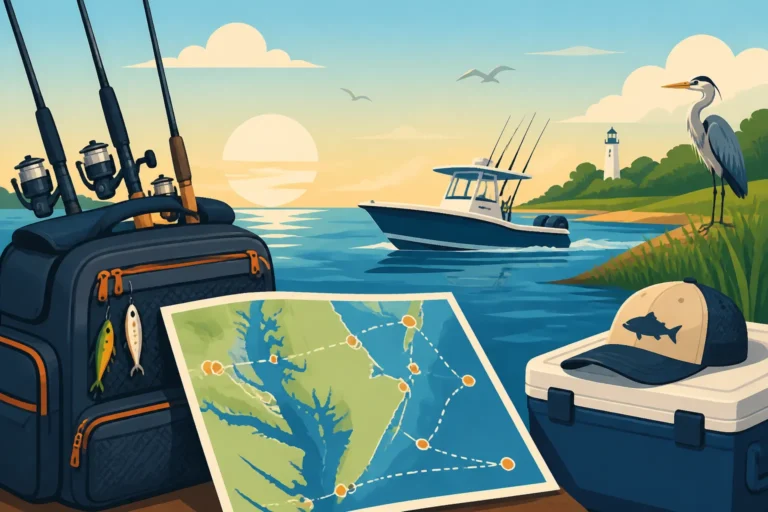
Even though much is provided, there are still some essentials you should bring to ensure a comfortable day. Layers are your best friend on the water. Even on a warm day, the breeze on the Bay can be cool, especially in the mornings and evenings. A lightweight, waterproof jacket is highly recommended, as is a hat and sunglasses for sun protection. The sun reflecting off the water can be intense, so don't skimp on sunscreen!
For footwear, opt for comfortable, non-marking shoes with good grip. Think sneakers or boat shoes, not flip-flops or open-toed sandals, which can be slippery and offer little protection. As for food and drink, most charters will allow you to bring your own cooler with snacks and beverages. Just make sure to check their policy on alcohol. Having plenty of water is crucial to stay hydrated throughout the day. Consider packing some non-drowsy motion sickness medication if you're at all prone to seasickness, and take it before you board the boat. You can also refer to our detailed guide What to Bring on a Virginia Fishing Charter for a comprehensive packing list.
Don't forget a camera to capture those memorable moments! You'll want to remember your first big catch or the stunning Bay scenery. A small, waterproof bag is also handy for keeping your phone, wallet, and other personal items dry. While the captain will have a first-aid kit, it's wise to bring any personal medications you might need. A little preparation goes a long way in ensuring your focus remains on the fun of fishing.
Onboard Essentials: What to Expect During Your Charter Trip
Once you're on board and heading out, the real adventure begins! For beginners, understanding the flow of a charter trip and what your role is can make the experience even more enjoyable. It's a unique environment, and knowing what to expect will help you feel more at ease and ready to participate. Don't be shy about asking questions; the crew is there to help educate and guide you.
The captain and crew are not just experts; they're also your hosts. They want you to have a good time and catch fish. They often have fascinating stories about the Bay, its history, and the fish that inhabit its waters. Engaging with them can be one of the most rewarding parts of the trip, offering insights you wouldn't get just fishing on your own. This social aspect is a huge draw for many people.
From setting up your line to landing a fish, the charter crew will be by your side. They understand that not everyone is an experienced angler, and they are usually very patient teachers. This supportive environment means you can try new things without fear of judgment. So, get ready to learn, reel, and create some fantastic memories on the Chesapeake Bay.
Learning the Ropes from Your Captain and Crew
Your captain and crew are your primary resources for learning on the water. Don't hesitate to ask them for tips and demonstrations. They can show you the correct way to hold a rod, cast a line, and feel for a bite. Many first-time anglers are surprised by how subtle a fish bite can be, and the crew can help you interpret those nuances. They’ll also explain the proper technique for reeling in a fish once you've got one hooked, ensuring you don't lose your prize.
They're also invaluable for understanding local fishing etiquette and safety protocols. For example, they'll show you where to stand on the boat, how to safely handle fishing gear, and what to do when a fish is on the line. Listen carefully to their instructions, as they are designed to keep everyone safe and make the trip productive. You might also pick up some specific tips for targeting the abundant Virginia Bass Fishing: Largemouth, Smallmouth, Spotted, and Alabama Bass or even Virginia Striped Bass Season and Slot Limit Guide while on board.
The crew will also be responsible for baiting your hooks and removing fish from the line. This is a huge relief for many beginners who might be squeamish about handling bait or a flopping fish. They'll also handle any tangles or snags that inevitably happen, getting you back to fishing quickly. Think of them as your personal fishing coaches and problem-solvers, dedicated to maximizing your enjoyment.
Common Fish Species You Might Encounter
The Chesapeake Bay is renowned for its diverse fishery, offering a variety of species that are exciting to catch for beginners. The undisputed king of the Bay is the striped bass, or "rockfish." These powerful fish put up a fantastic fight and are a primary target for many charters, especially during peak seasons. They are abundant and offer a great challenge without being overly difficult to hook. Many charters are specifically designed as Striped Bass Charter Fishing in Virginia.
Beyond the striped bass, you're likely to encounter croaker, also known as "hardheads" for their solid strike. These smaller, pan-sized fish are numerous and provide consistent action, which is perfect for keeping spirits high and rods bent. Spot are another popular panfish, known for their distinctive spot behind their gill plate and their tasty fillets. Flounder, with their unique flat shape, are also commonly targeted, often requiring a bit more finesse but rewarding you with delicious meat.
Depending on the time of year and specific location in the Bay, you might also hook into bluefish, known for their aggressive bites and strong pulls, or even catfish in the fresher tributaries. The beauty of the Bay is its variety, ensuring that even if the "big one" isn't biting, there are usually plenty of other species around to make your day memorable. Your captain will guide you to the areas where the most productive fishing is happening.
The Catch, the Rules, and the Memories
So, you've landed your first fish – congratulations! What happens next? The crew will typically handle the fish, whether it's for release or to be kept. It's crucial to understand and adhere to current fishing regulations, which govern species, size limits, and possession limits. For instance, Virginia Fishing Regulations Explained includes specific slot limits for striped bass, meaning fish outside a certain size range must be released. Your captain is an expert on these rules and will ensure everyone complies.
If you plan to keep your catch, most charters offer cleaning services once you're back at the dock, sometimes for an additional fee or as part of the charter package. This means you can take home fresh fillets ready for the pan. Always ask about this beforehand. If you're practicing catch-and-release, the crew will also demonstrate how to handle fish carefully to maximize their survival chances. This includes quickly unhooking and gently returning them to the water.
Ultimately, your first Chesapeake Bay charter trip is about more than just the fish you catch; it's about the entire experience. It's the thrill of the bite, the fight of the fish, the camaraderie with your fellow anglers, and the stunning beauty of the Bay. Take plenty of photos, ask questions, and soak it all in. These are the memories that will last a lifetime and likely spark a lifelong passion for fishing.
Beyond the Basics: Making the Most of Your Beginner Experience
As a beginner, you might be focused on the immediate experience, but thinking about a few extra details can really enhance your first Chesapeake Bay fishing charter. Understanding how trip lengths and costs work, and knowing the unwritten rules of etiquette, will help you feel more confident and ensure a smoother day for everyone on board. It’s all part of becoming a seasoned angler, even if it's just your first time out.
Often, folks are hesitant to ask about things like tipping or what happens if the weather turns sour. But these are perfectly normal questions that any reputable charter captain or booking service, like FishingBooker, will be happy to answer. Getting these details sorted out beforehand removes any awkwardness later on, allowing you to fully relax and enjoy the trip.
Remember, every experienced angler was once a beginner. The Chesapeake Bay charter community is generally very welcoming and supportive. Embrace the learning process, be respectful of the crew and other anglers, and you'll have a fantastic foundation for many more fishing adventures to come. Let's delve into these important considerations.
Understanding Different Trip Lengths and Costs
Chesapeake Bay fishing charters typically come in various lengths, with half-day and full-day options being the most common. A half-day trip usually lasts around 4-5 hours, offering a good introduction to charter fishing without being an overly long commitment. This is often an excellent choice for beginners, families with young children, or those unsure about how they'll fare on the water. It provides ample time to experience fishing, catch some fish, and enjoy the Bay without feeling fatigued.
Full-day trips, on the other hand, usually run for 7-9 hours. These allow more time to travel to farther fishing grounds, try different techniques, and target a wider variety of fish. While they offer more fishing time, they are a bigger commitment and might be better suited for those who are confident they'll enjoy a longer day on the water. They generally cost more than half-day trips but can offer a more comprehensive fishing experience. You can find more information on Half-Day vs Full-Day Fishing Charters in Virginia to help you decide.
When it comes to cost, charters can vary widely based on boat size, trip length, and whether it's a private or shared charter. Private charters mean you have the entire boat to yourselves, which is great for groups or families seeking a more personalized experience. Shared (or "head boat") charters mean you pay per person and join other anglers, which is a more budget-friendly option for individuals or smaller groups. Always clarify the pricing structure and what's included when booking, especially through platforms like FishingBooker.
Tipping and Etiquette on a Charter Boat
Tipping the crew is customary and highly appreciated in the charter fishing industry. These hardworking individuals often spend long hours preparing the boat, assisting anglers, and cleaning up afterward, all while ensuring your safety and enjoyment. A general guideline is to tip 15-20% of the total charter cost. If you feel the crew went above and beyond, a more generous tip is always welcome. You can find more detailed information on this topic in our article about Tipping Norms for Virginia Fishing Charter Crews.
Beyond tipping, practicing good etiquette makes for a pleasant trip for everyone. Listen to the captain and crew's instructions, especially regarding safety and fishing techniques. Be respectful of other anglers on board, being mindful of your casting space and avoiding loud or disruptive behavior. If you're bringing food or drinks, be sure to clean up after yourself. A little common courtesy goes a long way in ensuring a positive atmosphere on the boat.
Remember, the captain is the ultimate authority on the boat. Their decisions regarding safety, fishing spots, and overall trip management are final. Trust their judgment, especially if weather conditions change or if they recommend moving to a different spot. A good attitude and respect for the crew will not only make your first charter more enjoyable but will also be appreciated by everyone on board.
Common Questions for First-Timers
It's natural to have a boatload of questions when you're preparing for your first fishing charter. Many of these common concerns revolve around licenses, what happens if things don't go as planned, or simply wanting to know the basic rules of engagement. Addressing these frequently asked questions upfront can alleviate a lot of that initial apprehension, allowing you to focus on the fun rather than the logistics.
Think of these as the fundamental pieces of the puzzle that often trip up new adventurers. By tackling them head-on, you'll feel much more prepared and confident as you step onto that boat. No question is too silly when it comes to being safe and enjoying your time on the water, especially in an environment as dynamic as the Chesapeake Bay.
So, let's clear up some of those nagging doubts that might be swirling in your head. Getting these answers will empower you to enjoy your charter experience fully, from the moment you book until you're proudly showing off your catch – or at least your photos!
Do I Need a Fishing License for a Charter?
This is perhaps the most common question for beginners, and for good reason! The good news is that for most Chesapeake Bay fishing charters, you usually do not need to purchase your own individual Virginia fishing license. Most reputable charter boats operate under a special blanket license or permit that covers everyone fishing aboard their vessel. This is a huge convenience for anglers, especially tourists or those who don't fish frequently enough to warrant their own annual license.
However, it is always, always best practice to confirm this directly with your chosen charter captain or booking agent (like when you're looking through options on FishingBooker) before your trip. While common, policies can sometimes vary, or specific regulations might apply depending on where exactly in the Bay you'll be fishing, or even the type of fish being targeted. You might find our general Virginia Fishing License Guide helpful if you ever decide to fish on your own outside of a charter.
If for some reason an individual license is required, the charter service will certainly inform you, and they can usually guide you on how and where to quickly obtain one, often online through the Virginia Department of Wildlife Resources. But for the vast majority of Chesapeake Bay charter trips, you can leave your license worries on shore and focus on reeling in some fish.
What if the Weather is Bad?
The weather on the Chesapeake Bay can be famously unpredictable, and it's a valid concern for anyone planning a charter trip. Reputable charter captains prioritize safety above all else. If the weather forecast calls for conditions that are unsafe or would make for a truly miserable fishing experience (think high winds, rough seas, or severe thunderstorms), the captain will typically make the decision to cancel or reschedule the trip.
This decision is usually made with plenty of advance notice, but sometimes, especially with rapidly changing Bay weather, it might be a last-minute call. Always provide accurate contact information when booking so the captain can reach you promptly. Charters almost always have a clear cancellation policy for weather-related issues, offering either a full refund or the option to reschedule your trip for another day. It's smart to ask about this policy when you're initially booking your charter, so you know what to expect.
While it can be disappointing to have a trip cancelled, remember that it's for your safety and comfort. No one wants to be out on choppy waters, soaking wet and feeling seasick, trying to fish. Trust your captain's judgment; they know the Bay better than anyone and want you to have a positive experience, even if that means waiting for a better day. Sometimes, they might even suggest fishing in more sheltered areas of the Bay if the conditions are borderline, ensuring you still get some time on the water.
Disclaimer
This article is for general informational purposes only and does not constitute professional advice. Laws, prices and regulations vary by location and change over time. Consult a qualified professional for guidance on your specific situation.