Fishing Charter Prices by Trip Length
Trying to figure out how much a fishing charter in Virginia is going to set you back can feel like trying to untangle a particularly stubborn knot in your fishing line. You see all these amazing photos, hear incredible stories, and then you start looking at prices, only to find a huge range with seemingly no rhyme or reason. It can be super frustrating when you're just trying to plan a great day on the water without breaking the bank or being surprised by hidden fees. This guide is designed to cut through that confusion, helping you understand the real factors that influence charter prices by trip length across our beautiful Commonwealth, so you can book with confidence.
Understanding the Factors Influencing Charter Prices
Before we dive into the nitty-gritty of trip lengths, it's really helpful to understand that charter prices aren't just pulled out of thin air. There are several key components that go into determining the cost, and once you grasp these, you'll see why there's such a variety in the market. Think of it like buying groceries – a carton of eggs costs less than a prime cut of steak, right? Similarly, a quick trip focused on smaller fish will naturally be priced differently than an all-day offshore adventure targeting trophy species.
Type of Fishing Trip
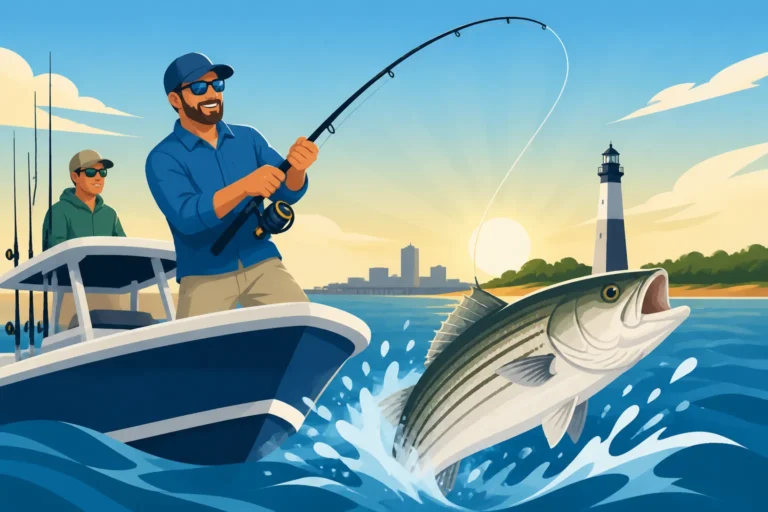
One of the biggest drivers of charter cost is the type of fishing you're planning to do. Are you dreaming of casting for largemouth bass on a quiet inland lake, or do you have your heart set on battling a feisty striped bass in the Chesapeake Bay? Perhaps you're envisioning a deep-sea excursion far offshore, chasing tuna or mahi-mahi. Each of these scenarios requires different equipment, different fuel consumption, different boat sizes, and different levels of specialized knowledge from your captain.
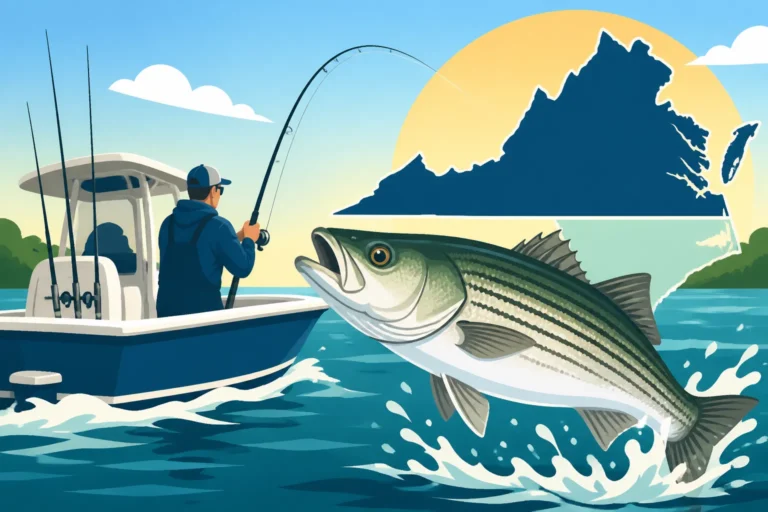
For instance, a freshwater guide trip on a lake like Smith Mountain Lake for bass or crappie often involves a smaller boat, less fuel for shorter distances, and gear tailored to those species. These trips tend to be on the lower end of the spectrum. Contrast that with a saltwater trip targeting rockfish (striped bass) in the Bay, which might involve a larger center console, more specialized electronics, and more robust tackle to handle bigger fish and potentially rougher waters. Offshore trips, by their very nature, are the most expensive because of the immense fuel burn, larger boats, extensive safety equipment, and the sheer amount of time spent getting to and from distant fishing grounds.
Specific species also play a role. If you're targeting a highly migratory species that requires a long run to find, like certain tuna species, the fuel cost alone will be substantial. If you're going after something more common and closer to shore, like flounder or croaker, the operational costs are significantly lower. Always be clear with your prospective captain about what you hope to catch, as this can directly impact the trip's structure and, consequently, its price.
Location, Location, Location
Just like real estate, the location where you plan to fish in Virginia has a significant impact on charter pricing. Virginia boasts an incredible diversity of fishing environments, from the vast expanse of the Chesapeake Bay and the Atlantic Ocean to numerous large freshwater lakes and scenic rivers. Each of these areas comes with its own set of operational costs for charter businesses.
For example, a Chesapeake Bay Fishing Charters in Virginia trip operating out of Virginia Beach or Rudee Inlet might face higher dockage fees, more competitive market pressures, and potentially higher costs for maintenance due to saltwater exposure compared to a freshwater guide service on, say, Lake Anna. The availability of bait, fuel prices in different regions, and even the general cost of living in an area can subtly influence what a captain needs to charge to run a profitable business. An inshore trip out of a smaller coastal town might be less expensive than a similar trip departing from a bustling hub like Virginia Beach simply because the overhead is lower.
Similarly, a guided trip on a major river system like the James or Shenandoah might be priced differently than a trip on one of Virginia's top fishing lakes. Accessibility, specific local regulations, and the type of fish available in that particular body of water all contribute to the localized pricing structure. It's not uncommon to find that even within the same general region, charters operating from different marinas might have slight variations in their rates, so it always pays to do a little local research.
Seasonality and Demand
Fishing is a seasonal pursuit, and charter prices often reflect the ebbs and flows of the fish migration and angler demand. If you're planning your trip during peak season for a highly sought-after species, you can expect prices to be at their highest. Captains are in high demand during these windows, and their calendars fill up quickly.
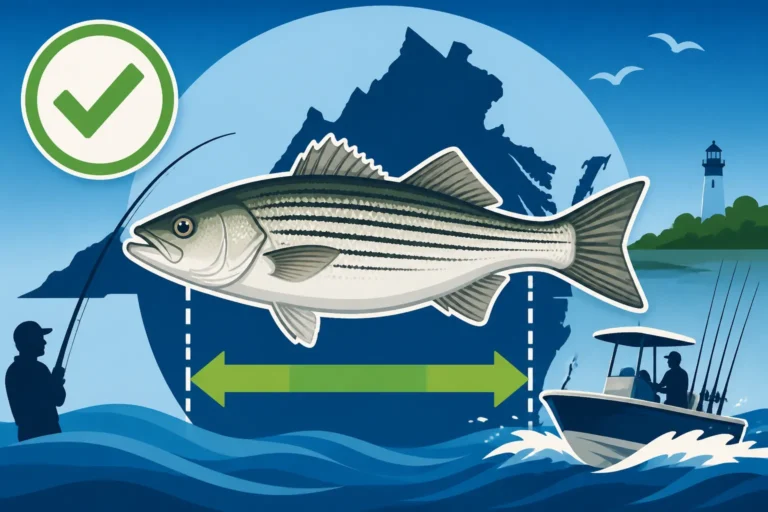
Think about the spring and fall striped bass runs in the Chesapeake Bay. These are incredibly popular times, and booking a Virginia Striped Bass Season and Slot Limit Guide charter during these periods often requires booking well in advance and paying premium rates. Similarly, prime summer weekends for family-friendly trips or specific trout fishing seasons on wild trout streams can see increased demand. Conversely, if you're willing to brave the chillier temperatures of late fall or early spring, or perhaps fish during a less popular time for a certain species, you might find charters offering slightly lower rates or more availability.
Weather also plays a role in seasonality. While captains want to be on the water, safety is paramount. During periods of unstable weather or rough seas, charters may be less frequent, and those that can safely operate might charge accordingly for the added effort or risk. Always consider the time of year you plan to fish and how that might align with both fish activity and overall demand when budgeting for your trip.
Breaking Down Trip Lengths and Their Cost Implications
When you're looking at charter options, one of the first decisions you'll make, beyond where and what you're fishing for, is how long you want to be out on the water. This is probably the most direct factor in determining the base price of your trip. More time on the water generally means more fuel, more bait, more wear and tear on the boat and gear, and, of course, more of the captain's valuable time.
Half-Day Charters: A Quick Dip
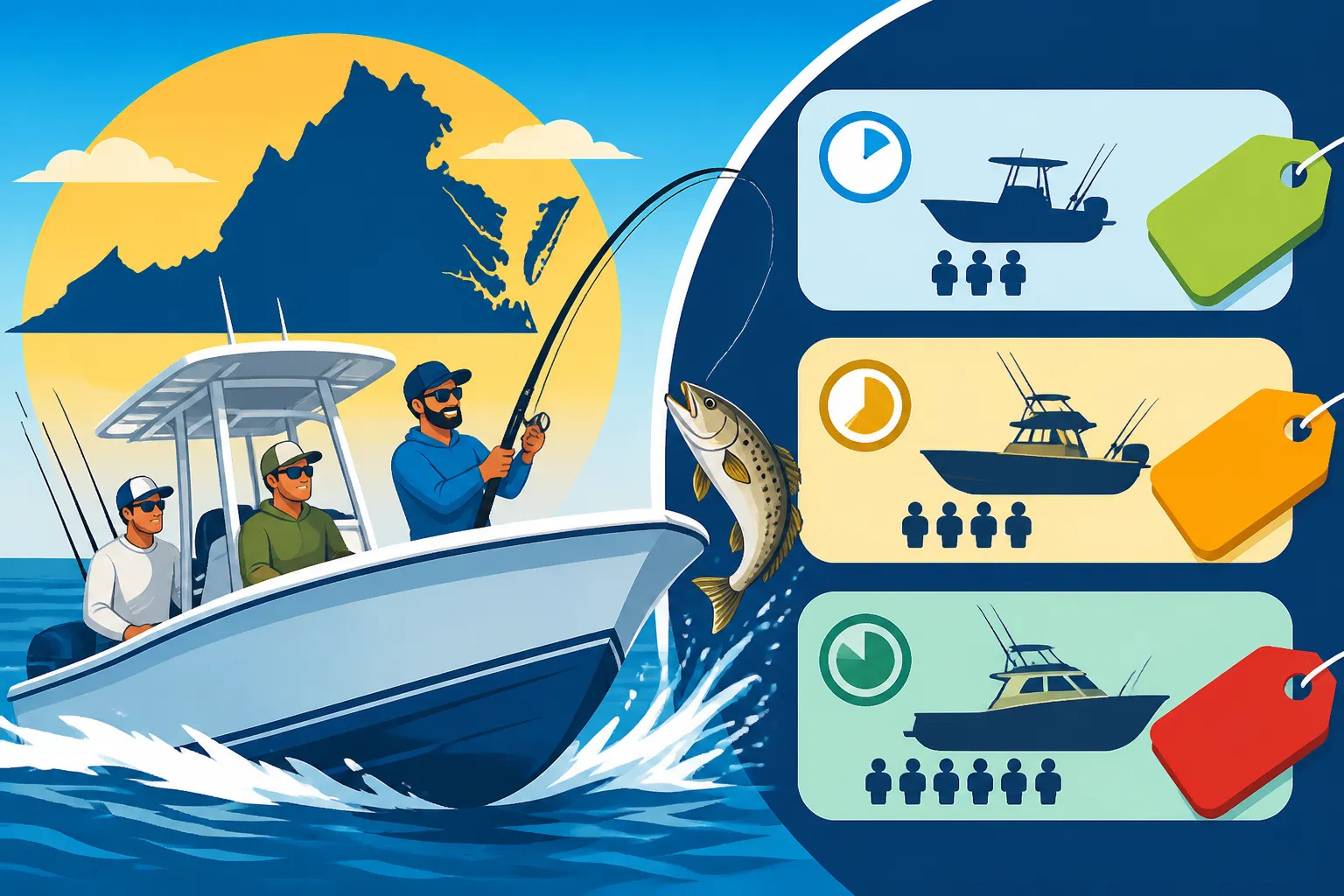
A half-day charter is typically the most budget-friendly option and a fantastic choice for many anglers, especially beginners, families with young children, or those just looking for a taste of Virginia's fishing scene. These trips generally run for about 4 to 5 hours, depending on the charter and location.
The beauty of a half-day trip is its efficiency. Captains usually target species that are readily available closer to port, minimizing travel time and maximizing fishing time. You won't be making long runs far offshore, but you can still have incredible success catching a variety of fish, especially inshore saltwater species like croaker, spot, flounder, or freshwater bass and panfish. It's a great way to get a solid fishing experience without committing an entire day or a substantial portion of your budget. Many people find that for kids, a half-day is perfect – enough excitement without getting overtired or bored. If you're new to the charter world, a half-day trip is an excellent introduction to What to Expect on Your First Fishing Charter.
While the cost is lower, remember that it's still a significant investment compared to fishing from shore. You're paying for the captain's expertise, the boat, all the gear, and often the bait. Don't expect to cover vast distances or spend hours meticulously searching for a single, elusive trophy fish on a half-day trip. It's about getting lines in the water and enjoying the experience in a more condensed timeframe.
Three-Quarter Day Charters: The Sweet Spot
Often seen as the "best of both worlds," a three-quarter day charter typically lasts around 6 to 7 hours. This length offers a significant upgrade from a half-day without committing to the full financial and time investment of an entire day on the water. Many seasoned anglers consider this to be the sweet spot for a productive and enjoyable trip.
With those extra hours, captains have more flexibility. They can venture a bit further from port, explore more fishing grounds, or spend more time targeting specific species that might require a longer run or more patience. For instance, if you're hoping for a good shot at larger striped bass in the Bay or want to try different techniques for freshwater bass, the extended time really makes a difference. You gain the ability to adapt to changing conditions or move to a backup spot if the initial bite isn't hot.
The three-quarter day is ideal for groups who want a more serious fishing experience, perhaps hoping to bring home a good cooler full of fish, but still want to be back at the dock with enough daylight left to enjoy an evening meal or other activities. The price point will naturally be higher than a half-day, reflecting the increased operational costs and the captain's extended commitment. It's a popular choice for small groups or dedicated anglers who appreciate the additional opportunities these longer trips afford.
Full-Day Charters: Maximizing Your Time on the Water
For the truly dedicated angler, the full-day charter is the ultimate experience. These trips typically span 8 to 10 hours, sometimes even longer for specialized offshore excursions. This is where you maximize your time on the water, giving you the best chance to target specific trophy fish, explore distant fishing grounds, and experience a wide range of fishing techniques.
On a full-day trip, captains have the freedom to make long runs to prime fishing locations that might be inaccessible on shorter trips. This is crucial for targeting pelagic species offshore like tuna, mahi-mahi, or wahoo, or even for finding the most productive deep-water structure for rockfish or other bottom dwellers in the Bay. It allows for more versatility, letting the captain chase bait schools, follow the bite, and adjust strategies throughout the day. If you're after a true adventure and want to put in the effort for a potentially once-in-a-lifetime catch, a full-day trip is the way to go.
Naturally, full-day charters come with the highest price tag, reflecting the significant fuel consumption, bait quantities, and the captain's labor for an extended period. This is often the preferred choice for experienced anglers, corporate outings, or groups of friends who are serious about their fishing and understand the commitment required. While the price might seem steep upfront, for many, the unparalleled fishing opportunities and the immersive experience make it well worth the investment. Think of it as investing in the best possible chance to create lasting fishing memories and potentially land that dream fish. You can learn more about the differences in length in Half-Day vs Full-Day Fishing Charters in Virginia.
Here's a quick comparison of general charter price factors by trip length:
| Trip Length | Typical Duration | General Price Factor | Ideal For | Key Advantages |
|---|---|---|---|---|
| Half-Day | 4-5 hours | Lowest | Beginners, families with young kids, quick trips | Most affordable, less time commitment, close-in fishing |
| Three-Quarter Day | 6-7 hours | Mid-Range | Enthusiasts, groups wanting more fishing time | More flexibility, further runs, good species variety |
| Full-Day | 8-10+ hours | Highest | Dedicated anglers, trophy hunting, offshore trips | Max fishing time, distant grounds, multiple techniques |
Saltwater vs. Freshwater Charters: A Price Comparison
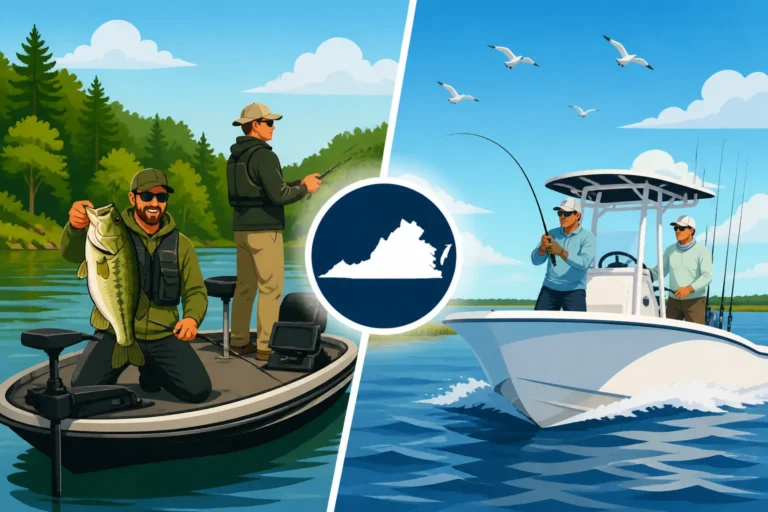
Virginia offers truly diverse fishing opportunities, from the expansive Atlantic and Chesapeake Bay to serene freshwater lakes and winding rivers. This geographical difference inherently leads to variations in charter prices, primarily due to the distinct operational needs of saltwater versus freshwater fishing vessels and techniques. Understanding these differences can help you manage your expectations and budget more effectively.
Chesapeake Bay and Coastal Charters
Saltwater charters, particularly those operating in the Chesapeake Bay or out of coastal ports like Virginia Beach, generally tend to be on the higher end of the pricing spectrum. There are several compelling reasons for this. Firstly, saltwater boats are typically larger, designed to handle open water conditions, and are therefore more expensive to purchase, maintain, and insure. They consume more fuel, especially when making long runs offshore or navigating the vastness of the Bay.
Secondly, the gear required for saltwater fishing is often more robust and costly. Think heavy-duty rods and reels, specialized electronics for finding structure and bait schools in deeper water, and larger quantities of bait, which can also be more expensive. Targeting species like striped bass (often called rockfish here), flounder, red drum, or even offshore species like tuna and mahi-mahi often demands specialized techniques, extensive local knowledge of tides and currents, and sophisticated equipment. A captain running a Chesapeake Bay Fishing Charters in Virginia or a Virginia Beach Fishing Charters and Trip Costs service is investing a considerable amount in their vessel and expertise, and this is reflected in the trip price.
Finally, saltwater regulations can sometimes be more complex, requiring specific permits or reporting, which adds another layer of operational cost. For many, the thrill of saltwater fishing, with its potential for larger, harder-fighting fish and the vastness of the ocean environment, justifies the higher investment.
Inland Lake and River Guides
When you shift your focus to Virginia's freshwater lakes and rivers, you'll typically find that guided trips come at a somewhat lower price point than their saltwater counterparts. This isn't to say they are "cheap," but the operational costs are generally less intensive. Freshwater guide boats are often smaller, lighter, and more fuel-efficient. While they still require top-notch maintenance and specialized gear, the scale of that investment is usually less than a large offshore vessel.
Whether you're looking for Smith Mountain Lake Fishing Guides in Virginia for striped bass or largemouth, or a guide to navigate the smallmouth bass fisheries of the Shenandoah River, the approach is different. Fuel consumption for these trips is usually lower, as guides don't often need to make long, high-speed runs across vast open water. Bait, if used, can sometimes be less expensive or even locally sourced by the guide. The tackle, while still high quality and specific to species like bass, crappie, or catfish, might not need to withstand the same corrosive elements or extreme forces as offshore gear.
Freshwater guides also offer an intimate experience, often focusing on specific techniques like flipping jigs into cover, slow trolling for stripers, or fly fishing in a pristine river setting. Their expertise is honed on understanding specific lake contours, river currents, and the habits of inland species. While the scale of the boat and the expanse of the water might be smaller, the depth of knowledge and the quality of the fishing experience are absolutely top-tier.
What's Typically Included (and Not Included) in Your Charter Price
One of the biggest sources of frustration for anglers booking their first charter is not fully understanding what the quoted price actually covers. It's like checking into a hotel and finding out the pool access is an extra fee! While most reputable charters are transparent, knowing what to expect can save you from any unwelcome surprises and help you budget accurately. This is a crucial aspect of How to Book a Fishing Charter in Virginia.
Standard Inclusions: Gear, Bait, and Expertise
When you book a fishing charter in Virginia, you're generally paying for a comprehensive fishing experience, not just a boat ride. The vast majority of charters include several key elements that are essential for a successful day on the water. Foremost among these is the boat itself, which will be appropriately sized and equipped for the type of fishing you're doing, whether it's a sleek center console for the Bay or a comfortable bass boat for an inland lake.
Next, and perhaps most importantly, the price covers the captain's expertise. You're hiring a licensed professional who knows the local waters like the back of their hand, understands fish behavior, reads conditions, and can put you on the fish. This local knowledge is invaluable and something you can't get by just renting a boat yourself. All necessary fishing gear is also typically provided. This includes rods, reels, lines, and an array of tackle appropriate for the target species. You don't need to worry about bringing your own unless you have a specific lucky rod you prefer. Live or artificial bait is also almost always included, ensuring you have what you need to attract the fish. Many charters even include ice for your catch, so you can keep it fresh until you get home. Essentially, the goal is for you to step aboard, ready to fish, with everything handled. For more details, see What's Included in a Virginia Fishing Charter.
Hidden Costs and Extras: Licenses, Tips, and Fish Cleaning
While charters provide a lot, it's vital to be aware of what's not always included. The most common "hidden" cost that trips up first-timers is the fishing license. In Virginia, generally, everyone over a certain age needs a valid Virginia fishing license, even if you're on a charter. While some charters might have a blanket license for the boat or offer to help you purchase one, it's typically your responsibility to obtain it beforehand. Always confirm this with your captain. You can find detailed information in our Virginia Fishing License Guide.
Tipping the crew is another area where new charter guests can feel unsure. While not strictly "included" in the price, it's customary and very much expected in the charter fishing industry, much like in restaurants. A standard tip for a hardworking captain and mate is around 15-20% of the trip's total cost. This is a direct reflection of their hard work, effort, and how well they tried to make your trip successful. You can read more about this in Tipping Norms for Virginia Fishing Charter Crews. Lastly, many charters will offer to clean and fillet your catch at the end of the day. While some might include this in the base price, others charge a separate, reasonable fee for this service, especially if you've had a particularly bountiful day. Always ask about their fish cleaning policy and cost when booking to avoid surprises. Other potential extras could include specific food and drink requests, or specialized tackle for a very particular technique.
Tips for Budgeting and Finding the Right Charter
Booking a fishing charter is an investment in an experience, and just like any investment, a little planning can go a long way in ensuring you get the best value for your money. You want to make sure you're finding a reputable charter that fits your budget without compromising on safety or enjoyment.
Group Size and Splitting Costs
The number of people in your fishing party is one of the most significant factors that will influence the per-person cost of a charter. Most charters charge a flat rate for the boat, not per individual. This means that if a charter costs, say, a certain amount for a half-day trip that accommodates up to six people, the cost per person dramatically decreases as you add more anglers to your group.
For example, a charter that costs a specific amount for the boat might feel expensive for just one or two people. However, if you have a group of four to six friends or family members, you can split that total cost, making it a much more affordable outing for everyone involved. This is why many people opt to book charters with a full boat of companions. If you don't have a large group, some captains might offer "split charters" or "open boat" trips where you can join other individuals or smaller groups to fill the boat, sharing the cost. This is a great way for solo anglers or pairs to experience a charter without paying the full boat price. Always inquire about group rates and potential split-charter opportunities when you contact a captain or browse listings.
Booking Strategies: Early Birds and Off-Season Deals
Timing can be everything when it comes to snagging a good deal or simply securing your preferred date. If you know you want to fish during a specific peak season, such as the spring or fall striped bass runs, or during popular summer weekends, booking well in advance is absolutely essential. The best and most popular captains often have their calendars booked out months ahead of time, especially for prime dates.
Conversely, if your schedule is flexible, you might be able to find better rates or more availability during the "off-season" or shoulder seasons. These are periods just before or after the absolute peak, when the fishing can still be fantastic, but demand might be slightly lower. For instance, early spring or late fall can offer excellent fishing opportunities without the summer crowds or peak pricing. Additionally, weekday trips are almost always easier to book and sometimes carry a slightly lower rate than coveted weekend spots. Always ask about any potential discounts for booking further out or for fishing during less popular times. Sometimes, a captain might offer a slight reduction if they have an unexpected opening on their calendar.
Using Online Platforms to Compare
In today's digital age, online booking platforms have revolutionized how anglers find and compare fishing charters. Websites like FishingBooker are fantastic resources because they aggregate listings from numerous captains and guides in various locations, including all across Virginia. This allows you to easily compare prices, trip lengths, boat amenities, target species, and even read reviews from other anglers—all in one place.
When you're browsing platforms like FishingBooker, you can filter your search by location (e.g., Best Fishing Spots in Virginia), trip length, type of fishing, and even target species. This makes it incredibly efficient to see the range of prices for a half-day trip versus a full-day trip in a specific area. Many listings clearly outline what's included in the price, eliminating a lot of the guesswork we discussed earlier. Plus, the review sections are invaluable. You can get real-world insights into a captain's communication, their fishing prowess, and the overall experience provided. While it's always a good idea to call a captain directly after narrowing down your choices to ask specific questions, these platforms provide an excellent starting point for research and comparison, empowering you to make an informed decision.
Beyond the Price Tag: What Truly Adds Value to a Charter Trip
While understanding the cost is important for budgeting, the true value of a fishing charter extends far beyond the dollar amount. A cheap trip that leaves you disappointed isn't a good deal, just as an expensive trip that exceeds all expectations is often well worth the investment. When you're making your final decision, consider these intangible but incredibly important factors that contribute to an unforgettable experience.
The Captain's Experience and Local Knowledge
You can't put a price on experience. A seasoned captain brings years, if not decades, of accumulated knowledge about local waters, fish patterns, weather nuances, and effective techniques. This isn't just about knowing where the fish might be; it's about understanding why they're there, what they're biting on, and how to adapt when conditions change. A good captain can turn a slow day into a productive one through sheer intuition and hard-won wisdom.
This local knowledge is particularly crucial in diverse environments like the Chesapeake Bay, where tides, currents, and bottom structure constantly influence fish behavior. Similarly, a freshwater guide who intimately knows the specific contours and seasonal movements of fish in a lake like Claytor Lake can drastically increase your chances of success. They know the secret spots, the subtle changes in depth, and the best times to hit a particular area. When you're paying for a charter, a significant portion of that cost is for this invaluable expertise. It’s a huge factor in having a great day, often more so than the size of the boat or the flashiness of the gear.
Quality of Equipment and Boat Amenities
While you don't need a yacht to catch fish, the quality of the boat and its equipment definitely enhances the experience. A well-maintained vessel with modern electronics, comfortable seating, and adequate amenities (like a clean head/restroom, especially on longer trips) contributes greatly to your comfort and enjoyment. No one wants to spend hours on a leaky, uncomfortable boat with outdated gear.
Furthermore, the quality of the fishing equipment provided is critical. High-quality rods and reels that are well-maintained not only perform better but are also less likely to malfunction, preventing frustrating tangles or lost fish. Sharp hooks, fresh line, and a good selection of proven lures and baits are all signs of a professional operation that cares about your success. A captain who invests in their equipment is investing in your experience. Don't be afraid to ask about the boat and gear when you're inquiring about a charter; a reputable captain will be proud to tell you about their setup.
Safety First: Licenses, Insurance, and Protocols
This is perhaps the most critical, yet often overlooked, aspect of charter fishing. The peace of mind that comes from knowing you're in safe, professional hands is truly priceless. A legitimate charter captain will hold all necessary licenses and permits, both for themselves and their vessel. These aren't just bureaucratic hurdles; they ensure the captain has met specific training requirements, often including first aid, CPR, and marine safety protocols.
Equally important is proper insurance. Accidents can happen, and knowing that your charter is adequately insured provides essential protection for everyone on board. Don't hesitate to ask if a captain is licensed and insured. Furthermore, observe their safety protocols once on board. Do they provide a safety briefing? Is emergency equipment clearly accessible? A captain who prioritizes safety above all else is a captain you can trust, and that level of professionalism is worth every penny. You can find more information about regulations in our Virginia Fishing Regulations Explained guide, which touches on these aspects for all anglers, including those on charters.
Disclaimer
This article is for general informational purposes only and does not constitute professional advice. Laws, prices and regulations vary by location and change over time. Consult a qualified professional for guidance on your specific situation.