Striped Bass Charter Fishing in Virginia
For many anglers, the dream of hooking into a powerful striped bass in Virginia waters feels both exhilarating and a little daunting. The thought of navigating unfamiliar waters, understanding complex regulations, and finding the fish can be overwhelming, especially if you're traveling or new to the area. This comprehensive guide is here to demystify the process of booking and enjoying a striped bass charter fishing trip in Virginia, equipping you with everything you need to know for a successful and memorable adventure on the water.
Why Striper Fishing in Virginia is Such a Big Deal
There's something truly special about striped bass, or "rockfish" as they're affectionately known in these parts. They're a prized catch for a reason – their power, size, and the sheer challenge they present make them incredibly appealing to anglers of all skill levels. Virginia offers some world-class opportunities to chase these magnificent fish, both in its vast saltwater expanses and surprising freshwater fisheries.
The Lure of Virginia's Striped Bass Fishery
Virginia's waters, from the mighty Chesapeake Bay and its tributaries to certain large inland lakes, are teeming with striped bass. This isn't just a place where you might catch a striper; it's a destination revered by anglers up and down the East Coast. What draws so many to Virginia is the consistent action, the potential for trophy-sized fish, and the incredible variety of fishing environments. Whether you dream of a massive striper battling you in the open bay or a hard-fighting hybrid in a tranquil lake, Virginia has a bite for you. The sheer thrill of feeling that powerful tug on your line, the screaming drag as a big striper makes a run, is an experience that keeps anglers coming back year after year. It's a true test of skill and patience, and when you finally hoist that fish aboard, there's a profound sense of accomplishment.
Freshwater vs. Saltwater: Understanding the Different Striper Experiences
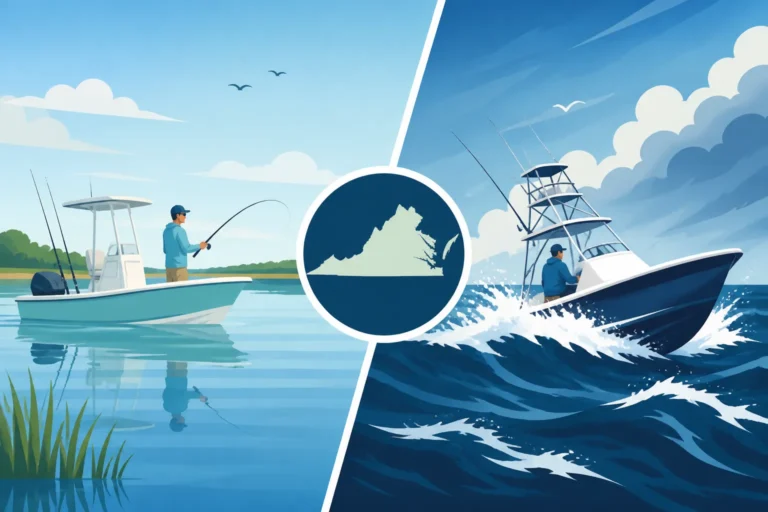
When people talk about striped bass, most immediately think of the ocean or the brackish estuaries of the Chesapeake Bay. And rightly so! The saltwater fishery for striped bass in Virginia is legendary, with massive schools of migratory fish moving along the coast and into the Bay during certain times of the year. These are often the true "rockfish" many dream of, offering powerful fights in expansive waters. However, Virginia also boasts a fantastic, often overlooked, freshwater striped bass fishery, primarily in impoundments like Smith Mountain Lake. These landlocked stripers, and their hybrid cousins (a cross between striped bass and white bass), provide a different but equally thrilling experience. Freshwater stripers tend to be targeted with different techniques and in different settings, offering a unique challenge. Knowing whether you want the vastness of the ocean or the calmer waters of an inland lake is the first step in planning your trip. For more on this, check out our guide on Freshwater vs Saltwater Striped Bass: The Virginia Rockfish Story.
Virginia's Unique Split Season for Striped Bass
One crucial aspect of striped bass fishing in Virginia, particularly in saltwater, is the distinct "split season." This isn't just a minor detail; it significantly impacts when you can fish and what you can keep. Virginia's Department of Wildlife Resources (DWR) and the Virginia Marine Resources Commission (VMRC) manage these seasons to protect the striped bass population, especially during spawning periods. Typically, you'll find a winter/early spring season and then another window in late spring/early summer, followed by a fall season. The exact dates and regulations, including size and creel limits, are subject to change annually, so it's absolutely vital to confirm current rules before heading out. Charter captains are professionals who stay on top of these regulations, taking the guesswork out of it for you. This split season can sometimes be frustrating for anglers eager to hit the water, but it's a necessary measure for conservation, ensuring that these incredible fish will be around for future generations. Understanding Virginia Striped Bass Split Season Dates Explained is key to planning your trip.
Deciding on the Right Virginia Striper Charter
Once you've set your sights on a Virginia striped bass adventure, the next big step is choosing the right charter. This decision can make or break your trip, turning a good day into a fantastic memory or a mediocre one. It's not just about finding an open boat; it's about finding the right fit for your expectations, budget, and desired experience.
Key Questions to Ask Before Booking
Before you commit to a charter, take the time to ask some important questions. Don't be shy! A good captain will appreciate your thoroughness. First, inquire about their experience specifically targeting striped bass in the area you plan to fish. Do they focus on bait fishing, trolling, or casting? What kind of gear do they provide, and is it suitable for large stripers? Ask about the capacity of the boat and how many anglers it comfortably accommodates – this is especially important if you're planning a group trip. It’s also wise to ask about their cancellation policy, particularly concerning bad weather. Nobody wants to lose a deposit if Mother Nature doesn't cooperate. Finally, confirm what's included in the price: does it cover bait, tackle, licenses (some charter boats operate under a blanket license, but always confirm), and fish cleaning? Being proactive with your questions ensures there are no surprises on the day of your trip. You want a captain who is knowledgeable and willing to share their expertise.
Choosing Between Half-Day, 3/4-Day, and Full-Day Trips
The duration of your charter is a major consideration, impacting both the price and the fishing experience itself. Half-day trips typically run about 4-5 hours and are a great option for beginners, families with young children, or those on a tighter budget. They offer a taste of the action without committing an entire day. You might stay closer to the port or focus on a specific type of fishing that doesn't require extensive travel. A 3/4-day trip usually lasts 6 hours, providing a good middle ground. This extra time allows for more flexibility, potentially reaching farther fishing grounds or trying multiple techniques. For serious anglers or those hoping for a truly epic experience, a full-day trip (8+ hours) is often the way to go. This duration offers the most opportunity to chase fish, travel to prime locations, and adapt to changing conditions. You'll have more time to learn from your captain and really settle into the rhythm of the day. Consider your group's stamina, especially if you have first-timers or kids, when making this choice.
Private Charters vs. Shared Experiences
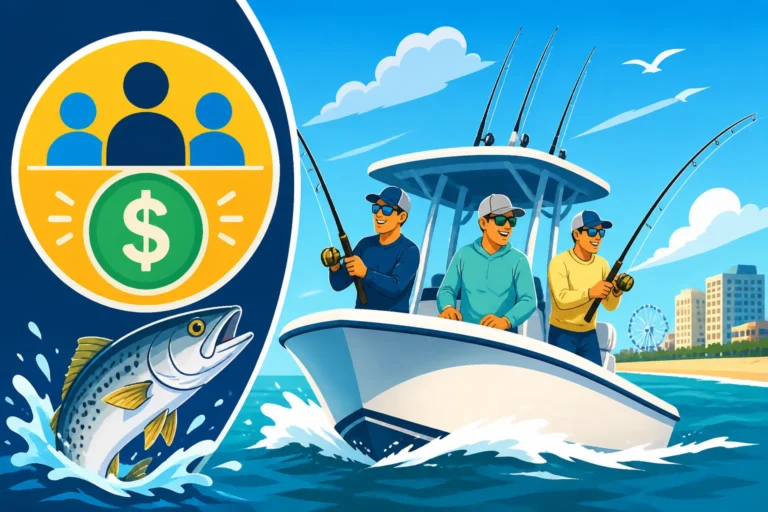
Another significant decision is whether to book a private charter or join a "head boat" or "shared" trip. A private charter means you and your group have the entire boat and captain's attention. This offers maximum flexibility in terms of where you go, what you target (within reason), and when you fish. It's ideal for families, corporate outings, or groups of friends who want a personalized experience. The cost, of course, is spread among your group, making it potentially more affordable per person for larger parties. Shared trips, on the other hand, allow individual anglers or small groups to book spots on a larger vessel with other people. This is a more budget-friendly option if you don't have enough people for a private charter. You'll share the deck, the captain's attention, and the overall experience with fellow anglers. While you might have less say in the specifics of the trip, it's a fantastic way to meet new people and still get out on the water. Many platforms like FishingBooker offer options for both private and shared trips, making it easy to see what's available and Compare Trip Lengths and Prices for Virginia Charters.
What to Expect on Your Striped Bass Charter Trip
So you've booked your trip, the anticipation is building, and now you're wondering what the actual day will look like. While every charter is a bit different, there are some common elements you can expect when heading out for striped bass in Virginia. Understanding these can help you feel more prepared and make your experience even more enjoyable.
Typical Gear and Techniques Used
Virginia's striped bass fishery is versatile, and so are the techniques used to catch them. Your charter captain will typically provide all the necessary gear, which is a huge relief for many anglers. This usually includes heavy-duty rods and reels, rigged with appropriate lines and leaders designed to handle the powerful runs of a striper. As for techniques, trolling is incredibly popular, especially in the Chesapeake Bay and on large lakes like Smith Mountain. This involves dragging multiple lines behind the boat, often with specialized lures or live bait, covering a lot of water to find fish. Jigging with artificial lures, casting soft plastics, or even live-lining baitfish are also common, particularly when fish are schooling or feeding in specific areas. The captain's expertise will dictate the best approach for the day, depending on the season, water conditions, and where the fish are biting. You'll often be instructed on how to properly set the hook, fight the fish, and handle it once it's alongside the boat. Don't be afraid to ask for help if you're unsure – that's what the crew is there for!
Understanding Catch Limits and Regulations on Charters
This is a critical point that can sometimes cause confusion for first-time charter anglers. Even though you're on a professional charter, you are still subject to all state and federal fishing regulations regarding striped bass. This includes strict size limits (often referred to as "slot limits" for striped bass, meaning fish must be within a specific length range) and daily possession limits (how many fish you can keep). For example, Virginia's striped bass rules often specify a slot limit, such as 28 to 31 inches, and a one-fish-per-person daily creel limit. Your captain and crew are well-versed in these rules and will ensure that all legal requirements are met. They will measure fish accurately and advise you on what can be kept and what must be released. It's important to respect these regulations, as they are in place to ensure the sustainability of the fishery. Catch-and-release is a common practice, especially for fish outside the legal slot or if you've already met your limit. Knowing Virginia's One-Fish Striped Bass Limit on Charter Trips is important for managing expectations.
The Role of Your Captain and Crew
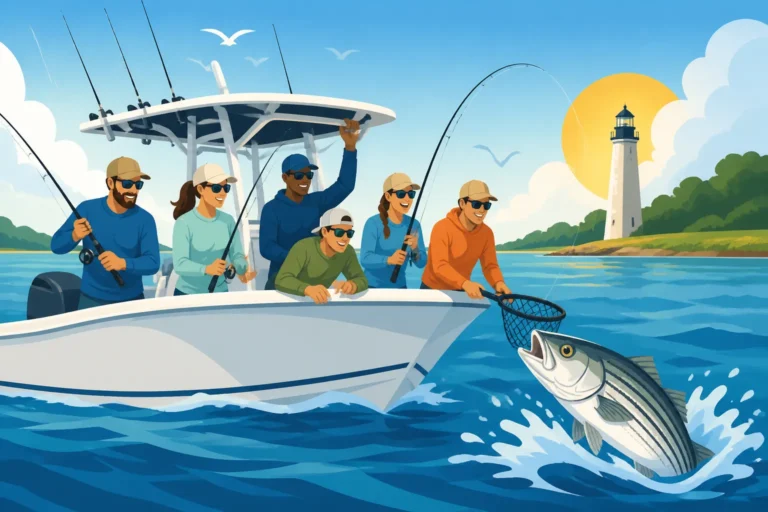
Your captain and crew are the backbone of your charter experience. The captain is a licensed professional responsible for your safety, navigating the boat, and, most importantly, putting you on the fish. They use their extensive knowledge of local waters, weather patterns, and fish behavior to give you the best chance of success. The crew (if applicable) assists with baiting hooks, untangling lines, netting fish, and ensuring everyone has a good time. Think of them as your expert guides and fishing mentors for the day. They're often passionate about fishing and happy to share tips and tricks, so don't hesitate to ask questions about techniques or the local fishery. They are also responsible for preparing any fish you decide to keep, usually cleaning and bagging them for you back at the dock. Their hard work and dedication are a huge part of the charter's value, and understanding Tipping Norms for Virginia Fishing Charter Crews is a good idea to show your appreciation at the end of a successful trip.
Navigating the Seasons and Best Times to Fish
Striped bass fishing in Virginia is definitely seasonal, with distinct peaks and valleys in activity. Knowing when to go can greatly influence your chances of success and the overall experience you'll have. Each season offers something a little different, from the frantic action of the runs to the more subtle challenges of slower periods.
The Thrill of the Spring Striper Run
Spring is often one of the most exciting times to target striped bass in Virginia, particularly in the Chesapeake Bay and its tidal rivers. As water temperatures begin to rise, large migratory stripers move into the shallower waters and rivers to spawn. This means there's a huge influx of fish, creating incredible opportunities for anglers. Charters often focus on trolling large plugs or live bait near river mouths and channels where these fish congregate. The energy on the water during the spring run is palpable, with boats working together and anglers frequently hooking into substantial fish. However, this period is also heavily regulated to protect spawning fish, meaning strict seasons and catch limits are in place. While you might not be able to keep fish during parts of the spring run, the sheer excitement of hooking into a trophy-sized striper makes it a bucket-list experience for many. It's a fantastic time for Booking a Virginia Charter During the Spring Striped Bass Run.
Fall: Peak Season for Virginia Striped Bass Charters
If you ask seasoned anglers about the absolute best time for striped bass charter fishing in Virginia, many will point to the fall. As the weather cools and baitfish begin their migration south, striped bass go into a feeding frenzy to bulk up for winter. This creates another spectacular run, often characterized by "blitzes" where stripers aggressively chase bait on the surface. The fall run in the Chesapeake Bay and along the coast can be truly epic, with boats finding massive schools of fish. Trolling, jigging, and even casting topwater lures can be incredibly effective during this period. The fish are typically strong and aggressive, providing some of the most memorable fights of the year. This is a very popular time for charters, so if you're planning a fall trip, it's crucial to book well in advance. For many, this is the prime window for catching large, healthy stripers. Check out Booking a Virginia Charter During the Fall Striped Bass Run for more details on this incredible season.
Winter and Summer: Understanding Off-Peak Opportunities
While spring and fall are the celebrated seasons, that doesn't mean winter and summer lack opportunities. Winter fishing for striped bass, particularly in the lower Chesapeake Bay and ocean waters, can be incredibly productive for larger, resident fish that don't migrate far. However, it's also more weather-dependent, with colder temperatures and rougher seas being a factor. Charters during this time might target deeper channels or structure, often using heavy jigging or trolling techniques. It can be a rewarding time for dedicated anglers who don't mind bundling up.
Summer, especially in the heat of July and August, can be more challenging for saltwater stripers as they tend to move offshore to cooler, deeper waters. The main open season for saltwater stripers also often closes for a period in summer. However, this is prime time for freshwater striped bass on lakes like Smith Mountain Lake. These landlocked stripers thrive in warmer waters, often school up, and can provide fantastic action. Charters on these lakes often focus on early morning or late evening trips to beat the heat, using a variety of live bait and artificial lures. So, while "off-peak" might mean different things for different locations, there's almost always a way to chase stripers in Virginia.
Popular Striped Bass Charter Destinations in Virginia
Virginia offers a diverse range of environments for striped bass fishing, each with its own character and opportunities. From the vast tidal waters of the Chesapeake Bay to specific freshwater impoundments, knowing where to go is key to planning your ideal charter trip.
The Legendary Chesapeake Bay
When it comes to saltwater striped bass, the Chesapeake Bay is unequivocally Virginia's crown jewel. It's one of the largest estuaries in the world, serving as a critical nursery and migration route for striped bass. The Bay offers an immense amount of fishing ground, from its mainstem channels to countless tributary rivers like the James, York, Rappahannock, and Potomac. Charters operating out of ports along the Bay, such as those near Newport News, Hampton, and Gloucester Point, have access to incredible fishing for migratory stripers. During the spring and fall runs, the Bay becomes a highway for these powerful fish. Anglers on Chesapeake Bay charters can expect to target stripers around structure like bridges, reefs, and channel edges, often using trolling techniques with large spoons or swimbaits, or live bait when conditions allow. The sheer scale of the Bay means your captain's local knowledge is invaluable for finding the hotspots. It's truly a world-class fishery, and Chesapeake Bay Striped Bass: A World-Class Virginia Fishery explains why.
Virginia Beach: Gateway to Ocean Stripers
While the Chesapeake Bay gets a lot of attention, Virginia Beach offers a different, equally thrilling striped bass experience. Situated right at the mouth of the Bay and on the open Atlantic Ocean, Virginia Beach charters can target both Bay stripers and true ocean-going "rockfish." During the fall and winter, especially, large migratory stripers move along the coast, creating fantastic opportunities just offshore from Virginia Beach. These fish are often larger and more powerful than their estuarine counterparts, providing brutal fights in the surf and nearshore ocean. Charters out of Virginia Beach might troll outside the Bay mouth or along the coast, looking for schools of baitfish that attract the stripers. It's a dynamic fishery where conditions can change quickly, but the rewards can be immense. If you're looking for big ocean stripers and don't mind potentially rougher seas, a Virginia Beach charter is an excellent choice. You can find more information on Virginia Beach Striped Bass Charter Season Timing.
Smith Mountain Lake: Freshwater Striper Mecca
Stepping away from the saltwater, Smith Mountain Lake stands out as Virginia's premier freshwater striped bass destination. This massive impoundment in the Blue Ridge Mountains boasts a thriving population of landlocked stripers and hybrid stripers, offering a unique angling experience. These fish grow to impressive sizes, providing hard-fighting action that rivals their saltwater cousins. Charters on Smith Mountain Lake specialize in techniques tailored for freshwater stripers, such as trolling live bait (like shad) or large artificial lures, and sometimes even jigging deep structures. The lake's clear waters and mountainous backdrop provide a stunning setting for a fishing trip. It's a fantastic option for those who prefer calm lake waters, or who want to experience striper fishing outside of the traditional saltwater seasons. If you're considering a freshwater striper trip, Smith Mountain Lake's Elite Virginia Striped Bass Fishery is a must-read.
Understanding the Costs and Value of a Striper Charter
Let's be real, a fishing charter is an investment, and it's natural to wonder about the cost and what you're getting for your money. While specific prices fluctuate wildly based on numerous factors, understanding the shape of these costs and the value proposition can help you budget and make an informed decision.
Factors Influencing Charter Prices
The cost of a striped bass charter in Virginia isn't one-size-fits-all. Several key factors play into the price. Firstly, the duration of the trip is paramount: a half-day will always be less expensive than a full-day. Secondly, the type of boat and its amenities can influence cost; a larger, more luxurious vessel with advanced electronics often commands a higher price. Location also matters; charters operating in highly popular areas or those requiring longer runs to fishing grounds might charge more due to fuel costs and demand. The number of anglers in your group is another big factor, especially for private charters where the total boat fee is split. While per-person costs might seem lower on a head boat, a private charter can be very economical for a larger group. Finally, peak season demand (like the fall striper run) can sometimes lead to higher rates or require booking further in advance. Remember, a charter isn't just paying for a boat; it's paying for the captain's expertise, fuel, bait, tackle, and the experience of a lifetime. You can often see a range of options on platforms like FishingBooker to help you compare.
What's Typically Included in Your Charter Fee
Generally, when you book a striped bass charter in Virginia, the fee covers a significant portion of what you'll need for a successful day. This almost always includes the boat, the captain and crew's services, all necessary fishing rods and reels, and terminal tackle (hooks, weights, leaders). Most charters also provide the bait, whether it's live bait like bunker or shad, or artificial lures and jigs. For saltwater trips, particularly on the Chesapeake Bay, the charter boat itself often operates under a blanket license, meaning you might not need to purchase your own individual saltwater license, but it is always best to confirm this directly with your captain when booking. Freshwater lake guides usually require each angler to have their own Virginia freshwater fishing license. Many charters will also offer basic amenities like cooler space for your drinks and snacks, and often, the crew will clean and bag your catch at the end of the day. This comprehensive package means you generally only need to bring your personal items, food, and drinks. To know precisely what's covered, always check the charter's listing or ask directly before booking. For specific license details, refer to Virginia Fishing License Requirements for Residents and Nonresidents.
Tipping Your Hard-Working Crew
After a fantastic day on the water, showing appreciation to your captain and crew is customary and highly recommended. These professionals work incredibly hard, not just during the hours you're on the boat, but also in preparation and cleanup. They are out in all kinds of weather, maintaining expensive equipment, and constantly honing their skills to ensure you have a great experience. Standard tipping practice for a fishing charter in Virginia, and generally across the industry, is typically 15-20% of the total charter cost. If the crew went above and beyond, handled tough conditions, or helped you land the fish of a lifetime, feel free to tip more! Present the tip directly to the captain or first mate at the end of the trip. It's a tangible way to thank them for their expertise, effort, and service. They truly earn it.
Essential Tips for First-Time Charter Anglers
Embarking on your first striped bass fishing charter in Virginia is an exciting prospect. To ensure it's as smooth and enjoyable as possible, a little preparation goes a long way. Many common anxieties or discomforts can be easily avoided with a few simple steps.
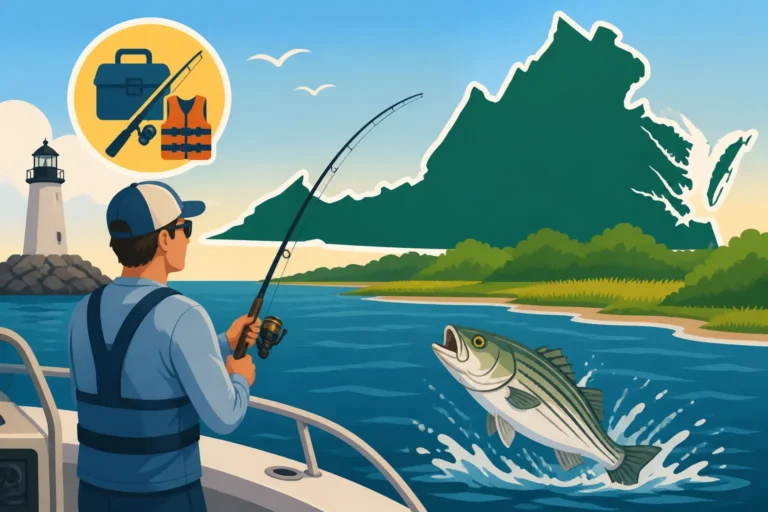
What to Pack for Your Trip
Thinking about what to bring, and what to leave at home, can make a difference. Here's a quick rundown:
- Layered Clothing: Even on warm days, it can be significantly cooler on the water, especially in the morning or evening. Dress in layers you can easily add or remove. A waterproof outer layer is always a good idea, just in case of spray or unexpected showers.
- Sun Protection: Sunglasses, a wide-brimmed hat, and plenty of high-SPF sunscreen are non-negotiable. The sun's reflection off the water intensifies its effects.
- Appropriate Footwear: Wear comfortable, non-slip shoes. Flip-flops might seem tempting, but boat decks can be wet and uneven.
- Food and Drinks: While some charters might offer bottled water, it's generally a bring-your-own affair for snacks and beverages. Pack enough for the duration of your trip.
- Cooler (for your catch): If you plan to keep fish, bring a cooler with ice to transport your fillets home. Most charters will clean your fish, but you're responsible for its journey home.
- Camera: To capture those memorable moments!
- Medication: Don't forget any personal medications you might need.
- Fishing License: As mentioned, verify if you need one, especially for freshwater trips. If so, ensure it's valid and accessible.
These simple items can drastically improve your comfort and enjoyment.
Dealing with Seasickness and Comfort
For many, the fear of seasickness is a real concern, and it's a valid one! The good news is there are several effective ways to combat it. If you're prone to motion sickness, or even if you're not sure, consider taking over-the-counter medication like Dramamine or Bonine before you board the boat, as per package instructions. They are often most effective when taken in advance. Eating a light, non-greasy breakfast and avoiding alcohol the night before can also help. Once on board, try to stay on deck in the fresh air, focus on the horizon, and avoid reading or looking at your phone for extended periods. The captain will typically try to find the calmest waters possible, but conditions can change. If you do start to feel queasy, let the crew know; they often have remedies or suggestions that can help. Your comfort is important for a great trip!
Making the Most of Your Experience
A charter trip is more than just catching fish; it's an experience. Engage with your captain and crew. Ask questions, learn about the local ecosystem, and absorb their knowledge. Fishing can have its ups and downs, so embrace the journey, not just the outcome. Be patient, stay positive, and appreciate the time spent on the water. If you're with family or friends, use it as an opportunity to connect and create lasting memories. Even if the fish aren't biting like crazy, the beauty of Virginia's waters, the fresh air, and the camaraderie can still make it a truly wonderful day. Remember, it's called "fishing," not "catching," for a reason – but with a good charter, the "catching" part often follows!
Booking Your Virginia Striped Bass Charter
The final hurdle is making that booking. While it might seem straightforward, a few key considerations can ensure you secure the best possible trip for your group and avoid any last-minute disappointments.
Finding Reputable Charter Services
In today's digital age, finding charter services is easier than ever. Online platforms like FishingBooker are a fantastic resource, allowing you to browse numerous Virginia striped bass charters, compare boats, read reviews from other anglers, and check availability. This is a great starting point to gauge reputation and service quality. You can filter by location, target species, and trip type, making it simple to narrow down your options. Beyond online platforms, word-of-mouth is still powerful. Ask friends who have fished in Virginia for recommendations. Local tackle shops are also invaluable resources, often having direct connections to reputable captains in the area. When you've found a few options, don't hesitate to call the captain directly. A brief conversation can give you a good feel for their personality, experience, and willingness to answer your questions. This personal touch can confirm if they're the right fit for your group.
The Importance of Booking in Advance
This cannot be stressed enough, especially if you're planning a trip during the peak spring or fall striped bass runs. Good charter captains, particularly those with a strong reputation and consistent success, book up quickly. Weekends and holidays are often reserved months in advance. If you have specific dates in mind, or if you're traveling from out of state, booking as far ahead as possible is crucial. This not only secures your preferred dates but also gives you a better chance of getting the captain and boat you truly want. Last-minute bookings are far more challenging and often limit your options to whatever is still available. Planning ahead also allows you ample time to coordinate with your group, arrange travel, and build excitement for the adventure!
What to Do if Your Trip is Affected by Weather
Weather is an unpredictable element when planning any outdoor activity, especially fishing. High winds, heavy rain, or rough seas can make a fishing trip unsafe or simply unpleasant. Reputable charter captains prioritize safety above all else. If the weather forecast looks iffy, your captain will usually contact you in advance to discuss options. This might involve rescheduling the trip to a safer day, or if that's not possible, issuing a refund of your deposit. Most charters have clear cancellation policies regarding weather, which is one of those critical questions to ask before you book. It's important to be flexible and understanding in these situations. No captain wants to cancel a trip, but they also don't want to put you or their crew at risk. Trust their judgment – they know the local waters and weather patterns best. It's far better to reschedule and have a safe, enjoyable trip on another day than to push through unsafe conditions.
| Trip Length | Typical Duration | Ideal For | Pros | Cons |
|---|---|---|---|---|
| Half-Day | 4-5 hours | Beginners, families, tight schedules | More affordable, less time commitment, good introduction | Limited range, less time to find fish, fewer techniques explored |
| 3/4-Day | 6 hours | Intermediate anglers, mixed groups | Good balance of time and cost, more fishing opportunities | Still might not reach distant hotspots, slightly higher cost |
| Full-Day | 8+ hours | Serious anglers, trophy hunters | Maximizes fishing time, wider range, more techniques, higher yield | More expensive, longer commitment, can be tiring for some |
Disclaimer
This article is for general informational purposes only and does not constitute professional advice. Laws, prices and regulations vary by location and change over time. Consult a qualified professional for guidance on your specific situation.