Is Walleye Good to Eat?
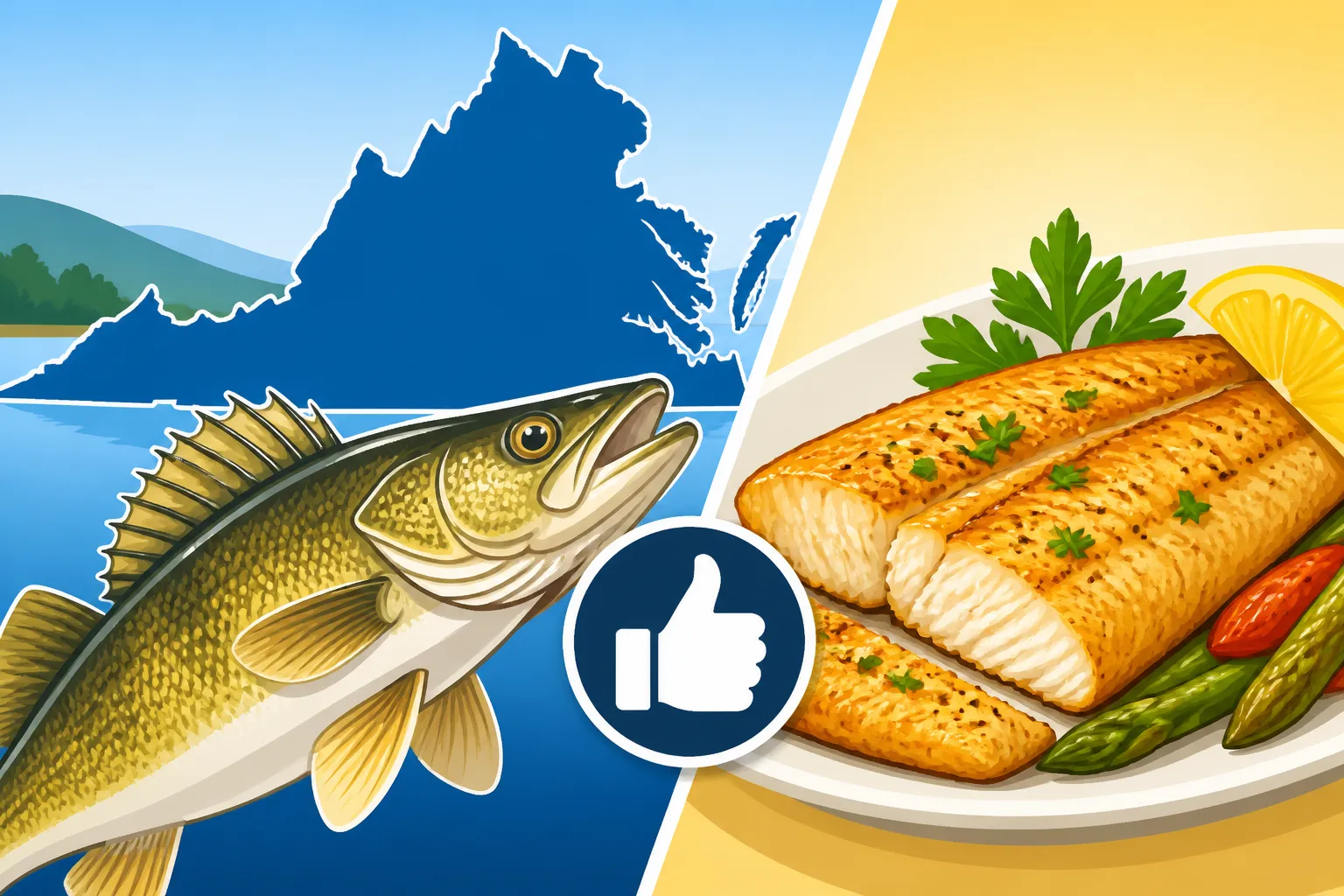
It's a question many anglers ponder, especially if they're new to fishing for a particular species: "Is it actually good to eat?" When it comes to walleye, you might hear a lot of buzz, and I'm here to tell you that the rumors are absolutely true. This guide will dive deep into why walleye is considered a top-tier table fish by many, covering its delectable flavor, appealing texture, and tips for preparing it fresh from Virginia's waters.
The Culinary Appeal of Walleye: Why Anglers RAVE About It
Honestly, if you've never tasted walleye, you're in for a treat. This fish consistently ranks among the most sought-after freshwater species for its superb eating quality, and for good reason. It's not just hype; there's a tangible difference in its taste and texture that sets it apart from many other catches. Anglers who hit lakes like Claytor Lake specifically hoping for a walleye often do so with dinner plans already dancing in their heads.
There's a reason why restaurants, even those that don't specialize in fish, will occasionally feature walleye on their specials menu. It has a broad appeal, even to people who might typically shy away from "fishy" fish. It's a fantastic introduction to eating your catch, and for seasoned seafood lovers, it's often a preferred choice over many saltwater alternatives. When you land a beautiful walleye in Virginia, you've essentially caught gold for your dinner plate.
A Taste Profile That Stands Out
What makes walleye so incredibly delicious? Well, it boils down to a few key characteristics. The flavor is remarkably mild, subtly sweet, and incredibly clean. You won't find that overpowering "fishy" taste that sometimes turns people off from other species. Instead, it offers a delicate essence that allows other flavors to shine through in your cooking, making it incredibly versatile. Think of it as a blank canvas, but one that already has a pleasant, inherent sweetness.
Many compare its flavor to that of a snapper or even a very mild cod, but with a uniquely fresh, almost nutty undertone. This delicate flavor profile means it pairs well with a wide range of seasonings, from simple lemon and butter to more complex herb blends. For those who prioritize taste above all else, the walleye is a clear winner, especially when caught from the crisp, clean waters of Virginia where Walleye Fishing in Virginia is a popular pursuit.
It’s worth noting that the environment truly plays a role. A walleye caught from cold, clear water often has an even purer, more refined taste than one from warmer, murkier conditions. This is why anglers targeting walleye in places like Claytor Lake often brag about the quality of their catch, as these environments tend to foster fish with optimal flavor. You'll quickly understand why it's such a prized catch once you've had a bite.
The Desirable Texture
Beyond its exquisite flavor, the texture of walleye is another major selling point. The flesh is firm, yet beautifully flaky, and holds together wonderfully when cooked. It's lean, but not dry, maintaining a moist and tender consistency that melts in your mouth. This isn't a mushy fish, nor is it tough or chewy; it strikes a perfect balance that's highly satisfying.
This firm flakiness makes it a joy to cook and eat. Whether you’re gently pan-frying a fillet or baking a whole fish, the meat separates into distinct, succulent flakes with minimal effort. It’s also quite forgiving for beginner cooks, as its inherent moisture helps prevent it from drying out too quickly, though proper cooking techniques are always recommended. The integrity of the flesh means it holds up well in various dishes, from a simple pan-seared fillet to fish tacos.
The combination of its mild flavor and pleasant texture contributes to its wide appeal. Even those who are hesitant about eating fish often find walleye to be a delightful exception. It’s truly a testament to why so many anglers consider it a trophy, not just for its fight on the line but for the culinary experience it offers. If you’re ever wondering How to Identify a Walleye, knowing that you’re about to reel in such a delicious meal adds to the excitement.
Preparing Walleye for the Plate: From Lake to Table
Catching a walleye is one thing, but transforming it into a delicious meal is another. The journey from the water to your dinner plate is crucial, and proper handling and preparation can elevate an already excellent fish to an unforgettable culinary experience. You've put in the effort to find the Best Bait for Walleye in Virginia and reel it in; now let's make sure it tastes as good as possible.
The goal is always to preserve that fresh, clean flavor and delicate texture. Rushing the process or neglecting basic steps can diminish the quality of even the finest walleye. It's not overly complicated, but paying attention to the details will make all the difference in the final dish.
Cleaning and Filleting for Optimal Results
The first step after catching your walleye, assuming you've kept it cool, is proper cleaning and filleting. This is where many anglers either shine or fall short. A clean, well-filleted piece of fish is much more appealing and easier to cook. You want to work quickly and efficiently to maintain the freshness. For most walleye, you’ll be aiming for boneless fillets, as the small bones can be a nuisance.
Start by rinsing the fish thoroughly to remove any slime or debris. Then, using a sharp filleting knife, carefully remove the fillets from both sides of the backbone. Many experienced anglers will then remove the skin, which can sometimes carry a stronger flavor, though some prefer to cook with the skin on for crispiness. Pay special attention to removing any dark "red meat" or bloodline along the lateral line of the fillet, as this is often the source of any "fishy" taste. A clean fillet should be pearly white and translucent. If you're a beginner, don't be discouraged; practice makes perfect, and there are many online tutorials available.
After filleting, give the fillets another quick rinse in cold water and pat them dry with paper towels. Excess moisture can hinder browning and crisping during cooking. Whether you plan to cook it immediately or store it for later, this meticulous cleaning process is paramount. Remember, the effort you put into cleaning will directly translate to the quality of your meal.
Popular Cooking Methods
Walleye is incredibly versatile in the kitchen, lending itself well to a variety of cooking methods that highlight its delicate flavor and flaky texture. Whether you're a seasoned chef or a beginner cook, there's a simple and delicious way to prepare it. You might even find some fantastic cooking tools or spice blends on Amazon to elevate your walleye dishes.
Here’s a look at some of the most popular and effective ways to cook walleye:
- Pan-Frying: This is arguably the most common and beloved method. Lightly dust the fillets in seasoned flour, cornmeal, or a breadcrumb mixture (like Panko), then pan-fry in a shallow amount of butter, olive oil, or a combination of both until golden brown and flaky. This creates a beautifully crispy crust while keeping the inside moist. It's simple, quick, and truly lets the walleye's natural flavor shine.
- Baking/Roasting: For a lighter, healthier option, baking is fantastic. Place fillets on a baking sheet, drizzle with olive oil, season with salt, pepper, lemon juice, and herbs like dill or parsley. Bake at around 400°F (200°C) for 10-15 minutes, or until the fish flakes easily with a fork. You can also add some vegetables to the pan for a one-pan meal.
- Grilling: Grilling offers a wonderful smoky flavor, especially in the warmer Virginia Fishing Seasons Explained. Brush fillets with oil and seasonings, then place them on a well-oiled grill over medium heat. Cook for a few minutes per side, being careful not to overcook. Using a fish basket can help prevent delicate fillets from breaking apart on the grill grates.
- Poaching: If you want an incredibly delicate and moist preparation, poaching is an excellent choice. Gently simmer fillets in a flavorful liquid—like water, white wine, or fish broth—with aromatics such as bay leaves, peppercorns, and lemon slices. The low, slow heat keeps the fish incredibly tender.
Regardless of the method, the key is not to overcook it. Walleye cooks relatively quickly, and overcooking can dry out the delicate flesh, making it less enjoyable. Aim for the point where the fish is opaque throughout and flakes easily with a fork.
| Cooking Method | Best For | Flavor Profile | Preparation Time |
|---|---|---|---|
| Pan-Frying | Crispy exterior, moist interior | Rich, buttery, savory | 10-15 minutes |
| Baking | Light, healthy, hands-off | Delicate, fresh, herbaceous | 15-20 minutes |
| Grilling | Smoky, charred flavor | Savory, slightly smoky | 10-15 minutes |
| Poaching | Tender, extremely moist | Mild, subtle, infused | 10-15 minutes |
Factors Influencing Walleye Flavor and Quality
While walleye is inherently a fantastic eating fish, not all walleye are created equal. Several environmental and handling factors can significantly impact the final taste and texture of your catch. Understanding these can help you maximize the culinary potential of your fish, whether you're fishing Where to Find Walleye in Virginia Lakes or on a distant trip.
It's a testament to the fish's quality that even a walleye caught in less-than-ideal conditions can still be decent, but for that truly exceptional meal, you want to aim for the best possible factors. Think of it like growing vegetables; the soil and care make a huge difference in the final product.
Water Quality and Diet
One of the most significant factors influencing the taste of any fish, including walleye, is the quality of the water it inhabits and its diet. Walleye thrives in cool, clean, clear waters, and fish caught from these environments almost universally have a superior flavor. These conditions minimize any unpleasant off-flavors that can sometimes accumulate in fish from warmer, murkier, or less pristine waters.
For instance, walleye from pristine, spring-fed lakes or cold, fast-moving rivers will often taste cleaner and sweeter than those from slow, stagnant, or heavily industrialized waters. Virginia is fortunate to have many excellent fisheries, with lakes like Claytor Lake being known for their healthy walleye populations and generally good water quality. When you’re fishing for Claytor Lake's Walleye Population: What Anglers Should Know, you’re often targeting fish from a prime environment. Their diet also plays a role; walleye that feed primarily on small, healthy baitfish tend to develop a more desirable flavor profile.
This isn't to say you should avoid eating walleye from other areas, but if you notice a slight difference in taste, the water conditions and the fish's diet are often the culprits. Choosing your fishing spot wisely, perhaps by consulting resources on Claytor Lake Fishing Guide or Best Fishing Spots in Virginia, can make a difference in your culinary outcome.
Freshness is Key
This might seem obvious, but the freshness of the walleye is absolutely paramount to its taste and quality. The moment a fish is caught, the clock starts ticking. The quicker you can get it cleaned, cooled, and cooked, the better it will taste. Nothing beats the flavor of a walleye caught in the morning and cooked that very evening.
To ensure maximum freshness, it's vital to handle your catch properly immediately after reeling it in. If you plan to keep your walleye, humanely dispatch it, and then get it on ice as quickly as possible. A cooler full of ice isn't just for keeping drinks cold; it's essential for preserving the quality of your fish. This rapid chilling slows down the enzymatic processes that can degrade the flesh and develop off-flavors.
Even if you're not going to eat it the same day, proper icing and refrigeration are critical until you're ready to fillet and cook or freeze. Freezing walleye is certainly an option for longer storage, but even then, the quality of the frozen product will depend heavily on how fresh it was before freezing. Many anglers will tell you that the difference between a properly handled, fresh walleye and one that's been poorly cared for is like night and day. Taking these steps is part of the overall experience and ensures that your efforts pay off in a truly delicious meal. If you're looking for more tips on maximizing your catch's quality, consider checking out guides like Virginia Walleye Fishing Tips for Beginners.
Disclaimer
This article is for general informational purposes only and does not constitute professional advice. Laws, prices and regulations vary by location and change over time. Consult a qualified professional for guidance on your specific situation.