Where to Catch White Catfish in Virginia
It can be incredibly frustrating to hear whispers of great fishing spots but never quite know where to start, especially when you're targeting a specific species like the white catfish. Many anglers, even seasoned ones, find themselves wondering if they're fishing the right waters or using the best approach for these often-overlooked bottom dwellers. This comprehensive guide is here to shed light on exactly where to catch white catfish in Virginia and give you the actionable tips you need to fill your cooler.
Understanding the Elusive White Catfish in Virginia
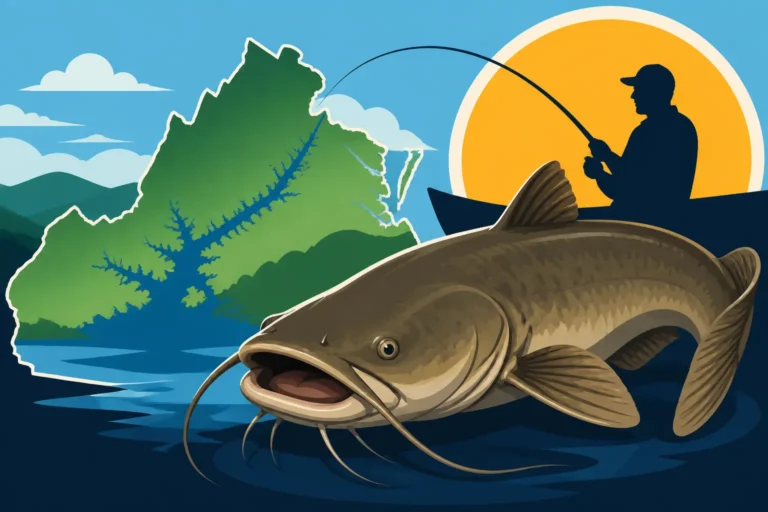
Before you even think about casting a line, it's really helpful to get a good grasp of the fish you're after. White catfish, while not as famous as their channel cat or flathead cousins, are an abundant and often feisty species in Virginia. They're found in both freshwater and brackish (slightly salty) environments, making them a unique target. Knowing their characteristics and habits will drastically improve your chances of locating them and enticing a bite.
Distinguishing White Catfish from Their Cousins
One of the first hurdles for many anglers is simply telling a white catfish apart from a channel catfish or a bullhead. It's easy to get them confused, especially if you're relatively new to catfish identification. White catfish typically have a somewhat shorter, stockier body than a channel catfish, and their heads are usually broader. Their tails are only moderately forked, or sometimes not forked at all, appearing more rounded than the deeply forked tail of a channel cat. The barbels (whiskers) on a white catfish are also often paler, sometimes a yellowish or whitish color, matching their name.
Unlike the channel catfish, which can have spots when young, white catfish generally don't have spots at any stage of their life. They typically sport a uniform greenish-gray to blue-gray color on their backs, fading to white on their bellies. This subtle difference is key, especially if you're trying to adhere to specific regulations or catch limits that might vary by species. You can find more detailed visual cues in our guide on White Catfish Identification for Virginia Anglers.
Preferred Habitats and Feeding Habits
White catfish are remarkably adaptable, which is why they're so widespread across Virginia's waterways. They tend to prefer slow-moving waters or areas with moderate current, making them common inhabitants of river backwaters, tidal creeks, lakes, and even ponds. Unlike some other catfish species that prefer deep, murky holes, white catfish often hang out in shallower areas, especially those with some sort of cover like submerged logs, rock piles, or dense aquatic vegetation. They're not afraid of a bit of muddy bottom either, as long as there's plenty of food.
When it comes to dinner, white catfish aren't particularly picky. They're opportunistic omnivores, meaning they'll eat just about anything they can get their mouths on. This includes small fish, insects, crustaceans (like shrimp and crabs in brackish water), worms, and even plant matter. They use their keen sense of smell and those distinctive barbels to detect food along the bottom, making them excellent scavengers. Understanding this varied diet is crucial when selecting your bait, as you'll want something potent and appealing to their olfactory senses.
Top Virginia Waters for White Catfish Anglers
Virginia is blessed with a diverse range of aquatic environments, and many of them hold thriving populations of white catfish. From sprawling tidal rivers to serene inland lakes, there are numerous opportunities for anglers looking to hook into these tasty bottom feeders. Knowing the specific types of locations they prefer can save you a lot of time and increase your catch rate significantly.
Tidal Rivers and Estuaries: A Prime Hunting Ground
The tidal rivers flowing into the Chesapeake Bay are arguably some of the best places in Virginia to target white catfish. These rivers, with their mix of freshwater and saltwater influences, provide the ideal brackish environment that white catfish truly thrive in. The constant flow of the tide brings in new food sources and oxygenates the water, keeping the fish active.
Rivers like the James, York, Rappahannock, and Potomac are absolutely legendary for their white catfish populations. Look for them in the slower-moving sections, particularly around creek mouths, deep bends, and areas where there's submerged structure. Docks, pilings, and bridge abutments can also be hot spots, as they provide cover and ambush points. Fishing during the incoming or outgoing tide can be especially productive, as the current often stirs up food from the bottom. Fishing the James River in Virginia offers more insights into one of these prolific waterways.
Smaller Lakes and Ponds: Hidden Gems
While the big tidal rivers get a lot of attention, don't overlook Virginia's numerous smaller lakes and ponds for white catfish. These more contained bodies of water can offer fantastic, often less crowded, fishing opportunities. Many of the lakes managed by the Virginia Department of Wildlife Resources (DWR) or even local park systems can hold impressive numbers of white catfish.
When fishing lakes and ponds, concentrate your efforts on areas with moderate depths, typically 5-15 feet, especially if there's structure like weed lines, brush piles, or old stumps. Points that extend into the water and sudden drops in depth can also be very productive. Farm ponds and private impoundments, with permission, can be incredible for white catfish, often harboring larger specimens due to less fishing pressure. These smaller waters can be perfect for a relaxed day of Bank Fishing Techniques.
The Chesapeake Bay Tributaries: A Bountiful Harvest
Beyond the main stem of the major tidal rivers, the countless smaller creeks and tributaries that feed into them are also fantastic for white catfish. These areas often have extensive shallow flats and deeper channels, providing a mosaic of habitats for various fish species, including white catfish. The brackish nature of these waters means the white catfish here often have a slightly different diet, incorporating more shrimp and small crabs, which can influence your bait choice.
Explore the smaller creeks off the James River, for instance, or the lesser-known estuaries connecting to the York. These areas can sometimes offer even better fishing than the main river, as they might have less boat traffic and more untouched habitat. Look for areas where freshwater runoff meets the tidal flow, as these convergence points often concentrate baitfish and, consequently, hungry catfish.
Essential Gear and Proven Techniques for White Catfish
You don't need highly specialized, expensive gear to catch white catfish, which is great news for beginners and seasoned anglers alike. Simple, effective tackle combined with the right bait and technique will put you in a prime position for success.
Choosing the Right Tackle and Bait
For white catfish, a medium-action spinning rod and reel combo spooled with 10-15 pound monofilament or braided line is usually perfect. The medium action provides enough backbone to handle a decent-sized cat but still offers sensitivity for detecting lighter bites. A 6-7 foot rod is versatile for both bank fishing and boat fishing. When it comes to hooks, a Kahle hook (also known as an octopus hook) or a circle hook in sizes 1/0 to 3/0 works well, especially if you're planning on catch-and-release, as circle hooks tend to hook fish in the corner of the mouth, causing less harm.
As for bait, remember that white catfish are opportunistic. You'll want something stinky and natural. Cut bait, like pieces of shrimp, clam, squid, or even small strips of sunfish, are perennial favorites. Nightcrawlers or red worms are also excellent, especially in freshwater environments. Prepared baits, often called "stink baits" or "punch baits," can be incredibly effective too, as their strong odor really calls in the catfish. You can find a wide variety of these baits, along with essential tackle, online at retailers like Amazon. Don't be afraid to experiment! Sometimes, what works one day won't work the next, so having a few options on hand is always a good idea. Check out Best Bait for Channel Catfish in Rivers and Lakes for more ideas that can be adapted for white catfish.
Here's a quick comparison of common baits for white catfish:
| Bait Type | Description | Pros | Cons |
|---|---|---|---|
| Cut Bait | Pieces of oily fish (e.g., shad, mullet), shrimp, clam, squid | Natural scent, universally attractive, readily available | Can be messy, smaller pieces might attract non-target species |
| Worms | Nightcrawlers, red worms | Easy to find, lively action, great for all catfish species | Can be stolen by smaller fish, less scent than cut bait |
| Stink Baits | Prepared baits with strong, artificial odors (dip, punch, dough) | Extremely potent scent, specifically designed for catfish | Can be very messy to handle, not always natural texture |
| Live Minnows | Small live baitfish | Excellent for triggering aggressive bites, natural presentation | Requires keeping bait alive, might attract larger predators |
Effective Fishing Strategies: Bottom Rigs and Still Fishing
The most common and effective technique for white catfish is bottom fishing. This involves casting your bait out and letting it rest on the bottom, right where catfish are actively foraging. A simple Carolina rig or a slip sinker rig is perfect for this. Thread a small egg sinker (1/2 to 1 ounce, depending on current) onto your main line, then tie on a swivel. To the other end of the swivel, attach a leader of 12-24 inches of fluorocarbon or monofilament, and then your hook. The slip sinker allows the fish to pick up the bait and move off without immediately feeling the weight of the sinker, giving you a better chance for a solid hookset.
Another productive method is still fishing, especially from a boat or a stationary dock. You can suspend your bait off the bottom using a bobber if you're fishing in shallower water or over submerged vegetation. This keeps your bait visible and prevents it from getting snagged in the muck. Whether you're casting from the bank or fishing from a boat, always keep an eye on your rod tip for the tell-tale twitch of a catfish bite. They don't always hit hard; sometimes it's just a subtle tap. Consider using rod holders to free up your hands while you wait. Many anglers even equip their rods with small bells that can be easily attached to the rod tip and purchased online, perhaps from Amazon, to give an audible alert when a fish bites. Our article on How to Bottom Fish for Catfish goes into even more detail about these rigs.
Maximizing Your White Catfish Catch
Catching white catfish isn't just about showing up with a hook and some bait. There are several other factors you can consider to really improve your odds, from timing your trip to understanding the environmental conditions. A little planning can go a long way when you're trying to haul in a good mess of these delicious fish.
Timing Your Trip for Optimal Success
White catfish, like most catfish species, are often most active during low light conditions. This means early morning, late evening, and especially after dark can be prime fishing times. During the day, they tend to retreat to deeper, cooler water or hide in dense cover. However, on overcast days or after a good rain, they might be more active throughout the day, as the reduced light and increased water flow can stimulate their feeding instincts.
Seasonally, white catfish can be caught year-round in Virginia, but their activity peaks in the warmer months. Spring and fall are particularly excellent, as the water temperatures are comfortable, and the fish are actively feeding to bulk up for spawning or winter. In the heat of summer, focus your efforts on those low-light periods or target them in deeper holes where the water remains cooler. Our guide on Best Catfish in Summer offers specific tactics for those hot months.
Ethical Angling and Conservation
While white catfish populations are generally robust, it's always important to practice responsible angling. This means understanding and adhering to Virginia's fishing regulations, including any creel limits or size restrictions that might be in place for catfish species in specific waters. These regulations are designed to ensure healthy fish populations for future generations of anglers.
If you're planning on keeping your catch, know how to properly handle and dispatch the fish quickly and humanely. If you're practicing catch-and-release, handle the fish as little as possible, wet your hands before touching them, and release them gently. A strong pair of pliers for hook removal is always a good idea, which you can easily find on Amazon. Being a responsible angler not only helps conserve the resource but also ensures you're enjoying your time on the water without causing unnecessary harm.
When you bring home your catch, you'll be happy to know that white catfish are generally considered excellent table fare, with firm, white, and mild-tasting meat. Many anglers even prefer their taste to other catfish species, finding them less "muddy." So, once you've successfully located and landed a few, you're in for a real treat!
Disclaimer
This article is for general informational purposes only and does not constitute professional advice. Laws, prices and regulations vary by location and change over time. Consult a qualified professional for guidance on your specific situation.