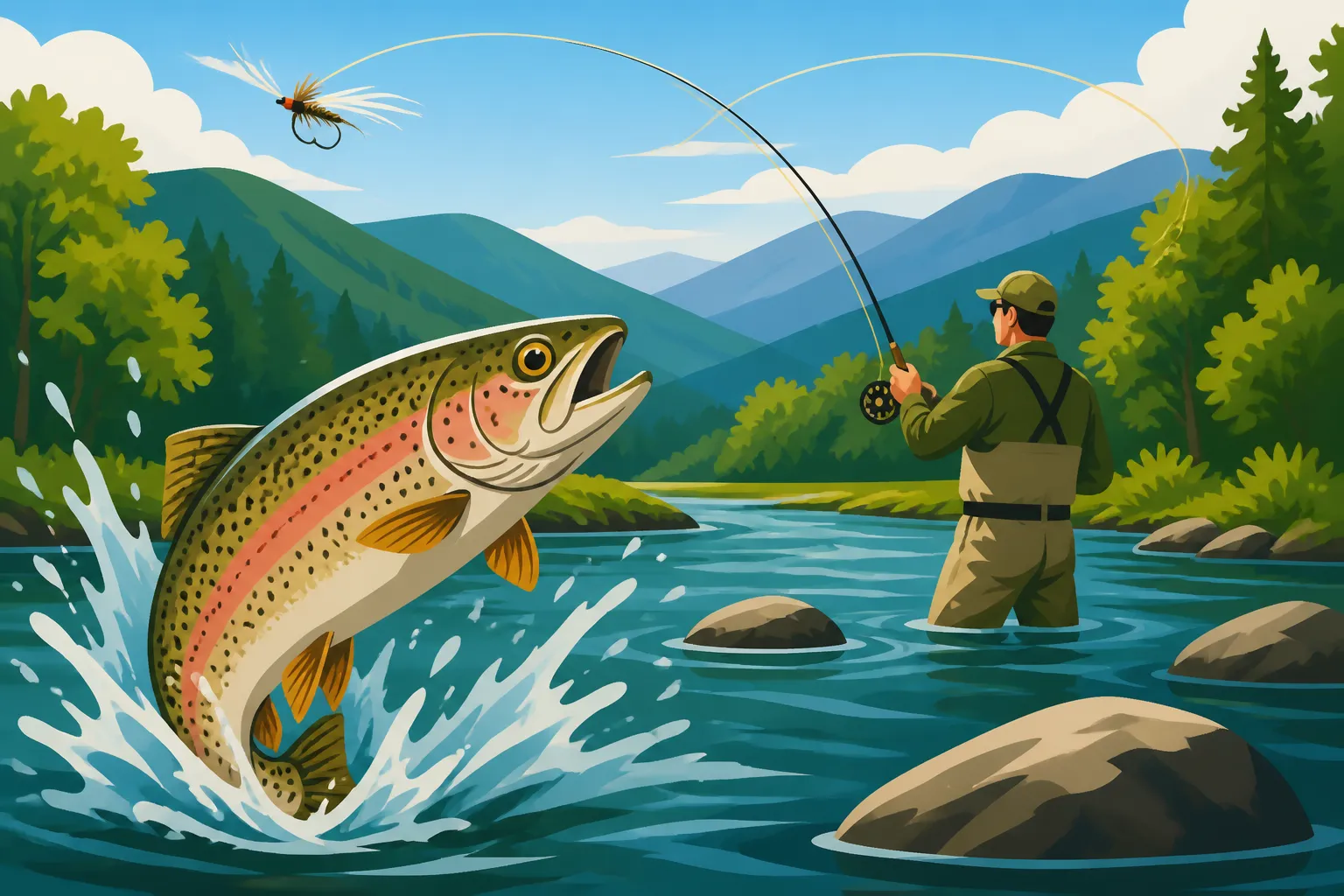
Fly Fishing for Trout on the Shenandoah River
There's an undeniable allure to fly fishing, a peaceful dance between angler and nature that feels almost meditative. But let's be real, for many, the thought of trying to fly fish a river as storied and diverse as Virginia's Shenandoah can feel a bit daunting. You might picture seasoned pros, gracefully casting lines with an effortless rhythm, and wonder if you could ever get there. Maybe you've tried it before and felt frustrated by tangled lines or empty creels. You're not alone! This guide is here to strip away the mystery and equip you with the knowledge and confidence to truly enjoy fly fishing for trout on the majestic Shenandoah River.
The Shenandoah River: A Trout Angler's Paradise (with a Twist)
The Shenandoah River, with its gentle flows and stunning Blue Ridge backdrop, holds a special place in the hearts of Virginia anglers. While many associate it with smallmouth bass, its headwaters and some of its tributaries offer fantastic opportunities for trout, making it a truly unique fly-fishing destination. It's not always easy, but the rewards—a beautiful native brook trout or a feisty rainbow—are well worth the effort.
Understanding the Shenandoah's Trout Waters
When we talk about trout fishing on the Shenandoah, we're largely looking at specific sections. The main stem of the Shenandoah is predominantly a warm-water fishery, famed for its incredible smallmouth bass populations. However, the upper reaches and numerous feeder streams, particularly in the George Washington and Jefferson National Forests, boast colder, oxygen-rich waters that are perfect for trout. These are often categorized as either wild trout streams or stocked trout waters. Understanding the difference is crucial for your planning and success. Wild trout streams are typically smaller, more secluded, and require more stealth and skill, but offer the chance at truly native fish. Stocked waters, on the other hand, are regularly replenished by the Virginia Department of Wildlife Resources (DWR), offering more consistent action and often easier access.
Navigating these differences can sometimes feel like you need a secret decoder ring, but it really boils down to knowing where to go and what to expect. Don't be shy about consulting DWR maps or local fly shops for the most current information on specific stream conditions and stocking schedules. Sometimes, a quiet afternoon exploring a lesser-known tributary can yield the most memorable catches. Wild Trout Stream Rules in Virginia are often stricter to protect these fragile ecosystems.
The Trout Species You'll Encounter
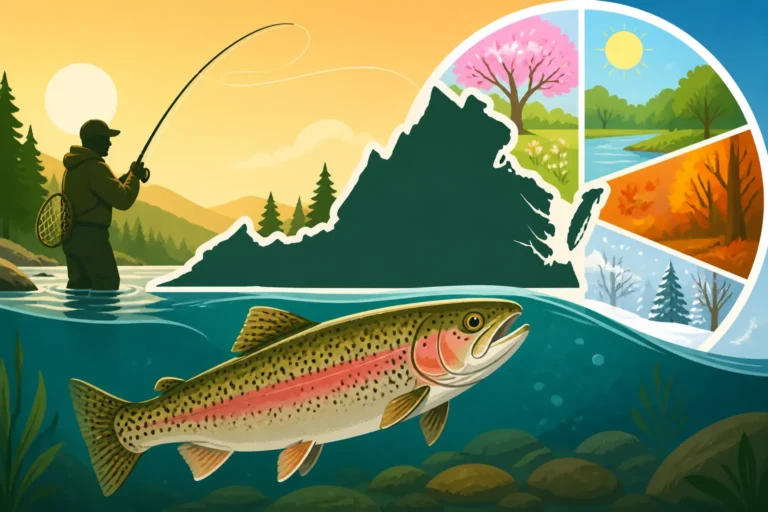
The Shenandoah's trout streams are home to a few different species, each offering a unique challenge and beauty. The most prized, of course, is the native Brook Trout (often called "speckled trout" by locals). These vibrant fish, with their worm-like markings and red spots, are truly a treasure of the Appalachian mountains. They thrive in the coldest, purest headwaters and are a testament to the health of the stream. Catching a brook trout on a small fly rod is a quintessential Virginia fly fishing experience.
You'll also find Rainbow Trout and Brown Trout in many of the stocked sections. Rainbows are known for their spirited fights and often readily take a well-presented fly, making them popular with anglers of all skill levels. Brown trout are typically more elusive and larger, offering a significant challenge. They can be incredibly wary and often require a delicate touch and precise presentation. Knowing your quarry can help you select the right flies and techniques. Rainbow Trout vs Brown Trout in Virginia: How to Tell Them Apart can be tricky, but their distinct markings are key.
Gearing Up for Shenandoah Trout: Rods, Reels, and Essentials
Stepping into the world of fly fishing often comes with a bit of gear anxiety. What do you really need? Do you have to break the bank? The good news is, for the Shenandoah's trout, you don't need the most expensive setup, but investing in quality essentials will certainly enhance your experience. Think of it as building a relationship with your gear—it needs to be reliable.
Choosing Your Fly Rod and Reel
For most trout fishing on the Shenandoah River, a 3-weight or 4-weight fly rod is your sweet spot. This lighter rod allows for delicate presentations of smaller flies, which is crucial for wary trout, especially in clearer waters. A 7.5-foot to 9-foot length is standard, with shorter rods often preferred for tight, brushy wild trout streams where long casts aren't possible. The rod's action (flexibility) is also something to consider; a medium-fast action offers a good balance of casting power and sensitivity.
Your reel doesn't need to be anything fancy for trout. Its primary job is to hold your line and provide a smooth drag if you hook into a particularly strong fish. A simple click-and-pawl or disc drag reel that matches your rod weight will serve you well. Don't forget your fly line! A weight-forward floating line is versatile for most trout applications, allowing for easier casting and mend control. You can find excellent starter kits or individual components from reputable brands online, and many anglers discover great value and convenience by browsing selections on platforms like Amazon.
Essential Wading Gear and Apparel
Since you'll likely be wading the Shenandoah's trout streams, proper wading gear is non-negotiable for comfort and safety. Breathable chest waders are ideal, keeping you dry and warm in chilly mountain waters. Pair these with felt-soled wading boots (or rubber soles with studs) for superior traction on slippery rocks. Always wear a wading belt to prevent your waders from filling with water in case of a slip. Layering your clothing underneath is key, as mountain weather can change quickly.
Beyond your waders, consider a vest or chest pack to keep your fly boxes, nippers, forceps, and other small tools organized and within easy reach. A landing net with a rubber basket is highly recommended to protect the fish you catch, especially if you plan on catch and release. A good wide-brimmed hat, polarized sunglasses (crucial for spotting fish and protecting your eyes), and sunscreen complete your essential apparel. Many anglers find durable, affordable options for these items with a quick search on Amazon.
Master the Water: Techniques for Shenandoah Trout
Once you're geared up, it's time to talk tactics. Fly fishing for trout, especially in a river environment, is a continuous learning process. It's about more than just casting; it's about observation, understanding fish behavior, and adapting to the conditions.
Reading the Water and Identifying Holding Lies
One of the most critical skills in fly fishing is learning to "read the water." This means understanding where trout are likely to hold, feed, and rest. Look for areas where the current slows down, creating an eddy behind a large rock or log. Seams where fast water meets slow water are prime feeding lanes. Deeper pools and undercut banks provide cover and a sense of security. Trout also love riffles and runs, especially those with some depth, as these areas deliver food and oxygen.
Don't just cast blindly; take a moment to observe the flow, look for insect activity, and consider where you would be if you were a fish. The Shenandoah's varied structure—from rocky riffles to deeper runs—offers a diverse range of holding lies. You'll often find that trout congregate in specific areas, so if you catch one, there might be more nearby. Learning How to Read Water When Fly Fishing a River will dramatically improve your success.
Essential Fly Patterns for the Shenandoah River
Matching the hatch, or using flies that imitate the insects currently active, is often the most effective strategy. However, having a few versatile "generalist" patterns in your fly box will cover most situations on the Shenandoah.
Here's a table of some go-to fly patterns that often produce results on Shenandoah trout streams:
| Fly Category | Pattern Name | Imitates | Best Season(s) | Notes |
|---|---|---|---|---|
| Dry Flies | Elk Hair Caddis | Adult Caddisfly | Spring/Summer | Excellent all-around attractor, floats well. |
| Parachute Adams | Mayflies, general attractor | All | Highly visible, good for technical water. | |
| Stimulator | Stoneflies, grasshoppers | Summer/Fall | Larger attractor, great for wild trout. | |
| Nymphs | Pheasant Tail Nymph | Mayfly nymphs, general insect | All | Essential subsurface pattern, very versatile. |
| Hare's Ear Nymph | Caddis, Mayfly, general insect | All | Another must-have, good in various sizes. | |
| Squirmy Wormy | Worms | All, especially after rain | Very effective, especially for freshly stocked fish. | |
| Streamers | Woolly Bugger (Olive/Black) | Minnows, leeches, aquatic bugs | All | Great search pattern, can entice larger trout. |
| Clouser Minnow (Small) | Baitfish | All | Good for targeting aggressive trout, especially browns. |
While local fly shops are fantastic resources for current conditions and what's biting, you can also stock up on a wide variety of these patterns from online retailers. Having a good selection of sizes (e.g., #12-18 for nymphs and dry flies, #6-10 for streamers) is more important than having dozens of different patterns. Best Fly Patterns for Trout in Spring will often differ from those in the fall.
Casting and Presentation Tips
Don't let casting intimidate you. The goal isn't always distance, but accuracy and a soft presentation. For many Shenandoah trout situations, especially on smaller wild trout streams, roll casts and short, accurate overhead casts are all you need. Focus on creating a nice, open loop with your fly line, letting the rod do the work. The "false cast" isn't just for showing off; it's how you dry your fly and position your line for the final, accurate delivery.
Presentation refers to how your fly lands on the water and drifts. For dry flies and nymphs, a "drag-free drift" is paramount. This means your fly should float naturally with the current, without your line pulling it unnaturally. Mending your line (making small adjustments with your rod tip) helps achieve this. Practice makes perfect, and spending time on a local pond or even your backyard with just your rod and line can build muscle memory before you hit the river.
Beyond the Cast: Making the Most of Your Shenandoah Adventure
Fly fishing is more than just catching fish; it's about the entire experience. From planning your trip to respecting the environment, these tips will help you have a truly memorable time on the Shenandoah.
Planning Your Trip and Local Resources
Before you head out, do a little homework. Check the weather forecast, water levels, and temperature. High, muddy water after heavy rains can make fly fishing extremely challenging, if not impossible. Low, clear water, especially in summer, can make trout very spooky. The Virginia DWR website is an invaluable resource for stocking schedules, regulations, and access points. Local fly shops in towns near the Shenandoah, like those in Front Royal or Luray, are goldmines of current information. They can tell you what flies are working, where the fish are holding, and offer guided trips if you'd like an expert's insights.
Remember to secure the proper Virginia fishing license. If you're specifically targeting stocked trout, a special trout license or stamp is usually required in addition to your general fishing license. Virginia Stocked Trout Waters and License Requirements details this perfectly. Also, remember that cell service can be spotty in some remote areas, so let someone know your plans and expected return time. Safety first!
Etiquette, Conservation, and Catch & Release
Being a responsible angler is crucial, especially on heavily fished or fragile wild trout streams. Practice Leave No Trace principles: pack out everything you pack in, and perhaps even pick up any trash you find. Respect other anglers by giving them plenty of space. Nothing ruins a peaceful morning like someone wading into your fishing spot.
Catch and release is a common practice in trout fly fishing, especially for wild trout. If you intend to release your catch, handle the fish minimally and with wet hands to protect its slime coat. Keep it in the water as much as possible, removing the hook quickly with forceps. Avoid touching its gills or squeezing its body. If you want a photo, get it quickly and release the fish gently, allowing it to swim away on its own power. These small actions ensure healthy fish populations for future generations to enjoy.
Exploring Beyond Trout: Smallmouth Bass on the Shenandoah
While we're focusing on trout, it's worth noting that the Shenandoah River truly shines as a smallmouth bass fishery in its larger sections. If you find yourself in a warmer, wider stretch of the river, don't be surprised if your trout flies elicit a strike from a feisty smallmouth. These bronzebacks are incredibly strong fighters on a fly rod and offer fantastic sport, particularly in the summer months. Many anglers use slightly heavier gear (5-weight or 6-weight rods) and larger flies like poppers, streamers, or crayfish imitations for smallmouth. So, if the trout aren't cooperating, or if you simply want to broaden your horizons, remember that the Shenandoah offers diverse opportunities for Where to Catch Smallmouth Bass on the Shenandoah River and beyond. It’s truly a river that keeps on giving.
Disclaimer
This article is for general informational purposes only and does not constitute professional advice. Laws, prices and regulations vary by location and change over time. Consult a qualified professional for guidance on your specific situation.