Virginia’s Fishing License and Catch Limit Basics
It can feel incredibly daunting to untangle all the rules and regulations that come with fishing in a new state, or even just keeping up with changes in your home waters. You just want to enjoy a peaceful day on the water, but the worry of getting something wrong – from the type of license you need to the number of fish you can keep – can really take the joy out of it. This guide is here to clear up the confusion, providing a comprehensive look at Virginia's fishing license requirements and crucial catch limit basics, so you can fish with confidence and peace of mind.
Understanding Why We Have Fishing Regulations in Virginia
Nobody likes feeling restricted, especially when it comes to a relaxing hobby like fishing. But the truth is, the regulations we have in Virginia, and indeed across the country, aren't just there to make things complicated. They're carefully thought out, often based on scientific research and population studies, to ensure that the beautiful waters and abundant fish we enjoy today will still be there for generations to come. It’s a collective effort, and buying your license and following the rules makes you a vital part of it.
Protecting Virginia's Aquatic Ecosystems
Think of Virginia's rivers, lakes, and coastal waters as incredibly intricate natural homes. Each fish species, every plant, and even the smallest insect plays a role in keeping that home healthy and balanced. Overfishing, especially of certain vulnerable species, can throw this delicate balance completely out of whack.
Regulations like closed seasons during spawning periods for fish such as striped bass help ensure that adult fish can reproduce successfully, replenishing their numbers. Size limits, like the slot limits on certain bass species, protect both very young fish, giving them a chance to grow, and large, mature fish, which are often the best breeders. By implementing these rules, the Virginia Department of Wildlife Resources (DWR) aims to prevent depletion of fish stocks and maintain biodiversity, keeping our waters vibrant and thriving for all forms of life, not just the ones we target with a hook. It's a long-term investment in the health of our natural resources, benefiting everyone who cherishes the outdoors.
Ensuring Sustainable Fishing Opportunities
Have you ever imagined a future where your favorite fishing spot is empty? It's a grim thought, but without proper management, it could become a reality. That's why sustainability is at the heart of Virginia's fishing regulations. It’s not just about stopping overfishing; it’s about making sure there's always enough fish for everyone to enjoy the sport, year after year.
Daily creel limits, for example, prevent a few anglers from taking too many fish, spreading the catch more equitably among all who cast a line. These limits are not arbitrary; they're set based on population assessments and growth rates for various species in different bodies of water. For instance, you’ll find different bass limits in various lakes across the state, tailored to the specific health of that lake's fishery. By managing harvest levels, we help guarantee that young anglers today will have just as many opportunities, if not more, to experience the thrill of a bending rod as we do. It’s about securing the future of our sport and tradition.
Funding Conservation Efforts
Here's a critical point that often gets overlooked: the money from your fishing license isn't just disappearing into some black hole. A significant portion of the funds generated from fishing license sales in Virginia directly supports critical conservation and management programs. This is often thanks to the federal Dingell-Johnson Act, which levies an excise tax on fishing equipment and motorboat fuels, with matching funds often coming from state license sales.
These funds are vital. They go towards things like stocking trout in rivers and lakes, conducting scientific research to monitor fish populations, restoring aquatic habitats, and enforcing fishing laws to ensure fair play and compliance. It's also used for maintaining public boat ramps and fishing piers, and providing educational programs for anglers of all ages. So, when you purchase your license, you're not just buying permission to fish; you're actively contributing to the health and future of Virginia's fisheries, which is something every angler can be proud of. It’s a direct way to give back to the sport you love and help preserve it for everyone.
Deciphering Virginia's Fishing License Requirements
One of the biggest hurdles for new anglers, or even seasoned ones visiting from out of state, is figuring out if they even need a license. The rules can seem like a maze, especially with different requirements for freshwater, saltwater, and various age groups. But once you break it down, it's pretty straightforward, and knowing the basics saves you a headache (and a potential fine) down the line.
Who Needs a License and Who Doesn't
Let's start with the most common question: "Do I need a license?" Generally speaking, if you're 16 years of age or older and you plan to cast a line in Virginia's public waters, whether freshwater or saltwater, the answer is almost always yes. This applies whether you're fishing from the bank, a boat, a pier, or even a kayak.
However, there are some important exceptions and special circumstances. For example, children under 16 can fish without a license. This is a fantastic initiative to encourage youth participation in the sport, making it easier for families to enjoy a day out together. You might want to check out our guide on Fishing License Rules for Kids in Virginia for more details on this. Additionally, there are specific designated "Free Fishing Days" each year where residents and non-residents can fish without a license. These are great opportunities to try fishing without the initial cost barrier, though you still need to adhere to all other fishing regulations. Also, if you're fishing on your own private pond or certain commercially licensed ponds, a state license might not be required. Always double-check the specifics for your intended fishing location to avoid any surprises.
Resident vs. Non-Resident Licenses
This distinction is crucial, as the cost and sometimes even the types of licenses available differ significantly based on your residency status. For the Virginia Department of Wildlife Resources (DWR) purposes, a resident is generally someone who has lived in Virginia for at least six consecutive months immediately prior to applying for a license. There are specific criteria that apply to military personnel and students, so if you fall into those categories, it's worth checking the detailed requirements on the DWR website.
Non-residents, on the other hand, are anyone who doesn't meet Virginia's residency criteria. As you might expect, non-resident licenses are typically more expensive than those for residents, reflecting the idea that residents contribute to the state's tax base year-round. For visitors planning a short trip, there are often short-term non-resident options, which can be a more economical choice than buying an annual license. Understanding this difference from the outset will save you time and money when you go to purchase your license.
Freshwater, Saltwater, and Combination Options
Virginia boasts an incredible diversity of fishing opportunities, from the mountain streams teeming with trout to the vast expanse of the Chesapeake Bay. Naturally, the licensing system reflects this variety. You'll typically need to decide if you're fishing in freshwater, saltwater, or if you plan to do both.
A freshwater fishing license covers most inland rivers, lakes, and ponds. This is what you'll need if you're targeting bass in Smith Mountain Lake or trout in the Shenandoah River. A saltwater fishing license is required for fishing in tidal waters, including the Chesapeake Bay, its tributaries, and the Atlantic Ocean coastline. This is your go-to for rockfish (striped bass) in the Bay or flounder off the Virginia Beach piers. For those who love the best of both worlds, Virginia offers a combination freshwater and saltwater license. This is often the most convenient and cost-effective option if you anticipate fishing in both environments throughout the year. It simplifies things by putting all your bases in one package. When you're ready to buy, remember that you'll need to specify which type of fishing you'll be doing. Our Freshwater and Saltwater Fishing Licenses in Virginia guide delves deeper into the specifics of each.
Navigating Different Types of Virginia Fishing Licenses
Beyond the basic resident/non-resident and freshwater/saltwater distinctions, Virginia offers a range of license options designed to fit different needs and budgets. It's not a one-size-fits-all situation, and understanding these variations can ensure you get the most appropriate coverage for your angling plans. From short weekend trips to year-round dedication, there’s a license for nearly every scenario.
Annual and Short-Term Licenses
For the dedicated angler who plans to hit the water regularly throughout the year, an annual fishing license is usually the most economical and hassle-free choice. These licenses are typically valid for one year from the date of purchase, giving you full access to Virginia's waters (based on your chosen freshwater/saltwater coverage) without having to think about it again for 365 days. It's the standard for good reason – convenience and value for frequent fishing.
However, if you're just visiting Virginia for a quick vacation, or you only plan on fishing for a specific event or a couple of times a year, shelling out for an annual license might feel like overkill. This is where short-term licenses really shine. Virginia offers options like a Virginia's 10-Day Saltwater Fishing License or a 5-day freshwater pass. These are perfect for tourists, occasional anglers, or those testing the waters (pun intended!) to see if fishing is for them. They provide the legal coverage you need for a limited period, often at a significantly reduced cost compared to annual licenses, making them an excellent budget-friendly choice for a weekend getaway or a short fishing trip.
| License Type | Resident Cost (Approx.) | Non-Resident Cost (Approx.) | Coverage | Duration | Notes |
|---|---|---|---|---|---|
| Annual Freshwater | $23.00 | $47.00 | Freshwater only | 1 year | Covers lakes, rivers, ponds |
| Annual Saltwater | $17.50 | $25.00 | Tidal waters, Bay, Ocean | 1 year | Often called FIP (Fisheries Information Program) |
| Annual Combination | $39.50 | $71.00 | Freshwater & Saltwater | 1 year | Best value for varied fishing |
| 5-Day Freshwater | $9.50 | $14.00 | Freshwater only | 5 consecutive days | Great for short trips |
| 10-Day Saltwater | $10.00 | $10.00 | Tidal waters, Bay, Ocean | 10 consecutive days | Same price for residents & non-residents |
| Freshwater Trout | $23.00 | $23.00 | Required for stocked trout waters | Annual | Must be paired with a basic freshwater license |
Note: Prices are approximate and subject to change. Always verify current prices on the official Virginia DWR website.
Special Licenses for Trout and Other Species
While a basic freshwater or saltwater license covers most general fishing, some specific species or fishing activities in Virginia require an additional permit. The most common of these is the Virginia Freshwater Trout License. If you're planning to fish in designated stocked trout waters, or if you're targeting trout in general, this license is a must-have, in addition to your regular annual or 5-day freshwater license.
The DWR invests significant resources into stocking trout throughout the state, creating fantastic opportunities for anglers, and this special license helps fund those efforts directly. Our Stocked Trout License Requirements in Virginia post has more information. There might also be specific permits required for certain types of fishing, like commercial crabbing or tournament fishing, but for recreational anglers, the trout license is the primary additional permit to be aware of. It's always a good practice to review the DWR's regulations book or website for any unique requirements related to your specific fishing plans, especially if you're venturing into lesser-fished areas or trying new techniques.
Senior and Youth Exemptions
Virginia, like many states, recognizes the importance of making fishing accessible to both ends of the age spectrum. As we touched on earlier, children under 16 years of age do not need a fishing license to fish in Virginia's public waters. This is a wonderful incentive for parents and guardians to introduce kids to the joys of fishing without the added cost, fostering a love for the outdoors from a young age. Just remember that all other regulations, such as catch limits and size restrictions, still apply to young anglers.
For our esteemed senior citizens, Virginia also offers significant benefits. Virginia residents who are 65 years of age or older are exempt from needing a freshwater fishing license. This means they can fish the state's lakes, rivers, and ponds without purchasing the basic freshwater license. However, if they wish to fish for saltwater species, they will still need either a $5 lifetime saltwater license or enroll in the free Virginia Saltwater Recreational Fishing License Program (FIP). This is an excellent way for seniors to continue enjoying their passion, often on a fixed income. Many of these details are covered in our article Free Fishing License for Virginia Seniors 65 and Older. It’s a thoughtful way to honor their contributions and ensure they can continue to find peace and enjoyment on Virginia's waters.
Where and How to Purchase Your Virginia Fishing License
Now that you know what kind of license you need, the next step is actually getting it! Thankfully, Virginia has made the process quite convenient, offering several ways to purchase your license, whether you prefer the ease of online transactions or the personal touch of a local shop. No more excuses for fishing without one!
Online Purchase Through Virginia DWR
In today's digital age, one of the most popular and convenient ways to buy your Virginia fishing license is directly through the Virginia Department of Wildlife Resources (DWR) website. This method is incredibly straightforward and can be done from the comfort of your home, even late at night or early in the morning, which is perfect for those last-minute trip planners.
The DWR's Go Outdoors Virginia platform is user-friendly. You'll simply create an account (or log in if you already have one), select the licenses you need – whether it's an annual freshwater, a 10-day saltwater, or a combination – and complete the transaction. Once purchased, you'll receive an electronic copy of your license, which you can often display on your smartphone. Many anglers prefer to print a physical copy as a backup, especially if heading to areas with spotty cell service. This online portal also makes it easy to renew your license year after year, keeping your angling adventures legal and hassle-free. Our How to Buy a Fishing License Online in Virginia guide walks you through the steps.
In-Person Retailers and License Agents
For those who prefer a more traditional approach, or perhaps need to pick up a license on their way to the fishing hole, there are numerous authorized license agents throughout Virginia. These agents are typically local sporting goods stores, bait and tackle shops, Walmarts, and even some county and city clerks' offices.
The benefit of buying in person is that you can often get immediate advice on local conditions, recommended bait, or even a hot tip on where the fish are biting. Plus, it's a great way to support local businesses. Just remember to bring a valid form of identification and be ready to provide your residency information. These agents are well-versed in the various license types and can help ensure you get exactly what you need. It’s a reliable option that many anglers still favor, especially when they also need to stock up on gear like hooks, lines, or sinkers – items which, by the way, you can also find a vast selection of on Amazon if you prefer to plan ahead and have them delivered to your door.
What to Do If You Lose Your License
It happens to the best of us: you're out on the water, reach for your license, and… it's gone. Whether it slipped out of your wallet, got soaked and unreadable, or was simply misplaced at home, losing your fishing license can cause a moment of panic. The good news is that replacing it in Virginia is relatively easy.
If you purchased your license online through the Go Outdoors Virginia portal, you can simply log back into your account and print a new copy. It’s always there in your purchase history. If you bought it in person, you can still usually retrieve it online through the DWR system by looking up your customer information. Alternatively, you can visit any authorized license agent, and they should be able to look up your purchase history and issue you a duplicate for a small fee. Don't let a lost license deter you from fishing; just take a few moments to replace it. Game wardens regularly check for valid licenses, and while they might be understanding, it's always best to be compliant to avoid any Penalties for Fishing Without a License in Virginia. Having a spare digital copy on your phone or a printed backup in your tackle box is a smart preventative measure.
Unpacking Virginia's General Catch Limit Regulations
Okay, so you've got your license. You're legal to fish! But the journey doesn't end there. The next crucial piece of the puzzle is understanding catch limits. These aren't just arbitrary numbers; they're dynamic rules designed to keep fish populations healthy and thriving. Ignoring them isn't just a risk for your wallet, it's a risk for the future of Virginia's fisheries.
Daily Creel Limits and Possession Limits
The terms "daily creel limit" and "possession limit" often get confused, but understanding the difference is key to staying within the law.
The daily creel limit refers to the maximum number of fish of a particular species that an individual angler can legally keep in a single day. For example, if the daily creel limit for largemouth bass is 5, you can only harvest five bass within a 24-hour period, regardless of how many you catch and release. Once you've kept your five, you must stop fishing for that species or switch to a catch-and-release only approach for the remainder of the day.
The possession limit, on the other hand, refers to the maximum number of fish of a particular species that an individual is allowed to have in their possession at any given time, whether on their person, in their cooler, in their vehicle, or even stored at home. Often, the possession limit is the same as the daily creel limit, especially for freshwater species. However, for some saltwater species, or if you're on a multi-day trip, the possession limit might be two daily creel limits. This means you could theoretically keep a limit on day one and another limit on day two, as long as you're still actively fishing. Always consult the official DWR regulations for the exact limits, as they can vary widely by species and even by specific body of water.
Statewide Size Restrictions
Beyond just the number of fish, Virginia also enforces size restrictions for many species. These are usually expressed as minimum or maximum lengths, or sometimes as a "slot limit." Size limits are put in place for a few critical reasons. Minimum size limits, like a 12-inch minimum for largemouth bass in many waters, protect juvenile fish, allowing them to grow to a mature size and reproduce at least once. This ensures new generations of fish are added to the population.
Maximum size limits, while less common, protect large, mature breeding fish that are crucial for a healthy gene pool. A good example of this is the striped bass.
Slot limits are a bit more nuanced. They specify a range of lengths within which fish must be kept, meaning fish smaller than the minimum and larger than the maximum must be released. For instance, a 15- to 18-inch slot limit means you can only keep bass that fall between 15 and 18 inches long; anything smaller or larger must go back in the water. This strategy aims to protect both the young fish and the large, trophy-sized breeders, encouraging a robust population of mid-sized, harvestable fish. Always measure your fish carefully immediately upon catching them. A simple, floating measuring board, often found at fishing shops or online retailers like Amazon, can be a lifesaver for quickly checking compliance.
Understanding Species-Specific Rules
While there are general regulations, the specific rules – daily limits, size restrictions, and even seasons – can vary dramatically from one species to another, and sometimes even within the same species across different bodies of water. This is where it really pays to do your homework before you head out.
For example, the Statewide Bass Fishing Limits in Virginia might set a general daily creel for largemouth and smallmouth bass, but a particular lake might have a special slot limit or a reduced creel limit based on its unique population dynamics. The same goes for saltwater species; while there's a general striped bass slot limit, specific seasons and areas can have different rules. It's not uncommon for trout regulations to change depending on whether you're in a designated stocked trout water, a wild trout stream, or a general regulation trout stream. The DWR publishes a comprehensive freshwater fishing regulations digest and a separate saltwater regulations guide annually. Having the latest copy (or accessing it digitally) is your best defense against inadvertently breaking a rule. Never assume the rules for one species or location apply to another!
Key Virginia Species: Specific Catch Limits and Seasons
Virginia is a fishing paradise, offering incredible opportunities to target a diverse array of species. But just as diverse as the fish themselves are the specific regulations governing their harvest. Knowing these species-specific rules is non-negotiable for a responsible angler. Let's dive into some of the most popular catches in the Commonwealth.
Bass (Largemouth, Smallmouth, Spotted)
When you talk about freshwater fishing in Virginia, bass are often at the top of the list. The Commonwealth is home to thriving populations of largemouth, smallmouth, and spotted bass, each with their own allure and preferred habitats. However, the regulations surrounding them can vary.
For largemouth bass and smallmouth bass, the statewide daily creel limit is generally 5 fish in combination. This means you can keep a total of 5 bass, whether they are all largemouth, all smallmouth, or a mix of both. The statewide minimum size limit is typically 12 inches. However, and this is where it gets tricky, many specific lakes and rivers have special regulations. For instance, some lakes might have a 15-inch minimum, while others might implement a slot limit, such as 14 to 20 inches, meaning you can only keep fish within that specific range. These localized rules are designed to protect the unique bass fisheries in those particular waters.
Spotted bass are also found in some Virginia waters, particularly in the southwestern part of the state. They are often included in the same combined daily creel limit as largemouth and smallmouth bass, though specific length limits might apply. Always consult the DWR’s current regulations for the body of water you intend to fish, as these can change annually. The key takeaway here is never assume the general statewide rule applies to your specific location; local rules often supersede the general ones.
Striped Bass (Rockfish)
Ah, the mighty striped bass, affectionately known as "rockfish" by many Virginia anglers! This is perhaps one of the most popular and tightly regulated species in the Commonwealth, especially in saltwater. Due to their migratory nature and the significant pressure they face, striped bass regulations are complex and can change frequently. You'll definitely want to check our Striped Bass Season and Slot Limit in Virginia guide before heading out.
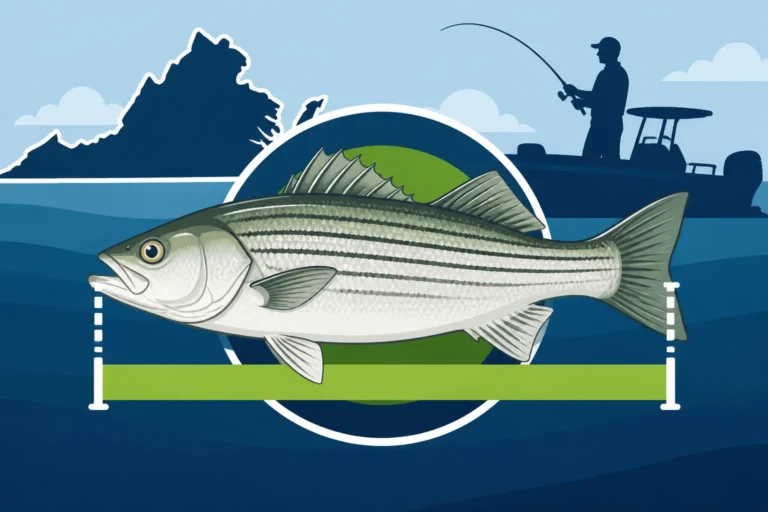
Currently, Virginia typically implements a split season for striped bass in its tidal waters. For example, there might be an initial season in the colder months (like January-March), a closure during the spring spawning period, and then a reopening later in the spring or early summer (like May-June). The slot limit for striped bass in most Virginia tidal waters has been set between 28 and 31 inches. This means any striped bass you catch that is smaller than 28 inches or larger than 31 inches must be immediately released. The daily creel limit is usually one fish per person. These regulations are in place to rebuild and sustain the striped bass population along the Atlantic coast. It's a critical conservation effort, and compliance is paramount. Even if you're fishing with a guide, you are still responsible for knowing and adhering to these rules.
Trout (Rainbow, Brown, Brook)
Virginia's trout fisheries, particularly in the cooler mountain streams and stocked waters, offer a fantastic angling experience. The state manages three primary species: rainbow, brown, and native brook trout. Each, again, comes with its own set of rules.
To fish for trout in Virginia, you'll generally need a valid freshwater fishing license and a Virginia Freshwater Trout License, especially if you're targeting fish in designated stocked trout waters.
- Stocked Trout Waters: In these areas, where the DWR regularly releases trout, there's usually a daily creel limit (often 6 fish) and a minimum size limit (often 7 inches). The stocked trout season typically runs from October through mid-June, with specific closure periods for stocking events.
- Wild Trout Streams: These pristine, natural streams are home to self-sustaining populations of native brook trout. Regulations here are often more restrictive to protect these sensitive populations. You might find lower daily creel limits (e.g., 4 fish), a minimum size limit of 7 inches, and often, only single-hook artificial lures are permitted to minimize harm to released fish.
- General Regulation Streams: These are other freshwater streams that may hold trout but are not managed as intensively as stocked or wild trout streams. They generally follow the statewide freshwater fishing regulations, though it's always best to confirm.
The season for trout can also vary, with some wild trout streams having a year-round open season with stricter limits, while others follow specific dates. Always double-check the DWR's trout fishing regulations for the most current information, especially if you're exploring the remote beauty of Virginia's wild trout areas.
Panfish and Catfish
While bass and striped bass often grab the headlines, Virginia's panfish and catfish fisheries provide fantastic, often overlooked, opportunities for anglers of all skill levels, especially families and beginners. The regulations for these species tend to be more liberal, but they still exist.
Panfish, which include popular species like bluegill, sunfish, crappie (black and white), and white perch, are abundant across Virginia's freshwater and tidal rivers. Most panfish species in Virginia do not have a statewide minimum size limit, and their daily creel limits are typically very generous, often set at 25 fish per species per day, or even higher for some. Crappie, for example, often has a daily limit of 25 with a 9-inch minimum length in many waters, though some lakes might have special regulations. These fish are excellent for introducing children to fishing due to their willingness to bite and can provide a delicious meal.
Catfish, including channel catfish, flathead catfish, and white catfish, are found in nearly every major river and many lakes throughout Virginia. These powerful bottom dwellers are a favorite for many anglers, particularly those who enjoy night fishing. Generally, the daily creel and possession limits for channel catfish and white catfish are quite generous, often with no size limit or a very high daily count. Flathead catfish, however, sometimes have specific regulations due to their predatory nature and potential impact on other fish populations. For example, some waters may have a daily limit of one flathead catfish over 36 inches. As always, the best practice is to consult the Virginia DWR regulations digest for the most up-to-date and specific rules for the waters you plan to fish, particularly for species like flatheads that can have localized management plans.
Common Misconceptions and Avoiding Penalties
Even with all the information out there, it's incredibly easy to fall prey to common misconceptions or simply forget a rule. The waters can be confusing, but the repercussions for not knowing can range from a minor inconvenience to a significant fine. Staying informed isn't just about legality; it's about being a responsible steward of our natural resources.
The Importance of Knowing the Rules
It's a common refrain: "I didn't know!" But unfortunately, ignorance of the law is rarely an acceptable defense when a Virginia game warden approaches. The onus is truly on each angler to understand and adhere to all current fishing regulations. This isn't just about avoiding a ticket; it's about respecting the hard work that goes into managing Virginia's fish populations and ensuring the sustainability of the sport for everyone.
Regulations are constantly evolving based on scientific data, environmental factors, and population trends. What was legal last year might not be this year. For instance, striped bass regulations are frequently adjusted. Relying on outdated information from a friend or a old guide book can quickly get you into trouble. The official Virginia DWR website and their annual regulations digests (available online and at most license agents) are your most reliable sources. Take the time to review them before each fishing season, or even before each trip if you're targeting a new species or location. A few minutes of reading can save you hours of headache and potentially hundreds of dollars in fines. It's a small investment for peace of mind and ethical angling. Many experienced anglers even buy a copy of the regulations digest and highlight key sections for quick reference while on the water.
Penalties for Non-Compliance
Let's be frank: getting caught fishing without a license or exceeding catch limits can put a serious damper on your day, and your wallet. In Virginia, fishing without a valid license or violating catch and size limits are typically classified as Class 4 misdemeanors. While that might not sound too severe, the associated penalties can be significant.
A common penalty for fishing without a license in Virginia often includes a fine that can easily range from around $100 up to $250, plus court costs. And it's not just the license itself; if you're caught with fish that are out of season, over the limit, or under/over the legal size, those infractions carry their own separate fines for each fish. Imagine being caught with several undersized striped bass – the fines can quickly accumulate. Furthermore, depending on the severity and frequency of the offense, a judge might even suspend your fishing privileges for a period of time. Game wardens and conservation police officers are dedicated to enforcing these rules to protect our resources, and they are out on the water regularly. It's simply not worth the risk. Always make sure your Virginia Fishing License Guide is current and readily accessible.
When In Doubt, Check the Guide
Given the complexities and variations in Virginia's fishing regulations, the best piece of advice anyone can offer is this: if you're unsure about a rule, check it! Don't guess, don't rely on old memories, and certainly don't just follow what someone else is doing. As mentioned, the DWR website (GoOutdoorsVirginia.com) is a fantastic, up-to-date resource. You can often find digital copies of the current freshwater and saltwater regulations digests there.
Many tackle shops and sporting goods stores that sell licenses will also have physical copies of the regulations on hand. If you're out on the water and something suddenly feels off, and you have cell service, a quick search on your phone can often provide the answer you need. It’s far better to take a moment to clarify a rule than to accidentally break it. Being proactive and diligent about understanding the rules ensures that you're not only fishing legally but also contributing to the responsible management of Virginia's cherished fisheries. Remember, every angler shares a collective responsibility for the health of our waters.
Virginia's Free Fishing Days: A Special Opportunity
Every year, the Virginia Department of Wildlife Resources (DWR) offers a fantastic opportunity for anglers of all ages and experience levels to enjoy the sport without the need for a state fishing license. These designated "Free Fishing Days" are a wonderful way to introduce newcomers to fishing, allow lapsed anglers to reconnect with the sport, or simply enjoy a hassle-free day on the water.
Understanding the Free Fishing Weekend
Virginia's Free Fishing Days typically occur over a specific weekend in June, usually the first full weekend of the month. During this period, both residents and non-residents can fish in any of the Commonwealth's public freshwater and saltwater bodies without having to purchase a state fishing license. This includes lakes, rivers, streams, and tidal waters, making it an incredibly inclusive event.
The primary goal of these days is to promote fishing as a recreational activity and to encourage appreciation for Virginia's natural resources. It removes the barrier of license cost, allowing families, friends, and individuals to experience the joy of fishing firsthand. It's a great time to pack a picnic, grab some basic gear, and head to a local park with a fishing pier, or try out a new fishing spot you've been curious about. Keep an eye out for the official DWR announcements, as the exact dates for Virginia Free Fishing Days in June 2026 and subsequent years will be publicized well in advance.
What's Still Required During Free Days
While the requirement for a state fishing license is waived during Free Fishing Days, it's absolutely crucial to remember that all other fishing regulations remain in full effect. This is a common pitfall for many anglers during this special weekend. You still need to adhere to:
- Daily creel limits: The maximum number of fish you can keep for each species.
- Size limits: Minimum or maximum lengths for specific species.
- Season closures: If a specific species is out of season, you cannot target or possess it, even on Free Fishing Days. For instance, if a particular trout stream is closed during that period, it remains closed.
- Gear restrictions: Any rules regarding the type of bait, lures, or equipment you can use.
- Facility use permits: If you're fishing in a state park or a private pay-to-fish pond that normally requires an entrance fee or separate permit, those fees are generally still applicable. The waiver is strictly for the state fishing license itself.
So, while you save money on the license, you still need to be a responsible angler by knowing and following all other rules. A quick review of the DWR's general regulations for freshwater and saltwater before you go out is highly recommended. It ensures everyone has a fair and legal shot at catching some fish, and that our fish populations continue to thrive.
Planning Your Trip Around Free Fishing Days
The Free Fishing Days weekend can be an ideal time to plan a family outing or a casual fishing adventure. Since the license requirement is lifted, it's perfect for beginners or those who only fish once a year. Consider heading to one of Virginia's many beautiful state parks that offer public fishing access, or explore a local community pond.
Many local organizations and tackle shops also host special events, clinics, or kids' fishing derbies during this weekend, making it even more engaging for newcomers. It's an excellent opportunity to introduce children to the wonders of angling without the upfront investment of a license. You might even find some fishing gear sales at local sporting goods stores or online retailers like Amazon to help you get started with basic rods, reels, and tackle. However, because it's a popular time, expect some fishing spots to be more crowded than usual. If you prefer solitude, try to arrive early or seek out less-trafficked areas. Regardless of where you go, embrace the spirit of the event: enjoy the outdoors, perhaps catch some fish, and build lasting memories with loved ones, all while respecting the invaluable natural resources Virginia has to offer.
Disclaimer
Please remember that fishing regulations, license costs, and seasons are subject to change. While this guide aims to provide accurate and up-to-date information, it is not a substitute for the official regulations issued by the Virginia Department of Wildlife Resources (DWR). Always consult the current Virginia DWR website or their official printed regulations digest before engaging in any fishing activities to ensure full compliance.