Rockfish Fishing: What Anglers Need to Know
For many anglers in Virginia, hearing the term "rockfish" immediately brings to mind visions of fierce fights and delicious fillets. But if you're new to the Old Dominion's fishing scene, or perhaps you've fished other states where this magnificent fish goes by a different name, the lingo can get a little confusing. This guide is here to demystify rockfish fishing in Virginia, explaining exactly what these prized catches are, where you can find them, and how to successfully hook into one while staying within the rules.
Understanding Virginia's Rockfish: The Striper Identity
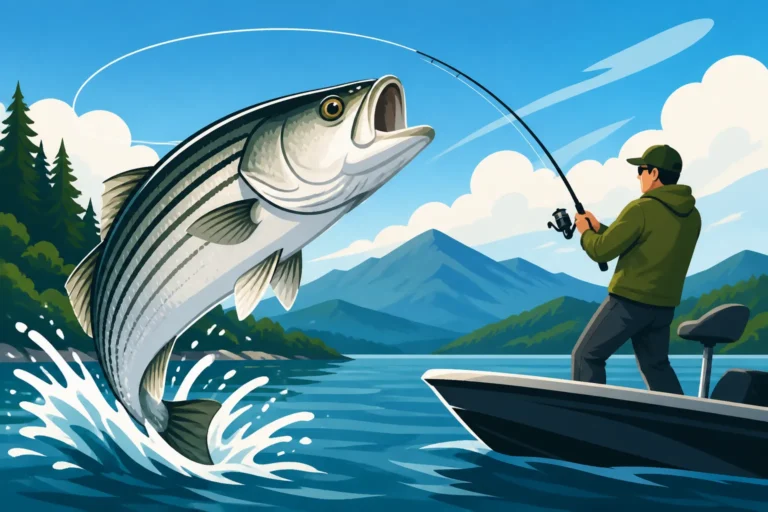
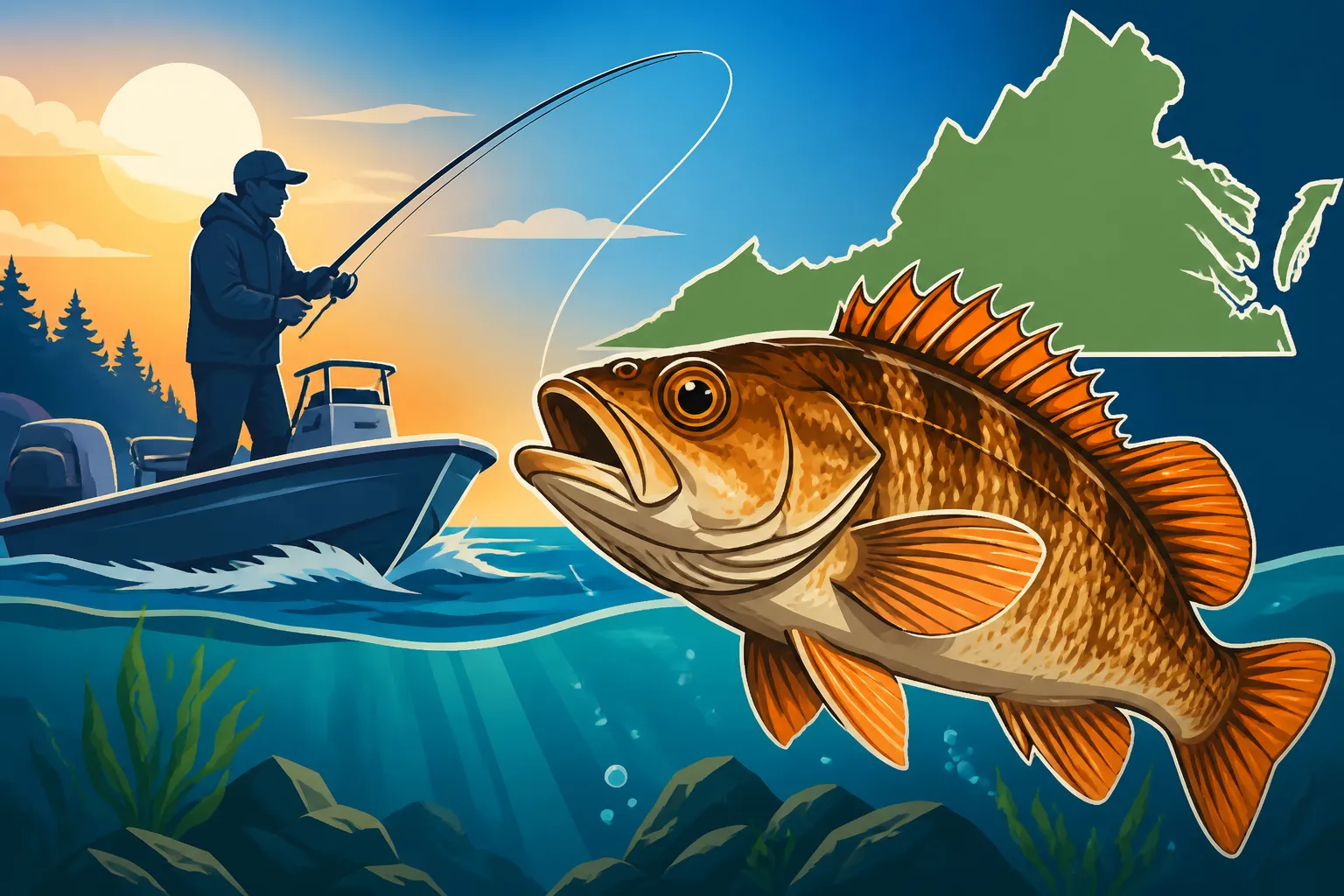
If you've heard the term "rockfish" and "striped bass" used interchangeably in Virginia, you're not alone. It's one of those regional quirks that can throw off even experienced anglers visiting from out of state. In Virginia, the term "rockfish" is simply the local, affectionate name for the striped bass, Morone saxatilis. So, when you hear someone talking about targeting rockfish, they're talking about those iconic stripers. It's a bit like how some folks call a soda "coke" no matter the flavor, or a tennis shoe a "sneaker." Here, our striped bass are rockfish.
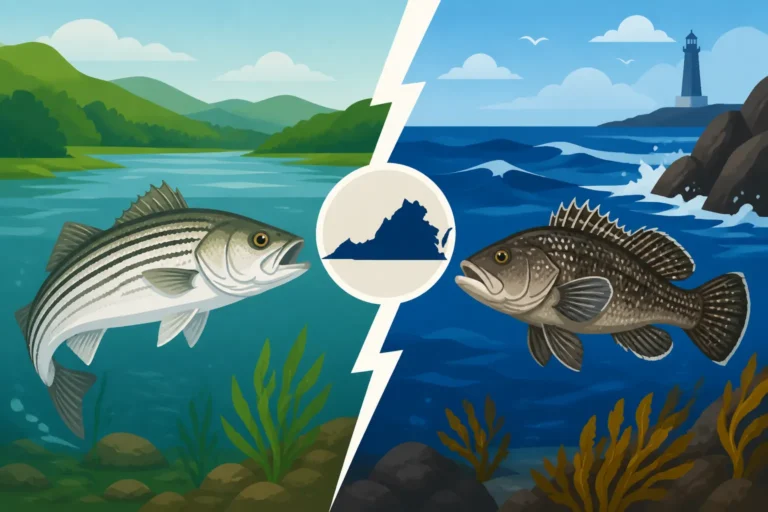
These fish are absolute powerhouses, known for their strong runs and aggressive strikes, making them a favorite target for both recreational and commercial anglers. They are anadromous, meaning they spend most of their lives in saltwater but return to freshwater rivers to spawn. This unique life cycle means you can find them in a variety of habitats throughout the year, from the vast expanse of the Chesapeake Bay and its ocean tributaries to the deeper sections of many freshwater lakes and rivers further inland. It's important to understand this dual identity, as some regulations might vary slightly depending on whether you're targeting them in purely freshwater environments or the brackish and saltwater realms.
Why the Name "Rockfish"?
The origin of the "rockfish" moniker for striped bass in Virginia is a bit debated, but it likely stems from their tendency to congregate around rocky structures, jetties, and reefs in coastal waters. These areas provide both ambush points for feeding and protection from strong currents. Anglers observed them "rocking" around these structures, and the name just stuck. It's a testament to the fish's consistent behavior and the rich history of fishing along Virginia's coast. Understanding this local nomenclature is key to communicating with local bait shops, charter captains, and fellow anglers. It’s part of the fabric of Virginia’s fishing culture, and once you start using it, you’ll feel right at home. You can learn more about this interesting local term in Why Virginia Anglers Call Striped Bass 'Rockfish'.
Where Do They Live in Virginia?
Virginia boasts an incredible range of habitats for rockfish. The undisputed capital of rockfish country in Virginia is, without a doubt, the Chesapeake Bay and its numerous tidal tributaries. Rivers like the James, York, Rappahannock, and Potomac are vital spawning grounds, and during their seasonal migrations, the Bay becomes a highway for these fish. In these waters, you'll find both resident fish and vast schools of migratory stripers moving up and down the Atlantic coast.
Beyond the tidal rivers and the Bay itself, Virginia also has impressive freshwater striped bass fisheries. Lakes like Smith Mountain Lake and Claytor Lake are renowned for their landlocked stripers, which are genetically the same fish but spend their entire lives in freshwater. These lake-dwelling stripers often grow to impressive sizes, offering a different kind of angling challenge. The techniques for catching them can vary slightly from their saltwater cousins, but the thrill of the fight remains the same. The Chesapeake Bay Striped Bass Fishing Guide has even more details on this incredible fishery.
Navigating Virginia's Rockfish Regulations
One of the biggest frustrations for any angler, especially when targeting a popular species like rockfish (striped bass), is keeping up with the ever-changing regulations. Virginia’s Department of Wildlife Resources (DWR) and the Virginia Marine Resources Commission (VMRC) work hard to manage these fisheries sustainably, which means seasons, slot limits, and possession limits can change based on scientific assessments and conservation goals. Always, and I mean always, check the current regulations before you head out. A quick check of the DWR and VMRC websites is essential, or even better, grab a physical regulation pamphlet from a local bait and tackle shop.
Seasonality and Slot Limits
Rockfish seasons in Virginia are often structured to protect the fish during critical spawning periods and to ensure the long-term health of the population. This often means split seasons or specific windows when fishing is permitted. For example, you might find a winter/early spring season and then a later spring/early summer season for saltwater striped bass. These seasons are strictly enforced, and fishing outside of them, or possessing fish outside of them, can lead to hefty fines. The rules are put in place for a good reason – to help these amazing fish thrive for future generations of anglers. For comprehensive details on when and where you can pursue these fish, check out the Virginia Striped Bass Season and Slot Limit Guide.
The slot limit is another critical regulation to understand. This means that only fish within a certain length range can be legally kept. For example, Virginia's Virginia Rockfish Slot Limit is 28 to 31 Inches for many areas. Fish smaller than the minimum or larger than the maximum must be immediately released. This is a powerful conservation tool that protects both juvenile fish (allowing them to grow and mature) and the large, mature spawning females (the "trophy" fish that contribute most to future generations). Measuring your fish accurately is paramount, so carrying a reliable measuring tape or board on your boat or in your tackle box is a must.
Possession Limits and Licensing
Beyond size and season, there's also a possession limit – typically one fish per person per day in many areas of Virginia for striped bass. This limit is designed to spread the harvest among more anglers and reduce overall fishing pressure. It means you can't keep multiple fish from multiple trips in your cooler; it's about what you possess at any given time. Understanding these limits is crucial, as wardens are vigilant, especially during peak seasons. You can find specific details on how many you can keep in How Many Striped Bass Can You Keep in Virginia.
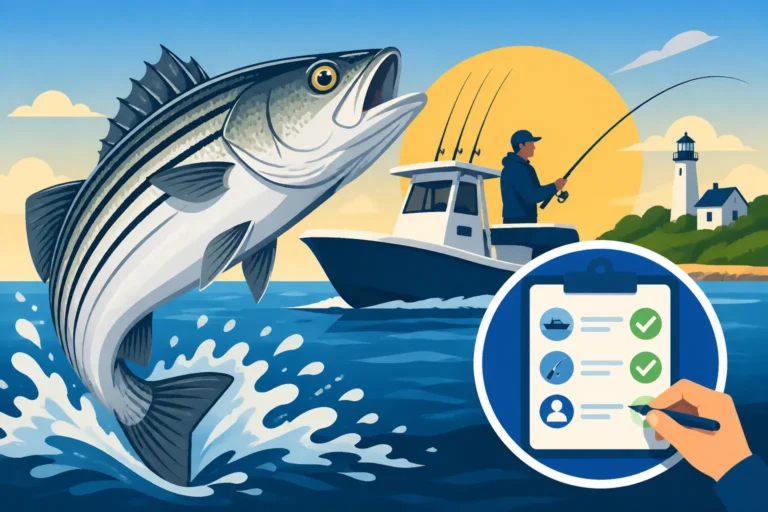
And of course, before you even cast a line, you need a valid fishing license. Whether you're targeting rockfish in freshwater lakes or the saltwater Bay, a Virginia fishing license is a non-negotiable requirement. Depending on where you plan to fish, you might need a freshwater license, a saltwater license, or a combination license. Non-residents also have specific license types. Failing to have the correct license is one of the most common mistakes new anglers make and one of the easiest to avoid. It’s not just about legality; your license fees directly support conservation efforts and habitat restoration, ensuring there are fish to catch for years to come. Start by looking at the Virginia Fishing License Guide to get yourself sorted.
Essential Gear and Techniques for Rockfish Fishing in Virginia
Rockfish are aggressive predators, which means they'll hit a wide variety of baits and lures. However, having the right gear and understanding effective techniques will significantly increase your chances of success. You don't need the most expensive equipment, but reliable tackle that can handle strong, fighting fish is key.
Rods, Reels, and Line
For general rockfish fishing, especially in the Bay or tidal rivers, a medium-heavy to heavy action spinning or baitcasting rod, about 6.5 to 7.5 feet long, is a good all-around choice. This will give you enough backbone to fight larger fish but still offer sensitivity for detecting subtle bites. Pair that with a durable reel spooled with 20-40 pound braided line. Braided line offers superior sensitivity and strength for its diameter, allowing for longer casts and better hooksets. A fluorocarbon leader of similar or slightly higher test is often recommended for its invisibility in water and abrasion resistance, especially when fishing around structure. You can find a vast selection of reliable rods, reels, and lines for all budgets on Amazon.
Baits and Lures That Get Results
Rockfish are opportunistic feeders, so your bait and lure choice can depend on the season, water conditions, and what the fish are currently feeding on.
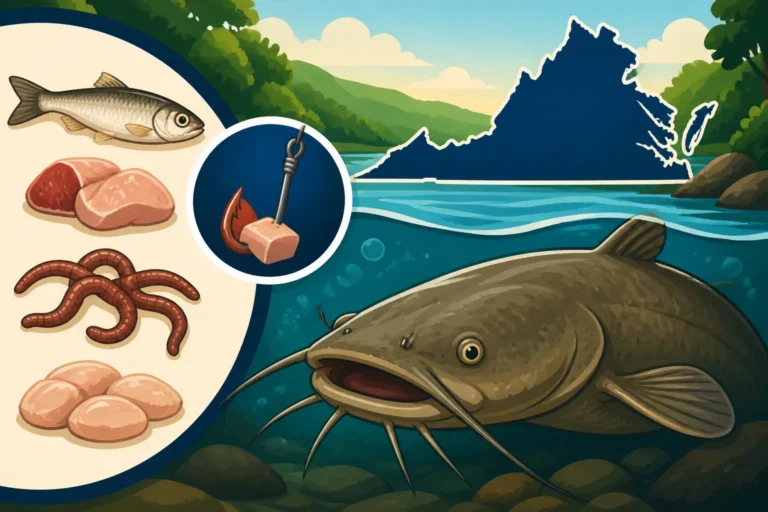
- Live Bait: One of the most effective ways to catch rockfish is with live bait. Menhaden (bunker), spot, eels, and herring are all excellent choices. Depending on the size of the bait and the fish you're targeting, you can fish them on a single hook with a fish-finder rig or a treble hook. Keeping live bait healthy requires a good baitwell, but the results can be worth the effort.
- Cut Bait: If live bait is difficult to acquire or keep, fresh cut bait (like pieces of menhaden or other oily fish) can be very effective, especially when bottom fishing in deeper channels or around structure.
- Soft Plastics: Paddle tail swimbaits, jerk shads, and curly tail grubs in sizes ranging from 4 to 8 inches are incredibly versatile. Rigged on jig heads of varying weights (from 1/2 ounce to several ounces, depending on current and depth), these can imitate baitfish beautifully. Popular colors include chartreuse, white, pink, and pearl. Many anglers stock up on their favorite soft plastics from Amazon for convenience and selection.
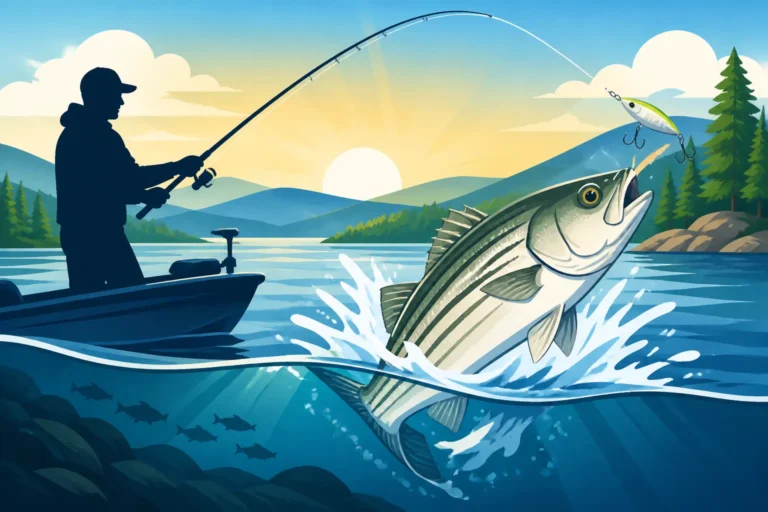
- Hard Baits: Plugs, lipless crankbaits, and topwater lures can also be highly productive. Topwater plugs are exhilarating to use at dawn or dusk when stripers are busting bait on the surface. Deeper-diving plugs are great for trolling or casting to locate fish in deeper water.
- Bucktail Jigs: These classic lures are incredibly effective, especially when tipped with a piece of soft plastic or pork rind. They can be jigged vertically, cast and retrieved, or trolled. Their versatility makes them a staple in any rockfish angler's tackle box.
For more in-depth advice on what to put on your hook, check out Best Bait for Striped Bass in Chesapeake Bay.
| Bait/Lure Type | Best Conditions/Techniques | Pros | Cons |
|---|---|---|---|
| Live Menhaden | Trolling, chunking, drifting over structure | Highly effective, natural presentation | Requires livewell, harder to acquire |
| Cut Bait | Bottom fishing, chumming, targeting larger fish | Easy to store, strong scent trail | Less active presentation, can attract unwanted species |
| Soft Plastics | Casting, jigging, retrieving, imitating various baitfish | Very versatile, various sizes/colors, readily available | Can be torn by fish or snags |
| Hard Plugs | Trolling, casting for actively feeding fish, topwater | Covers water quickly, strong vibration/action | Can be expensive, specific depths/actions |
| Bucktail Jigs | Vertical jigging, casting, adding a trailer | Extremely versatile, durable, mimics many baitfish | Requires good feel for bite, can get snagged |
Effective Fishing Techniques
- Trolling: This is a very popular and effective method, especially in larger bodies of water like the Chesapeake Bay or Smith Mountain Lake. You can troll with a variety of lures, including bucktail jigs, umbrella rigs, or large diving plugs, often at varying depths to find where the fish are holding.
- Casting and Retrieving: This is a more active approach, involving casting soft plastics, bucktails, or hard baits to known fish locations, structure, or visible schools of bait. Varying your retrieve speed and adding pauses can often trigger strikes.
- Live Lining/Chunking: Using live or cut bait, either drifting them naturally with the current or anchoring and setting up a chum line, can be deadly when fish are less active or holding in specific areas.
- Jigging: Vertical jigging with heavy metal jigs or bucktails can be effective when rockfish are suspended in deep water, often around channel ledges or wrecks. This is a common technique when fishing with a fish finder on a boat.
Tips for a Successful Rockfish Trip and Conservation Efforts
Bringing home a cooler full of rockfish is always a great feeling, but a truly successful trip isn't just about the catch. It's about enjoying your time on the water, understanding the nuances of the fishery, and most importantly, contributing to the health of the resource. Being prepared, patient, and knowledgeable will make all the difference.
Timing is Everything
Rockfish are highly migratory and influenced by water temperature, bait presence, and spawning cycles. This means that timing your trip can be crucial. Spring and fall are often considered prime seasons for saltwater rockfish in the Bay, as fish are either migrating to spawn or aggressively feeding before winter. During these times, you might encounter large schools of fish. For lake stripers, patterns will shift with the seasons, but they are often caught year-round, with specific techniques adapted for summer heat or winter cold. Staying informed about local fishing reports and understanding seasonal patterns will give you a significant advantage. You can often find general advice about the Best Time of Year for Bass Fishing in Virginia, which also applies to stripers.
Virginia's striped bass fishery is often characterized by a Virginia Striped Bass Split Season Dates Explained, which means there are specific open windows. Always consult the DWR or VMRC regulations for the precise dates, as these can change annually based on stock assessments and management decisions. Planning your trip around these open seasons is paramount to ensure a legal and enjoyable outing.
Practice Catch and Release When Appropriate
Given the strict slot limits and possession limits, catch and release is an integral part of rockfish fishing in Virginia. Many anglers choose to release all fish outside the slot, or even all fish caught, opting for the thrill of the fight over the fillet. When practicing catch and release, handle fish with care. Minimize their time out of the water, use wet hands or gloves to avoid removing their protective slime coat, and consider using barbless hooks to make de-hooking easier. If a fish is deeply hooked, cut the line as close to the hook as possible rather than trying to remove it, as this often causes more harm. Proper catch and release ensures that these fish can continue their life cycle and contribute to future fishing opportunities.
Respecting the Resource and Fellow Anglers
Fishing for rockfish is incredibly popular, and that means you'll often be sharing the water with other anglers, whether they're in private boats, kayaks, or on charter trips. Practicing good fishing etiquette is essential. Give other boats space, especially when they're actively fishing or drifting. Dispose of all trash properly – nothing spoils a fishing spot faster than discarded line, bait containers, or plastic bottles. Remember, we're all out there to enjoy the beautiful waters of Virginia and the incredible fishing opportunities it provides. By understanding the regulations, using appropriate gear, and practicing responsible angling, you'll not only have more successful rockfish trips but also help ensure that this fantastic fishery remains vibrant for generations to come.
Disclaimer
This article is for general informational purposes only and does not constitute professional advice. Laws, prices and regulations vary by location and change over time. Consult a qualified professional for guidance on your specific situation.