Largemouth Bass vs Smallmouth Bass: Which Is Harder to Catch?
It's a question that sparks endless debate among anglers across Virginia: which is the trickier catch, the largemouth bass or its smallmouth cousin? Every seasoned fisher has an opinion, often rooted in personal experience and the types of water they frequent. This guide dives deep into the characteristics, habitats, and typical behaviors of both species, exploring the unique challenges each presents to help you understand why one might feel "harder" to catch than the other.
Understanding the Virginia Bass Landscape
Before we can even begin to debate which bass puts up a tougher challenge, it’s crucial to understand who these players are. Virginia is blessed with incredible bass fishing opportunities, supporting healthy populations of both largemouth and smallmouth, each thriving in their preferred environments. Knowing where to find them and how they operate is the first step in appreciating their distinct personalities.
Identifying Largemouth Bass in Virginia
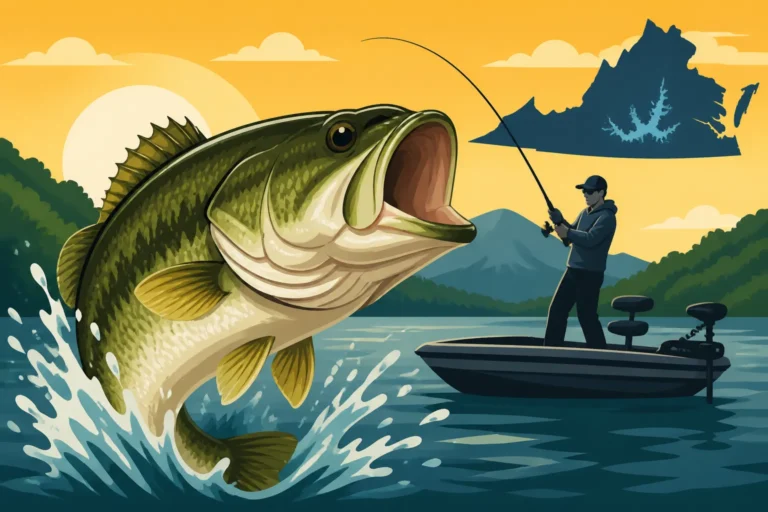
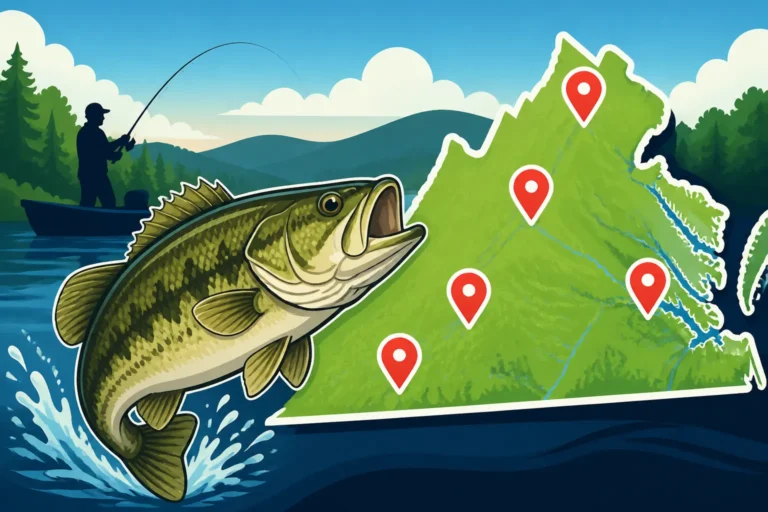
The largemouth bass is probably what most people picture when they think of a "bass." These fish are masters of ambush, preferring still or slow-moving waters where they can hide in thick cover and spring out to surprise their prey. In Virginia, you'll find them abundant in our many lakes, ponds, and slow-moving rivers, particularly in the tidal sections. Think of sprawling reservoirs like Smith Mountain Lake Fishing Guide or Lake Anna, and you're thinking largemouth country.
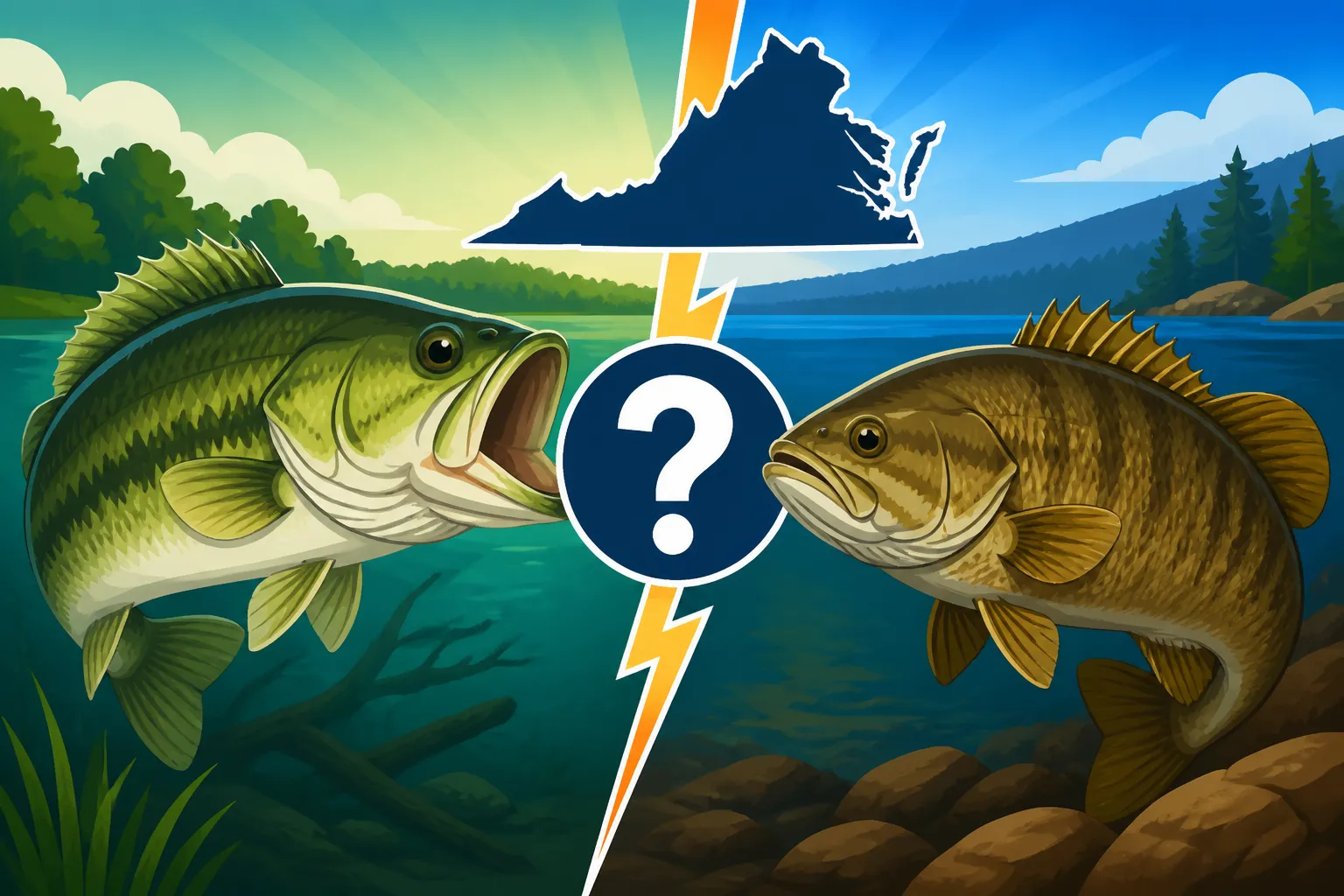
Their appearance is quite distinct. They typically have a prominent jaw that extends past their eye when their mouth is closed, giving them their "largemouth" moniker. Their bodies are usually a deeper green, often with a distinct, jagged horizontal stripe running down their side. They're built for explosive, short bursts of speed, perfect for ambushing prey from beneath lily pads, submerged timber, or thick grass beds. If you want a more detailed breakdown, check out How to Identify a Largemouth Bass in Virginia.
Identifying Smallmouth Bass in Virginia
The smallmouth bass, on the other hand, is a different beast entirely. These incredible game fish prefer cooler, clearer, and often faster-moving waters. In Virginia, that means you'll find them primarily in our magnificent rivers and colder, rockier lakes. The legendary Shenandoah River, the James River, and Claytor Lake are prime smallmouth habitats. They aren't much for hiding in dense vegetation; instead, they relate to rocky structures, current breaks, and gravel bottoms.
Visually, they have a smaller mouth that doesn't extend past the eye, and their coloring tends to be more bronze or golden-brown, often with vertical bars or mottling instead of a solid horizontal stripe. Their bodies are streamlined and muscular, built for navigating currents and making long, powerful runs. They're often called "bronzebacks" for good reason. For a deeper dive into distinguishing them, take a look at How to Identify a Smallmouth Bass in Virginia. Understanding these core differences in appearance and habitat is fundamental to understanding the varying challenges they present.
Here's a quick comparison of their typical traits:
| Feature | Largemouth Bass | Smallmouth Bass |
|---|---|---|
| Primary Habitat | Lakes, ponds, slow rivers, heavy vegetation | Rivers, rocky lakes, current, rocky structure |
| Jaw Extends | Beyond the eye | Not beyond the eye |
| Coloring | Dark green with a distinct horizontal stripe | Bronze/gold with vertical bars/mottling |
| Body Shape | Deeper, more compact | Streamlined, muscular |
| Fighting Style | Explosive, thrashing, deep dives, heavy cover | Acrobatic, jumping, long runs, current fighter |
| Preferred Prey | Larger baitfish, frogs, crawfish, anything big | Crawfish, smaller baitfish, insects |
The Challenge Factor: Largemouth Bass
When anglers talk about the difficulty of catching largemouth bass, it often boils down to understanding their ambush lifestyle and how to effectively fish the heavy cover they call home. It's a game of precision, patience, and often, brute force.
Hunting Habits and Preferred Cover
Largemouth bass are the ultimate ambush predators. They aren't keen on expending a lot of energy to chase down a meal. Instead, they position themselves strategically within dense cover – think thick lily pads, submerged hydrilla beds, fallen trees, brush piles, or even dock pilings. They'll wait for an unsuspecting bluegill, crawfish, or baitfish to swim by, then explode from their hiding spot. This means that to catch a largemouth, you often have to put your lure right into their living room, sometimes in places that seem impenetrable.
This reliance on heavy cover creates a significant challenge. An errant cast can mean a snagged lure, and a successful hookset can quickly turn into a battle of wills as the bass tries to bury itself back into the thick stuff. It's a game of inches and often requires flipping, pitching, or punching through vegetation, techniques that demand accuracy and a robust setup. Fishing for them in Best Largemouth Bass Coves on Lake Anna, Virginia often means targeting those dense pockets of aquatic plants.
Lure Presentation and Gear for Largemouth
Given their preferred habitat and hunting style, largemouth bass often require specific presentations and heavier tackle. You're typically not finessing a tiny jig in open water for them. Instead, anglers often opt for larger baits that displace water or mimic substantial prey. Think big plastic worms, bulky creature baits, spinnerbaits, or topwater frogs designed to walk over thick mats. Getting these lures into tight spots, presenting them naturally, and then quickly extracting a hooked fish from the cover is a learned skill.
This often means using stout rods, heavy monofilament or braided line, and powerful reels. You need the backbone to horse a big fish out of heavy cover before it wraps your line around a stump or cuts it on a sharp branch. An angler might spend a good chunk of time on Amazon browsing heavy-duty flipping sticks or specialized punching weights. While a variety of baits work, mastering the art of placing a jig or Texas-rigged worm into a tiny opening in the weeds can feel like threading a needle from a distance. For more ideas, explore Best Bait for Largemouth Bass in Virginia.
The Fight of a Largemouth
Once hooked, a largemouth bass is known for its explosive, often violent fight. Their initial run might not be as long as a smallmouth's, but it's incredibly powerful and focused on getting back into cover. They'll thrash their heads, attempting to throw the hook, and use their broad, flat bodies to pull hard. They're less prone to jumping out of the water repeatedly like a smallmouth, preferring deep dives and strong, lateral pulls.
Often, the fight is over quickly, especially if you're fishing dense cover, because you either win the battle in the first few seconds or the fish buries you. There's a certain adrenaline rush that comes with preventing a big largemouth from reaching that submerged log or brush pile. The raw power and head shakes can be intense, making every largemouth hookup a potential heart-stopper, particularly when they're hiding in deep cover.
The Challenge Factor: Smallmouth Bass
Smallmouth bass present an entirely different set of challenges. Their preferred environments and fighting styles demand a distinct approach, often characterized by more finesse, precise boat control, and an understanding of current.
Riverine Dwellers and Current Challenges
Smallmouth bass are often found in flowing water, which immediately adds a layer of complexity to the fishing experience. Rivers are dynamic environments with currents, eddies, riffles, and deep pools, all of which change with water levels and flow rates. Smallmouth relate directly to these features, positioning themselves in current breaks to ambush prey without expending too much energy. This means anglers need to understand how current affects lure presentation, boat positioning, and fish location.
Casting upstream and allowing your lure to drift naturally with the current, while maintaining a tight line, is a fundamental river smallmouth technique. This can be tricky, especially in strong flows. Boat control becomes paramount, whether you're using a trolling motor to hold position against the current or skillfully maneuvering a kayak to hit specific seams. Understanding water levels is also key; a slight rise or fall in river levels can completely change where the fish are holding. When fishing spots like the Best Smallmouth Bass Spots on the James River, Virginia, adapting to the river's mood is critical.
Lure Presentation and Gear for Smallmouth
Compared to largemouth, smallmouth bass often respond better to more subtle and natural presentations. While they'll certainly hit a topwater bait with gusto, many popular smallmouth lures are smaller and mimic their primary forage: crawfish, minnows, and aquatic insects. Think small crankbaits, tube jigs, grub-style plastics, and finesse worms. They tend to be more discerning, especially in clearer waters, meaning your retrieve speed, lure color, and action can be crucial.
Gear for smallmouth typically leans towards lighter setups than what you'd use for heavy cover largemouth. Medium-light to medium power spinning rods are common, often paired with sensitive lines like fluorocarbon or lighter braid for better feel and castability. You need gear that allows for long casts in open water and sensitivity to detect subtle bites in current. While a beefy largemouth rod might feel clumsy, a sensitive smallmouth rod lets you feel every twitch of your lure and every bump of the rocky bottom. For effective bait choices, refer to Best Bait for Smallmouth Bass in Virginia. Many anglers even delve into fly fishing for them, a truly refined art, particularly on rivers like the Shenandoah River Fly Fishing for Trout and Smallmouth Bass in Virginia. If you're looking for specific smallmouth lures, you can find a huge selection on Amazon to experiment with.
The Fight of a Smallmouth
The fight of a smallmouth bass is legendary among anglers, often described as more acrobatic and tenacious than a largemouth. Once hooked, they typically make long, powerful runs, often jumping clear out of the water multiple times in an attempt to throw the hook. They use the current to their advantage, pulling hard and making quick directional changes.
Their fight is less about brute force into cover and more about endurance, agility, and aerial displays. They are tireless fighters, making multiple surging runs and jumps, ensuring every fish is a memorable battle. It's not uncommon for a smallmouth to fight all the way to the boat, giving you several heart-pounding moments. This sustained, acrobatic battle is a huge part of their appeal and often contributes to the perception that they are "harder" or at least more exciting to catch.
Virginia's Fishing Pressure and Other Factors Affecting Difficulty
Beyond their inherent characteristics, external factors in Virginia can significantly influence how challenging it is to catch either largemouth or smallmouth bass. Understanding these nuances helps paint a more complete picture of the "difficulty" debate.
Regional Differences in Virginia
Virginia offers a stunning diversity of fishing environments, and this plays a huge role in the perceived difficulty. In eastern Virginia, for example, the tidal rivers and vast impoundments are predominantly largemouth territory. Anglers here become highly skilled at navigating sprawling grass beds, cypress knees, and intricate dock systems. For instance, Largemouth Bass Fishing in Virginia's Chesapeake Bay Tributaries can be phenomenal, but it requires understanding the vastness and varied structure of those waters.
Move west into the mountainous regions and you're entering classic smallmouth country. Rivers like the James and the Shenandoah are renowned for their bronzebacks. Here, anglers develop different skill sets, focusing on reading current, navigating rocky shoals, and precise lure placement in swift water. The Smallmouth Bass Fishing on Virginia's Shenandoah River experience is vastly different from fishing a tidal pond. The sheer difference in habitat means that an angler accustomed to one species might find the other's environment a steep learning curve. The density of fish can also vary. In some highly pressured lakes, even largemouth can become incredibly finicky, while a remote river might offer easier smallmouth action simply due to less angling pressure. Overall, Virginia Bass Fishing: Largemouth, Smallmouth, Spotted, and Alabama Bass shows just how varied our state's bass opportunities are.
Angler Skill and Experience
Ultimately, the question of which bass is "harder" to catch is deeply personal and subjective, largely depending on an individual angler's experience and proficiency with specific techniques. A seasoned river angler who can effortlessly read current and present a tube jig flawlessly in moving water might find largemouth fishing frustrating, as they struggle to adapt to targeting dense cover. Conversely, a lake fisherman who can dissect a weed bed with a punching rig might feel lost trying to drift a crankbait down a rocky river channel.
For a beginner, the perceived difficulty might lean towards smallmouth due to the added complexity of current and often clearer water, which demands more precise presentations and stealth. However, getting a largemouth out of truly gnarly cover without breaking off can also be incredibly challenging for anyone, regardless of experience. It's less about an inherent difficulty of the fish themselves, and more about the specific skills required to successfully target them in their respective domains. Many anglers enjoy the learning curve, often seeking out guided trips or investing in specialized gear from retailers like Amazon to expand their horizons.
The Verdict: Which is Harder to Catch?
After dissecting the unique characteristics, preferred habitats, and fighting styles of both largemouth and smallmouth bass in Virginia, it becomes clear that there isn't a simple, universally agreed-upon answer to which is "harder" to catch. Both species present distinct and rewarding challenges that appeal to different facets of an angler's skill set and personal preferences.
If your fishing preference leans towards the intricate dance of reading currents, making precise presentations in clear water, and battling an acrobatic, hard-running fish that uses the river to its advantage, then you might find the smallmouth bass to be the more challenging, yet incredibly rewarding, pursuit. Their tendency for multiple jumps and sustained fights in flowing water is undeniably exciting.
However, if your passion lies in dissecting dense cover, making pinpoint casts into tight ambush points, and applying powerful tackle to extract an explosive, head-shaking fighter from the jungle, then the largemouth bass will continually test your mettle. The sheer brute force required to prevent a big largemouth from burying you in submerged timber can be a truly formidable challenge.
Ultimately, the "difficulty" is often a reflection of the angler's familiarity with a particular environment and the techniques it demands. An expert at one might struggle with the other, not because the fish itself is inherently more cunning, but because the strategy for success is so different. Perhaps the real beauty of bass fishing in Virginia lies in this very diversity: the opportunity to constantly learn, adapt, and refine your skills, whether you're chasing the bronze flash of a smallmouth in a rocky river or the green explosion of a largemouth from a lily pad field.
Disclaimer
This article is for general informational purposes only and does not constitute professional advice. Laws, prices and regulations vary by location and change over time. Consult a qualified professional for guidance on your specific situation.