Flathead Catfish Fishing on Claytor Lake
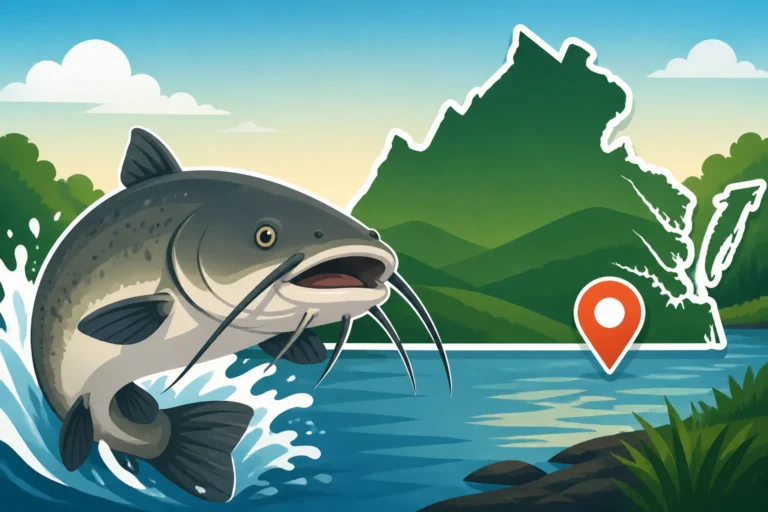
There's nothing quite like the thrill of feeling a massive flathead catfish hammer your line, especially on a lake as dynamic as Claytor Lake. Many anglers struggle to consistently land these elusive giants, often frustrated by long nights with little to show for their efforts. This comprehensive guide will dive deep into everything you need to know to successfully target and catch flathead catfish on Claytor Lake, from understanding their preferred haunts to mastering the techniques that put them in your boat.
Understanding Claytor Lake's Flathead Catfish Habitat
Flathead catfish are creatures of habit, and on a sprawling body of water like Claytor Lake, knowing where they like to hang out is half the battle. These fish aren't just swimming around aimlessly; they're actively seeking out specific conditions that provide food, shelter, and ambush points. If you're dropping a line into open water hoping for a bite, you're likely to be disappointed. Instead, think like a flathead and focus on the kind of underwater real estate they find irresistible.
The Deep Water and Structure Connection
Claytor Lake, being a hydroelectric impoundment on the New River, offers a fantastic variety of depths and submerged structures that flatheads absolutely adore. These fish are masters of camouflage and prefer to hold tight to cover, often in deeper water during the day. We're talking about old creek channels, flooded timber, rock piles, submerged roadbeds, and bridge pilings. These aren't just random underwater features; they create current breaks, ambush points, and vital shade from direct sunlight. Imagine a flathead tucked into the roots of a drowned tree, patiently waiting for an unsuspecting baitfish or smaller bluegill to swim by. That's their ideal scenario. Using your boat's electronics to meticulously scan these areas is crucial. Don't just look for "fish;" look for irregularities on the bottom, sharp drop-offs, and dense clusters of cover that scream "flathead hideout." The deeper sections of the main lake, particularly those with a strong current flow from the New River, are always worth investigating.
For example, if you're out on the water and your sonar lights up with a significant drop-off leading into an old river channel, that's your cue. Start working that edge. Consider where the old river bend would have been, as these curves often accumulate natural debris and create perfect ambush spots. Sometimes, a flathead won't be right in the densest part of the brush pile, but rather at its edge, where it can dart out and grab prey. It's about finding that sweet spot between heavy cover and a convenient feeding lane. You might even find success around the base of the dam itself, where the turbines create unique current patterns and wash a lot of food downstream. Just be sure to observe any restricted zones around the dam for your safety and to comply with local regulations.
Prime Foraging Areas and Cover
While flatheads love their deep, dark hideouts, they'll venture out to forage, especially under the cover of darkness. These foraging areas are typically shallower than their daytime haunts but still offer plenty of cover and, most importantly, a steady supply of food. Think about points extending into the lake, shallow flats adjacent to deep water, and areas with submerged vegetation. Claytor Lake has areas where hydrilla or other aquatic plants can grow, providing excellent cover for baitfish, which in turn attract hungry flatheads. Unlike channel catfish, which are more omnivorous scavengers, flatheads are primarily predators, preferring live bait. This means they'll be found where their prey species, like bluegill, sunfish, or even smaller suckers, are abundant.
When you're scouting for these feeding grounds, look for signs of baitfish activity. Are there minnows dimpling the surface in the evening? Are larger schools of bait showing up on your fish finder in shallower coves or along shorelines? These are indicators that dinner is being served, and flatheads won't be far behind. During warmer months, especially, flatheads will move into these shallower, warmer zones at night to hunt. Target areas where a creek mouth enters the lake, as these can wash in nutrients and attract baitfish, creating a buffet for bigger predators. Fishing these transitions between deep water hideouts and shallower feeding flats can be incredibly productive, as you're intercepting fish moving between their resting and hunting grounds. Don't overlook submerged points or humps in the middle of a larger flat; these elevated structures can be prime ambush locations. For more details on the variety of fish you might encounter, check out Claytor Lake's Diverse Virginia Fish Species Guide.
Essential Gear for Claytor Lake Flatheads
Tackling the big flatheads of Claytor Lake isn't a job for your ultralight panfish setup. These fish are powerful, and they live in gnarly places. You need robust gear that can withstand the brutal fight and the abrasive environments they call home. Thinking about gear as an investment, especially when you consider the potential size of these fish, will save you a lot of heartache (and lost fish) in the long run.
Rods, Reels, and Line Strength
When it comes to flathead fishing, think heavy-duty. Your rod should be a stout, heavy-action rod, typically 7 to 9 feet in length. The extra length gives you leverage for casting heavy baits and controlling a powerful fish, especially when you're trying to steer it away from submerged timber. A good quality, durable backbone is key here; you don't want your rod snapping mid-fight when that trophy fish decides to make a run for the nearest brush pile. Many anglers prefer fiberglass rods for their durability and parabolic bend, which helps absorb the shock of a hard strike.
Pair that rod with a robust baitcasting reel, specifically one designed for heavy freshwater or light saltwater use. Look for reels with a strong drag system and a high line capacity. Smoothness is also important, as you'll be cranking against serious resistance. For line, braided line is almost universally preferred by serious flathead anglers. It offers superior strength-to-diameter ratio, excellent sensitivity, and virtually no stretch, which is crucial for feeling subtle bites in deep water or heavy current. You'll want to spool up with at least 50-80 pound test braid. A good quality braid won't let you down when you're battling a fish that might weigh as much as a small child. For the final connection to your hook, a leader of heavy monofilament or fluorocarbon (40-60 lb test) is often tied on. This provides a bit of abrasion resistance against rocks and timber, and some anglers believe it adds a touch of stealth. You can often find a great selection of these specialized items on platforms like Amazon, making it easy to get what you need delivered right to your door.
Terminal Tackle and Essential Accessories
Your terminal tackle needs to match the strength of your rod and reel. Forget those flimsy hooks you use for panfish; flatheads have powerful jaws and can straighten out weak hooks in a heartbeat. You'll need extra-heavy-duty circle hooks, typically sizes 7/0 to 10/0, depending on the size of your bait. Circle hooks are fantastic because they're designed to hook in the corner of the fish's mouth, making for easier release if you're not planning to harvest, and reducing gut-hooking. For weights, egg sinkers or no-roll sinkers ranging from 2-6 ounces are common, helping to hold your bait on the bottom in current or windy conditions. You'll also need sturdy swivels and heavy-duty snaps to prevent line twist and easily change rigs.
Beyond the basic tackle, a few accessories are absolutely essential for flathead fishing on Claytor Lake. First, a reliable headlamp or spotlight is a non-negotiable, especially since night fishing is often the most productive. Second, a heavy-duty set of pliers or jaw spreaders will be invaluable for safely removing hooks from a large, toothy fish. Third, a large, sturdy landing net or a set of lip grippers (specifically designed for big cats) will help you safely boat your catch. And finally, a cutting board and a sharp fillet knife, if you plan to keep your fish, are good to have ready. Always remember that having the right tools makes the experience safer and more enjoyable for both you and the fish.
Proven Techniques for Catching Flatheads on Claytor Lake
Catching flathead catfish is less about luck and more about strategy, patience, and a deep understanding of their predatory nature. They aren't going to bite just any old thing; they're looking for a specific kind of meal, presented in a convincing way. Mastering these techniques will significantly increase your odds of success on Claytor Lake. For a broader look at how different catfish species behave, you might want to read Channel Catfish vs Flathead Catfish: How Virginia Anglers Tell Them Apart.
Live Bait Strategies: Why Fresh is Best
This is where the flathead really sets itself apart from its channel cat cousins. Flatheads are notorious for their preference for live bait. They are ambush predators, and they want their meal struggling and kicking. Forget about stink baits or cut bait for these guys (though those work great for channel cats). On Claytor Lake, your best bets for live bait are typically bluegill, sunfish, or even small suckers. The fresher and livelier, the better. You'll often need to catch your bait right from the lake, sometimes on the same day, to ensure maximum freshness.
When rigging live bait, you want to present it naturally. A common setup is a Carolina rig: a heavy egg sinker (2-6 oz) slides freely on your main line, followed by a bead (to protect the knot), a heavy-duty swivel, and then a 12-24 inch leader of heavy mono or fluorocarbon (40-60 lb test) tied to a large circle hook (7/0 to 10/0). Hook your live bait through the back, just behind the dorsal fin, being careful not to hit the spine. This allows the bait to swim naturally and stay alive longer. Alternatively, you can hook it through both lips for a similar effect. Cast your rig to your chosen spot – usually near submerged structure or along a deep channel edge – and let it sink to the bottom. Keep your rod in a sturdy holder, and wait for that distinctive, heavy thud of a flathead taking the bait. Remember, if your bait isn't lively, it's not going to attract a flathead. Preparing and presenting your live bait effectively is paramount. You can also explore various Catfish Bottom Fishing Techniques for more ideas.
Patience and Persistence: The Flathead Angler's Mantra
Flathead fishing is not for the impatient. These fish are solitary, territorial, and can be finicky. You might spend hours without a bite, only to have a flurry of activity in a short window. This is where patience truly pays off. Once you've cast your line with a lively bait into a promising spot, set your rod in a sturdy holder and wait. Avoid constantly checking your bait or reeling in too often, as this can spook potential fish and reduce the appeal of your live offering. Many flathead anglers use multiple rods, spread out to cover different depths or structural elements, but they still maintain a hands-off approach to each rod once it's set.
Persistence also means being willing to move if a spot isn't producing after a significant amount of time. Don't be afraid to pull anchor and try another promising piece of structure, especially if you've done your homework and identified several potential flathead haunts. It's not uncommon for anglers to rotate between 2-3 spots throughout a night until they find where the fish are active. Pay attention to changes in conditions – moon phase, cloud cover, subtle temperature shifts – as these can sometimes trigger a feeding window. Learning how to read the water and interpret your electronics is key to effective spot selection. Often, it's those anglers who stick it out, even when things are slow, who are rewarded with a truly monumental catch.
Best Times and Conditions for Flathead Fishing
Knowing the when is just as critical as knowing the where and how when it comes to successful flathead fishing on Claytor Lake. Flatheads are highly influenced by environmental factors, and understanding their typical patterns will help you plan your trips for maximum productivity.
Seasonal Patterns and Water Temperature
Flathead catfish activity on Claytor Lake, like most freshwater fisheries, follows distinct seasonal patterns.
- Spring: As water temperatures begin to rise into the 50s and low 60s, flatheads become more active after their winter lethargy. They'll start moving from their deep wintering holes towards shallower spawning areas. This can be a fantastic time to target them, as they're hungry and preparing for the spawn. Look for them in slightly shallower water than mid-summer, but still associated with structure.
- Summer: This is prime time for flathead fishing. As water temperatures climb into the 70s and 80s, flatheads are at their most active. They'll spend their days in deep, cool, oxygenated water, tucked away in heavy cover. However, they'll make significant movements into shallower foraging areas at night. Summer nights are when many of the largest flatheads are caught. Don't shy away from fishing after a warm rain, as this can often stir up baitfish and increase flathead activity.
- Fall: As water temperatures start to drop, flatheads go on a feeding binge, trying to pack on weight for the upcoming winter. This can be another excellent time to catch them, especially in early to mid-fall before the water gets too cold. They might be found deeper than in summer but will still aggressively pursue live bait.
- Winter: Flatheads become much less active in cold water (below 50 degrees Fahrenheit). They'll typically retreat to the deepest, most stable parts of the lake, often in large groups, and feed very little. While you can still catch them, it's generally much tougher, and not the most productive season.
Understanding these patterns helps you adjust your location and tactics. For general guidance on when various species are most active, you can consult resources like Best Time of Year to Catch Catfish.
Night Fishing: Unlocking Claytor Lake's Nocturnal Giants
If there's one piece of advice that almost every successful flathead angler will give you, it's to fish at night. Flathead catfish are predominantly nocturnal predators. While you can catch them during the day, especially if they're holding tight to dense cover in deep water, the hours after sunset into the early morning are when they are most active and move out to hunt. The darkness provides them with a tactical advantage over their prey, and the cooler water temperatures are often more comfortable for them.
When planning a night trip on Claytor Lake, consider starting your fishing efforts around dusk. This is a transition period when flatheads begin to stir and move from their daytime hiding spots towards feeding grounds. The peak biting windows often occur during the darkest hours, from late evening until just before dawn. You'll need reliable lighting, as mentioned before, but also be mindful of light discipline on the water; too much bright light can spook fish. Use red or green headlamps for tying knots and baiting hooks, and only use spotlights when absolutely necessary for navigation. Night Fishing Spots in Virginia can give you broader ideas, but remember to apply that knowledge specifically to Claytor Lake's unique structure. The peace and quiet of night fishing, broken only by the chirping of crickets and the splash of a big fish, is an experience in itself, and often the key to landing Claytor Lake's biggest flatheads.
Navigating Regulations and Ethical Practices
Responsible angling is about more than just catching fish; it's about understanding and respecting the rules, and ensuring the health of the fishery for future generations. Claytor Lake is a fantastic resource, and we all have a part to play in keeping it that way.
Claytor Lake Specific Regulations and Limits
Virginia has specific fishing regulations that apply statewide, but some bodies of water, like Claytor Lake, might have additional or modified rules for certain species. It's absolutely crucial to always check the most current regulations published by the Virginia Department of Wildlife Resources (DWR) before you head out. These regulations cover everything from fishing license requirements (yes, you'll need one!) to species-specific slot limits, daily creel limits, and even tackle restrictions. For flathead catfish, there might be size limits or daily possession limits in place, designed to manage the population and ensure sustainable fishing. For example, some regulations might protect larger, breeding fish, or conversely, encourage the harvest of smaller, more numerous fish.
Ignorance of the law is never an excuse, and game wardens do patrol Claytor Lake. Getting caught without a valid Virginia Fishing License Guide or exceeding catch limits can result in fines and even confiscation of your gear. Always carry your license with you, whether it's a physical copy or stored digitally on your phone (if allowed by DWR rules). Take the time to familiarize yourself with the current DWR fishing guide. It's readily available online and often at local tackle shops. A quick check of Virginia Fishing Regulations Explained is always a good idea before any trip.
Catch and Release vs. Harvest for Flatheads
The decision of whether to keep or release a flathead catfish is a personal one, but it should be an informed decision guided by both regulations and ethical considerations. Flatheads are slow-growing fish, especially the really big ones. A 30-pound flathead could be decades old. This means that harvesting too many of the truly large trophy fish can have a significant impact on the overall population and the genetic quality of the fishery.
If you are after a trophy picture and the thrill of the fight, practicing catch and release for larger flatheads is highly encouraged. When releasing a big fish, handle it with care: minimize its time out of the water, support its body weight, and revive it gently by holding it in the water until it swims away under its own power. Circle hooks greatly aid in this, as they typically hook the fish in the mouth, reducing internal injury. For consumption, many anglers find that flatheads in the 5-15 pound range offer the best-tasting fillets. These smaller to mid-sized fish are also more numerous and their removal has less impact on the breeding population. Always follow catch limits, and only keep what you intend to eat. Never waste a fish. You can find out more about the edibility of these fish by checking Is Flathead Catfish Good to Eat?. Being a responsible angler means making choices that sustain the incredible fishing opportunities Claytor Lake provides.
Safety Tips for Night Fishing on Claytor Lake
Night fishing for flatheads on Claytor Lake can be incredibly rewarding, but it also comes with increased risks. Low visibility, cooler temperatures, and the potential for unexpected hazards mean that preparation and caution are paramount. Don't let the excitement overshadow the need for a safe outing.
Essential Safety Equipment and Preparation
Before you even think about launching your boat for a night of flathead fishing, make a comprehensive safety checklist. First and foremost, personal flotation devices (PFDs) for every person on board are a must. Not just accessible, but worn, especially when underway or if you're alone. Your boat must have proper navigation lights that are functional and clearly visible. A powerful spotlight or strong handheld flashlight is crucial for navigating, spotting hazards, and signaling. Beyond standard boat safety gear (fire extinguisher, horn/whistle, throwable flotation device), consider bringing extra items.
A fully charged cell phone is a given, but a marine radio (VHF) is even better for communication on the water, especially in areas with spotty cell service. A first-aid kit, well-stocked for cuts, scrapes, and minor emergencies, should always be on board. Dress in layers, as night temperatures on the water can drop significantly, even on a warm summer day. Have a contingency plan for unexpected weather changes; Claytor Lake can get choppy quickly with winds. Inform someone on shore of your float plan – where you're going, when you expect to return, and who is with you. This simple step can be a lifesaver if an unforeseen event occurs. Always double-check your boat's fuel, battery, and engine before heading out after dark.
Solo vs. Buddy System for Night Angling
While there's a certain peaceful solitude to solo night fishing, for safety, a buddy system is almost always the better choice, especially on a large body of water like Claytor Lake. Fishing with a partner provides an extra set of eyes for navigation, an extra pair of hands for landing a big fish, and, most importantly, someone who can assist in an emergency. If you slip and fall overboard, or have a medical issue, a companion can make all the difference.
If you absolutely must fish alone at night, be extra vigilant with all your safety preparations. Ensure your PFD is always worn. Keep your mobile phone easily accessible and fully charged. Avoid venturing into unfamiliar or particularly tricky areas of the lake. Stick to known spots and be hyper-aware of your surroundings. Consider investing in a personal locator beacon (PLB) or a satellite messenger if you frequently fish alone in remote areas. Even for experienced anglers, a slip, a fall, or an unexpected mechanical issue can quickly turn a peaceful night into a dangerous situation. Fishing is always more fun when shared, and it's certainly safer too.
| Feature | Flathead Catfish | Channel Catfish |
|---|---|---|
| Preferred Habitat | Deep structure, heavy cover (timber, rocks), river channels | Variety of habitats, including open water, channels, brush piles |
| Primary Diet | Live fish (bluegill, sunfish, suckers) | Omnivorous (cut bait, stink bait, insects, crustaceans) |
| Bait Preference | Exclusively live bait | Almost anything, strong preference for prepared baits |
| Activity Pattern | Primarily nocturnal ambush predator | Active day and night, more opportunistic |
| Growth Rate | Slower growing, can reach very large sizes | Faster growing, generally smaller maximum size |
| Taste Profile | Firm, white, mild meat | Can be good, but flavor can vary with diet and water quality |
| Typical Size | 10-50+ lbs (Claytor Lake) | 1-15 lbs (Claytor Lake) |
Disclaimer
This article is for general informational purposes only and does not constitute professional advice. Laws, prices and regulations vary by location and change over time. Consult a qualified professional for guidance on your specific situation.