How to Catch Bass From a Boat in Deep Water
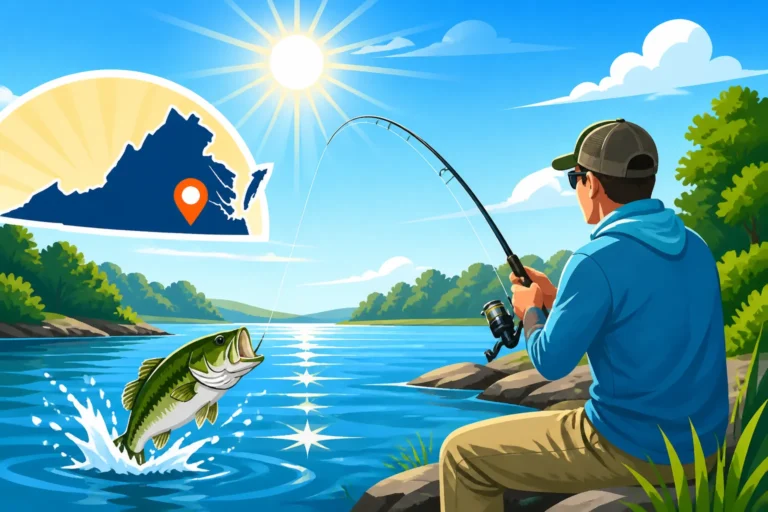
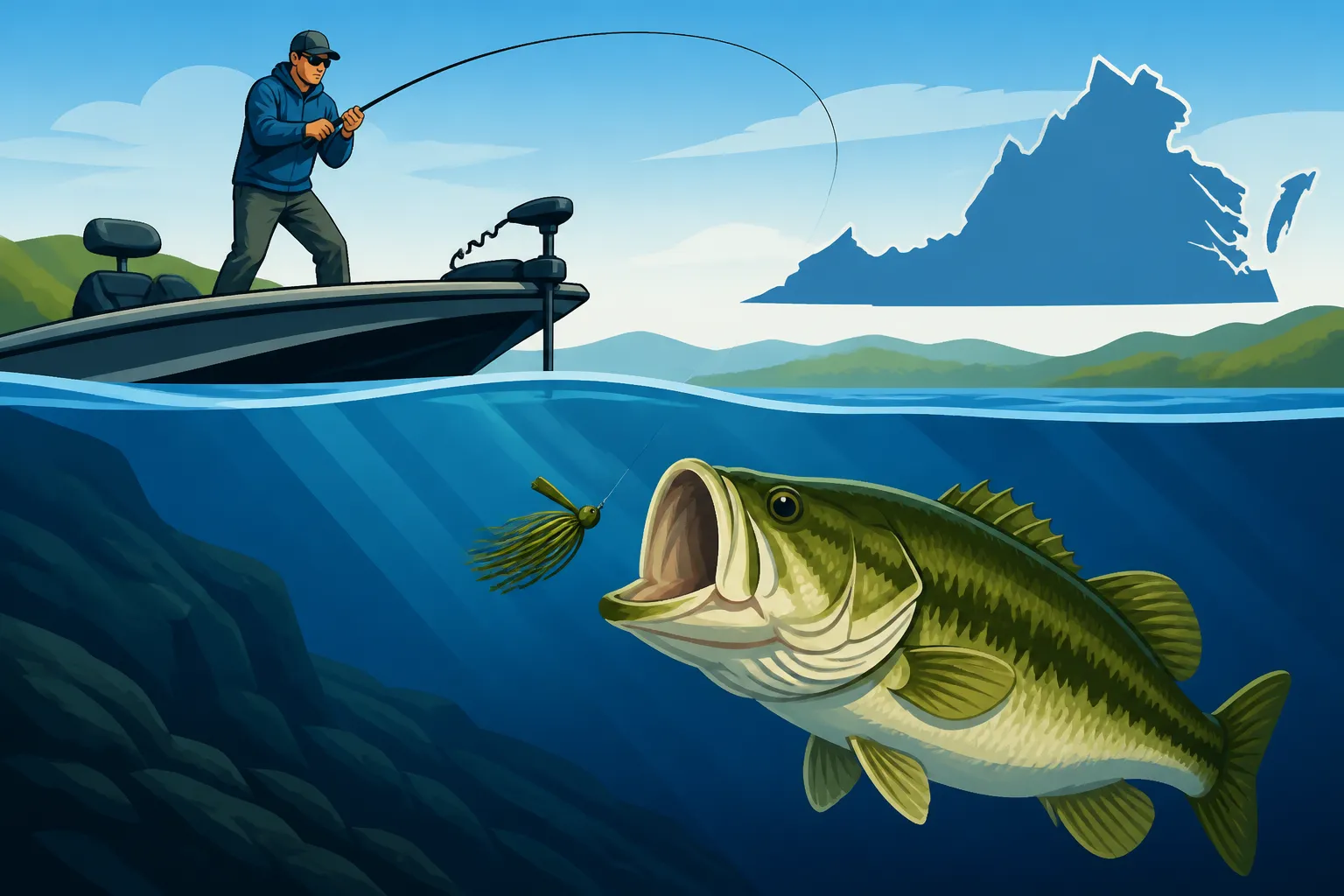
It's incredibly frustrating when the bass you were crushing in the shallows suddenly disappear without a trace. You hit your favorite coves and shorelines, only to find empty water, leaving you scratching your head and wondering where they all went. More often than not, they've just moved deeper, seeking comfort from the heat or pressure, and knowing how to find and catch them from a boat in these deeper zones can totally transform your fishing success. This guide will walk you through everything you need to know to confidently target bass that are holding in deep water.
The Seasonal Shift to Deeper Waters
Many anglers develop fantastic shallow-water patterns, mastering the art of pitching jigs into cover or burning spinnerbaits along weed lines. But then, as the seasons change, especially when the dog days of summer hit or the bitter cold of winter sets in, those patterns vanish. This isn't because the bass have disappeared; it's because they've moved, seeking more stable and comfortable conditions in deeper parts of the lake or river. Understanding this fundamental shift is the first step to consistently putting fish in the boat.
Why Bass Go Deep
The primary drivers for bass moving deep are fairly intuitive once you think about it from their perspective. First and foremost, water temperature plays a massive role. In the summer, surface temperatures can soar, making the shallow water uncomfortable and oxygen-depleted. Bass, being cold-blooded creatures, will seek out the cooler, more stable temperatures found at greater depths. Conversely, in the winter, while the surface might freeze or be brutally cold, the deeper water actually maintains a more consistent, slightly warmer temperature than the frigid shallows, acting as a thermal refuge.
Beyond temperature, oxygen levels are crucial. Lakes often develop a thermocline in the summer, which is a layer of water where the temperature changes rapidly. Below this layer, oxygen can become depleted, pushing bass to hold just above or within the thermocline where conditions are optimal. This is a subtle but critical factor. Combine these environmental needs with the fact that their primary food sources—baitfish like shad or herring—also move to deeper, more stable environments, and it becomes clear why bass congregate in these areas. They're seeking both comfort and an abundant pantry.
Lastly, angler pressure can also push bass into deeper water. Heavily fished shallow areas often see bass becoming more skittish and wary, prompting them to retreat to the relative safety of deeper structure where they feel less exposed. This is especially true on popular lakes like Smith Mountain Lake or Lake Anna, where constant boat traffic can make shallow bass incredibly difficult to tempt.
Understanding Deep Water Structure and Cover
When we talk about deep water, it's not just about a flat, featureless bottom. Far from it! Deep water has its own intricate landscape, defined by both structure and cover, and understanding the difference is key to finding those elusive bass. Structure refers to the natural contours and formations of the lake bed itself – think points, humps, ledges, creek channels, river bends, and sudden depth changes. These are permanent features that will always be there, providing travel corridors and ambush points for bass. Imagine a submerged road or mountain range; that's structure.
Cover, on the other hand, is anything on top of that structure or sitting on the bottom that provides concealment or shade. This could be submerged timber, brush piles, rock piles, hydrilla mats, or even old foundations from flooded homes. Bass often relate to the combination of these elements. A deep creek channel (structure) might have a brush pile (cover) sitting right on its edge, creating a prime ambush spot. It's the equivalent of finding a dense forest on the side of a mountain for a deer.
Learning to "read" these deep-water features with your electronics and maps is like gaining X-ray vision into the underwater world. Bass will position themselves in very specific ways on these structures and cover, often on the shady side, the current side, or where a hard bottom transitions to soft. A point that extends into deep water, for example, might have bass relating to its tip, its sides, or even suspended just off of it, waiting for baitfish to pass by. The more detailed your understanding of these underwater landscapes, the more effectively you can target bass.
Essential Tools for Deep Water Domination
Catching bass from a boat in deep water requires a different arsenal than your typical shallow-water setup. You're no longer just visually identifying targets; you're relying heavily on technology and specialized tackle to pinpoint fish and present baits effectively. Investing in the right gear isn't just a luxury; it's a necessity for deep-water success.
Navigating with Advanced Electronics
If you're serious about deep-water bass fishing, your boat's electronics are your most valuable tool. A high-quality sonar or fish finder is non-negotiable. These devices allow you to "see" what's directly beneath your boat, identifying depth changes, bottom composition, and most importantly, fish and bait schools. Modern units, like those from Garmin, Humminbird, or Lowrance, offer incredibly detailed views.
Beyond traditional 2D sonar, side imaging and down imaging technologies are game-changers. Side imaging lets you scan wide swaths of water on either side of your boat, revealing submerged trees, rock piles, ledges, and even individual fish that might be off to the side, outside your traditional cone angle. Down imaging provides photographic-like detail of what's directly below, making it much easier to distinguish a brush pile from a rock pile, or a bass from a school of bait. You can learn more about utilizing these tools by checking out our guide on How to Find Fish From a Boat With a Fish Finder. Combining these technologies allows you to quickly locate promising deep-water structures and pinpoint where fish are holding, drastically cutting down your unproductive casting time.
GPS mapping is another critical component. Most modern units come pre-loaded with detailed lake maps, showing contour lines that depict depth changes. This allows you to plan your attack before you even get on the water, identifying potential deep-water hot spots. Once you find fish or a promising piece of structure, you can mark waypoints, essentially dropping a pin on that exact spot, allowing you to return to it with precision later. Many anglers use multiple screens, dedicating one to mapping, another to 2D sonar, and a third to side imaging, giving them a comprehensive view of the underwater world around them.
Rods, Reels, and Line for Deep Water
Your tackle setup needs to be optimized for deep-water presentations. When you're fishing 20, 30, or even 50 feet down, sensitivity and power become paramount. For casting deep-diving crankbaits or dragging heavy jigs, you'll want longer, medium-heavy to heavy power rods, typically in the 7-foot to 7-foot-6-inch range. The extra length aids in casting distance and leverage, while the robust backbone helps you drive hooks home at the end of a long cast and fight powerful bass from the depths. Brands like St. Croix, Ugly Stik, and Shimano offer excellent options that you can often find on Amazon.
Reel gear ratios are also important. For deep cranking, a faster retrieve reel (7.1:1 or higher) can be beneficial to quickly retrieve your bait through unproductive water, but a medium speed (6.3:1) might be better for maintaining bottom contact and feeling subtle bites. For bottom-contact baits like jigs or Carolina rigs, a versatile 6.4:1 or 7.1:1 ratio works well. For finesse techniques like drop shotting, a sensitive spinning reel setup is usually preferred.
Line choice is critical. Fluorocarbon line is often the top choice for deep-water presentations due to its low stretch, which enhances sensitivity, and its near invisibility underwater, which can be a huge advantage with line-shy bass. For heavy cover or situations where maximum power is needed, braided line (paired with a fluorocarbon leader for stealth) offers incredible strength and zero stretch, allowing you to feel even the slightest tap. You want to make sure your line matches your technique; a 10-12 lb fluorocarbon is great for drop shots, while 15-20 lb fluorocarbon or even 50 lb braid with a leader might be required for deep cranking or heavy jigs.
Lures That Reach the Depths
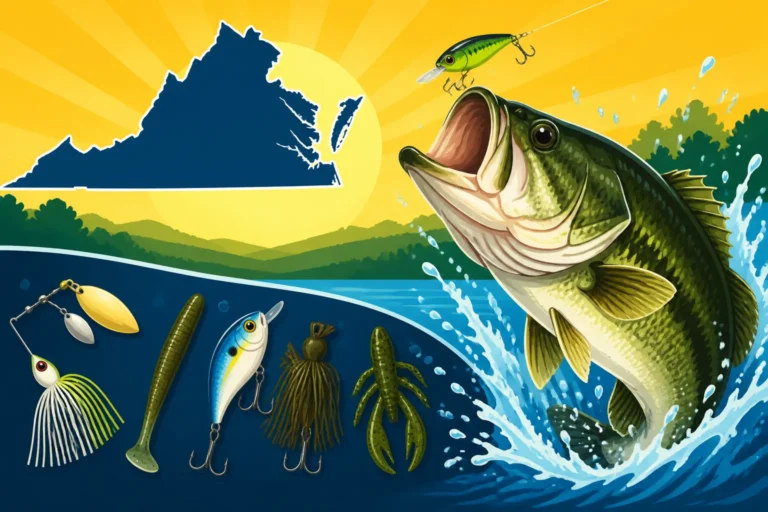
You can't catch deep-water bass with shallow-water lures. The baits you choose must be designed to get down to where the fish are holding and mimic their forage. Deep-diving crankbaits are absolute essentials. These lures feature large bills that force them down quickly, with some models designed to reach depths of 20 feet or more. The key is to select a crankbait that consistently runs at or just below the depth where you're seeing fish. We've got more tips on selecting effective baits in our Best Lures for Summer Bass Fishing guide.
For bottom-hugging bass, heavy jigs—such as football jigs or casting jigs rigged with creature baits or craw trailers—are incredibly effective. Their weight allows them to sink quickly and maintain contact with the bottom, where bass often forage. Jigging spoons are another deep-water staple, mimicking dying baitfish as they flutter and fall. These are fantastic for vertical presentations over suspended fish or those tightly schooled on humps.
For finesse presentations, the drop shot rig is king. It allows you to present a small plastic worm or creature bait suspended above a lead weight, keeping it right in the fish's strike zone even when they are sluggish or highly pressured. Other versatile soft plastic rigs include the Carolina rig, which drags a weighted plastic behind a main line, covering water effectively, and the heavy Texas rig, excellent for punching through deep, thick cover like hydrilla beds. Always have a variety of colors and profiles on hand, as bass preferences can change day-to-day.
Proven Techniques for Deep Water Bass from a Boat
Once you've got your boat positioned and your gear dialed in, it's time to put those techniques to work. Fishing deep water from a boat isn't about aimless casting; it's about precision, patience, and knowing how to work your baits effectively at significant depths. Each technique has its own optimal conditions and presentation style, so mastering a few will make you a much more versatile angler.
Deep Cranking and Trolling
Deep cranking is a fantastic way to cover water and trigger aggressive bites from bass holding on ledges, humps, and points. The key is to select a crankbait that's rated to dive to the depth where you expect the fish to be, or even a little deeper so it consistently "ticks" the bottom. Brands like Strike King, Rapala, and Berkley offer a wide array of deep divers. Make the longest cast possible, then use a slow, steady retrieve, occasionally pausing or snapping the rod to impart erratic action, mimicking a struggling baitfish. The goal is often to make the bait collide with the bottom or a piece of structure, deflecting it and triggering a reaction strike.
For larger bodies of water, or when bass are widely dispersed along a long ledge, trolling with deep crankbaits can be incredibly effective. This involves letting out a long line with a deep-diving crankbait and slowly moving your boat over the desired depth. This technique is particularly popular for striped bass on lakes like Smith Mountain Lake Fishing Guide, but it can also be very effective for targeting largemouth and smallmouth bass in deep, open water. Maintain consistent boat speed and pay close attention to your rod tip for the tell-tale thumping of the lure, and of course, a strike!
Vertical Presentations: Jigs, Spoons, and Drop Shots
When bass are tightly grouped, suspended, or holding precisely on specific pieces of cover, vertical presentations from directly above them are often the most productive. Jigging spoons are phenomenal for this. Drop them down to the depth where you see fish on your sonar, then use short, sharp lifts and drops of the rod tip to make the spoon flutter and flash, mimicking a dying baitfish. This is deadly for suspended schools or bass grouped on hard bottom.
For bass glued to the bottom, especially those buried in brush piles or tucked against rocky ledges, football jigs or heavy casting jigs are excellent. Cast beyond the target, let the jig sink, then slowly drag or hop it along the bottom, feeling for any changes in texture or subtle bites. Our article on Crappie Jigging Techniques provides a great foundation for understanding jigging principles, which can be adapted for bass. The heavier weight helps you maintain bottom contact and feel the structure.
The drop shot rig excels when bass are finicky, pressured, or suspended just off the bottom. It involves tying a hook directly into your line with a small soft plastic bait, leaving a tag end of line below it where you attach a weight. This setup allows your bait to hover tantalizingly in the strike zone, independent of the bottom. Drop it down to the fish's depth, then simply twitch your rod tip, making the bait dance in place without moving the weight. This subtle action is often irresistible to lethargic bass and is a go-to finesse technique.
Carolina Rigs and Heavy Texas Rigs
When bass are scattered across deep flats or along long ledges, or when you need to cover water efficiently while staying deep, the Carolina rig is a fantastic choice. This rig consists of a heavy sliding sinker, followed by a bead (to protect the knot), a swivel, a fluorocarbon leader (typically 2-4 feet long), and then a hook rigged with a soft plastic bait like a lizard, worm, or creature bait. The heavy weight allows for long casts and helps maintain bottom contact, while the long leader gives the bait a natural, free-swimming action as you drag the weight along. It's an excellent search bait for dissecting large areas of deep structure.
For punching through heavy, deep cover like dense hydrilla or thick brush piles, the heavy Texas rig is your best friend. This is essentially a regular Texas rig (hook, soft plastic, weight) but with a much heavier bullet weight (often 3/4 oz to 1.5 oz or more) and sturdy, braided line. The heavy weight helps the bait penetrate through the thick vegetation to reach the bass hiding within. Drop the rig directly into cover, let it sink, then gently lift and drop, feeling for bites as it navigates the structure. Detecting the often subtle "thump" or spongy feel of a bite in deep water with these rigs requires practice and concentration, but it's incredibly rewarding.
Leveraging Live Bait
While artificial lures offer the thrill of the hunt and can be incredibly effective, there are times when nothing beats live bait, especially when bass are particularly finicky or shut down in deep water. Live bait often provides the most natural presentation and can tempt fish that refuse artificials. The challenge, of course, is keeping them alive and presenting them effectively in deep water.
Common live baits for deep-water bass in Virginia include shad, shiners, or even crawfish. You can present them in several ways. One common method is a "downline," where a live baitfish is hooked through the nose or back and slowly lowered to the desired depth using a weight. This keeps the bait in the strike zone and allows it to swim naturally. Another method is a "free line" with a small split shot or no weight at all, letting the bait swim freely in the water column, often above a thermocline or over deep structure.
The beauty of live bait is its inherent action and scent, which can draw in bass from a distance. However, be mindful of local regulations regarding baitfish collection and use. Some lakes have restrictions on transporting baitfish from one body of water to another to prevent the spread of diseases or invasive species. Always check the Virginia Department of Wildlife Resources (DWR) regulations before your trip.
Finding Your Deep Water Honey Holes in Virginia
You've got the gear, you understand the techniques, but how do you actually find those deep-water bass in the vastness of a Virginia lake? It's a combination of preparation, observation, and trusting your electronics. Don't just motor out to the deepest part of the lake and start casting; be methodical and strategic in your approach.
Reading the Topography and Lake Maps
Before you even launch your boat, spend time studying detailed lake maps. Digital mapping on your electronics (like C-MAP or Navionics) or paper contour maps are your best friends. Look for areas where significant depth changes occur – sharp breaks, ledges, submerged creek channels, and main lake points that extend into deeper water. These are the highways and neighborhoods for deep-water bass. Pay close attention to how these features are shaped. Does a creek channel make a sharp bend? Does a point drop off abruptly into a deep trough? These are prime ambush points.
Cross-referencing your map data with what your sonar is showing you in real-time is crucial. The map gives you the big picture, but your sonar shows you the current reality. Verify that the ledge you see on the map is indeed there and observe its exact contours, and if there's any cover on it. For instance, on a lake like Lake Anna Fishing Guide, understanding how submerged roadbeds and humps relate to the old river channel can unlock incredible deep-water patterns. Don't just blindly follow the map; use it as a guide to interpret what your electronics are showing you.
Targeting Seasonal Deep Water Sanctuaries
Bass movements into deep water are highly seasonal, dictated by water temperature and baitfish location. In the heat of summer, bass often descend to the thermocline, holding just above or within it, where cooler water and higher oxygen levels provide comfort. They'll relate to the deepest available structure—like offshore humps, ledges, or main lake points—often stacking up in schools. This is a classic Summer Bass Fishing Patterns scenario.
Conversely, during the brutal cold of winter, bass will seek out the most stable water temperatures, which are usually found in the deepest, main lake channels or the deepest sections of creek channels. They become much more lethargic, conserving energy, and are often found tightly grouped. Learning Winter Bass Fishing Techniques means slowing down your presentations dramatically and fishing smaller baits. Our guide on How to Catch Bass in Cold Water delves deeper into these specific strategies. Understanding how Water Temperature and Fish Feeding Patterns are interconnected is the ultimate secret to predicting their movements. On deep lakes like Claytor Lake Fishing Spots and Tips, these deep channels and main lake structure become vital wintering grounds for bass.
The Importance of Baitfish
No matter the season, bass are apex predators, and they follow their food. Finding baitfish is often the most critical step to finding deep-water bass. Your sonar will be invaluable here. Look for dense "clouds" or "balls" of baitfish suspended in the water column or tightly grouped on structure. If you find the bait, the bass are usually not far behind. Often, bass will be positioned just below, on the edges, or actively working through a bait ball, using the school to their advantage for ambushes.
Once you locate these baitfish schools, your job is to mimic them with your lures. Match the hatch, as they say. If the bait is small, use smaller jigs or drop shot baits. If the bait is larger, a deep-diving crankbait or a swimbait might be more effective. Pay attention to how the bass are relating to the bait—are they actively feeding, crashing through the schools, or just lurking nearby? This will help you choose the right presentation to trigger a strike.
| Technique | Ideal Conditions | Recommended Lures/Baits | Key Gear |
|---|---|---|---|
| Deep Cranking | Scattered fish, covering large areas, ledges | Deep-diving crankbaits | 7'-7'6" MH-H rod, fast retrieve baitcaster, 12-17lb fluorocarbon |
| Vertical Jigging | Tightly schooled fish, suspended fish, humps | Jigging spoons, football jigs | 6'6"-7' MH rod, medium retrieve baitcaster/spinning, 10-15lb fluorocarbon/braid |
| Drop Shotting | Finicky fish, clear water, pressured fish, steep breaks | Small worms, creature baits, minnow imitations | 6'6"-7' M-ML spinning rod, finesse spinning reel, 6-10lb fluorocarbon |
| Carolina Rigging | Scattered fish, covering deep flats/points | Lizards, worms, creature baits | 7'-7'6" MH-H rod, medium retrieve baitcaster, 15-20lb fluorocarbon/braid (main), 10-15lb fluoro (leader) |
| Heavy Texas Rig | Punching heavy deep cover (hydrilla, brush piles) | Creature baits, large worms, craws | 7'-7'6" H-XH rod, powerful baitcaster, 50-65lb braid |
| Live Bait (Downline) | Shut-down fish, targeting specific suspended fish | Shad, shiners, large minnows | Dedicated live bait rod, medium-heavy, baitcasting or spinning, 15-20lb mono/fluoro |
Disclaimer
Fishing involves inherent risks. Always prioritize safety on the water, wear a PFD, and be aware of weather conditions. Ensure you have all required licenses and comply with all Virginia Department of Wildlife Resources (DWR) regulations regarding catch limits, seasons, and bait use. This guide is for informational purposes only and does not replace official DWR guidelines.