How to Identify a Walleye
Walleye identification features include large reflective eyes, two dorsal fins with a dark spot, and a white tip on the lower tail lobe.
Know what’s on the line.
Gamefish and panfish profiles — identification, behavior, feeding habits, and species-specific strategies for every catch.
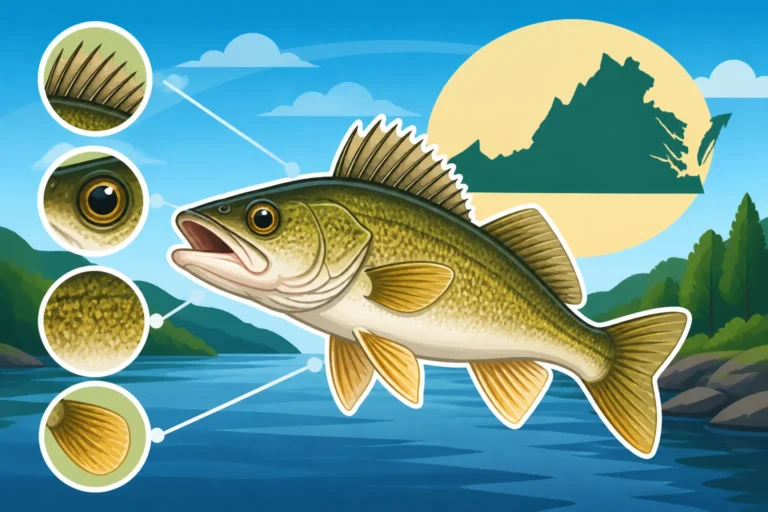
Walleye identification features include large reflective eyes, two dorsal fins with a dark spot, and a white tip on the lower tail lobe.
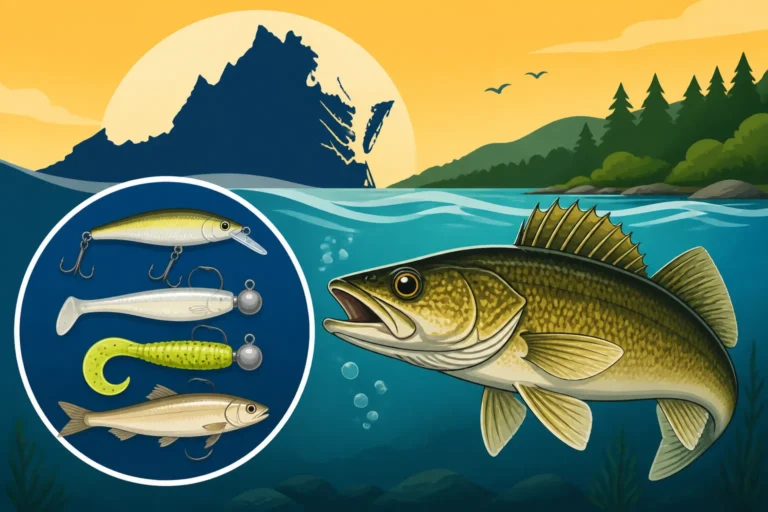
Virginia walleye fishing success relies on choosing the best live baits, including minnows and shiners, for local waters.
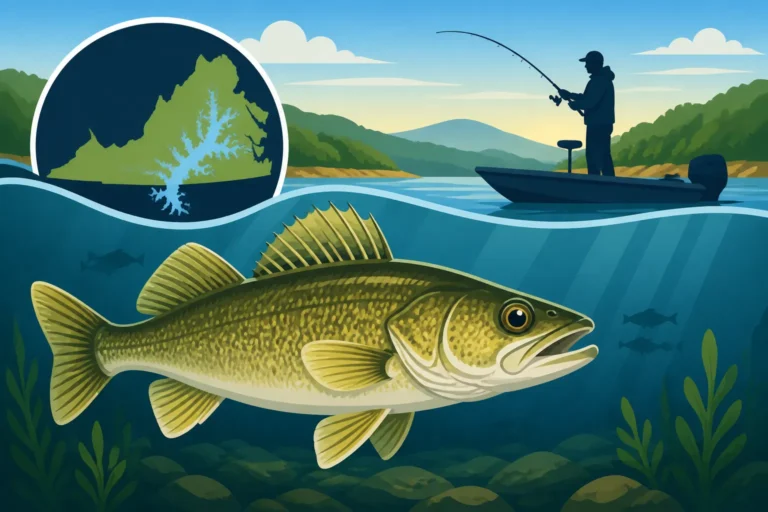
Claytor Lake walleye habits, seasonal movements, and effective fishing techniques help anglers catch elusive freshwater trophies in Virginia.
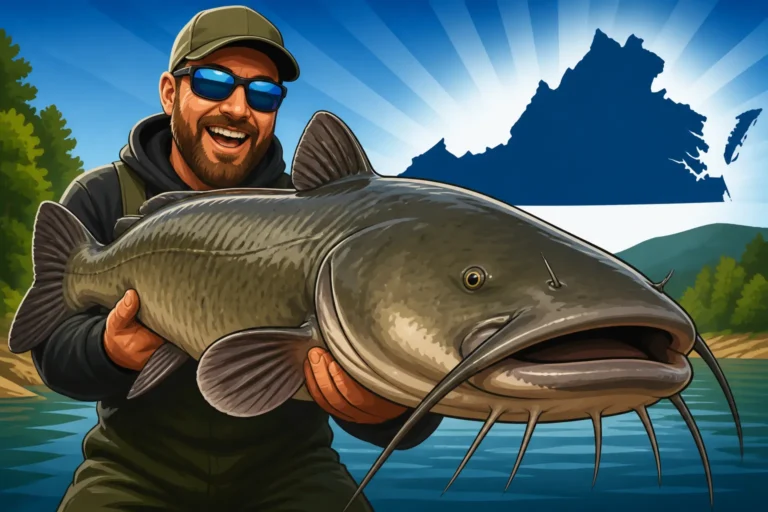
Claytor Lake flathead catfish habits, underwater structures, and locations help anglers target massive freshwater predators in Virginia.
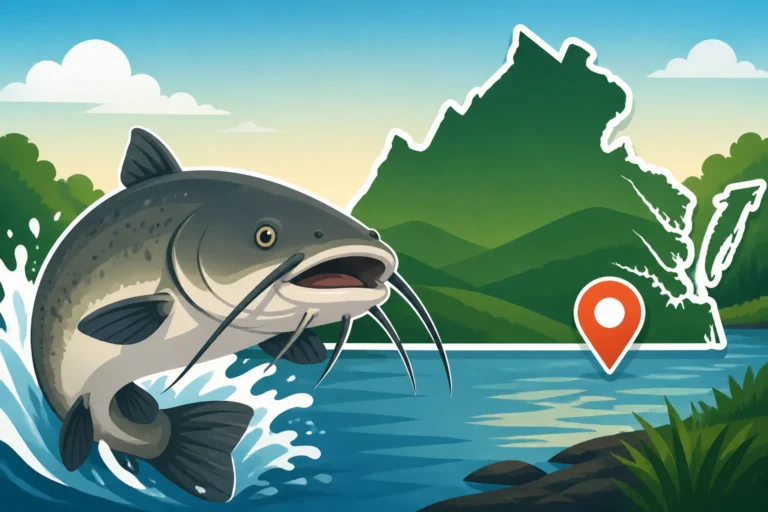
Channel catfish habitats in Virginia rivers and lakes, seasonal movement patterns, and top fishing locations on the James River.
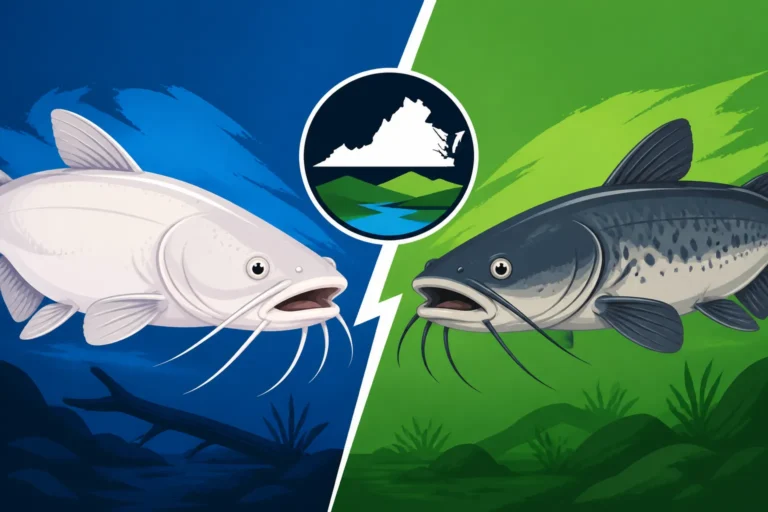
White catfish and channel catfish identification differences in Virginia waters help anglers distinguish between the two species.
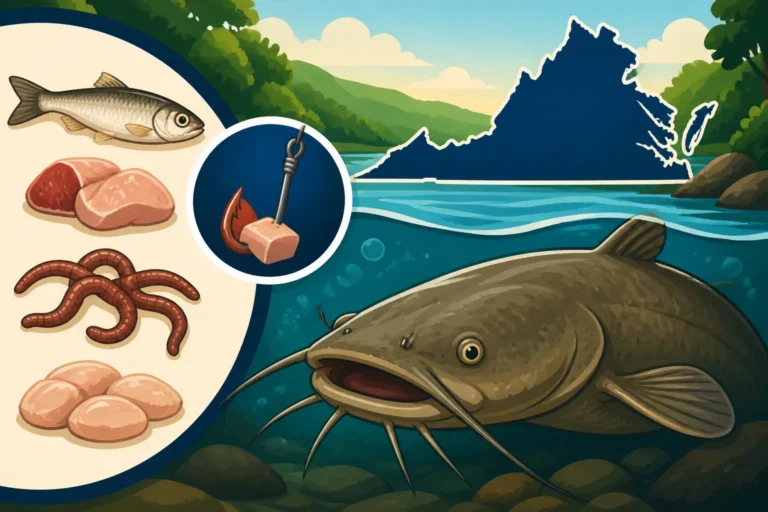
Virginia river flathead catfish require live bait strategies, native forage matching, and understanding predator behavior for success.
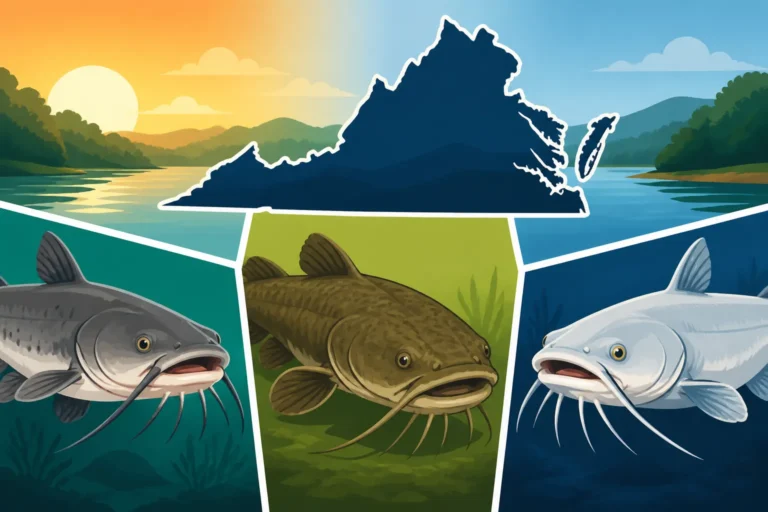
Virginia catfish species differences, including channel, flathead, and white catfish, plus identification, habitats, and fishing strategies.
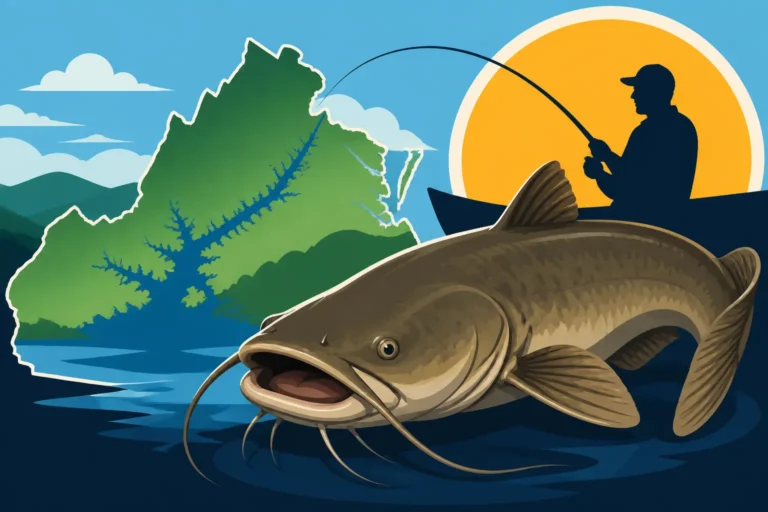
Flathead catfish growth factors and Virginia water conditions explain how massive apex predators reach incredible sizes at Claytor Lake.
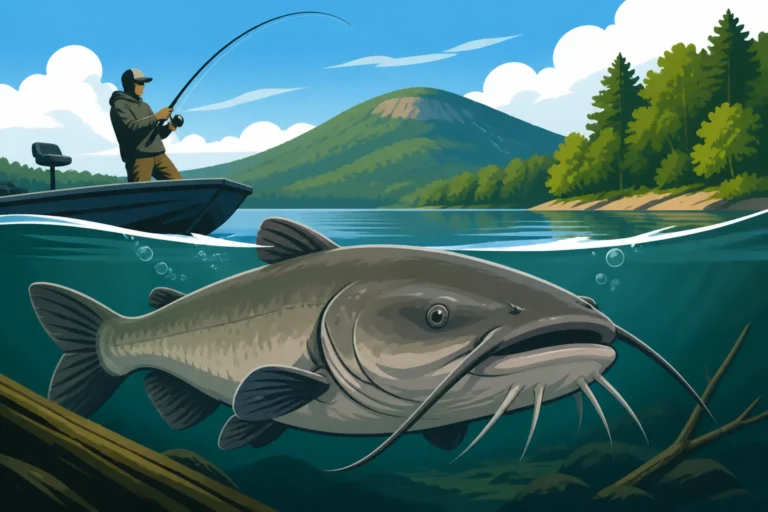
Smith Mountain Lake channel and flathead catfish offer year-round fishing action with reliable catches across all seasons.