Best Techniques for Fall Fishing
The leaves are starting to turn, there's a crispness in the air, and suddenly your favorite summer fishing holes feel… different. It's a common frustration for Virginia anglers: the fish behavior shifts dramatically as the water cools, and what worked a month ago might not even get a nibble now. But don't despair! Fall fishing in Virginia can be incredibly rewarding, offering some of the year's best action if you know how to adapt your techniques. This guide is all about helping you understand those changes and arming you with the best strategies to keep those lines tight through autumn.
Understanding Fall Fish Behavior in Virginia
As summer fades and autumn takes hold, the entire underwater world undergoes a significant transformation. Fish aren't just swimming around aimlessly; their very survival instincts kick in, driven by the changing temperatures and the impending lean months of winter. Understanding these fundamental shifts is key to unlocking successful fall fishing experiences across Virginia's diverse waters, whether you're on a tranquil mountain stream or the bustling Chesapeake Bay.
The Cooling Waters and Fish Metabolism
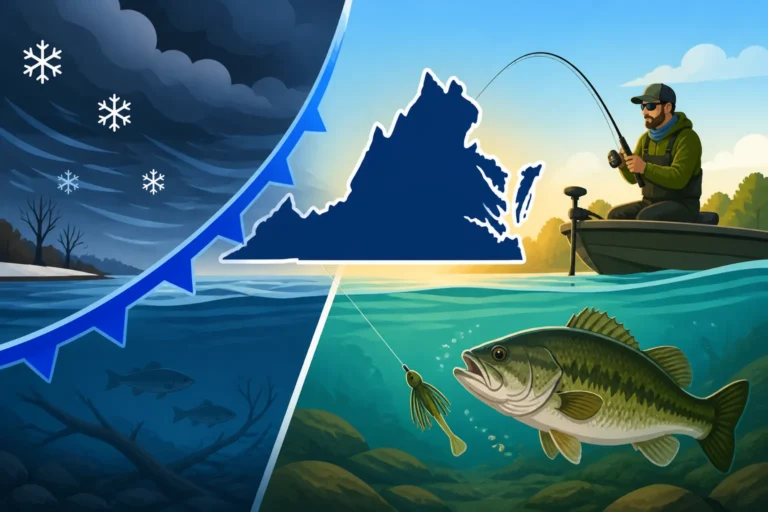
The most significant factor influencing fish behavior in the fall is the dropping water temperature. Throughout the summer, warm water keeps fish metabolism high, making them active and often aggressive feeders. They're constantly on the move, digesting food quickly, and needing frequent meals. However, as those long, hot days give way to cooler nights and shorter days, the water temperature begins a steady decline.
This cooling process has a profound effect on cold-blooded fish. Their metabolism starts to slow down, meaning they don't need to eat as often, and their movements become less erratic and more deliberate. Instead of chasing fast-moving baits across wide areas, they might become more selective, conserving energy, and targeting larger, more caloric meals that offer a greater return on their energetic investment. This doesn't mean they stop eating; it just means how and when they eat changes. Anglers often find that fish in cooler water respond better to slower presentations, baits that stay in the strike zone longer, and sometimes even larger offerings. It's a fundamental shift from the "run and gun" approach of summer.
Fall Forage and Migration Patterns
With the changing temperatures comes a dramatic shift in the available food sources for fish. Many of the insects and smaller baitfish that were abundant in summer begin to disappear or become less active. This forces predatory fish to concentrate on what's left, often leading to impressive feeding frenzies as they try to "fatten up" for winter. This phenomenon, often called the "fall feed" or "fall bite," is what makes autumn so exciting for anglers.
Baitfish, like shad and herring, will often school up in massive numbers in deeper water or follow warm water currents, and the larger game fish will pursue them relentlessly. This can create incredible opportunities for anglers who can locate these bait balls. Water Temperature and Fish Feeding Patterns are absolutely critical to understanding these movements. In many Virginia rivers, anadromous species like striped bass (often called rockfish here) begin their migration from the ocean back into the tidal rivers, offering fantastic opportunities for anglers chasing them upstream. Trout, on the other hand, often become more aggressive in cooler water, making them a prime target in the mountain streams. Some species, like crappie and bluegill, will migrate from shallow, weedy areas to deeper structures, seeking stable temperatures and concentrations of bait.
Top Freshwater Fall Fishing Techniques
Virginia's freshwater fishing truly shines in the fall, offering a diverse range of opportunities from chasing aggressive bass to tempting wary trout. As the water cools, fish often gather in predictable locations and become more concentrated, making them easier to find—if you know where to look and what to throw. This isn't the time for guesswork; precision and patience become your best friends.
Targeting Bass in Fall Transition
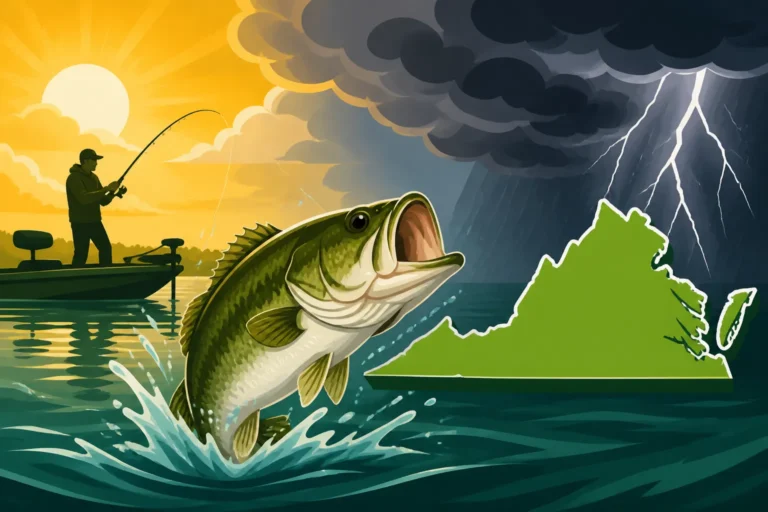
Largemouth and smallmouth bass are among Virginia's most popular freshwater game fish, and fall can offer some truly exceptional action. After the spawn and the lazy days of summer, bass enter a "feeding frenzy" phase in the fall, bulking up for winter. However, their locations and preferred baits change dramatically.
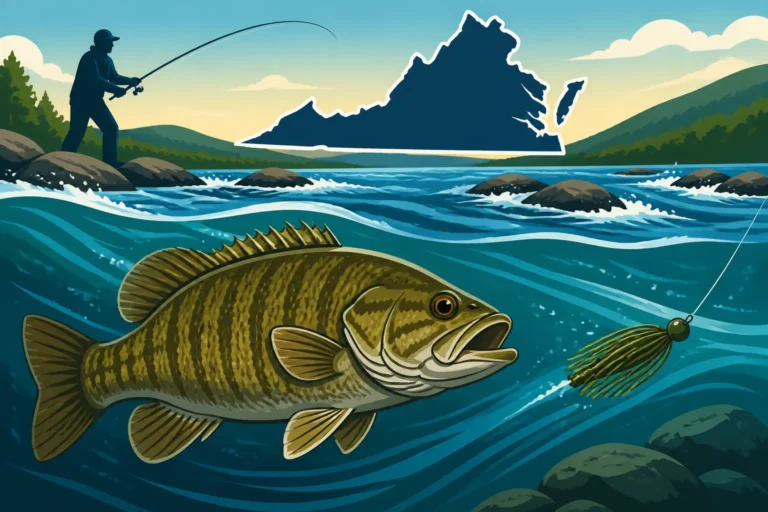
Early fall, when water temperatures are still in the 60s, often sees bass congregating around points, humps, and submerged timber, chasing schooling baitfish. Look for surface activity—that tell-tale splashing where bass are busting bait. This is a prime time for topwater lures like poppers and walk-the-dog baits, especially during low-light conditions. As the water cools further, bass will often move deeper, but they'll still be looking for those bait schools. Crankbaits, especially those that mimic shad or other local forage, become incredibly effective. Medium-diving crankbaits that reach depths of 8-15 feet can be deadly when retrieved at a moderate, steady pace, sometimes with an occasional pause. Jerkbaits are another fall staple, particularly for smallmouth bass in clearer waters. Their erratic, darting action can trigger reaction strikes from lethargic fish. For deep-water bass, jigs and soft plastics, fished slowly and deliberately along bottom contours or submerged structures, can entice bites from larger, less active fish. Remember, Best Time of Year for Bass Fishing in Virginia is often a matter of adapting to the season, and fall certainly demands it.
Crappie and Panfish in Cooling Lakes
Crappie, bluegill, and other panfish provide consistent fall action and are perfect targets for anglers looking for a relaxing day on the water, or even a tasty meal. While they might have been scattered in the shallows during summer, the cooling water causes them to group up, often in large schools, around specific structures.
As temperatures drop, crappie will migrate from shallow vegetation and docks to deeper water, often suspending around brush piles, submerged timber, bridge pilings, and creek channel drop-offs. They'll follow the baitfish, and finding the bait is often key to finding the crappie. Vertical jigging or "tightlining" with small jigs (1/16 to 1/8 ounce) tipped with a minnow or small plastic grub is incredibly effective. The trick is to find the depth where they are holding. Use your fish finder or experiment with different depths until you start getting bites. Spider rigging, where multiple rods are deployed from a boat, each fishing at a different depth with a different bait, is another popular and effective method for covering water and locating crappie schools. For bluegill and other panfish, look for them around the edges of deeper brush piles, submerged stumps, or channel breaks. Small worms, crickets, or tiny jigs fished under a bobber are always reliable. Even as it gets cooler, these species can offer fantastic numbers, making it a great option for Crappie Fishing Techniques for Beginners or just a fun day out.
Fall Trout Tactics
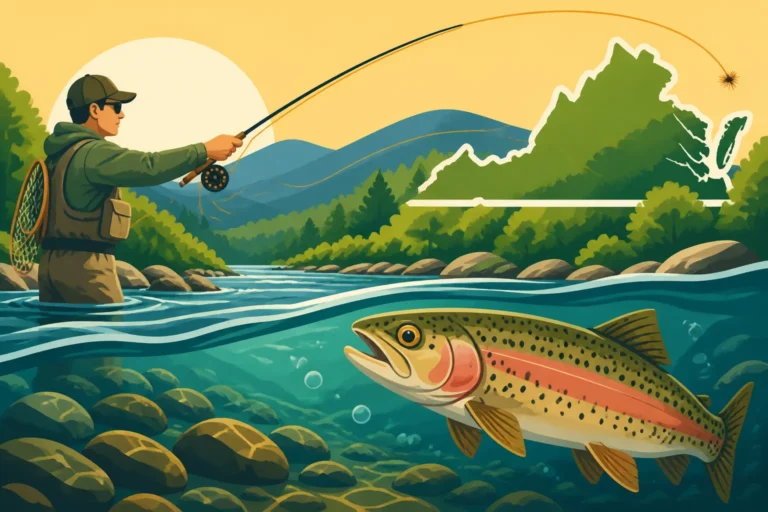
Virginia's mountain streams and stocked trout waters become absolutely picturesque in the fall, and the trout fishing can be phenomenal. The cooler, oxygen-rich water invigorates trout, making them more active and less sluggish than during the warmer months.
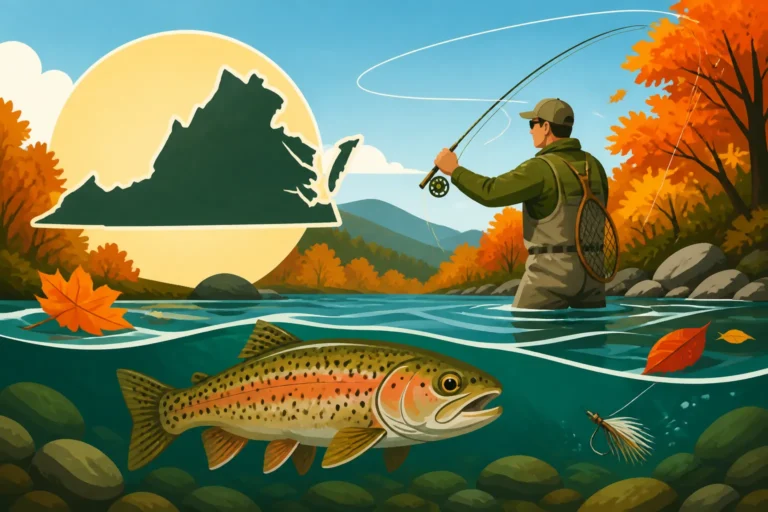
For wild trout in native brook trout streams, this is prime time for fly fishing. Terrestrial patterns like grasshoppers and ants can still work in early fall, but as the water cools, nymph patterns become king. Look for pools, runs, and riffles where trout might be holding. Stonefly, caddis, and mayfly nymphs are all excellent choices. A high-stick nymphing technique, keeping your line off the water for better drift control, is often the most productive. Small spinnerbaits or inline spinners, retrieved slowly upstream, can also draw strikes from aggressive trout. Trout Fishing in Virginia: Rainbow, Brown, and Brook Trout are all more active when the water is crisp. For stocked trout waters, particularly those that receive fall stockings, fishing can be fantastic right after the fish are introduced. PowerBait, corn, salmon eggs, or small worms fished on the bottom with a sliding sinker rig are tried-and-true methods. Small spoons and spinners also work well. Keep in mind that Stocked Trout License Requirements in Virginia apply, so make sure your paperwork is in order before you hit the water!
Essential Saltwater Fall Fishing Strategies
When the calendar flips to fall, Virginia's coastal waters and the vast Chesapeake Bay come alive with incredible saltwater fishing opportunities. Many species that spent the summer in deeper, cooler offshore waters or widely dispersed, begin to congregate and feed aggressively as they prepare for migrations or the colder months ahead. It's truly a magical time to be on the water, offering a chance at some of the biggest fish of the year.
Chasing Striped Bass and Rockfish
For many Virginia saltwater anglers, fall means one thing: striped bass, affectionately known as "rockfish" here. This is arguably the most anticipated season on the Bay and its tributaries, as these powerful predators stage their epic migrations. Virginia Striped Bass Season and Slot Limit Guide are essential reading before you head out, as regulations can be specific and change.
Early fall sees stripers actively feeding on schooling baitfish, often close to the surface, especially during low-light conditions. Look for birds diving, which is a dead giveaway that baitfish are being pushed to the surface by stripers. Topwater plugs, poppers, and large soft plastic swimbaits cast into these feeding frenzies can produce explosive strikes. As the water cools further, stripers will move deeper, often congregating around structures like bridge pilings, oyster reefs, and channel edges. Trolling with large lipped plugs, umbrellas rigs, or mojos becomes a highly effective strategy for covering water and finding schools of fish. Jigging with heavy metal jigs or large soft plastics on lead heads is also very productive when you locate a school of fish holding tight to the bottom or structure. The key is to match the hatch – find out what baitfish are prevalent and choose lures that mimic them in size and color. Many anglers will keep a variety of lures on hand, and a quick search on Amazon can get you stocked up on all the essential fall striper baits, from large swimbaits to heavy jigs, so you're ready for whatever the fish are chasing. Don't forget, Best Bait for Striped Bass in Chesapeake Bay often includes live eels or large bunker, which can be irresistible to bigger fish.
Flounder and Red Drum Opportunities
While stripers often steal the show, fall also provides fantastic opportunities for other popular saltwater species like flounder and red drum. These fish, like their freshwater counterparts, are in full-on feeding mode.
Flounder, those masters of camouflage, begin to move out of the shallow bay waters and into the deeper channels and ocean inlets as they prepare for their offshore migration. This "fall run" can offer incredible fishing. Drifting with live minnows, squid strips, or Gulp! artificial baits on a traditional flounder rig is a proven method. Look for changes in depth, oyster beds, and channel edges where flounder ambush their prey. Fishing around the inlets and nearshore wrecks can also be very productive as the season progresses. Red drum, particularly the larger "bull reds," can offer a truly exhilarating fight. Fall is a prime time to target these powerful fish, especially in the lower Chesapeake Bay and along the coastal surf. They'll often be found cruising shallow water flats, around oyster beds, or in deeper channels. Cut bait, like mullet, spot, or crab, fished on a bottom rig is a classic and effective method. Artificial lures such as large soft plastic swimbaits or spoons can also entice a strike from an actively feeding red drum. Often, you'll find specialized gear like heavy-duty surf rods and reels available on Amazon, which are perfect for casting large baits out to where these powerful fish patrol.
Gear Up for Fall Success
The right gear can make all the difference in fall fishing, especially as conditions can change rapidly. From sudden drops in temperature to unexpected winds, being prepared means staying comfortable and productive on the water. It’s not just about what lures you use, but the entire setup from rod to reel to what you’re wearing.
Rods, Reels, and Line Choices
As the water cools, fish can become more lethargic and their bites more subtle. This often necessitates lighter, more sensitive gear for freshwater applications, while saltwater still demands strength for larger migrating fish.
For most fall freshwater species like bass, crappie, and panfish, a medium-light to medium power spinning rod, paired with a matching spinning reel, is a versatile choice. A 6'6" to 7' rod with a fast action tip will give you the sensitivity to detect those light bites and the backbone to handle decent-sized fish. For line, fluorocarbon is an excellent choice for fall due to its low visibility and sensitivity. A 6-10 lb test fluorocarbon for bass and 4-6 lb test for crappie and panfish will cover most situations. Many anglers swear by the direct feel of fluorocarbon in colder water. If you prefer braided line, consider a lighter braid (10-15 lb) with a fluorocarbon leader for added stealth. For fall trout fishing, a lighter ultralight spinning rod or a fly rod matched to your stream conditions is ideal.
In saltwater, especially when targeting larger striped bass or red drum, heavier gear is a must. A medium-heavy conventional or spinning rod, around 7 feet in length, paired with a robust reel capable of holding 200-300 yards of 30-50 lb braided line, is standard. A high-quality drag system is crucial for fighting these powerful fish. Again, a heavy fluorocarbon leader (30-60 lb test) will provide abrasion resistance and invisibility, which can be critical in clear fall waters. When selecting your line, it's worth checking out retailers like Amazon, as they often have a wide variety of brands and types available, allowing you to compare options and find exactly what you need for the specific fall conditions you'll encounter.
Lures and Baits for Autumn Angling
The bait and lure selection in fall is all about matching the prevailing forage and adapting to the fish's slower metabolism. Gone are the days of hyper-aggressive, flashy summer baits in many scenarios.
For freshwater bass, your fall arsenal should include:
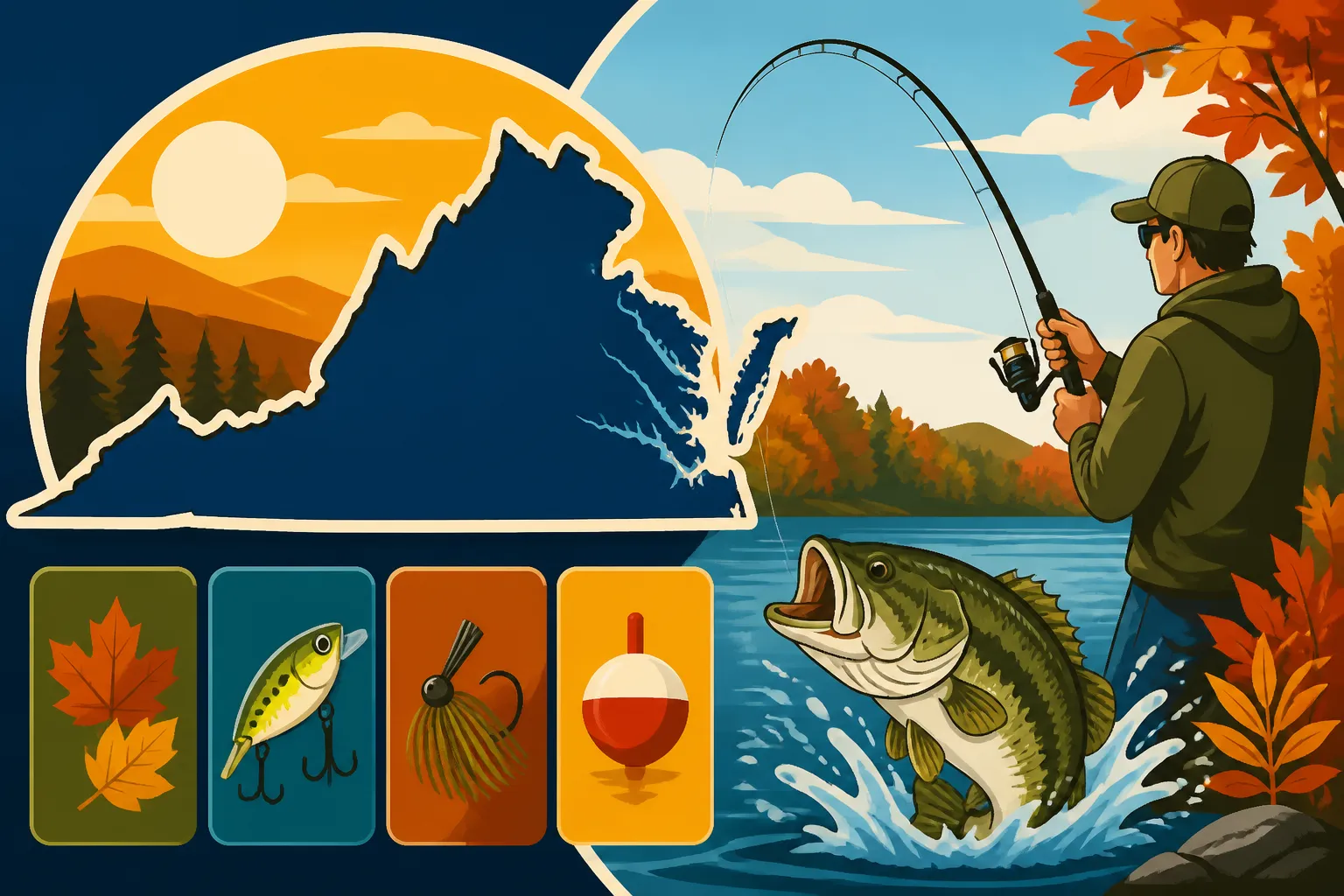
- Crankbaits: Medium to deep divers in shad, bluegill, or crawfish patterns.
- Jerkbaits: Suspending models in natural baitfish colors, fished with a twitch-pause retrieve.
- Jigs: Football head or skirted jigs in black/blue or green pumpkin, tipped with a creature bait or chunk trailer, fished slowly on the bottom.
- Soft Plastics: Worms, creature baits, and swimbaits (for schooling fish) are all effective.
- Topwater: In early fall, poppers and walk-the-dog baits can still be deadly during low light.
For crappie and panfish, stock up on:
- Small Jigs: 1/16 to 1/8 ounce jigs in chartreuse, white, or black, often tipped with a minnow or soft plastic grub.
- Live Bait: Minnows for crappie, and worms or crickets for bluegill, fished under a bobber or on a tightline.
For trout, consider:
- Nymphs: Stonefly, caddis, and mayfly patterns for fly fishing.
- Spinners/Spoons: Small inline spinners (e.g., Panther Martin, Mepps) or tiny spoons (e.g., Kastmaster) in silver or gold.
- PowerBait/Salmon Eggs: For stocked waters.
For saltwater striped bass and red drum, your tackle box should hold:
- Large Soft Plastic Swimbaits: Paddletails or shads, often rigged on heavy jig heads, in white, chartreuse, or pearl.
- Topwater Plugs/Poppers: For surface blitzes, in larger sizes.
- Metal Jigs: For deep-water jigging or casting into schools.
- Trolling Plugs/Rigs: Large lipped plugs, umbrella rigs, or mojos for covering open water.
- Cut Bait: Fresh mullet, spot, bunker, or crab for red drum and bottom-dwelling stripers.
- Live Eels: A perennial favorite for large stripers.
Always prioritize having a variety of colors and sizes, as fish preferences can change throughout the day and with water clarity. Don't be afraid to experiment! Many anglers find the convenience of online shopping invaluable for restocking their fall tackle, and you can easily find a vast selection of these baits and lures on Amazon, often with helpful reviews from other anglers.
Here’s a quick overview of some top fall techniques by species:
| Species | Preferred Habitat (Fall) | Primary Techniques | Recommended Lures/Baits |
|---|---|---|---|
| Largemouth Bass | Points, humps, submerged timber, baitfish schools | Crankbaiting, Jerkbaiting, Jigging, Topwater (early fall) | Shad/crawfish crankbaits, suspending jerkbaits, jigs, soft plastic swimbaits |
| Smallmouth Bass | Rocky areas, creek channels, current breaks, baitfish schools | Jerkbaiting, Jigging, Spinnerbaits, Tubes | Suspending jerkbaits, football jigs, inline spinners, tube jigs |
| Crappie | Deep brush piles, submerged timber, bridge pilings, creek channels | Vertical Jigging, Tightlining, Spider Rigging | Small jigs (1/16-1/8 oz), minnows, small plastic grubs |
| Trout (Wild) | Pools, runs, riffles, oxygenated water | Fly Fishing (Nymphing), Small Spinners | Nymph patterns (stonefly, caddis), small inline spinners |
| Trout (Stocked) | Recently stocked areas, deeper pools, current breaks | Bottom Fishing, Casting Spinners/Spoons | PowerBait, corn, salmon eggs, small spoons, inline spinners |
| Striped Bass | Baitfish schools, bridge pilings, channel edges, oyster reefs | Trolling, Jigging, Topwater (blitzes), Live Bait | Large swimbaits, metal jigs, topwater plugs, live eels, cut bait |
| Flounder | Deep channels, ocean inlets, nearshore wrecks, oyster beds | Drifting, Jigging | Live minnows, squid strips, Gulp! artificials |
| Red Drum | Shallow flats, oyster beds, deeper channels, coastal surf | Bottom Fishing (Cut Bait), Casting Artificials | Cut mullet, spot, crab, large soft plastic swimbaits, spoons |
Disclaimer
This article is for general informational purposes only and does not constitute professional advice. Laws, prices and regulations vary by location and change over time. Consult a qualified professional for guidance on your specific situation.