How to Catch Crappie From a Dock
It’s a scenario every angler in Virginia knows: you’re walking along a picturesque lake or river, spotting docks extending into the water, and thinking, "There must be fish under there!" Docks are undeniable magnets for various species, but crappie, in particular, treat them like five-star resorts. However, translating that potential into a successful stringer of panfish isn't always as simple as dropping a line. Many times, you’re left wondering if the fish are even there, or if you’re doing something wrong. This comprehensive guide is designed to cut through that frustration, arming you with the knowledge, gear, and techniques to consistently catch crappie right from the comfort of a dock.
Understanding Crappie Behavior Around Docks
Crappie are masters of ambush and concealment, and docks provide everything they need to thrive. If you want to consistently catch them, you first need to understand why they gravitate to these man-made structures and how their habits change throughout the year.
Why Crappie Love Docks
Think of a dock as a floating or stationary oasis in an otherwise open body of water. For crappie, especially smaller baitfish they prey upon, docks offer an incredible amount of shelter and sustenance. The pilings, crossbeams, and even the boats moored alongside create a complex web of cover, breaking up direct sunlight and providing a safe haven from larger predators like bass and stripers. This dense structure is an ideal ambush point, allowing crappie to dart out and grab passing minnows or insects.
Beyond just cover, docks are often hotspots for food. Algae and other aquatic vegetation often grow on and around the pilings, which in turn attract insect larvae, small crustaceans, and even tiny baitfish that feed on them. This creates a miniature ecosystem, a bustling pantry right beneath the dock. In short, a well-placed dock isn't just a place to hide; it's a prime hunting ground and a comfortable home base for a crappie population. Understanding this fundamental attraction is the first step in successful dock fishing.
The shade cast by docks is another critical factor, particularly during bright, sunny days or in warmer months. Crappie, like many fish, prefer cooler, darker environments. The shadow of a dock provides a significant temperature break and relief from the sun's glare, making these areas much more comfortable than open, exposed waters. This is especially true in lakes with clear water, where direct sunlight can make fish feel vulnerable. When you approach a dock, always consider where the deepest, darkest shadows are, as these are often where the crappie will be holding tight.
Seasonal Movements and Depths
Crappie, like all fish, are heavily influenced by water temperature and the changing seasons. Their behavior around docks will vary dramatically throughout the year, and adapting your approach is key. In early spring, as water temperatures begin to rise into the 50s and low 60s, crappie move into shallower waters to spawn. This means they might be found right under the dock itself, or slightly out from the dock's edge in water only a few feet deep. Docks that extend into protected coves or areas with submerged brush nearby become prime spawning real estate. This is often the easiest time to find them, as they are less spooky and more concentrated.
As summer progresses and water temperatures climb, crappie will generally retreat to deeper, cooler waters. Around docks, this means they'll often suspend themselves directly beneath the dock in the deepest available shade, sometimes 10-20 feet down, or even deeper if the dock extends over significant depth changes. They might also move to the edges of the dock where the shadow line meets open water, or near any submerged brush piles that anglers or homeowners have strategically placed. Locating these deeper holding patterns requires a bit more effort, perhaps with a fish finder if you're on a boat, but even from the dock, a methodical approach to depth can pay off.
When autumn arrives and water temperatures start to cool, crappie become more active and begin to feed aggressively to build up fat reserves for winter. They might be found at various depths around docks, often moving in and out of shallower water during feeding frenzies. In winter, as water temperatures drop significantly, crappie become much more lethargic. They'll typically hold in deeper, more stable water, often suspending in dense schools around structure. Docks that are situated over deep channels or drop-offs can be excellent spots for winter crappie, though bites will be subtle and slow. Understanding this seasonal migration is crucial; you won't catch them shallow in August the same way you would in April. If you want to know more about the best times to find these fish, check out our guide on the Best Time of Year for Crappie Fishing in Virginia.
Essential Gear for Dock Crappie Fishing
You don't need a boatload of expensive gear to catch crappie from a dock. In fact, a minimalist approach often works best. The key is choosing tackle that matches the delicate nature of crappie and the specific challenges of fishing around fixed structures.
Rods, Reels, and Line
When it comes to crappie, finesse is the name of the game, especially when fishing around docks where spooky fish and subtle bites are common. An ultra-light or light-action spinning rod, typically between 5 to 6 feet in length, is ideal. This shorter length makes it easier to maneuver around dock pilings and overhead structures, and the light action allows you to feel those incredibly soft crappie bites. Pair this with a small, lightweight spinning reel (a 500 or 1000 size is perfect) that balances well with the rod. The goal is a setup that is comfortable to hold for extended periods and provides maximum sensitivity.
For line, I generally recommend a high-quality monofilament or fluorocarbon line in the 4 to 6-pound test range. Monofilament is more forgiving with its stretch and is generally more affordable, while fluorocarbon offers greater sensitivity and is nearly invisible underwater, which can be a huge advantage in clear water or when targeting particularly skittish crappie. Avoid heavy braided line unless you're specifically targeting much larger fish or fishing in incredibly dense cover where abrasion resistance is paramount. A heavier line can hinder bait presentation and make it harder to detect bites. Choosing the right line can make a huge difference in your success, allowing you to feel every bump and tick. For more on this, you might find our article on Crappie Fishing Techniques for Beginners helpful.
Baits and Lures
This is where the real fun begins, and where personal preference often plays a big role. However, certain baits and lures are undeniably more effective for dock crappie.
Live Minnows
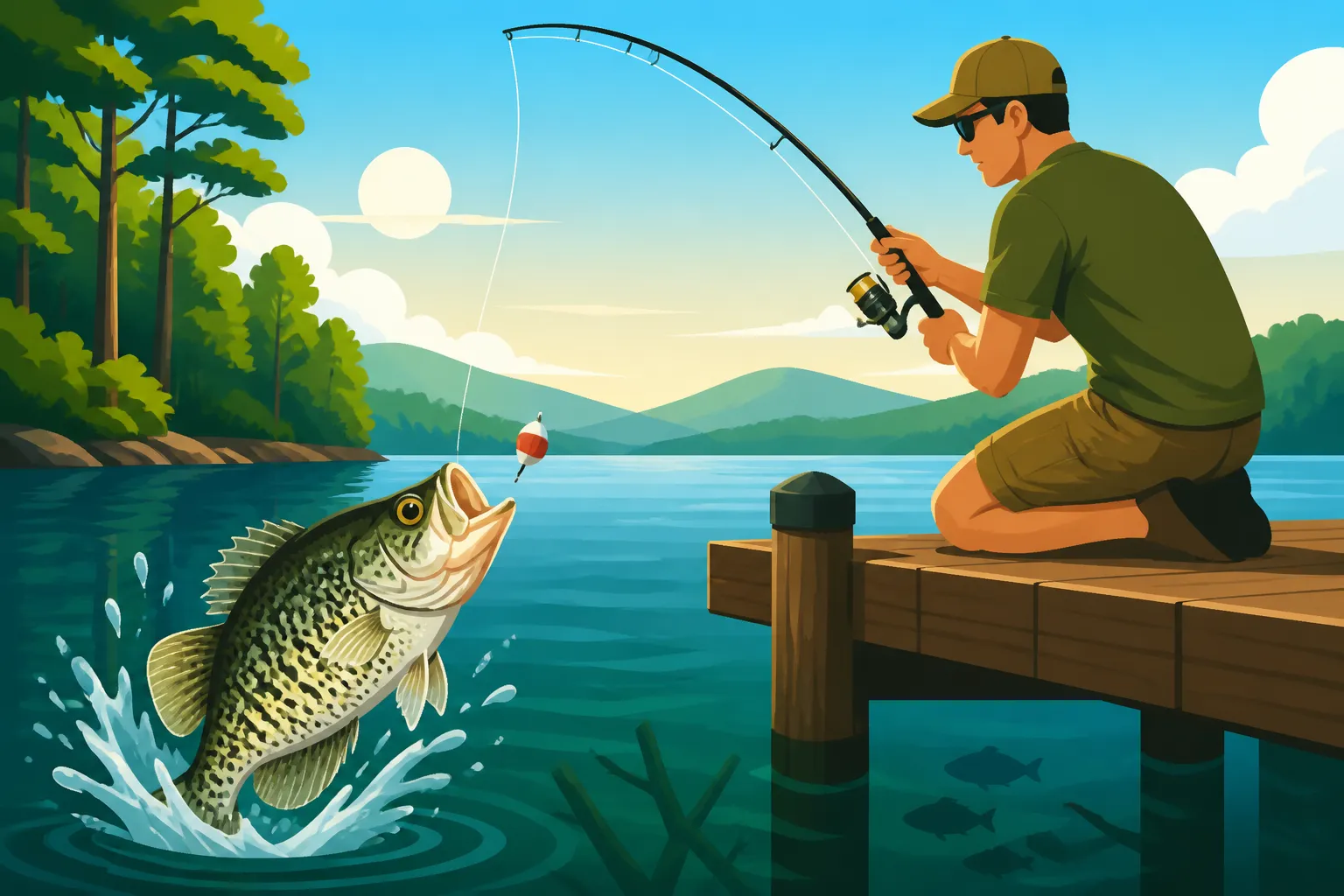
It's hard to beat live minnows for crappie. They are natural food, and crappie simply can't resist them. A small shiner or fathead minnow, hooked lightly through the back or lip, suspended under a bobber, is a classic and highly effective setup. The minnow's natural movements attract crappie, often enticing a bite even from less aggressive fish. You'll want to use a small hook, typically a size 4 or 6 light-wire Aberdeen hook, to avoid harming the minnow too much and allow for easy penetration on a crappie's delicate mouth.
Artificial Jigs
If you prefer artificials, a small jig is your best friend. My tackle box is always stocked with various sizes and colors, and you can find a fantastic selection on platforms like Amazon. Small tube jigs, soft plastic grubs, and hair jigs in 1/32 to 1/16 ounce sizes are incredibly effective. The key is to match the hatch, meaning choose colors and profiles that mimic the baitfish or insects crappie are feeding on in that particular body of water. White, chartreuse, black, and natural shad colors are perennial favorites. Brands like Bobby Garland Baby Shad are incredibly popular and effective. Don't be afraid to experiment with different jig head colors too – sometimes a brightly colored head can make all the difference.
Terminal Tackle and Accessories
Beyond your rod, reel, and primary baits, a few key pieces of terminal tackle and accessories will make your dock crappie fishing trips much more enjoyable and successful.
Bobbers, Hooks, and Weights
A good selection of bobbers is crucial. Slip bobbers are fantastic when you need to fish deeper than your rod length, allowing the line to slide through the bobber and stop at a pre-set depth. Fixed bobbers (the classic red and white ones) are great for shallower presentations. As mentioned, small, sharp Aberdeen hooks (size 4 or 6) are ideal for minnows. For jigs, the hook is integrated into the jig head, but ensure it's sharp. You'll also need a variety of split shot weights to help get your bait down to the desired depth, especially if there's any current or wind. These are tiny weights that you crimp onto your line a few inches above your hook or jig.
Essential Tools for Convenience
No fishing trip is complete without a few practical accessories. A pair of needle-nose pliers or a dedicated hook remover is invaluable for safely extracting hooks, especially from smaller fish. A small, soft-meshed landing net can prevent losing a good crappie right at the dock’s edge, where they often make their last desperate dash. A small cooler or insulated bag to keep your minnows lively (with an aerator, if possible) and your drinks cold is a must. Lastly, a compact tackle box, easily found on Amazon, organized with your jigs, hooks, bobbers, and weights, will keep you efficient and ready for action. You'll also want to be mindful of regulations, and for that, our guide on Virginia's Fishing License and Catch Limit Basics is a great resource.
| Tackle Item | Description | Best Use | Tips for Dock Fishing |
|---|---|---|---|
| Rod | 5-6 ft ultra-light or light spinning rod | Max sensitivity, easy maneuvering | Shorter rod better for confined spaces |
| Reel | Small spinning reel (500-1000 size) | Balances with light rod, smooth drag | Matches light line capacity |
| Line | 4-6 lb test monofilament or fluorocarbon | Sensitive to light bites, less visible | Fluorocarbon for clear water, mono for stretch and forgiveness |
| Live Bait | Small minnows (shiners, fatheads) | Irresistible natural presentation | Hook lightly through lip or back, keep lively |
| Artificial Lure | 1/32 – 1/16 oz jigs (tube, grub, hair) | Versatile, mimics baitfish/insects | Experiment with colors; chartreuse, white, black are popular |
| Bobbers | Slip bobbers for deep water, fixed for shallow | Suspends bait at desired depth, bite indicator | Crucial for precise depth control |
| Hooks | Size 4 or 6 light-wire Aberdeen hooks | For live minnows, easy to remove | Sharpness is key for crappie's soft mouth |
| Weights | Small split shot weights | Gets bait down, controls drift | Use just enough to get to depth, avoid spooking fish |
| Pliers/Remover | Needle-nose pliers or specialized tool | Safely unhooking fish | Essential for quick release and safety |
| Net | Small, soft-mesh landing net | Prevents losing fish at dock's edge | Crappie can tear off easily when lifted out of water |
Effective Techniques for Targeting Dock Crappie
Knowing your gear is one thing, but knowing how to use it effectively around docks is where the true angler shines. Crappie fishing from a dock requires precision, patience, and a bit of stealth.
Vertical Jigging and Dropping
This is arguably the most effective technique for crappie holding tight to dock pilings or submerged brush. The idea is to present your bait or lure directly into their strike zone with minimal disturbance. Start by identifying the most promising areas – deep shade, areas with visible brush, or where you've seen baitfish. Gently drop your minnow under a bobber or your small jig directly down, rather than casting it. Let it sink slowly until it reaches the desired depth.
Once at depth, the retrieve should be minimal. For a minnow, let it swim naturally. For a jig, use a very slow, subtle jigging motion. Think of it as barely twitching the rod tip, just enough to make the jig "dance" slightly. Crappie often hit on the fall or during these pauses, so pay close attention. If you don't get a bite, slowly lift your bait a foot or two, let it sit, then drop it back down. Systematically work different depths until you find where the fish are holding. This method is incredibly precise and allows you to thoroughly cover the vertical column beneath a dock. To better understand how fish react to different temperatures and depths, consider reading up on Water Temperature and Fish Feeding Patterns.
Casting and Retrieving
While vertical jigging is fantastic for fish directly under the dock, crappie often suspend slightly away from the immediate structure, especially during feeding periods or on overcast days when the shade isn't as critical. This is where casting and retrieving comes into play. Use your light tackle to make quiet, accurate casts parallel to the dock, or slightly out from the edges. The key is to cast gently – a loud splash can easily spook crappie.
Once your jig or bait hits the water, allow it to sink to a specific depth, then begin a very slow, steady retrieve. You want the lure to move just fast enough to give it action, but slow enough to entice a crappie to strike. Sometimes, a stop-and-go retrieve, mimicking a stunned baitfish, works wonders. If you're using a jig, try different retrieve patterns: a straight slow reel, small twitches of the rod tip, or even allowing it to "fall" for a moment before continuing the retrieve. Experiment with different depths on your casts – let it sink for 3 seconds, then 5 seconds, then 7, until you find where the crappie are willing to bite. This method allows you to cover more water around the dock edges and pick off those less structure-bound fish.
Stealth and Presentation
Crappie are notoriously wary, and fishing from a dock can sometimes feel like fishing in a fishbowl. Your approach and presentation are paramount to success. First and foremost, be quiet. Avoid stomping on the dock, dropping gear, or making loud noises. Vibrations travel easily through the water and can send crappie scattering. Approach the dock slowly and keep your profile low.
When making casts or drops, aim for soft, subtle entries into the water. A heavy splash can be a major turn-off for crappie. If using a bobber, try to cast it so it lands softly. For jigs, a gentle lob rather than a hard cast can make a difference. Observe the water around the dock. Are there any submerged brush piles or other visible structures? These are prime targets. If you catch a fish, try to remove it quickly and quietly, and release it gently if you're not keeping it. Minimizing disturbance ensures that other crappie in the school remain in the area and continue to bite. Sometimes, being subtle is more important than the perfect lure. For those interested in nighttime angling, remember that Night Fishing Techniques can also be adapted for docks, as the quiet of night provides natural stealth.
Optimizing Your Dock Crappie Fishing Success
Catching crappie from a dock isn't just about dropping a line; it's about understanding the nuances of their environment and adapting your strategy. A few key considerations can significantly boost your chances of success.
Best Times of Day and Weather
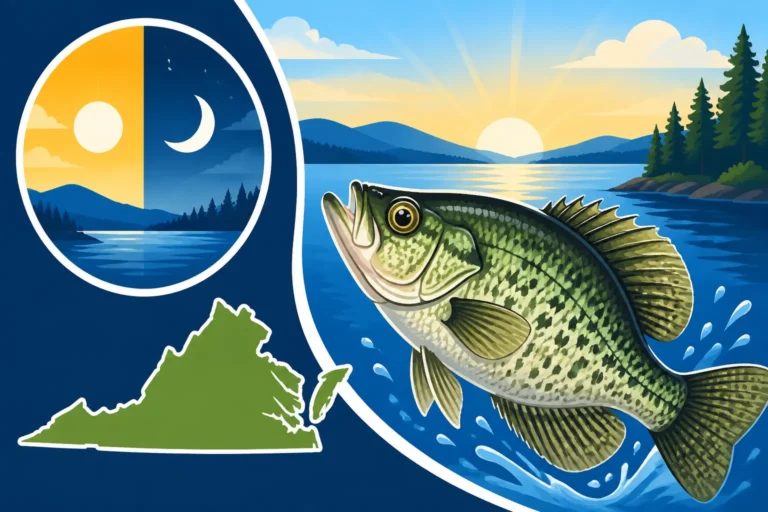
Just like us, crappie have preferred "work" hours. Generally, the low-light periods of dawn and dusk are prime times for crappie activity. The reduced light makes them feel safer to move out from cover and feed more aggressively. During these times, you might find them shallower and more willing to chase. On bright, sunny days, they'll retreat deep into the dock's shadows, making a vertical presentation directly into the darkest pockets essential.
Overcast days or periods just before a weather front can also be incredibly productive. The consistent low light on an overcast day can keep crappie active throughout the day, rather than just at dawn and dusk. Similarly, fish often go on a feeding frenzy just before a cold front or storm rolls in, sensing the change in atmospheric pressure. However, fishing immediately after a strong front has passed can be tough, as fish often become lethargic and less willing to bite. Paying attention to these weather patterns will give you a significant advantage. If you're wondering when the fish are most active, learning about the Best Time of Year for Crappie Fishing in Virginia is a must.
Locating Productive Docks
Not all docks are created equal when it comes to crappie fishing. Some are absolute crappie magnets, while others might be barren. So, what makes a dock productive? Look for docks that offer a combination of features:
- Submerged Structure: The holy grail for dock crappie. Docks with brush piles, old Christmas trees, tire reefs, or even discarded concrete blocks placed nearby are almost guaranteed to hold fish. These provide additional cover and attract even more bait.
- Depth Changes: Docks that extend over a quick depth change, like a drop-off into a channel, provide crappie easy access to both shallow feeding grounds and deeper holding areas.
- Lights: Many docks have lights, especially if they're used at night. These lights attract insects and baitfish after dark, creating a nocturnal buffet for crappie. Fishing around lighted docks at night can be incredibly productive.
- Signs of Baitfish: If you see schools of minnows flickering around a dock, it’s a strong indicator that predators, including crappie, are likely nearby.
- Location: Docks in protected coves, near creek channels, or adjacent to natural vegetation often hold more fish than isolated docks on open main lake points. For specific locations, our guide on Best Crappie Fishing Lakes in Virginia can point you in the right direction.
When you find a promising dock, work it thoroughly. Don't just make a few casts and move on. Systematically fish all sides, all depths, and around every piling.
Ethical Considerations and Conservation
As anglers, we have a responsibility to respect the environment and the rights of others. When fishing from private docks, always ensure you have permission from the property owner. Trespassing is not only illegal but also gives all anglers a bad name. If you're fishing from a public pier or dock, be mindful of others sharing the space and follow all posted rules. Many public docks are located within Virginia State Parks and offer excellent opportunities.
Beyond property rights, adhere strictly to Virginia's fishing regulations regarding creel limits and size restrictions for crappie. These rules are in place to ensure healthy fish populations for future generations. If you're catching a lot of small crappie, consider practicing catch and release, especially for the larger "slab" crappie, which are vital for a healthy breeding stock. Take only what you need, and handle fish gently if you plan to release them. Proper conservation ensures that the joy of catching crappie from a dock will continue for years to come. If you're unsure about the rules, a quick look at Virginia Fishing Regulations Explained will set you straight.
Fishing for crappie from a dock offers a wonderfully accessible and often highly rewarding experience for anglers of all skill levels. By understanding their behavior, using the right gear, and employing effective, stealthy techniques, you can turn those seemingly passive docks into your personal crappie hotspots.
Disclaimer
This article is for general informational purposes only and does not constitute professional advice. Laws, prices and regulations vary by location and change over time. Consult a qualified professional for guidance on your specific situation.