How to Catch Bass After a Cold Front
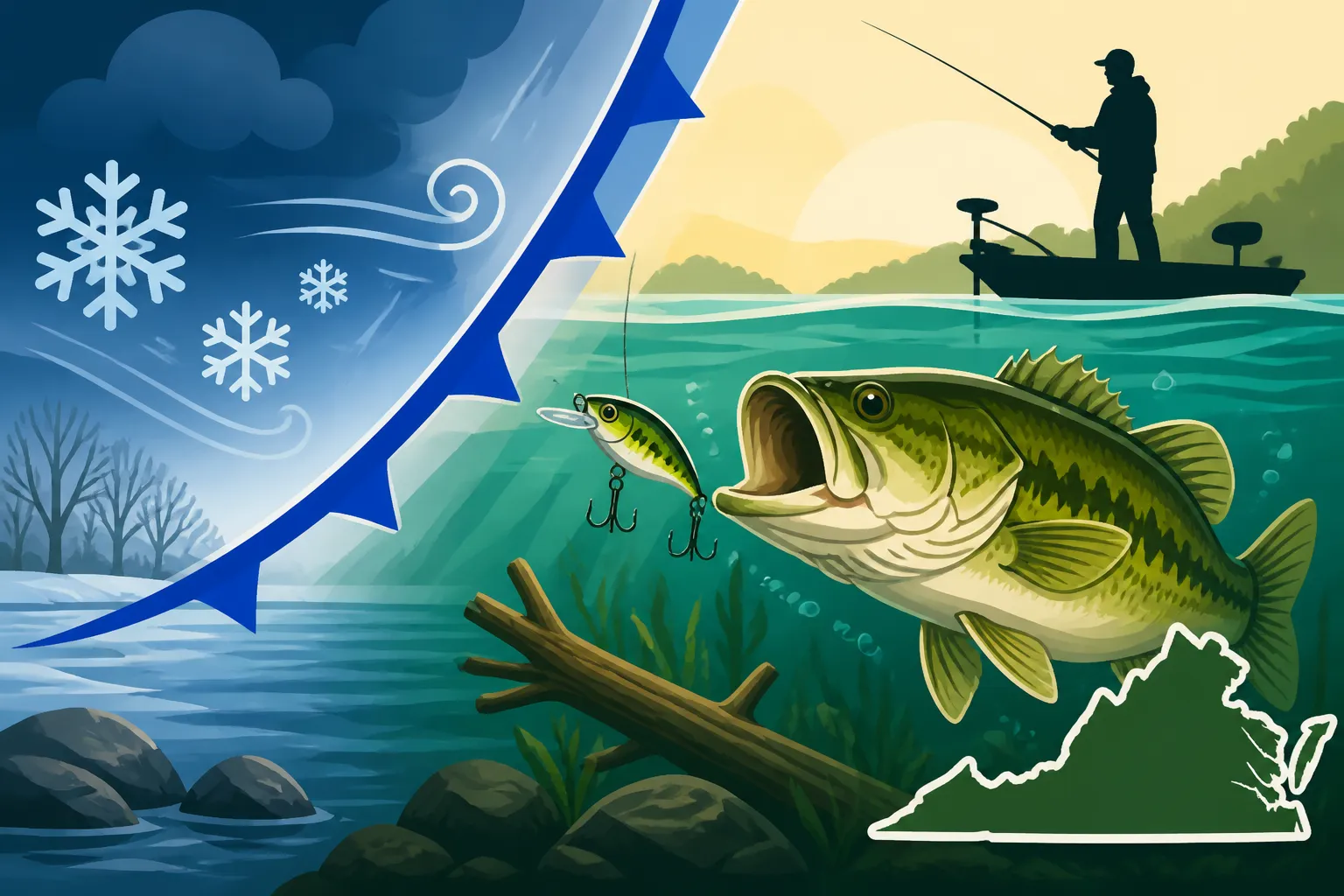
There's nothing quite as frustrating for a Virginia angler as having a fantastic bass bite suddenly shut down after a cold front rolls through. One day the bass are aggressive, chasing everything you throw at them, and the next they're completely shut off, hugging the bottom or suspended motionless. This guide is dedicated to helping you understand why bass behave this way after a drastic weather change and, more importantly, how to adapt your strategy to still put fish in the boat.
Understanding the Impact of a Cold Front on Bass in Virginia
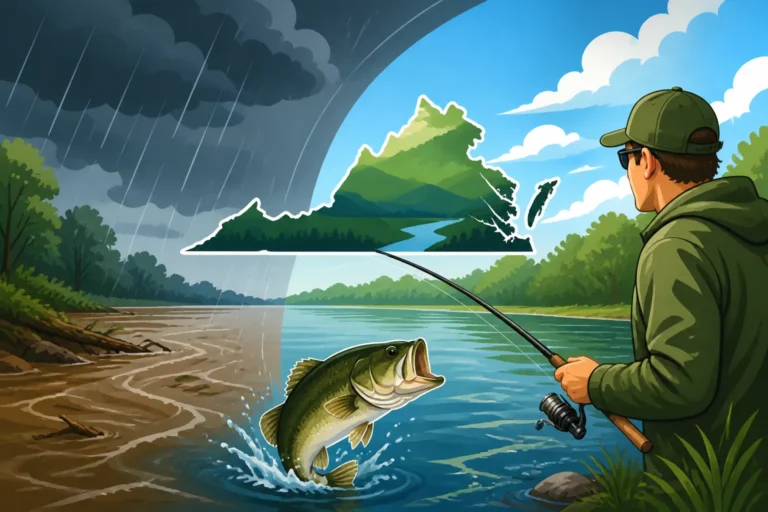
A cold front isn't just a slight drop in temperature; it's a profound atmospheric change that can send shockwaves through an aquatic ecosystem, especially for a sensitive species like bass. When a high-pressure system follows a cold front, it compresses the water, making fish uncomfortable and altering their environment drastically.
How Cold Fronts Affect Water Temperature and Clarity
The most immediate and obvious impact of a cold front is the drop in air temperature, which, in turn, can rapidly cool the surface water of lakes and rivers across Virginia. Think about your favorite fishing hole, be it the vast expanse of Smith Mountain Lake Fishing Guide or a smaller pond tucked away in the Piedmont. Before the front, the sun might have warmed the shallows, making bass active. After the front, that comfortable water can quickly become chilly, forcing bass to seek out more stable temperatures.
Beyond temperature, cold fronts often bring clear, bluebird skies and high barometric pressure. While a sunny day sounds lovely, this increased light penetration can make bass feel exposed, especially if the water itself is clear. They’ll often shy away from bright, open areas and seek refuge in darker, denser cover. The sudden change in pressure can also make them feel "heavy" or lethargic, impacting their swim bladder and overall comfort, leading to a significant reduction in their feeding activity.
Bass Behavior: From Aggressive to Lethargic
Before a cold front hits, bass are often on the hunt, taking advantage of stable weather and comfortable conditions. They might be shallow, actively chasing baitfish, and striking lures with gusto. This is often when you'll experience those exhilarating topwater bites or aggressive crankbait grabs. However, once that cold front passes, it's like a switch flips. The aggressive feeding ceases almost entirely.
Instead of actively hunting, bass become lethargic and often suspend themselves in the water column or bury themselves deep into cover. They become incredibly finicky, requiring a much more subtle presentation and often ignoring anything that isn't placed directly in front of their faces. This isn't because they're gone; it's because their metabolism slows, their comfort level drops, and they become highly defensive. They might even suffer from a mild form of shock, making them less willing to expend energy chasing down a meal. This dramatic shift is why many anglers struggle with Fishing Techniques After a Cold Front.
The Physiological Stressors on Virginia Bass
It's not just about comfort; a cold front introduces significant physiological stressors for bass. The sudden drop in temperature can stress their internal systems, making them less efficient at digestion and energy regulation. The high barometric pressure can affect their swim bladder, making it harder for them to maintain buoyancy at certain depths without expending extra energy. This discomfort makes them prioritize conserving energy over feeding.
Furthermore, with clearer water and brighter skies, bass become more sensitive to light and movement. Their natural instincts tell them to seek shelter, making them retreat to the densest brush piles, the deepest ledges, or the darkest shadows. They are essentially going into "survival mode," and convincing them to bite during this period requires a profound understanding of these stressors and a highly adaptable approach to your fishing strategy.
Adjusting Your Strategy: Lures and Techniques for Post-Front Bass
When the weather turns sour after a cold front, you can't keep fishing the same way you did yesterday. The key to success is to slow down, scale down, and get right in their face. This isn't about covering water quickly; it's about precision and patience.
Slowing Down Your Presentation: Finesse is Key
Forget fast retrieves and power fishing. Post-front bass demand a finesse approach. This means slowing everything down to a snail's pace. If you think you're fishing slow enough, slow down even more. A common mistake anglers make is working their lures too quickly, effectively moving them right past a finicky bass that won't chase.
For example, when fishing a jig, let it sit on the bottom for extended periods – sometimes 10, 15, or even 30 seconds – before making a tiny hop or drag. The idea is to make the lure seem like an easy, effortless meal. Bass aren't expending energy chasing, so you need to bring the meal to them in the most non-threatening way possible. This slow, deliberate approach is crucial for getting those reluctant bites, especially when the Water Temperature and Fish Feeding Patterns are out of sync.
Choosing the Right Lures for Finicky Bass
When bass are shut down, they're less likely to react to flashy, aggressive baits. Instead, opt for subtle, natural-looking presentations that imitate easy prey.
- Jigs: A classic choice. Rubber skirted jigs, particularly those with a chunk trailer, are excellent for imitating crawfish or small baitfish. Think of brands like Strike King or Z-Man. Black and blue, green pumpkin, or dark shades often work best in clear, cold water. Let them fall slowly, crawl them on the bottom, and dead stick them.
- Shaky Heads and Finesse Worms: These are phenomenal for post-front conditions. A small, straight-tailed worm on a shaky head jig offers a natural, subtle quiver with minimal effort. You can find excellent shaky head worms from Berkley or Zoom on Amazon. Cast them to cover, let them sink, and just gently shake your rod tip, letting the worm do the work.
- Drop Shots: When bass are suspended or hugging specific pieces of structure, a drop shot rig is hard to beat. It allows you to present a small worm or creature bait directly at the fish's eye level without the weight dragging it down. This is particularly effective on deeper ledges or humps in lakes like Lake Anna Fishing Guide.
- Neds Rigs: The Z-Man TRD worm on a Mushroom Jighead is a small, buoyant presentation that stands up off the bottom, mimicking a foraging baitfish. It's incredibly subtle and has a way of coaxing bites from the most stubborn bass.
- Blade Baits and Small Spoon: If bass are suspended in open water or along vertical drops, a small blade bait or spoon, vertically jigged, can sometimes trigger a reaction strike. The flash and vibration can sometimes be just enough to irritate a sluggish bass into biting, but this is often a more aggressive option for when they start to slightly rebound.
| Lure Type | Best Use Case | Typical Presentation | Pros | Cons |
|---|---|---|---|---|
| Jigs | Dense cover, mimicking crawfish/baitfish | Slow drag, hop, dead stick | Versatile, weedless options, natural fall | Can get snagged easily in heavy cover |
| Shaky Heads | Rocky bottoms, open water, subtle action | Gentle rod tip shakes, slow drag | High hook-up ratio, subtle quiver, effective on clear line | Not ideal for heavy vegetation |
| Drop Shots | Suspended bass, specific depths, vertical structure | Hovering bait at target depth, minimal movement | Excellent for suspended fish, precise depth control | Can be finicky to tie, light line often required |
| Ned Rigs | Any bottom contact, super finesse | Dead stick, short hops, standing presentation | Extremely effective on lethargic fish, simple | Smaller profile may not attract larger fish as much |
| Small Crankbaits | Light cover, points (when they're slightly active) | Slow retrieve, occasional pause | Covers water, good for reaction strikes | Less effective on truly shut-down bass |
Bait Color and Size Considerations
After a cold front, clear skies often lead to clearer water. This means natural colors become paramount. Green pumpkin, watermelon red, brown, black and blue, or subtle shad patterns are usually winners. Avoid bright, flashy colors unless you're trying to elicit a reaction strike from slightly more active fish (which is rare immediately after a severe front).
Size also matters. Downsize your baits. Instead of a 10-inch worm, opt for a 4- or 5-inch finesse worm. Instead of a 1/2 oz jig, try a 1/4 oz or 3/8 oz. A smaller profile appears less intimidating and more like an easy, digestible meal for a bass that isn't keen on expending much energy. Think about what a stressed bass would want to eat – something small, easy, and right in front of its face. You can find a huge variety of these smaller baits on Amazon to stock your tackle box. For tips on choosing the right presentation, check out Best Bait for Largemouth Bass in Virginia.
Finding Bass After a Cold Front: Location, Location, Location
Bass don't just disappear after a cold front; they relocate to areas that offer comfort, stability, and security. Your job is to understand where they're heading and why.
Targeting Deeper Water and Cover
The first instinct of a bass when faced with a cold front is to seek stable temperatures. Deeper water maintains a more consistent temperature than the shallow areas, which can cool rapidly. Look for deep ledges, humps, creek channels, and submerged timber. In reservoirs like Claytor Lake Fishing Spots and Tips, bass might move to the main lake points that drop off into deep water or suspend over deep structure.
Beyond depth, bass crave cover for security. With clear skies and increased light penetration, they feel vulnerable in open water. Look for the densest brush piles, thick submerged grass beds, rock piles, or docks with deep water access. They will often bury themselves deep within this cover, making precise casts essential. Sometimes, the fish will be literally tucked under the thickest part of a downed tree or deep within a brush pile, demanding a very accurate pitch or flip to get your bait into their strike zone. This is a common tactic used in Winter Bass Fishing Techniques.
The Importance of Sun-Warmed Areas
While deeper water offers stability, sometimes bass will move to sun-warmed areas, especially later in the day after the sun has had a chance to penetrate the water. Look for north-facing banks (in the Northern Hemisphere) that receive direct sunlight for prolonged periods. These areas, particularly those with dark rock or mud bottoms, can absorb heat and slightly raise the water temperature, making bass a little more comfortable.
Small pockets, coves, or protected areas out of the direct wind can also warm up faster. It might only be a degree or two warmer, but that can be enough to draw a few sluggish bass out of the deepest cover. These are prime spots for throwing those finesse jigs or shaky heads, working them incredibly slowly, hoping to entice a bite from a bass that's just starting to feel a tiny bit better.
Finding Structure and Transition Zones
Bass are creatures of structure, and this becomes even more pronounced after a cold front. Look for transitions where different types of cover meet, or where shallow water abruptly drops into deep water. These transition zones offer bass the best of both worlds: nearby shallow feeding grounds (if they decide to become active) and immediate deep-water refuge.
- Ledge fishing: One of the most effective strategies is to target offshore ledges. Bass will often position themselves on the deeper side of the ledge, just before the drop-off, or sometimes on top of it if there's sufficient cover. Use your electronics to find these contours and any baitfish or bass congregated there.
- Creek Channel Bends: Submerged creek channels are highways for bass. During a cold front, they'll often position on the deeper bends or where the channel intersects with a main lake point.
- Bridge Pilings and Docks: These man-made structures provide vertical cover and often have deep water nearby. Fish the shady sides and the base of the pilings very thoroughly.
- Stumps and Isolated Rocks: Don't overlook isolated pieces of cover, especially if they are in deeper water. A single stump on a flat might hold the only bass for acres. Precision casting and a slow, vertical presentation are often key here.
Remember, after a cold front, fish are often tightly grouped. If you catch one, there's a good chance there are more nearby. Work the area thoroughly before moving on. For deeper dives on finding fish using technology, check out How to Find Fish From a Boat With a Fish Finder.
Essential Gear and Tips for Cold Front Bass Fishing
Successfully catching bass after a cold front isn't just about lures; it's about having the right tools and the right mindset.
Rod and Reel Setups for Finesse Fishing
When you're fishing slowly and with light baits, your tackle needs to match.
- Spinning Gear: This is your bread and butter for finesse techniques. A medium-light to medium power spinning rod, typically 6'6" to 7'2" in length, with a fast action tip, is ideal. The fast action allows for sensitive bite detection and quick hook sets with lighter lines and hooks. Pair this with a 2000-3000 size spinning reel. Brands like Shimano or Daiwa offer excellent options that you can often find great deals on via Amazon.
- Baitcasting (Light) Gear: While spinning is dominant, some anglers prefer baitcasting for certain finesse presentations like small jigs or shaky heads, especially in slightly heavier cover where more backbone is needed. For this, opt for a medium-light to medium power casting rod with a sensitive tip, paired with a high-quality baitcasting reel with a smooth drag system.
The key is sensitivity. You need to feel those incredibly subtle "thumps" or spongy feelings that signify a bite from a lethargic bass. A sensitive rod will transmit every tiny piece of information from your lure.
Line Choices for Subtle Bites
Your fishing line is the crucial connection between you and the fish, and it plays an even more critical role after a cold front.
- Fluorocarbon Line: This is often the top choice for post-front conditions. Fluorocarbon is nearly invisible underwater, has very little stretch (enhancing sensitivity), and sinks, which helps your finesse baits get down and stay down. Use 6-10 lb test for most applications. Its low visibility is crucial in the clear water that often follows a cold front. You can pick up spools of your preferred fluorocarbon from brands like Seaguar or Berkley on Amazon.
- Braided Line with Fluorocarbon Leader: Many anglers prefer the ultimate sensitivity of braided line. If you go this route, always tie on a fluorocarbon leader (4-8 feet) to the end of your braid. The braid gives you incredible feel for subtle bites and casts a mile, while the fluorocarbon leader maintains stealth in clear water. This setup is particularly useful when targeting bass that might be deeper.
- Monofilament: Generally, monofilament is less ideal for cold front bass due to its stretch and higher visibility. However, some anglers might use it for very light topwater presentations (which are rare in cold front conditions) or for specific shallow-water applications where its buoyancy is an advantage.
The goal is always maximum sensitivity and minimum visibility. This approach maximizes your chances of detecting those incredibly soft bites.
Patience and Persistence: The Angler's Mindset
Perhaps the most critical "tool" in your tackle box after a cold front is patience. These conditions test even the most seasoned angler. You might go hours without a bite, or only get one or two all day. Don't let it discourage you. Each cast is an opportunity, and each subtle tap could be the fish you're looking for.
- Work an Area Thoroughly: Don't make a few casts and move on. If you've identified a promising piece of cover or structure, work it from every angle, with different presentations, and at excruciatingly slow speeds. A bass might not bite on the first five casts, but a perfectly presented bait on the sixth might just trigger a reaction.
- Stay Positive: Frustration is your enemy. Maintain a positive mindset, focus on the details, and trust your finesse techniques. Every small adjustment can make a difference.
- Learn from Every Cast: Pay attention to where you get a bite, even if you miss it. Was it on a rock? Near a stump? At a specific depth? These clues are invaluable for piecing together the puzzle of where the bass are holding and what they might be willing to bite on that particular day.
Remember, fishing after a cold front isn't about numbers; it's about the satisfaction of cracking the code and outsmarting those finicky bass. Good luck out there, Virginia anglers! You might even find some useful insights on Spring Bass Fishing Patterns that can translate to post-front conditions.
Disclaimer
Please remember that fishing regulations, including seasons, bag limits, and size restrictions, can change. Always consult the official Virginia Department of Wildlife Resources (DWR) website or their current fishing regulations guide before heading out on the water. This guide provides general information and should not be considered legal advice or a substitute for official regulations.