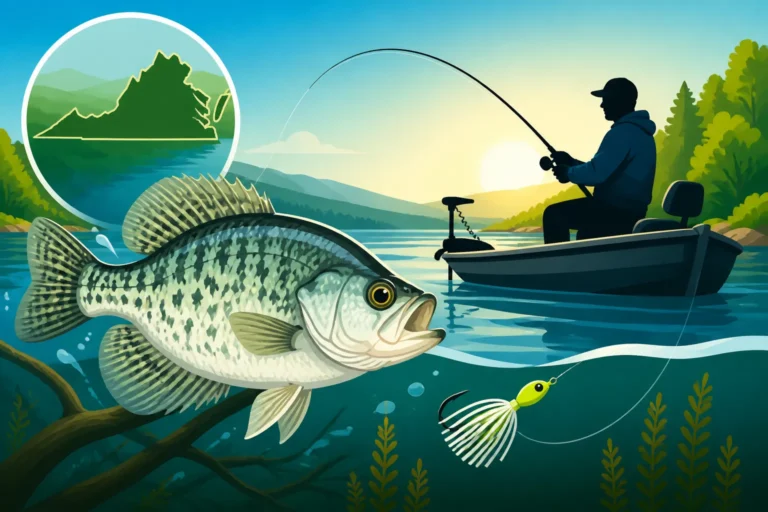
When Do Bass Spawn in Virginia Lakes
For any angler in Virginia, few things are as exciting or, let's be honest, as confusing, as figuring out when the bass are going to spawn. You hear whispers of "the bite is on" or "they're on the beds," and suddenly you're scrambling, trying to calculate if you've missed the magic window. It's a real frustration, isn't it? This guide is designed to demystify the bass spawn in Virginia lakes, helping you understand the triggers, timing, and what to expect when this crucial period arrives.
Understanding the Bass Spawn Cycle in Virginia
The bass spawn isn't just a single event; it's a multi-stage process that bass go through each spring as water temperatures warm up. Thinking of it as a cycle – pre-spawn, spawn, and post-spawn – will help you anticipate their movements and behaviors, making your time on the water much more productive.
The Pre-Spawn Rush: Bulking Up for the Big Event
Before bass even think about making beds and laying eggs, they enter what we call the pre-spawn phase. This is arguably one of the best times to catch large, aggressive bass. Their biological clock is ticking, telling them it's time to reproduce, but they also know they need to pack on calories to sustain themselves through the energy-intensive spawning process.
During pre-spawn, you'll find bass moving from their deeper wintering grounds towards shallower areas, often staging on secondary points, submerged humps, or channel swings adjacent to prime spawning flats. They're actively feeding, chasing baitfish like shad and sunfish, and looking for easy meals. This is when you can often tempt them with fast-moving baits like crankbaits, spinnerbaits, or even jerkbaits. The water temperature typically ranges from the mid-40s to low 50s Fahrenheit during this period. Anglers often refer to this as the 'feeding frenzy' before the real work begins, and knowing these Pre-Spawn Bass Fishing Tips can make a huge difference.
The Main Event: When Bass Are on the Beds
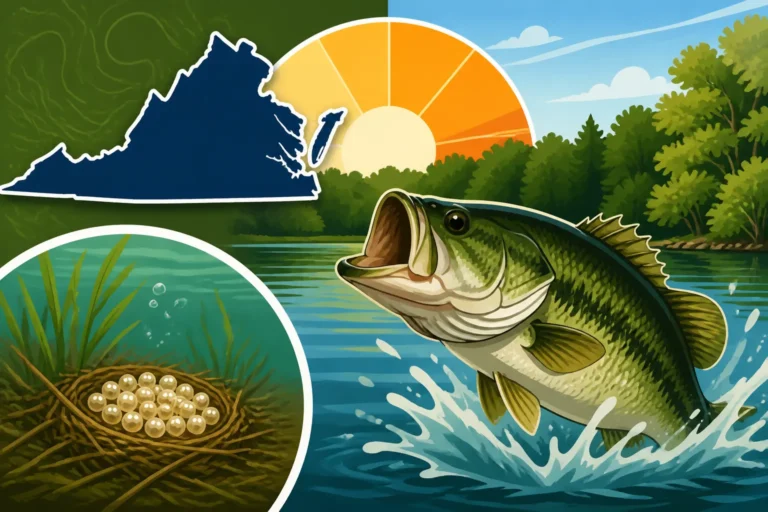
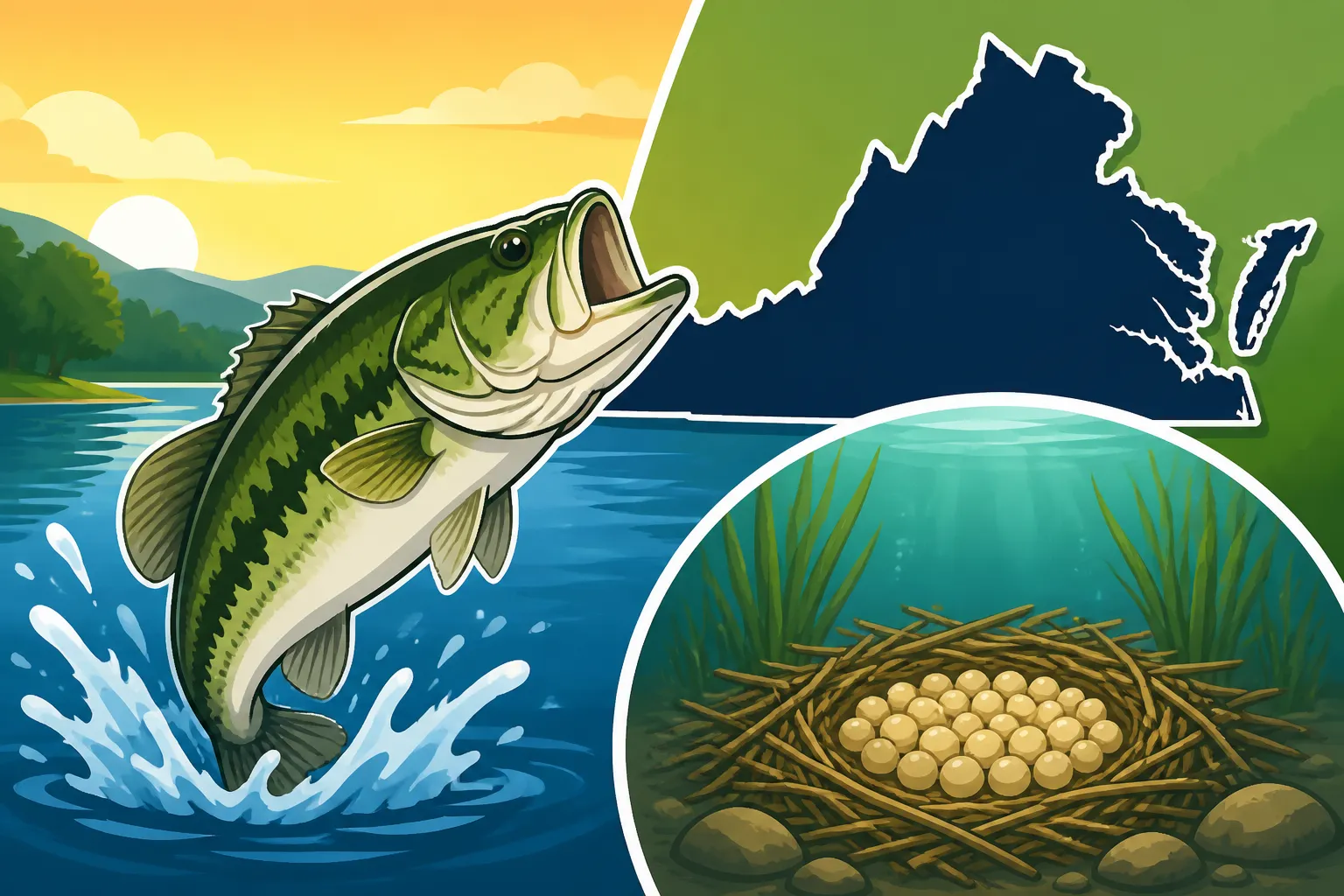
This is what most anglers mean when they talk about "the spawn." The actual spawning period occurs when water temperatures consistently reach the mid-50s to low 60s Fahrenheit. For largemouth bass, this usually means anywhere from 58 to 68 degrees, while smallmouth bass tend to spawn a bit earlier, preferring temperatures from 55 to 65 degrees. It's during this time that male bass move into shallow, protected coves and flats, fan out circular depressions on the bottom (the "beds"), and wait for a female.
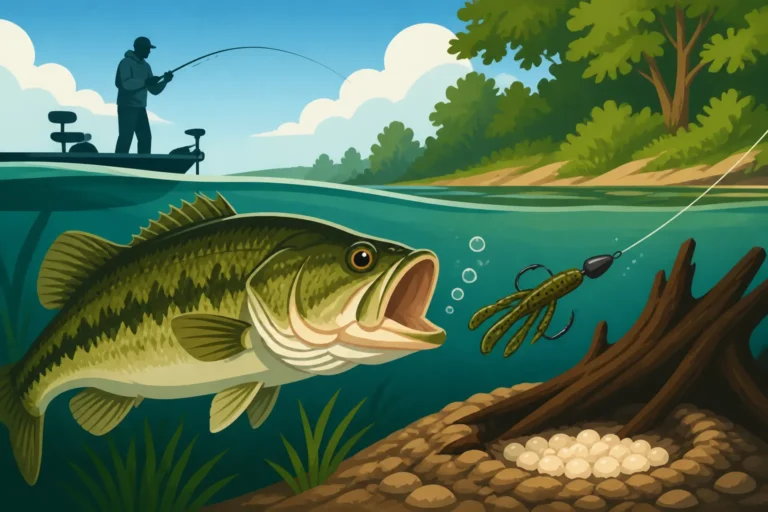
Once a female arrives, she lays her eggs, which the male then fertilizes and guards. This is a highly visual time for fishing. You can often see the bass on their beds in clear, shallow water. They become extremely territorial and aggressive towards anything that approaches their nest, making them vulnerable to precise lure presentations. It's important to remember that while this can be an exciting time to fish, targeting bedding bass requires a delicate touch and an understanding of the impact on their reproductive cycle. Many anglers practice catch-and-release with bedding fish to ensure future generations. Learning How to Catch Bass During the Spawn often involves sight fishing and specific soft plastic presentations.
Post-Spawn Blues: Recovering and Scattered Feeding
Once the eggs are laid and fertilized, the female bass often retreats to slightly deeper water to recover from the ordeal. She's typically exhausted and less interested in feeding for a short period. The male, however, remains on the bed for a while longer, guarding the eggs and newly hatched fry until they disperse.
After the fry have scattered, the male will also begin to recover. This post-spawn phase can be a bit tougher for anglers, as bass are more scattered and less predictable. They're still somewhat sluggish but will start feeding again to regain their strength. You'll often find them relating to cover near spawning areas, like submerged grass, docks, or brush piles, as they transition back to their normal feeding patterns. Look for them in slightly deeper water than during the peak spawn, but still relatively shallow compared to their winter haunts. Understanding How to Catch Bass After the Spawn involves adjusting your techniques to their recovering state and scattered locations.
Factors Influencing Bass Spawn Timing in Virginia
While water temperature is the undeniable king when it comes to triggering the bass spawn, it's not the only factor at play. Several other elements can influence exactly when and how the spawn unfolds in any given Virginia lake, causing those frustrating variations that make planning a fishing trip so tricky.
The Critical Role of Water Temperature
Let's reiterate: water temperature is paramount. Bass are cold-blooded creatures, and their metabolic processes, including reproduction, are directly linked to the temperature of their environment. As mentioned, largemouth bass typically initiate spawning activities when water temperatures reach a sustained 58-68 degrees Fahrenheit, with smallmouth bass often starting a few degrees cooler.
But it's not just hitting that magic number; it's about sustained warmth. A sudden warm spell that pushes the water temperature up for a day or two, followed by a sharp cold front, can actually delay or even pause the spawn. Bass might move up into the shallows, start fanning beds, and then retreat if the water cools down too much. This makes watching weather patterns and water temperature gauges essential. Many dedicated anglers use specialized thermometers or their boat's fish finder to keep a close eye on these crucial readings. You can find reliable waterproof thermometers easily on Amazon to add to your tackle box. This sensitivity to temperature explains why the Water Temperature for Bass Fishing in Virginia is a constant topic of conversation among seasoned anglers.
Lake Type and Size: Shallow vs. Deep, Clear vs. Murky
The characteristics of a specific lake also play a significant role.
- Shallow, Smaller Lakes/Ponds: These bodies of water tend to warm up much faster in the spring than large, deep reservoirs. As a result, the bass spawn in smaller impoundments or farm ponds often kicks off earlier in the season. The shallower water absorbs sunlight more efficiently, bringing it to optimal spawning temperatures quicker.
- Deep, Large Reservoirs: Lakes like Smith Mountain Lake or Lake Anna, with their vast expanses and significant depth, take longer to warm up. The sheer volume of water means that surface temperatures might hit the "magic number" but the overall water column, especially in the areas bass stage, will lag. This can mean a later start to the spawn compared to smaller waters.
- Water Clarity: Clearer lakes tend to have earlier and more defined spawns. Sunlight penetrates deeper, warming the shallow areas more effectively. In highly stained or murky lakes, the spawn might be delayed slightly, and bass might opt for shallower areas than usual to get enough light and warmth for their beds.
Weather Patterns: Cold Fronts and Warming Trends
Virginia's spring weather can be notoriously fickle. One week you're enjoying warm, sunny days, and the next, a cold front rolls through, dropping air temperatures and bringing rain. These fluctuations have a direct impact on the bass spawn.
- Warming Trends: Extended periods of stable, warm weather, especially with sunshine, will accelerate the spawn. This is when bass push hard into the shallows, actively seeking out bedding areas.
- Cold Fronts: A significant cold front can be a real spawn killer, or at least a temporary pause button. As air temperatures drop, so do shallow water temperatures. Bass that were actively bedding might pull back to deeper water, suspend, or become very lethargic and difficult to catch. It can take several days of renewed stable, warm weather for them to resume spawning activities. This unpredictable nature of spring weather is why even the Best Time of Year for Bass Fishing in Virginia can be challenging to pinpoint exactly.
Regional Variations: Northern vs. Southern Virginia Lakes
Virginia is a long state, stretching from the temperate coastal plains to the cooler Appalachian mountains. This geographical diversity means that while the general principles of bass spawning remain the same, the timing can vary considerably from one region to another. What's happening on Lake Gaston in the south might be weeks ahead of what's happening on a mountain lake in the west.
Southern Virginia: Early Bloomers
Lakes in southern Virginia, closer to the North Carolina border, generally experience warmer air and water temperatures earlier in the spring. This includes major impoundments like Lake Gaston and the sprawling Kerr Lake (also known as Buggs Island Lake).
- Lake Gaston & Kerr Lake (Buggs Island): These vast lakes, straddling the Virginia-North Carolina line, are often among the first to see significant bass spawning activity. Depending on the severity of the winter and the progression of spring, you can often find bass on beds as early as late March, with peak spawning hitting throughout April. The warmer climate means the water reaches those critical 58-68 degree thresholds sooner. Anglers looking for an early spawn often head to these waters first. For instance, the Kerr Lake Fishing Guide for Beginners often details the early spring opportunities.
Central and Eastern Virginia: The Core Season
The central and eastern parts of the state, including popular spots like Lake Anna and the tidal rivers, usually fall into the heart of the traditional spring spawn window.
- Lake Anna: This powerhouse fishery often sees its largemouth bass spawn kick off in earnest in mid-April and continue well into May. Its unique "hot side" (influenced by the power plant) can sometimes hold bass in earlier stages of the spawn compared to the rest of the lake, offering a slightly extended window for some pre-spawn action. The Lake Anna Fishing Guide is a fantastic resource for understanding its specific nuances.
- Tidal Rivers (James, Chickahominy, Rappahannock): These rivers, with their vast shallow backwater ponds and creeks, also follow a similar timing to central Virginia lakes. The spawn here can be influenced by river flow and clarity, but generally, late April through May is prime time for their largemouth bass.
Western and Mountain Lakes: Later Arrivals
As you move west into the mountainous regions of Virginia, the spring often arrives later, bringing cooler temperatures and thus a delayed bass spawn.
- Smith Mountain Lake: While a huge and productive lake, its mountain-fed waters and higher elevation mean it generally warms up later than its southern and eastern counterparts. The bass spawn here typically begins in late April, with the peak often extending through May and sometimes even into early June, especially in the deeper, cooler sections. The sheer size of the lake also means the spawn can be drawn out, with different sections of the lake hitting their prime at slightly different times. For a full breakdown, check out the Smith Mountain Lake Fishing Guide.
- Other Mountain Lakes (e.g., Claytor Lake, Philpott Lake): These lakes will often follow a similar later trend, with the spawn peaking in May and sometimes continuing into early June, especially for smallmouth bass which inhabit many of these cooler, clearer waters.
It's a good rule of thumb to think about Virginia's bass spawn moving northward and westward as spring progresses. What starts in Lake Gaston in late March might not be in full swing on Smith Mountain Lake until mid-May. Keeping an eye on localized reports and real-time water temperature data is far more effective than relying on broad statewide predictions. This regional variation is why Virginia offers some of the Best Lakes for Trophy Largemouth Bass in Virginia across different timelines.
Fishing Strategies During the Bass Spawn in Virginia
Successfully fishing during the bass spawn requires adapting your techniques to the specific phase of the cycle and the behavior of the fish. Remember, while the thrill of catching a big bedding bass is undeniable, ethical angling practices, like careful handling and catch-and-release, are vital to protect this crucial reproductive period.
Pre-Spawn Tactics: Aggressive and Fast-Moving
During the pre-spawn, bass are actively feeding and can be quite aggressive. This is the time to cover water and present baits that mimic their natural forage.
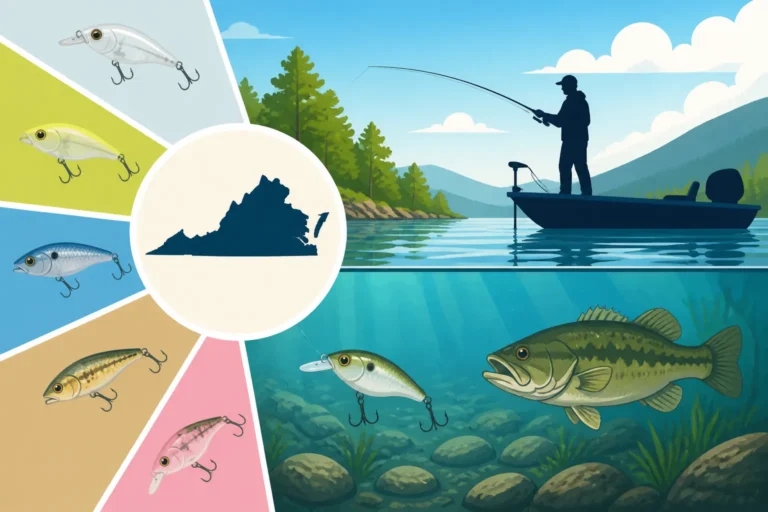
- Crankbaits: Medium-diving crankbaits that reach depths of 5-15 feet are excellent for probing points, humps, and channel swings where bass are staging. Look for colors that match baitfish in the lake, like shad patterns or crawfish imitations. Try brands like Strike King or Rapala, which offer a wide range of effective options available on Amazon.
- Spinnerbaits: Chartreuse and white spinnerbaits with tandem willow leaf or Colorado blades are superb in stained water or on overcast days. Fish them slowly around submerged timber, docks, and grass lines. The flash and vibration really get a bass's attention as they cruise for a meal.
- Jerkbaits: Suspending jerkbaits are fantastic in clear water. Work them with a "twitch, pause, twitch, pause" retrieve to mimic a wounded baitfish. The long pauses can be irresistible to a pre-spawn bass that's looking for an easy meal without expending too much energy.
Spawn Tactics: Precision and Presentation
When bass are on the beds, the game changes dramatically. It becomes more about precision, patience, and triggering a territorial strike rather than a feeding one.
- Sight Fishing: In clear water, if you can see the bed and the bass, this is your primary technique. Cast a soft plastic lure (like a lizard, creature bait, or stick worm) onto the bed or just past it, then slowly drag it into the nest. The goal is to annoy the bass into striking.
- Soft Plastics: Texas-rigged worms, Senkos, creature baits, and jigs with plastic trailers are go-to choices. Colors often don't matter as much as presentation, but natural colors (green pumpkin, watermelon) or bright white (for visibility) can be effective.
- Targeting Cover: If the water is murky and you can't see beds, focus on areas with shallow cover where bass would typically spawn – docks, fallen trees, brush piles, and shallow grass beds. Flip or pitch jigs and soft plastics into these areas, working them slowly. Remember to look for the signs of disturbed bottom, which indicate a fanned-out bed.
Post-Spawn Tactics: Finesse and Structure
As bass recover from the spawn, they often hold tight to cover in slightly deeper water. They might not be as aggressive, so finesse tactics often shine.
- Wacky Rigs and Ned Rigs: These presentations are subtle and effective for lethargic bass. A weightless wacky-rigged Senko or a small Ned rig jighead with a soft plastic worm are fantastic for pitching around docks, brush, and grass edges. Let them sink slowly on a slack line.
- Topwater (Later Post-Spawn): As water temperatures continue to rise and bass recover more fully, topwater baits can become incredibly effective, especially during low light conditions (dawn, dusk, or overcast days). Buzzbaits, walking baits, and poppers can draw explosive strikes from recovering bass guarding fry or moving into active feeding mode.
- Dropshot Rigs: For bass that have pulled out to slightly deeper structure, a dropshot rig allows you to present a small plastic worm or creature bait right in their strike zone without much weight interfering with its natural action. This is particularly effective for smallmouth bass in deeper, clear lakes.
Remember that fishing during the spawn requires patience and keen observation. Sometimes, a bass on a bed will ignore your bait for minutes before finally getting irritated enough to strike. Staying focused and making repeated, accurate casts can pay off big. Also, be mindful of your impact; handle fish gently and release them quickly to ensure the continued health of Virginia's incredible bass fisheries.
Disclaimer
The information provided in this guide is for general informational purposes only. Fishing regulations, seasons, and license requirements in Virginia are subject to change. Always consult the latest Virginia Department of Wildlife Resources (DWR) regulations before heading out on the water.