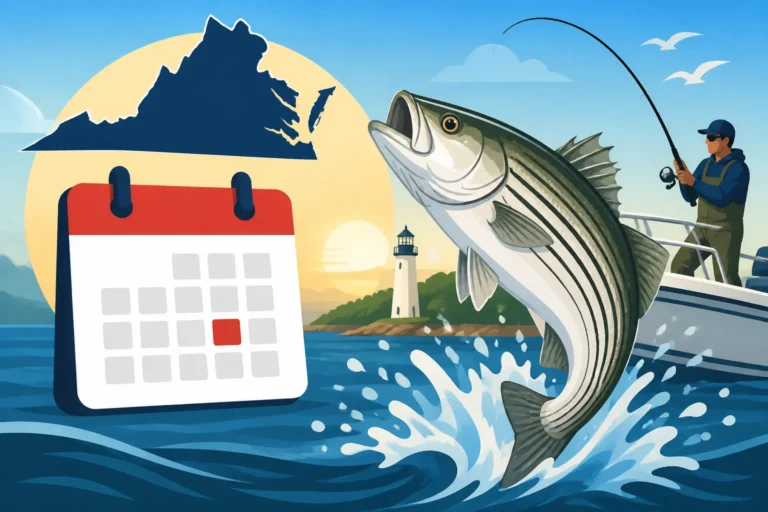
Virginia Beach Striped Bass Charter Season October Through March
Trying to figure out the absolute best time to hit the waters off Virginia Beach for striped bass can feel like navigating a maze, especially with ever-changing regulations and fluctuating fish patterns. Anglers often get frustrated trying to pinpoint that sweet spot when the stripers are abundant and charters are running. This comprehensive guide is here to untangle the complexities of the Virginia Beach striped bass charter season, focusing specifically on the prime months from October through March, so you can plan your ultimate rockfish adventure with confidence.
Understanding Virginia Beach's Prime Striped Bass Charter Season
The cooler months along the Virginia coast bring some of the most exciting fishing opportunities, particularly for striped bass, affectionately known as "rockfish" by many local anglers. This season isn't just about catching fish; it's about being part of a natural phenomenon as these magnificent creatures migrate through our waters.
The Allure of Fall and Winter Rockfish
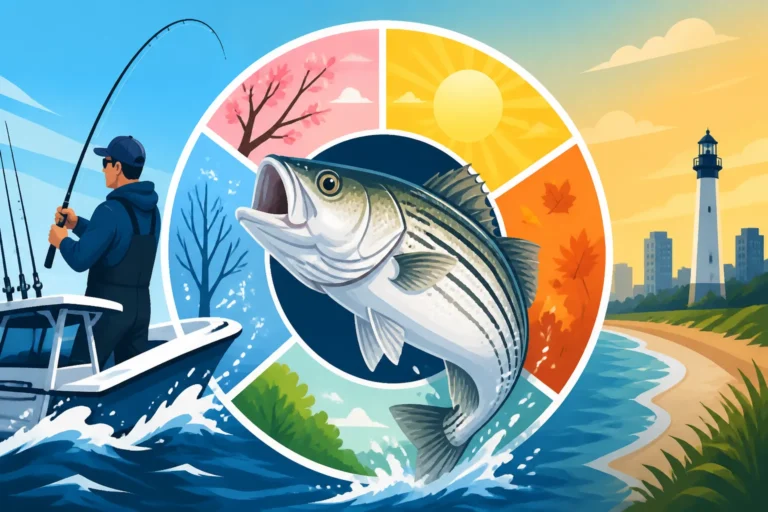
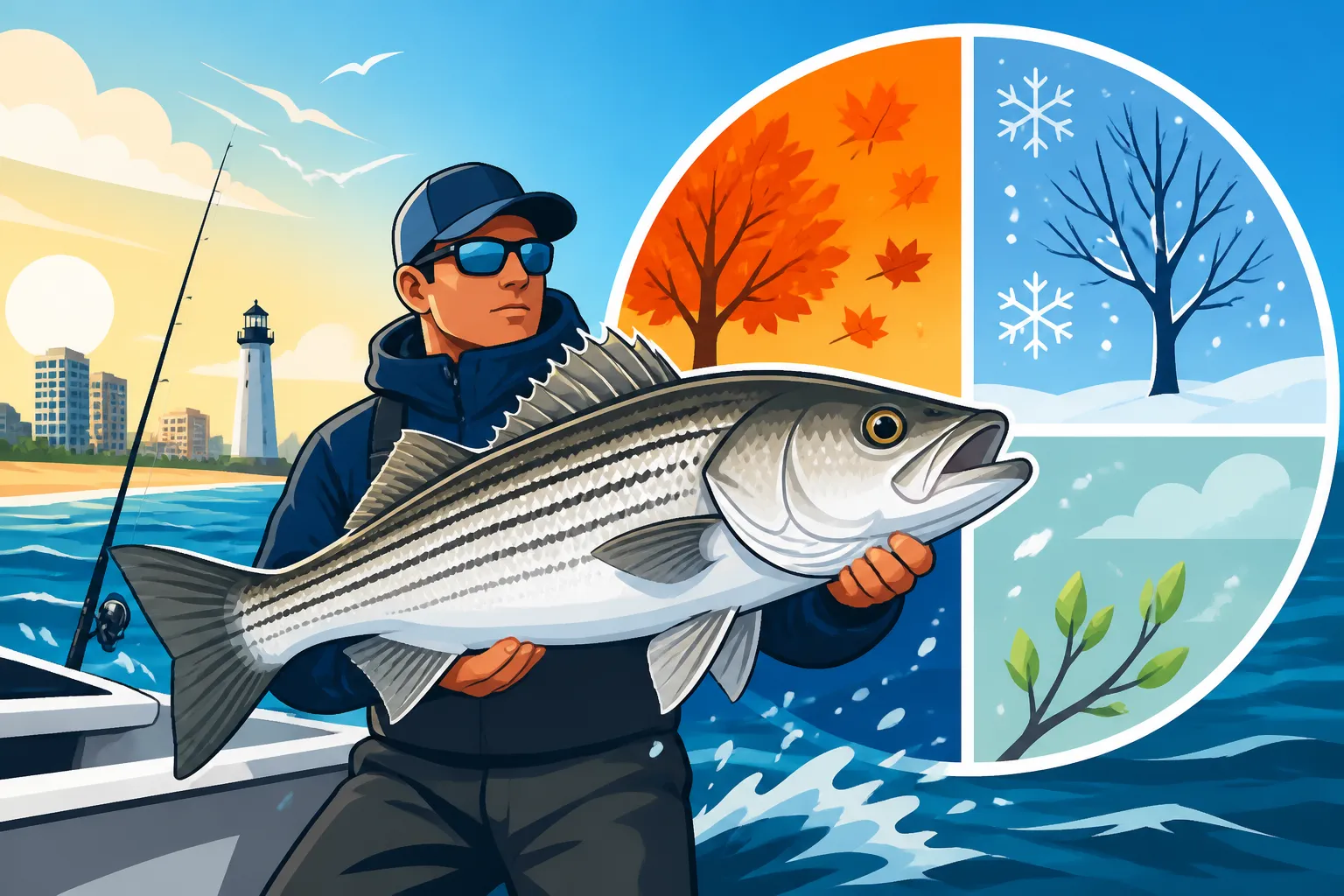
When the air gets crisp and the leaves start to turn, that's your cue that the striped bass are on the move and Virginia Beach is about to become a major stop on their migratory route. From late fall into the deep winter, huge schools of stripers make their way down the Atlantic coast, following baitfish and seeking out more temperate waters. This creates a fantastic opportunity for anglers, as the sheer volume of fish increases dramatically.
What makes this period so special is the aggressive feeding behavior of these fish. They're bulking up for their long journey, making them highly susceptible to various fishing techniques. While the weather can certainly be a challenge, requiring proper gear and a sturdy vessel, the reward of hooking into a powerful striped bass often outweighs the chill. Many seasoned anglers consider these colder months to be the absolute best for trophy rockfish, as the biggest fish are often found during this migration. You might find yourself battling a truly massive striper, a memory that will stick with you far longer than a sunny summer day.
Key Dates: October Through March Unpacked
The window from October through March is generally considered the sweet spot for Virginia Beach striped bass charters, though the specific timing and regulations can shift each year. It's not a single, static season but rather a dynamic period that unfolds in phases, each with its own characteristics and best practices. Understanding these nuances is key to a successful trip. For more detailed information on regulations, check out our Virginia Striped Bass Season and Slot Limit Guide.
Early Season Opportunities: October and November
As October rolls in, the first whispers of the fall run begin. The water temperatures are still relatively mild, and the stripers are often found chasing baitfish in shallower areas, especially around structure like the Chesapeake Bay Bridge-Tunnel. This is a fantastic time for both trolling and casting, as the fish are very active. Charters might focus on covering a lot of ground, dragging various lures or live baits to intercept migrating schools. By November, the run is usually in full swing, and it's not uncommon for anglers to encounter large schools of actively feeding fish. The weather is often still pleasant enough to make for comfortable days on the water, making it a favorite for many anglers who prefer not to brave the biting cold of mid-winter.
Mid-Season Peaks: December and January
Once December hits, the full force of the winter migration is usually upon us. This is often when some of the largest fish are caught. However, the conditions become more challenging. The waters are colder, and the stripers tend to move into deeper channels and holes, seeking stable temperatures. Charters during this time might employ different tactics, such as vertical jigging or slow trolling with large artificial baits or live eels, often relying heavily on advanced sonar to locate deep-holding fish. January typically continues this pattern, with cold weather and sometimes rough seas, but for those willing to brave the elements, the reward can be substantial. The fishing pressure can sometimes be lower during these months due to the cold, offering a more serene fishing experience for dedicated anglers.
Late Season Finale: February and March
As February approaches, the winter bite can still be strong, especially on warmer days when the fish might become more active. Anglers are often chasing the last significant push of migratory stripers before they move on. By March, the season typically starts to wind down, often closing completely or transitioning into a different regulatory framework. Some years, there might be a "shoulder season" opportunity for a late-winter or early-spring bite, particularly for larger, pre-spawn fish staging in specific areas. It’s crucial to be aware of the exact Virginia Striped Bass Season Dates January Through March as these dates are subject to change by regulatory bodies. Booking a charter in March often feels like catching the grand finale of a spectacular show, offering one last chance at a trophy before the season shifts.
Navigating Regulations and Booking Your Trip
Fishing in Virginia, especially for a highly managed species like striped bass, means always being aware of the rules. Beyond the regulations, knowing how to pick and prepare for your charter is crucial for a smooth and successful outing.
Virginia's Striped Bass Regulations During Charter Season
The Virginia Department of Wildlife Resources (DWR) and the Virginia Marine Resources Commission (VMRC) are constantly working to manage fish populations, and this means striped bass regulations can change year to year, and sometimes even mid-season. It's not uncommon for the striped bass season to be split into different windows, sometimes with different slot limits or possession limits for specific areas or times. For instance, you might encounter a slot limit that dictates a fish must be between, say, 28 and 31 inches to be legally kept, with a limit of one fish per person. These measures are put in place to protect the breeding stock and ensure sustainable fishing for future generations.
It's absolutely vital that you, and especially your charter captain, are up-to-date on the current rules. A reputable charter will always operate within the most current guidelines, but as an angler, a little personal knowledge goes a long way. Before you even step on the boat, a quick check of the VMRC website or a call to your chosen charter captain is a smart move. Our Virginia Fishing Regulations Explained guide offers a comprehensive overview, and for specifics on how many fish you can keep, refer to How Many Striped Bass Can You Keep in Virginia. Also, be aware that Virginia's One-Fish Striped Bass Limit on Charter Trips is a common regulation, so managing expectations is important.
What to Look for in a Virginia Beach Charter
Choosing the right fishing charter can make or break your trip. You're entrusting your safety and your fishing experience to a captain and crew, so a little due diligence pays off immensely. The Virginia Beach area boasts many excellent charter operators, but they're not all created equal, nor do they all specialize in the same species or techniques.
When researching, prioritize captains with a strong reputation for safety, fish-finding expertise, and customer service. Look for captains who specialize in striped bass fishing, especially during the fall and winter months. Their experience navigating the waters of the Chesapeake Bay and the nearshore ocean during colder, potentially rougher conditions is invaluable. Ask about their boat – is it well-maintained, comfortable, and equipped with modern electronics like sonar and radar? Also, inquire about what's included in the trip. Most charters will provide rods, reels, bait, and tackle, but it's always good to confirm. They will also generally cover the necessary fishing licenses for everyone on board, so you typically won't need your own individual license for a charter trip. Don't forget to ask about the typical group size and if they offer private or shared trips. You can find more helpful advice in our guide on How to Book a Fishing Charter in Virginia. To ensure you get the best experience, consider when is the Best Time to Book a Striper Charter in Virginia Beach.
Preparing for Your Fall/Winter Striper Adventure
Fishing in Virginia Beach from October through March means dealing with potentially cold, wet, and windy conditions. Proper preparation isn't just about comfort; it's about safety. No one wants to be miserable shivering on a boat or, worse, put themselves at risk.
Your clothing strategy should revolve around layers. Start with a moisture-wicking base layer, add insulating layers (fleece or wool are excellent), and top it off with a waterproof and windproof outer shell. Think gloves, a warm hat, and waterproof boots – these are non-negotiables. Brands like Amazon offer a wide range of affordable and effective layering options and waterproof gear that can stand up to the elements without breaking the bank. Don't forget to pack plenty of snacks and drinks, as a long day on the water can build up an appetite, and stay hydrated even in cold weather. It's also wise to bring any personal medications, sunscreen (yes, even in winter, sun glare off the water can be intense!), and if you're prone to seasickness, take preventative measures before you board. Most charter captains provide all the fishing gear, but it's always a good idea to confirm if there's anything specific you should bring. Our What to Bring on a Virginia Fishing Charter article has more detailed packing advice.
Seasonal Fishing Techniques and Hotspots
The striped bass are present from October through March, but their behavior and preferred locations shift with the changing seasons and water temperatures. Adapting your techniques is crucial for success.
Fall Fishing Strategies: Trolling and Live Bait
In October and November, as the water is cooling but still relatively warm, striped bass are often very active and feeding voraciously. This is prime time for covering water and intercepting schools of fish. Trolling is a highly effective method during this period. Charters will often pull a spread of lures, such as brightly colored surgical hoses, large swimbaits, or parachute rigs, designed to mimic baitfish. Mojos, heavy lead-head jigs with skirts, are also incredibly popular for trolling, especially when fish are holding a bit deeper. Live bait, like eels or spot, can also be deadly when fished around structure or in areas where stripers are known to congregate.
During the fall, the fish are often spread out but can be found near prominent structures like the Chesapeake Bay Bridge-Tunnel, around channel edges, and sometimes even in the surf zone. The fish are actively migrating and often push bait to the surface, leading to exciting surface blitzes where you can see birds diving and fish crashing bait. Being prepared to cast topwater plugs or large soft plastics into these feeding frenzies can lead to some exhilarating bites. For those looking to master the art of trolling, our guide on Trolling for Striped Bass in Deep Water offers advanced techniques.
Winter Challenges and Deepwater Tactics
Once December and January arrive, the game changes. The water gets significantly colder, and the striped bass tend to move into deeper, more stable thermal zones. They become less active and often school up in large, dense aggregations near deep channels, wrecks, and artificial reefs. This is when vertical jigging becomes a dominant technique. Charters will use heavy metal jigs, soft plastics on heavy jig heads, or large blade baits, dropping them directly onto schools of fish identified by their sonar.
Patience is key during these colder months. The bites might be subtle, and it can take some time to locate the fish. However, when you do find them, the rewards can be incredible. A good captain with excellent electronics is invaluable here, as they can pinpoint these deep-holding schools. Jigging requires a good feel for the lure and often a slow, methodical presentation to entice a lethargic striper. You can learn more about tackling these conditions in our guide How to Catch Striped Bass in Cold Water. This period is less about chasing surface feeds and more about precision fishing in the depths.
Spring's Approach: Late Season Opportunities
As February gives way to March, there can be a subtle shift. While the season is nearing its regulatory close, some of the largest, pre-spawn fish might begin to stage and become more active as water temperatures slowly begin to rise. This can offer a last opportunity for trophy-sized striped bass. Charters might still employ deeper techniques, but there could be moments when the fish are willing to come up for larger trolled baits or even hit heavy cast-and-retrieve lures.
This late season can be unpredictable, often depending heavily on individual weather patterns and water temperatures. A sudden warming trend might trigger a burst of feeding activity, while prolonged cold can keep the fish deep and slow. It's a fantastic time for dedicated anglers who understand that every bite is a hard-earned victory. While the focus in March often shifts to other species as striper season closes, these late-winter opportunities are a true testament to the resilience of these fish.
Maximizing Your Experience and Protecting the Resource
A great fishing trip isn't just about the number of fish you catch; it's about the entire experience and leaving the resource better than you found it.
Understanding Catch and Release Best Practices
With strict slot limits and possession limits often in place for striped bass, understanding and practicing proper catch and release techniques is more important than ever. Many of the fish you encounter, especially the very large ones or those outside the legal slot, will need to be released. The goal is to maximize their survival chances so they can continue to grow and reproduce.
This means using appropriate gear, such as circle hooks when bait fishing (which tend to hook fish in the corner of the mouth, making release easier). When handling a fish you intend to release, minimize its time out of the water. Support its body horizontally, especially large fish, and avoid touching its gills or putting fingers in its eyes. Use a de-hooking tool if the hook is deep, and if possible, revive the fish boat-side by holding it gently in the water until it swims away under its own power. Conservation efforts are vital, and every angler plays a part in sustaining Virginia's incredible striped bass fishery.
Appreciating the Role of Charter Captains
Your charter captain and crew are not just drivers and deckhands; they are seasoned professionals, guides, and invaluable sources of local knowledge. They spend countless hours on the water, tracking fish movements, monitoring regulations, and maintaining their vessels. Their expertise dramatically increases your chances of a successful and safe trip. They know the hotspots, the bait patterns, and the best techniques for the day's conditions, often making decisions in real-time based on their years of experience.
Showing appreciation for their hard work and dedication is customary. Standard tipping etiquette typically ranges from 15-20% of the total charter cost, assuming good service. This gesture acknowledges their effort, from preparing the boat and putting you on fish to cleaning your catch at the end of the day. A good relationship with your captain can lead to invaluable insights and even future fishing opportunities. Remember, a successful charter is a team effort, and your captain is the lead player.
Virginia Beach Striped Bass Charter Season Considerations
Here's a quick look at what to expect during different parts of the prime Virginia Beach striped bass charter season:
| Factor | October – November (Early Season) | December – January (Mid-Season Peak) | February – March (Late Season Finale) |
|---|---|---|---|
| Weather | Mild to cool, generally calmer | Cold, potentially rougher seas, wind | Still cold, potential for some warming trends |
| Fish Activity | Highly active, chasing bait, surface feeds | Less active, deeper schools, more subtle bites | Variable, potential for pre-spawn activity |
| Primary Techniques | Trolling (Mojos, surgical hoses), live bait, casting | Vertical jigging, slow trolling (eels, large plastics) | Deeper tactics, potentially larger trolled baits |
| Key Locations | Chesapeake Bay Bridge-Tunnel, nearshore wrecks, channels | Deep channels, artificial reefs, specific ledges | Deeper staging areas, specific migratory routes |
| Angler Comfort | Generally comfortable, less layering needed | Requires heavy layering, waterproofs, hats, gloves | Similar to mid-season, dress for extreme cold |
| Trophy Potential | Good, especially as migration picks up | Excellent, often when the largest fish are caught | Good, targeting staging fish before season closure |
| Crowd Levels | Moderate to high | Can be lower due to cold, but dedicated anglers are out | Lower, focused on last-ditch efforts |
Disclaimer
The information provided in this guide is for general informational purposes only and is subject to change. Fishing regulations, seasons, and limits are determined by state and federal agencies and can be updated without notice. Always consult the official Virginia Department of Wildlife Resources (DWR) and Virginia Marine Resources Commission (VMRC) websites or contact a licensed charter captain for the most current and accurate regulations before planning your fishing trip.