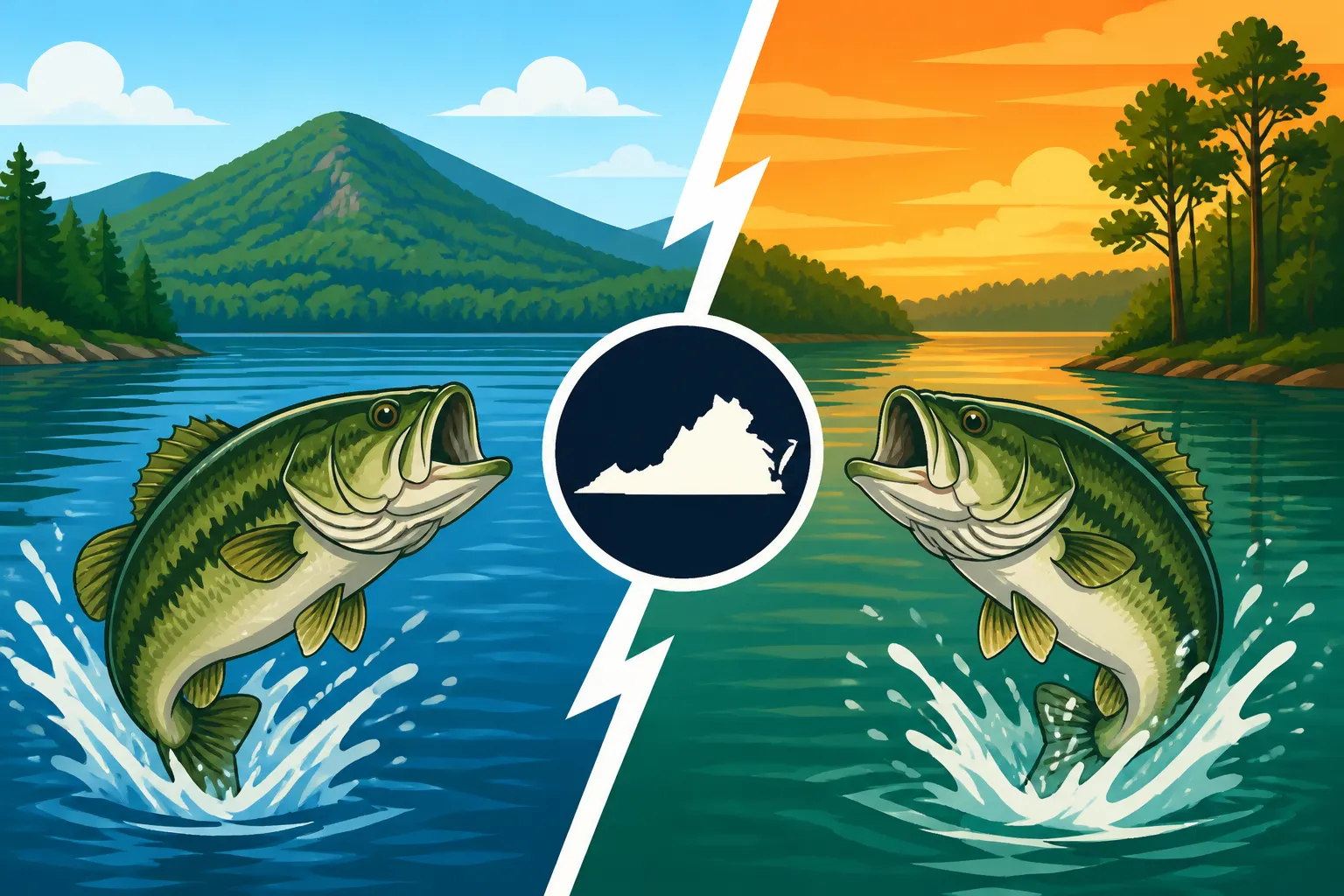
Smith Mountain Lake vs Lake Anna: Which Is Better for Bass Fishing?
Deciding where to cast your line for bass in Virginia can feel like a genuine dilemma, especially when you're torn between two legendary fishing destinations like Smith Mountain Lake and Lake Anna. Both offer incredible angling opportunities, but they present very different experiences, leaving many anglers wondering which one truly aligns with their fishing style and goals. This comprehensive guide will break down the unique characteristics of each lake, detailing their bass populations, prime fishing conditions, and the techniques that yield the best results, helping you make an informed choice for your next Virginia bass fishing adventure.
Smith Mountain Lake: A Deep, Clear Water Bassing Challenge
Smith Mountain Lake, often affectionately called "SML" by locals, is a sprawling 20,600-acre reservoir nestled in the Blue Ridge Mountains. It's renowned for its crystal-clear, deep waters and dramatic rocky structure, offering a distinctly different bass fishing experience from many other Virginia lakes. This clarity and depth can be a double-edged sword: it means the fish are often more pressured and can be harder to locate, but when you crack the code, the rewards can be truly spectacular, including some of Virginia's largest largemouth bass and an incredible striped bass fishery.
Largemouth Bass Opportunities on SML
For those chasing largemouth bass, Smith Mountain Lake demands a certain finesse and a good understanding of deep-water tactics. The lake's clear water means fish are more wary of presentations, and they often relate to structure at greater depths. You'll find largemouth holding along steep rocky banks, bluff walls, and submerged points. During the warmer months, hydrilla beds in shallower coves provide excellent cover, as do the countless boat docks that line the shoreline.
Anglers often find success with Carolina rigs dragged along rocky bottom, deep-diving crankbaits that mimic baitfish in open water, and football jigs worked slowly through brush piles and over rock veins. During the spring spawn, sight fishing can be effective in clearer coves, but once those fish move off the beds, they often scatter to deeper cover. Patience and good electronics are your best friends here, allowing you to pinpoint structure and schools of baitfish in the expansive main lake and numerous creek arms. For tips on maximizing your efforts, check out our guide on the Best Largemouth Bass Spots on Smith Mountain Lake, Virginia.
Smallmouth Bass Presence
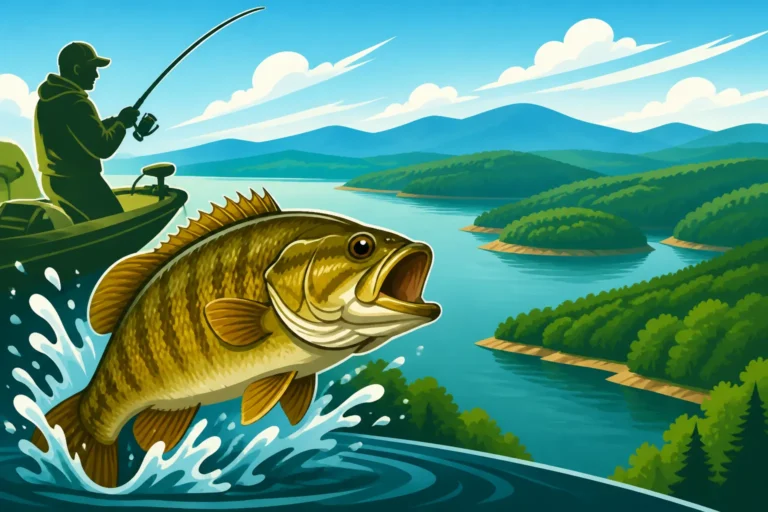
While largemouth tend to get most of the attention, Smith Mountain Lake also holds a respectable population of smallmouth bass. These bronze beauties thrive in the lake's rocky, current-swept areas, particularly around the dam and along main lake points where deeper water meets shallow rock. Smallmouth are known for their feisty fights and often strike aggressively.
Targeting smallmouth usually involves focusing on rocky humps, ledges, and transition areas from rock to sand. Techniques like drop-shotting, using small swimbaits, and tube jigs fished slowly on the bottom are highly effective. You might not catch as many smallmouth as largemouth, but the ones you do hook will provide an unforgettable battle against the backdrop of SML's stunning scenery. It's a great bonus for anglers who enjoy a diverse catch.
Hybrid and Striped Bass Action on SML
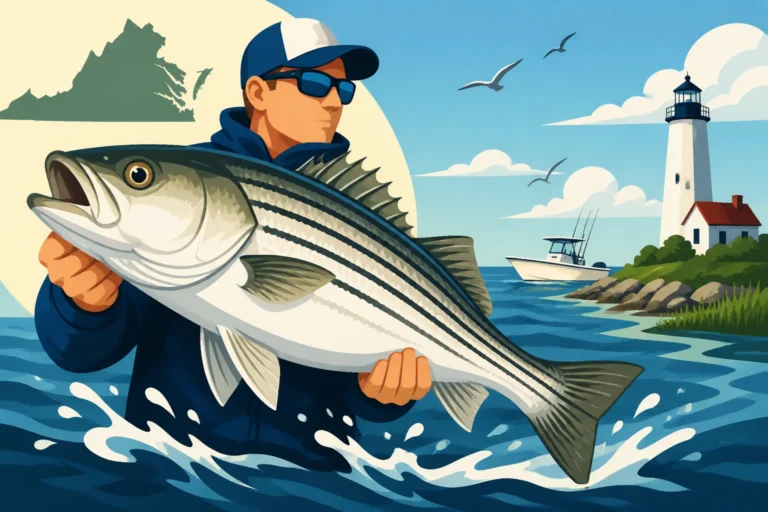
One of the most defining features of Smith Mountain Lake is its incredible fishery for striped bass, often referred to as "stripers." These hard-fighting fish provide a thrilling challenge and are a major draw for many anglers. SML is considered one of the premier freshwater striper fisheries in the eastern United States. Striped bass often school in open water, chasing baitfish like shad.
Anglers commonly use live bait, such as gizzard shad or herring, either free-lined or suspended beneath a bobber. Trolling with large crankbaits or bucktail jigs is another popular and effective method, especially for locating scattered schools of fish. The presence of such a robust striper population means that while you're targeting largemouth, you might just hook into a schooling striper, adding an exciting, unexpected element to your day. This makes the lake a fantastic choice for those looking for a diverse fishing experience beyond just largemouth. If you’re curious about tackling these powerful fish, our Smith Mountain Lake Striped Bass Fishing in Virginia guide has all the details.
Lake Anna: The Versatile Bass Factory with a Warm Heart
Lake Anna, a 13,000-acre reservoir in Central Virginia, offers a distinctly different bass fishing environment. It's generally shallower and more stained than Smith Mountain Lake, making it a dream for anglers who love power fishing and targeting visible cover. What truly sets Lake Anna apart, however, is the unique influence of the North Anna Nuclear Generating Station, which creates a warm-water discharge arm, maintaining fish activity even in the coldest months. This makes Lake Anna a true year-round bass fishing destination.
Largemouth Bass Abundance on Lake Anna
Lake Anna is a renowned largemouth bass fishery, consistently producing good numbers of fish and healthy specimens. The lake's shallower nature and abundance of diverse cover make it a fantastic playground for largemouth. You'll find extensive docks, submerged timber, stump fields, and during certain times of the year, thick grass beds. The lake is generally divided into two main sections: the "public side" (or "cold side") and the "private side" (or "hot side"), the latter being directly influenced by the power plant's warm water discharge.
Power fishing tactics shine on Lake Anna. Spinnerbaits, ChatterBaits, and squarebill crankbaits are go-to lures for working along dock lines, over submerged grass, and through brush. Topwater lures can be incredibly effective during low light conditions or over shallow cover. Flipping and pitching jigs or soft plastics into heavy cover also produce excellent results. The warmer water on the private side keeps fish active through fall and winter, providing a consistent bite that's hard to match elsewhere in the state. Our comprehensive Lake Anna Fishing Guide delves deeper into mastering this prolific fishery.
Unique Warm-Water Discharge (Nuclear Plant)
The warm-water discharge from the North Anna Nuclear Generating Station is Lake Anna's most defining characteristic, especially for bass anglers. This discharge creates a section of the lake that remains significantly warmer than the rest, even in the dead of winter. This constant warmth draws baitfish, which in turn attracts bass, making it a hotspot for year-round fishing.
During winter, while other lakes might slow down considerably, the warm side of Lake Anna can offer an incredible bass bite. Anglers flock to these warmer waters, employing tactics like jigging spoons, blade baits, and slow-rolling spinnerbaits in deeper channels and along warm-water outflows. This unique feature means that if you're an angler who hates putting your rods away for the winter, Lake Anna offers a phenomenal solution. It does, however, mean that the warm side can get incredibly crowded, particularly on weekends and holidays.
Other Bass Species and Panfish
While Lake Anna is predominantly a largemouth bass lake, you might occasionally encounter smallmouth bass, especially in the clearer, rockier sections closer to the dam on the public side. However, they are far less prevalent than in lakes like Smith Mountain Lake. The lake also boasts healthy populations of panfish like crappie and bluegill, which can be a fun diversion, especially for family outings or if the bass bite is slow. The abundance of these baitfish ensures a healthy food source for the bass, contributing to their robust population.
Comparing the Angling Experience: SML vs. Lake Anna
When it comes down to choosing between Smith Mountain Lake and Lake Anna, it really boils down to your personal fishing preferences, the time of year, and what kind of challenge you're looking for. Both are fantastic lakes, but they offer distinct experiences.
Water Clarity and Structure Differences
| Feature | Smith Mountain Lake (SML) | Lake Anna |
|---|---|---|
| Primary Clarity | Clear to very clear | Stained to moderately clear |
| Dominant Structure | Rock, bluff walls, deep points, sparse hydrilla, boat docks | Docks, submerged timber, stump fields, grass beds |
| Typical Depth | Deep (up to 200+ feet), bass often suspended or deep | Shallower (max 80 feet), bass often relate to visible cover |
| Fishing Style | Finesse, deep-water techniques, electronics-reliant | Power fishing, reaction baits, targeting visible cover |
| Winter Fishing | Slows for bass, excellent for deep-water striped bass | Excellent year-round due to warm-water discharge |
Smith Mountain Lake's clear, deep waters often demand a more subtle, finesse approach. Anglers frequently rely on their sonar and mapping to find offshore structure and schools of fish. The deep rock and sparse vegetation make jigs, shaky heads, and deep crankbaits staples in an SML angler's tackle box. It's a lake where patience and precision often pay off with fewer, but potentially larger, fish.
Lake Anna, with its more stained and shallower waters, is a haven for anglers who prefer to cover water quickly with power fishing baits. The abundance of docks, stumps, and grass gives bass plenty of ambush points. Spinnerbaits, ChatterBaits, and flipping jigs are often the ticket here. The visibility also allows for more target-oriented casting, which can be very appealing for those who enjoy a more aggressive fishing style.
Pressure and Amenities
Both lakes are popular, especially on weekends and holidays, but the nature of the pressure can feel different. Smith Mountain Lake is vast, and while popular marinas like Mitchell's Point Marina and Parkway Marina see a lot of traffic, its sheer size means you can often find quieter coves and sections, particularly mid-week. There's a wide range of accommodations from lake houses to resorts, offering plenty of options for an extended stay. Booking a guide on either lake through platforms like FishingBooker can help you navigate popular spots and find less pressured areas.
Lake Anna, especially its warm side, can concentrate angler pressure significantly, particularly during colder months when it's one of the few places with an active bite. The numerous residential docks also mean a lot of boat traffic. However, there are many public boat ramps and plenty of access points. The amenities around Lake Anna cater heavily to lake-goers, with numerous marinas, restaurants, and vacation rentals available.
Seasonal Fishing Strengths
The time of year you plan to fish is a critical factor in deciding between these two lakes. Smith Mountain Lake offers phenomenal spring and fall largemouth fishing, with bass moving into shallower waters for spawning or feeding. Summer bass fishing can be challenging without good electronics to find deep, schooling fish, but the striped bass bite remains strong. Winter on SML sees the largemouth slow down considerably, but the deep-water striper fishing can be incredible.
Lake Anna, thanks to its warm-water discharge, provides consistent largemouth bass action virtually year-round. Spring (especially pre-spawn) and fall are absolutely phenomenal for numbers and size. Summer offers great topwater and night fishing opportunities. Even in the dead of winter, when most other Virginia lakes are frozen or dormant, Lake Anna’s warm side is producing active bass. This consistency is a huge draw for many anglers. If you're planning a trip, consider reviewing our guide on the Best Time of Year for Bass Fishing in Virginia to align with either lake's peak.
Which Lake is Right for Your Bass Fishing Adventure?
Ultimately, the "better" lake for bass fishing is the one that best suits your individual angling preferences and what you hope to get out of your trip. There's no one-size-fits-all answer, but we can certainly help you lean one way or the other.
When to Choose Smith Mountain Lake
Choose Smith Mountain Lake if you're an angler who:
- Loves the challenge of clear water: You enjoy the strategic game of finesse fishing, reading deep structure, and deciphering subtle bites.
- Seeks trophy largemouth: While harder to catch, SML has the potential for truly massive largemouth bass, and you're willing to put in the effort. For more on this, check out How to Catch a Trophy Largemouth Bass at Smith Mountain Lake.
- Wants a multi-species experience: The incredible striped bass fishery is a major draw. If you love the idea of catching powerful stripers alongside largemouth, SML is your spot.
- Has good electronics and knows how to use them: Sonar and GPS are invaluable tools for navigating the deep, clear waters and finding productive spots.
- Prefers stunning mountain scenery: The backdrop of the Blue Ridge Mountains adds to the fishing experience.
When to Choose Lake Anna
Opt for Lake Anna if you're an angler who:
- Desires consistent, year-round action: The warm-water discharge ensures you can catch bass even in the coldest months, making it a reliable destination.
- Enjoys power fishing: You love throwing spinnerbaits, crankbaits, and flipping heavy cover.
- Prefers targeting visible structure: Docks, stumps, and grass beds are your bread and butter.
- Is a beginner or wants more frequent bites: Lake Anna often provides a more active bite, which can be very encouraging for new anglers or those looking to simply catch a lot of fish.
- Wants to try night fishing: Lake Anna is also known for excellent night fishing, especially in summer. Dive into the specifics with our guide, Is Lake Anna Good for Night Fishing?.
The Best of Both Worlds
Don't feel like you have to pick just one! Many passionate Virginia anglers enjoy both lakes for their unique offerings. If you're planning a trip to either lake and want to maximize your chances, especially if it's your first time, considering a professional fishing guide is always a smart move. Websites like FishingBooker can help you find experienced guides who know the ins and outs of each specific lake, whether you're targeting the deep-water largemouth of SML or the consistent bite of Lake Anna. They can save you valuable time by putting you on fish quickly and teaching you the nuances of that particular fishery, potentially turning a challenging day into a successful one.
Disclaimer
Fishing regulations and conditions can change. Always consult the latest Virginia Department of Wildlife Resources (DWR) regulations before heading out on the water. This information is for general guidance only.