Where to Fish Near Norfolk, Virginia
Finding a fantastic fishing spot when you're in a bustling city like Norfolk can sometimes feel like searching for a needle in a haystack. You know the waters are rich, but where do you even start amidst all the urban development and shipping lanes? This guide is here to cut through the confusion, offering you a comprehensive look at the diverse and often overlooked fishing opportunities right on Norfolk's doorstep, from the vast Chesapeake Bay to serene freshwater lakes, ensuring your next angling adventure is both fruitful and enjoyable.
The Unique Appeal of Fishing Near Norfolk, Virginia
Norfolk, with its deep military roots and maritime heritage, might not immediately scream "premier fishing destination" to everyone. However, its geographical location is a goldmine for anglers, offering a truly unique blend of fishing environments. From the salty embrace of the Atlantic to the tranquil meanderings of freshwater tributaries, there's a fishing experience for every preference, often just a short drive away. This isn't just about catching fish; it's about connecting with the diverse ecosystems that thrive in and around this historic city.
A Rich Tapestry of Waterways
What makes fishing near Norfolk so special is the sheer variety of water bodies available. You have the formidable Chesapeake Bay, an estuary teeming with life, offering everything from massive striped bass to delicate flounder. Then there are the numerous tidal rivers like the Elizabeth and Lafayette, which snake through the city itself, providing surprisingly productive urban fisheries. And for those who prefer the quiet calm of freshwater, a short trip inland reveals pristine lakes and reservoirs perfect for bass and panfish. This incredible diversity means you can literally switch from saltwater to freshwater species within the same day if you're feeling ambitious! It’s this accessibility to such a broad spectrum of aquatic habitats that truly sets the Norfolk area apart for anglers.
Access and Convenience
One of the biggest frustrations for urban anglers is often the lack of convenient access to good fishing spots. Norfolk, however, largely bucks this trend. Its extensive network of bridges, public parks, piers, and boat ramps makes getting on or near the water remarkably easy. Whether you're a seasoned boat owner, a kayak enthusiast, or someone who prefers the simplicity of shore fishing, you'll find plenty of options. The city's infrastructure means less time driving and more time fishing. Plus, with a vibrant local fishing community and numerous bait and tackle shops readily available, you're never far from expert advice or essential supplies. The convenience factor here transforms what might seem like an urban challenge into an angler's paradise.
Top Saltwater Fishing Spots Around Norfolk
When you think of fishing in Norfolk, your mind probably jumps straight to saltwater, and for good reason! The region is defined by its proximity to the Atlantic Ocean and the mighty Chesapeake Bay, offering some of the best coastal fishing on the East Coast. From iconic game fish to delicious table fare, the saltwater opportunities here are truly expansive.
Chesapeake Bay's Bounty
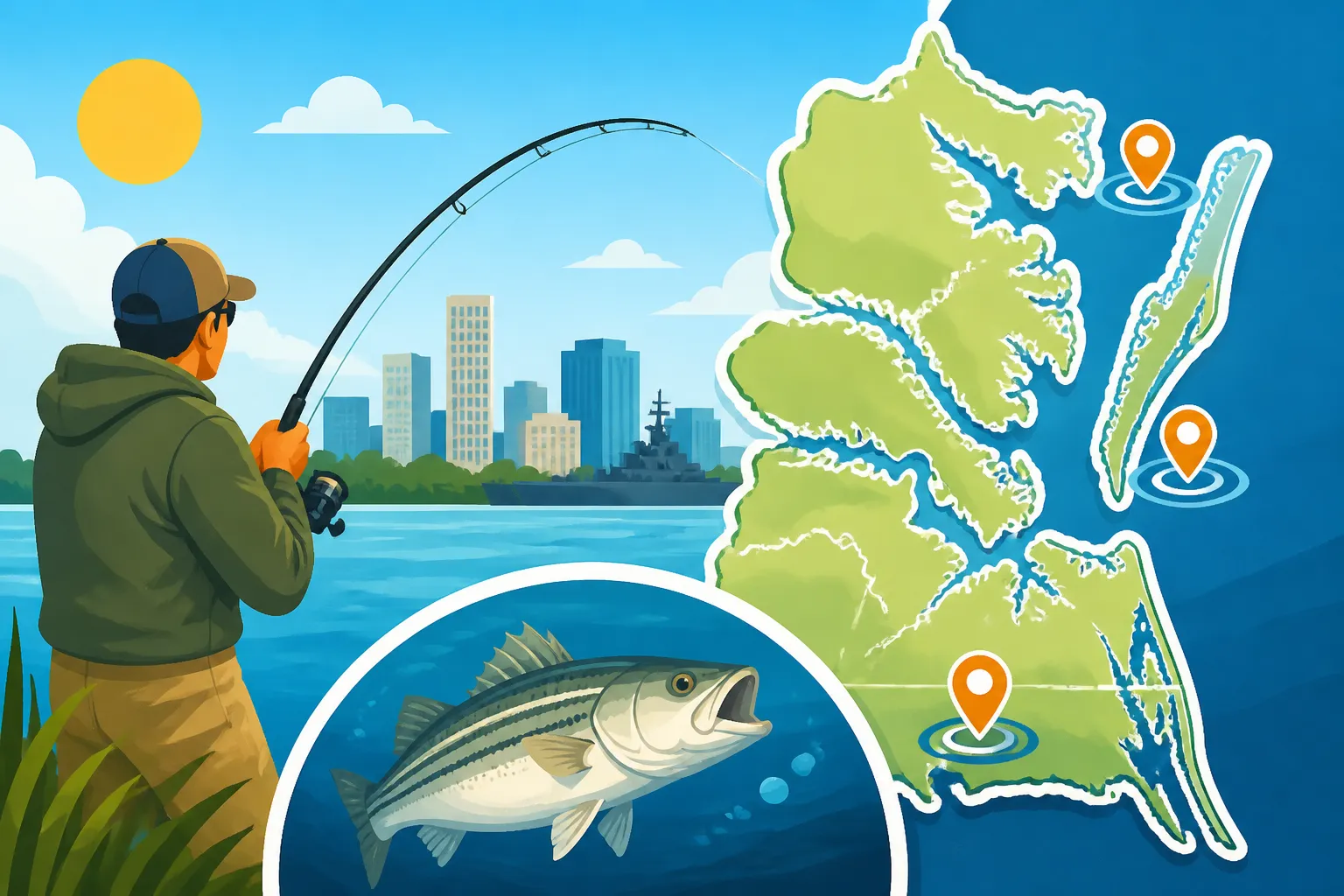
The Chesapeake Bay, the largest estuary in the United States, is undeniably the jewel in Virginia's fishing crown, and Norfolk sits right at its mouth. This immense body of water offers incredible opportunities for a vast array of species. Anglers here can target trophy striped bass (often called rockfish locally), hefty red drum, speckled trout, flounder, bluefish, and various croaker species.
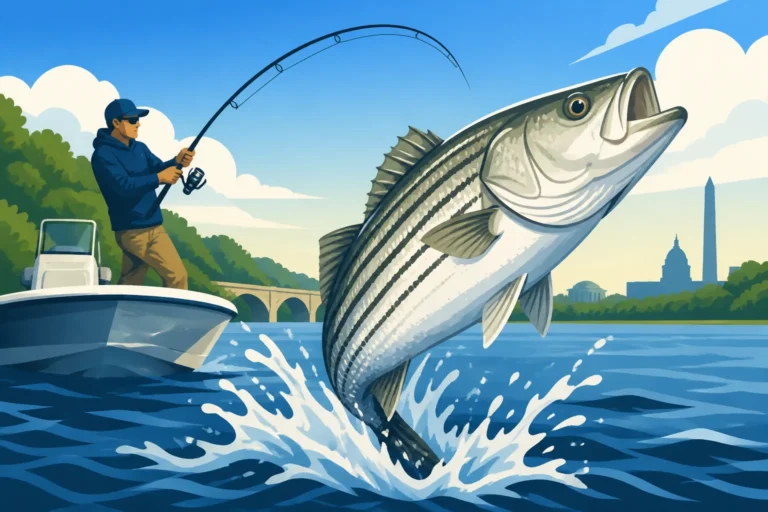
If you're looking for a serious challenge, the Chesapeake Bay provides prime habitat for large striped bass. During their seasonal migrations, these powerful fish can be found throughout the Bay, offering exciting action for both seasoned and novice anglers. Many prefer to hire a professional guide for these trips, and platforms like FishingBooker make it incredibly easy to compare and book top-rated Chesapeake Bay fishing charters in Virginia. These charters often know the exact hot spots and techniques, from trolling with large plugs to live-lining baitfish, to put you on the biggest fish.
For those who prefer a more relaxed pace, pier fishing is a fantastic option. The Chesapeake Bay Bridge-Tunnel, though requiring a permit to fish from, offers unparalleled access to deep, tidal waters and can yield a surprising variety of species. Public fishing piers, like the one at Ocean View, also provide great opportunities, especially for croaker, spot, and flounder. Shore fishing from various beaches and public access points along the Bay is also popular, especially during runs of smaller fish. For more detailed information, check out our Chesapeake Bay Striped Bass Fishing Guide.
Inner Coastal Waterways and Estuaries
Beyond the expansive Bay, Norfolk is crisscrossed by several calmer, more intimate waterways that offer excellent fishing, particularly for those in kayaks, smaller boats, or who enjoy bank fishing. These estuaries and tidal rivers, such as the Elizabeth River, Lafayette River, and Lynnhaven River, are often overlooked but are incredibly productive.
The Elizabeth River, which runs directly through Norfolk, is a surprisingly healthy and vibrant fishery. Despite its industrial reputation, ongoing conservation efforts have led to a resurgence of species. Anglers can find speckled trout, red drum, flounder, croaker, and even some striped bass, especially in the cooler months. The numerous tidal creeks and embayments that feed into the Elizabeth River provide excellent cover and feeding grounds. Kayak anglers particularly love these waters for their stealth and ability to access shallower areas. Public parks like the one at Paradise Creek Nature Park offer some shore access and kayak launches.
The Lafayette River, another tidal river flowing through Norfolk, is known for its resident populations of speckled trout and flounder. Its marshy banks and oyster beds create ideal habitats for these species. Anglers often have success casting artificial lures like soft plastics or working live bait, such as shrimp or mud minnows, along the grass lines and drop-offs. It’s a fantastic place for a quiet afternoon of fishing, away from the hustle and bustle of the main Bay.
The Lynnhaven River, while technically in Virginia Beach, is just a stone's throw from Norfolk and is famous for its oyster beds and, consequently, its excellent fishing. It's a prime location for speckled trout, flounder, and red drum, especially in its numerous creeks and inlets. The Lynnhaven is also a popular spot for crabbing, so don't be surprised to see folks dropping pots alongside anglers. These inner waterways, while smaller, provide consistent action and are often less affected by strong winds or rough seas, making them perfect for less experienced anglers or those seeking a peaceful day on the water.
Nearshore and Offshore Adventures
For the angler looking to venture a bit further out, the waters beyond the immediate Bay mouth offer exciting nearshore and offshore opportunities. While these typically involve launching from Virginia Beach or Rudee Inlet, they are still easily accessible from Norfolk.
Nearshore trips, usually within a few miles of the coast, can target species like red drum, cobia, tautog, and even shark. Red drum fishing, especially in the spring and fall, can be phenomenal, with powerful fish migrating along the coast. Cobia are another highly sought-after species during the summer months, often spotted cruising on the surface, making for thrilling sight-casting opportunities. Many local charter captains specialize in these nearshore fisheries, providing all the necessary gear and expertise.
For the true blue-water enthusiast, offshore fishing takes you into the deep Atlantic for tuna, mahi-mahi, wahoo, and marlin. These are full-day adventures, often starting before dawn, but the rewards can be incredible. You'll definitely need to book a dedicated offshore charter for these trips, as specialized boats, gear, and knowledge of Gulf Stream currents are essential. While it's a bigger commitment in terms of time and cost, the experience of battling a large pelagic fish miles offshore is truly unforgettable. Remember, regardless of where you fish, always be aware of the Virginia Fishing Regulations Explained to ensure a legal and responsible trip.
Freshwater Fishing Opportunities a Short Drive Away
While Norfolk is renowned for its saltwater access, you might be surprised to discover the fantastic freshwater fishing spots that are just a short drive from the city. Sometimes, you just crave the quiet calm of a lake or the gentle flow of a river, and Virginia’s diverse landscape delivers.
Lakes and Reservoirs for Bass and Panfish
Norfolk itself is fortunate to have several reservoirs within its city limits or very close by that offer excellent freshwater angling. These lakes are managed for drinking water, so it's crucial to respect any specific rules regarding boating (sometimes electric motors only) or access.
Lake Whitehurst and Lake Smith, located just north of downtown Norfolk, are primary freshwater sources for the city and offer surprisingly good fishing. These lakes are popular for largemouth bass, which can grow to impressive sizes here, as well as crappie, bluegill, and channel catfish. Anglers often find success targeting structure like submerged timber, weed beds, and docks. Kayaks and canoes are popular choices for navigating these waters, providing stealth and access to quieter coves. Shore fishing is available at designated park areas, but a small boat often opens up more productive water. Don't forget that different rules apply to freshwater fishing compared to saltwater; you'll want to review your Freshwater and Saltwater Fishing Licenses in Virginia before heading out.
A bit further afield, but still within an easy drive, is the Dismal Swamp Canal. This historic waterway, part of the Atlantic Intracoastal Waterway, offers a unique fishing experience. The dark, tannin-stained waters are home to a healthy population of largemouth bass, chain pickerel, and various panfish. The fishing here is often about stealth and precision, casting lures into the cypress knees and thick vegetation along the banks. It’s a very different vibe from the open Bay, offering a peaceful, almost primeval atmosphere for your fishing trip.
River Fishing for Diverse Species
Beyond the lakes, Virginia’s river systems provide a different kind of freshwater challenge and reward. While slightly further from Norfolk, these rivers are well worth the trip for their unique species and serene environments.
The Blackwater River and Nottoway River, located southwest of Norfolk, are prime examples of the region's productive blackwater rivers. These rivers are known for their excellent populations of largemouth bass, various species of sunfish (like bluegill and redbreast sunfish), and surprisingly large chain pickerel. The dark water and abundant natural cover, from cypress trees to lily pads, make for exciting sight fishing opportunities in clearer sections and challenging casting in dense areas. Anglers often use topwater lures, spinnerbaits, and weedless soft plastics to navigate the vegetation. Both rivers also support good populations of catfish, which can be targeted with traditional bottom-fishing rigs using stink baits or cut bait.
Access to these rivers is often via public boat ramps in small towns like Franklin or Courtland. Kayakers and canoeists particularly enjoy the Blackwater and Nottoway for their scenic beauty and tranquil stretches, which can feel worlds away from the urban sprawl of Norfolk. These rivers embody a more traditional Southern freshwater fishing experience, offering a chance to slow down, enjoy nature, and catch some quality fish. Make sure you understand the general Virginia Fishing License Guide requirements, as a valid license is a must for all these locations.
Practical Tips for Anglers Near Norfolk
Getting out on the water near Norfolk is a fantastic experience, but a little preparation goes a long way to ensure your trip is both legal and successful. From understanding local laws to knowing what gear to pack, these tips will help you make the most of your angling adventure.
Understanding Virginia Fishing Licenses and Regulations
This might sound like a no-brainer, but it’s the most crucial step before you even think about casting a line. Virginia has specific requirements for fishing licenses, and they vary depending on whether you're fishing in freshwater or saltwater. You absolutely need to purchase the correct license for the water you plan to fish. For instance, a freshwater license won't cut it if you're targeting striped bass in the Chesapeake Bay, and vice-versa. There are also combination licenses that cover both, which can be a smart choice if you plan to explore various waters.
Virginia residents and non-residents also have different fee structures and options, including annual, short-term, and even lifetime licenses. You can easily purchase your license online through the Virginia Department of Wildlife Resources (DWR) website, or at many local bait and tackle shops, sporting goods stores, and even some Walmarts. It’s worth checking out How to Buy a Fishing License Online in Virginia for a seamless purchasing experience. Always carry your license with you – either a physical copy or an electronic version on your phone – because Virginia game wardens do check, and the Penalties for Fishing Without a License in Virginia can be steep, ranging from fines to confiscation of gear. Also, pay close attention to catch limits, slot sizes, and open seasons for specific species, as these regulations are in place to protect fish populations and ensure sustainable fishing for everyone. And remember, children under 16 generally don't need a license, but it's always good to double-check Do Kids Need a Fishing License to Fish? before planning a family outing.
Gear Up for Success
Having the right gear can make all the difference, especially when you’re transitioning between different types of fishing. For saltwater adventures in the Bay or its tributaries, a medium-heavy to heavy spinning or baitcasting setup is versatile enough for most species. A 7-foot rod paired with a reel spooled with 20-30 lb braided line is a good starting point. You’ll want to have a variety of lures, including jigs (bucktails, soft plastics on jig heads), topwater plugs, and perhaps some spoons. If you're live-lining or bottom fishing, circle hooks and an assortment of sinkers will be essential. Don't forget a good pair of pliers for hook removal, a net, and a cooler with ice for your catch!
For freshwater fishing in the lakes and rivers around Norfolk, a medium-action spinning or baitcasting combo is usually sufficient. A 6'6" to 7' medium-light to medium rod with 8-12 lb monofilament or braided line will handle most bass and panfish. Essential lures include plastic worms, spinnerbaits, crankbaits, and small jigs. For panfish, simple bobber rigs with crickets, worms, or small beetle spins are often all you need. Always pack a first-aid kit, plenty of water, sunscreen, insect repellent, and wear appropriate clothing for the weather.
Finding Charters and Guides
Sometimes, the best way to experience fishing near Norfolk, especially if you're new to the area, don't have a boat, or are targeting specific species, is to hire a professional. Fishing charters and guides offer invaluable local knowledge, all the necessary gear, and can significantly increase your chances of a successful and enjoyable trip.
For saltwater excursions into the Chesapeake Bay or nearshore ocean waters, chartering a boat is often the way to go. These captains specialize in knowing where the fish are biting, what baits and lures work best, and how to navigate the complex tidal waters. They’re also fully licensed and ensure all on board comply with Virginia's Fishing License and Catch Limit Basics. Platforms like FishingBooker are excellent resources for finding reputable captains near Norfolk. You can browse various boats, read reviews from other anglers, and compare prices and trip types (half-day, full-day, specific species trips). Booking a charter can be an investment, but it’s often worth it for the experience, the education you’ll receive, and the chance to land that trophy fish. When exploring this option, be sure to read our comprehensive guide on Virginia Fishing Charters and Guides: The Complete Guide and specifically, What to Look for When Booking a Virginia Fishing Charter to make an informed decision.
For freshwater fishing, particularly in the rivers and less accessible lakes, hiring a local guide can provide an intimate experience and teach you techniques specific to those waters. They often use smaller boats or canoes, allowing them to navigate shallow areas that larger charters cannot. Whether you're chasing elusive smallmouth bass on a river or trying to crack the code on a local reservoir's largemouth population, a guide can fast-track your learning curve and make for a memorable day on the water.
Here's a quick look at some popular fishing spots around Norfolk:
| Fishing Spot | Type of Water | Primary Species Targeted | Best Access Methods | Notes |
|---|---|---|---|---|
| Chesapeake Bay | Saltwater (Estuary) | Striped Bass, Flounder, Red Drum, Croaker, Speckled Trout | Boat, Charter, Pier, Shore | Vast, diverse, excellent for trophy fish; check regulations carefully. |
| Elizabeth River | Saltwater (Tidal) | Speckled Trout, Red Drum, Flounder, Striped Bass | Kayak, Small Boat, Shore (parks) | Urban fishery, good for smaller craft; conservation efforts improving fishing. |
| Lafayette River | Saltwater (Tidal) | Speckled Trout, Flounder, Spot | Kayak, Small Boat, Shore | Calmer waters, good for artificials; popular for oyster beds. |
| Lynnhaven River | Saltwater (Tidal) | Speckled Trout, Flounder, Red Drum | Kayak, Small Boat, Pier, Shore | Excellent for trout and flounder, also good crabbing. |
| Lake Whitehurst | Freshwater (Reservoir) | Largemouth Bass, Crappie, Bluegill, Catfish | Kayak, Canoe, Small Boat (electric), Shore | City reservoir, calm, good for family fishing; specific rules apply. |
| Lake Smith | Freshwater (Reservoir) | Largemouth Bass, Crappie, Panfish | Kayak, Canoe, Small Boat (electric), Shore | Similar to Lake Whitehurst, often less crowded. |
| Dismal Swamp Canal | Freshwater (Canal) | Largemouth Bass, Chain Pickerel, Panfish | Kayak, Canoe, Small Boat, Shore | Unique blackwater fishery, scenic, good for solitude. |
| Blackwater/Nottoway Rivers | Freshwater (River) | Largemouth Bass, Chain Pickerel, Sunfish, Catfish | Small Boat, Kayak, Canoe | Further drive, wilder experience, excellent for river bass. |
Disclaimer
Please be aware that fishing regulations, seasons, and license requirements in Virginia can change. Always consult the most current information from the Virginia Department of Wildlife Resources (DWR) website or official publications before planning your fishing trip. This guide is for informational purposes only and should not be considered a substitute for official regulations. Exercise caution and practice safe boating and fishing techniques at all times.