Best Crappie Fishing Spots on Lake Anna, Virginia
It can be incredibly frustrating to hit a beautiful lake like Anna, gear all set, only to spend hours searching for those elusive crappie. You know they're there, but finding their hideouts can feel like solving a secret code. If you've been wondering where to drop your lines for the best crappie action on Lake Anna, you've come to the right place. This guide is dedicated to revealing the prime crappie fishing spots, along with the tips and tricks to make your next trip a success.
Understanding Lake Anna's Crappie Fishery
Lake Anna, with its sprawling waters, diverse depths, and abundant cover, truly stands out as a crappie angler's paradise in Virginia. But it's not just sheer size that makes it special; it's the unique characteristics of this reservoir that create such a thriving environment for both black and white crappie. Anglers often find themselves pleasantly surprised by the size and numbers of crappie they can pull from its waters, provided they know where to look and what conditions to seek out. It’s a rewarding challenge, and understanding the lake's quirks is your first step to success.
Why Lake Anna is a Crappie Haven
Lake Anna offers an ideal habitat for crappie, primarily due to its rich aquatic vegetation, numerous submerged structures, and a healthy forage base. This lake isn't just a big bowl of water; it's a complex ecosystem. You'll find a mix of rocky points, sandy flats, and deep creek channels, all interspersed with crucial cover. The lake’s nutrient-rich waters support a vast population of baitfish like shad and sunfish, which are the primary food source for crappie, allowing them to grow to impressive sizes. Furthermore, the varying water depths, from shallow coves to deep main-lake basins, allow crappie to find comfortable temperatures and oxygen levels throughout the year, adapting to seasonal changes with ease.
One of Lake Anna's most unique features, particularly relevant for year-round crappie fishing, is its two distinct sides: the "hot side" and the "cold side." The hot side, also known as the public side or the cold side, refers to the main body of the lake where anglers typically fish. The "hot side" is a misleading term often associated with the private, cooler discharge side. This unique thermal dynamic, especially during cooler months, can concentrate crappie in specific areas, making them easier to target. Understanding this dual nature of the lake can significantly improve your chances, particularly when other parts of the lake become less productive. This diverse environment is why Lake Anna consistently ranks among the Best Crappie Fishing Lakes in Virginia.
Key Factors for Locating Crappie Hotspots
Finding crappie on Lake Anna isn't about blind luck; it's about understanding their behavior and habitat preferences. Crappie are structure-oriented fish, meaning they're almost always found relating to some form of cover or underwater feature. This cover provides them with ambush points for feeding and protection from predators. Think of it like a crappie apartment complex – they need places to live, eat, and hide. Your job as an angler is to find these "apartment complexes."
The most productive crappie spots on Lake Anna typically include submerged timber, brush piles, deep docks, and bridge pilings. Submerged timber, whether it's standing dead trees or fallen logs, offers excellent vertical cover that crappie adore. These areas hold baitfish, and crappie will suspend within the branches, waiting to strike. Brush piles, either natural accumulations or man-made fish attractors, are another classic crappie magnet. These dense structures offer superb protection and act as a buffet line for crappie. Deep docks, especially those with lights that attract baitfish at night, can also be crappie havens. Finally, bridge pilings, like those found under the Route 208 bridge, create current breaks and deep-water sanctuaries that crappie utilize, especially during warmer months. Mastering the art of identifying and fishing these structures will unlock much of Lake Anna’s crappie potential.
Prime Crappie Fishing Spots on Lake Anna
Lake Anna is a vast body of water, covering about 13,000 acres, which can feel a bit overwhelming when you’re trying to pinpoint the best crappie fishing spots. However, once you break it down into sections and understand the characteristics of each, it becomes much more manageable. From the shallower, timber-filled upper reaches to the deeper, more open lower end, crappie can be found throughout, adapting to the varying environments. Knowing these specific zones and what they offer will dramatically cut down your search time and increase your catch rate.
The Upper Lake's Hidden Gems
The upper reaches of Lake Anna, closer to the North Anna River and Pamunkey River arms, are often shallower and characterized by numerous coves, extensive submerged timber, and flooded brush. These areas truly come alive during the spring crappie spawn, but they hold fish year-round. Creek arms like Goldmine Creek and Sturgeon Creek are prime examples of these productive upper lake areas. Goldmine Creek, in particular, is renowned for its vast fields of standing timber and numerous man-made brush piles that local anglers have painstakingly created. Crappie will suspend within this timber, often at various depths, making it essential to experiment with your presentation.
Sturgeon Creek, another fantastic upper-lake option, offers similar habitat with plenty of docks, brush, and shallow flats that warm up quickly in the spring. These creeks are fish factories, providing ample food and cover. During the pre-spawn and spawning periods, crappie will move into the shallower, warmer waters of these coves and creek arms. Later in the year, as temperatures rise, they might retreat to the deeper creek channels within these areas or seek the shade of docks and overhanging trees. If you're a fan of targeting crappie that are relating to extensive natural and artificial cover, the upper lake areas will quickly become your go-to.
Mid-Lake Structures and Cover
As you move towards the mid-section of Lake Anna, the lake begins to widen, and you'll encounter a mix of shallower coves and increasingly deeper main lake points and channels. This transitional zone offers some fantastic crappie fishing, particularly around man-made structures that provide deep-water access. The most prominent feature here is undoubtedly the Route 208 bridge. The bridge pilings and the associated deeper water create a significant crappie magnet. Crappie will often suspend around these pilings, particularly on the downstream side where the current is broken, seeking both food and shelter. Jigging vertically around these structures can be incredibly productive, especially during the warmer months when crappie seek cooler, deeper water.
Beyond the bridge, the mid-lake area boasts numerous deep-water docks, many of which have brush piles sunk nearby by homeowners. These docks offer shade and cover, attracting baitfish, which in turn attract crappie. It's crucial to respect private property when fishing around docks, but many public access points and open water areas near them can be highly productive. Main lake points that drop off quickly into deeper water, especially if they have some submerged timber or brush on their slopes, are also excellent targets. Crappie will stage on these points, moving up to feed and then retreating to deeper water.
Down Lake's Productive Waters
The lower section of Lake Anna, closer to the dam, generally features deeper, clearer waters and fewer sprawling creek arms compared to the upper lake. However, don't let the lack of obvious shallow cover fool you; this end of the lake holds its own secrets for crappie anglers. The deeper channels and main lake points here can be extremely productive, especially during the post-spawn and summer months when crappie move to greater depths. Look for contour changes, submerged humps, and any artificial fish habitat deployed by the Department of Wildlife Resources (DWR).
One of the unique aspects of the lower lake is its proximity to the "hot side" discharge area. While direct fishing in the discharge canal is often restricted or heavily regulated, the influence of warmer water in adjacent main lake areas can concentrate crappie during colder periods. This means that even in the dead of winter, you might find active crappie in the lower lake, especially if you focus on areas where the warmer water creates a slight thermal advantage. Access can be a bit more limited to direct shore fishing in some of these deeper main-lake spots, often requiring a boat, but the rewards can be significant. If you’re looking to plan a trip, services like FishingBooker can help you find local guides experienced in navigating the unique thermal zones and deep crappie patterns of the lower lake.
Essential Techniques and Timing for Lake Anna Crappie
Knowing where the crappie are is only half the battle; knowing when to fish and how to present your bait effectively is equally crucial. Lake Anna's crappie can be caught year-round, but their behavior changes dramatically with the seasons, impacting the best times to target them and the techniques that yield the most success. Adapting your approach to these seasonal shifts and understanding the most effective baits and lures will put more fish in your boat or on your stringer.
Best Seasons and Times for Success
Crappie fishing on Lake Anna truly shines in the spring, during the pre-spawn and spawning periods. As water temperatures climb into the 50s and 60s Fahrenheit, crappie move from deeper wintering grounds into shallower coves and creek arms to feed aggressively and eventually lay their eggs. This is when you'll find them concentrated in 2-8 feet of water around brush, docks, and submerged timber. Early mornings and late afternoons are often most productive during this time, though the bite can be steady all day. Many anglers specifically target this window, as detailed in our guide on How to Jig for Crappie in Spring.
Once summer sets in and water temperatures soar, crappie typically retreat to deeper, cooler waters. You'll find them suspended over creek channels, around deep bridge pilings, or tucked into the shade of deep docks, often at depths of 15-25 feet or more. Night fishing becomes incredibly effective in summer, especially if you use submersible lights to attract baitfish. As fall approaches, crappie begin another feeding frenzy, moving back towards shallower brush and baitfish schools, similar to spring patterns but often at slightly greater depths. Winter fishing can be tough, but the "hot side" of Lake Anna can provide surprising action, as crappie congregate in the slightly warmer waters, often suspended in deep holes. For a broader overview, check out our insights on the Best Time to Catch Crappie in Virginia Lakes.
Effective Baits and Lures
When it comes to crappie fishing on Lake Anna, simplicity often reigns supreme. The two most consistently productive options are small jigs and live minnows. For jigs, sizing is key – typically 1/16 oz to 1/8 oz is ideal, but sometimes even lighter 1/32 oz jigs can be the ticket, especially on a finesse bite. Color can make a huge difference, so it’s always smart to have a variety on hand. Popular colors include chartreuse, white, black and chartreuse, pink, and various combinations. Tipping a jig with a crappie nibbler or a tiny piece of live minnow can also significantly increase your strike rate.
Live minnows, suspended under a bobber or fished on a tight line, are often irresistible to crappie, especially when they're less aggressive. A small hook (size 4 to 8) lightly hooked through the minnow's lip or back will allow it to swim naturally and entice strikes. For anglers looking to dive deeper into lure choices, our guide on Best Bait for Crappie Fishing in Virginia offers even more detailed recommendations. Whether you're vertically jigging around brush piles, casting to submerged timber, or slow trolling, having both jigs and minnows ready will ensure you're prepared for whatever the crappie throw at you.
Navigating and Accessing Crappie Spots
Accessing the best crappie spots on Lake Anna often means having a boat, as many of the prime locations are offshore or in areas not reachable from the bank. Fortunately, Lake Anna offers several public boat ramps, including the popular High Point Marina and Lake Anna State Park, providing ample opportunity to get your vessel on the water. For shore-bound anglers, Lake Anna State Park offers excellent public access with docks and shorelines that can hold crappie, especially during the spring spawn. You can find detailed information on these facilities in our article about Boat Ramps on Lake Anna for Fishing Access.
Using modern electronics, like a fish finder with side imaging or down imaging, can be a game-changer for crappie fishing on Lake Anna. These tools help you quickly locate submerged brush piles, standing timber, and schools of baitfish, making your search far more efficient. If you’re visiting Lake Anna for the first time or want to shorten the learning curve, consider booking a guided trip. Services like FishingBooker can connect you with experienced local guides who know the lake's crappie patterns intimately and can put you on fish quickly, teaching you the ropes of navigating this fantastic fishery. Regardless of your access method, always be mindful of other boaters and anglers, and respect private property.
Seasonal Crappie Behavior and Hotspots on Lake Anna
Crappie, like most fish, are highly influenced by the changing seasons. What works in spring won't necessarily work in summer, and winter demands a completely different approach. Understanding these seasonal shifts in crappie behavior is crucial for consistent success on Lake Anna. It's about knowing where they're likely to be, what they're eating, and how to trigger a bite based on the time of year. This adaptability is part of what makes crappie fishing so engaging, but it also requires anglers to be flexible.
Spring Crappie Migration and Spawning
Spring is arguably the most anticipated season for crappie anglers on Lake Anna, as it marks the annual migration of crappie from their deeper wintering grounds to the shallows. As soon as water temperatures reach the high 50s and low 60s Fahrenheit, usually from late March through May, crappie move into the backs of creeks and shallow coves to spawn. These are the periods when Goldmine Creek, Sturgeon Creek, and other similar protected waters become crappie magnets. Look for brush piles, fallen trees, and docks in 2-8 feet of water.
During the pre-spawn, crappie will feed heavily, preparing for the rigors of spawning. This is a fantastic time for active jigging or slow trolling small jigs and minnows. Once the spawn begins, crappie will often be found right up against cover, guarding their nests. This makes them highly catchable, though sometimes less aggressive. The bite can be fantastic during this window, with anglers often catching multiple fish from a single brush pile. The sheer volume of fish moving into the shallows during this time makes it one of the most productive periods for crappie fishing on Lake Anna.
Summer's Deep Water Haunts and Night Action
As Lake Anna's waters warm significantly in the summer, crappie retreat from the shallows to find cooler temperatures and more stable oxygen levels in deeper parts of the lake. This typically means suspending over creek channels, around deep bridge pilings (like the Route 208 bridge), or in the shade of deep main-lake docks. You'll often find them suspended anywhere from 10 to 25 feet deep, sometimes even deeper. The key to summer crappie fishing is locating these deeper structures and then presenting your bait directly to the suspended fish. This is where a good fish finder becomes indispensable. For more tips on this specific challenge, refer to our article on How to Find Crappie in Summer.
Summer also brings some of the best opportunities for night fishing for crappie. As darkness falls, crappie often move shallower, and baitfish are attracted to lights. Many anglers use submersible green or white lights to draw in baitfish, which in turn brings crappie right to their boat or dock. Vertical jigging small jigs or fishing live minnows under a slip bobber directly in the lighted zone can be incredibly productive. It's a completely different experience from daytime fishing and often yields larger crappie. Our discussion on Is Lake Anna Good for Night Fishing? goes into more detail.
Fall's Feeding Frenzy and Winter's Hot Side
Fall on Lake Anna sees crappie once again becoming highly active, mirroring some of the spring patterns but often with a twist. As water temperatures begin to cool, crappie engage in another intense feeding period, bulking up for the leaner winter months. They will often move back into creek arms and coves, following schools of baitfish, but may utilize slightly deeper brush piles or the edges of channels. Look for them around extensive submerged timber and brush, particularly on points and humps leading into deeper water. Trolling small crankbaits or jigs can be very effective as crappie actively chase bait.
Winter crappie fishing on Lake Anna requires patience and a specific focus, but it can be surprisingly rewarding, especially if you understand the lake’s unique thermal dynamics. Crappie will typically school up tightly in deep creek channels, main lake basins, or around the deepest bridge pilings. The "hot side" of the lake, where the power plant's discharge water creates warmer pockets, becomes a prime target. Crappie will concentrate in these thermally advantaged areas, often suspended at specific depths. Vertical jigging or slow-trolling tiny jigs or minnows directly over these deep schools is the most effective method. While the bite might be subtle, the fish you catch can often be large, making the effort worthwhile.
Comparing Key Lake Anna Crappie Spots
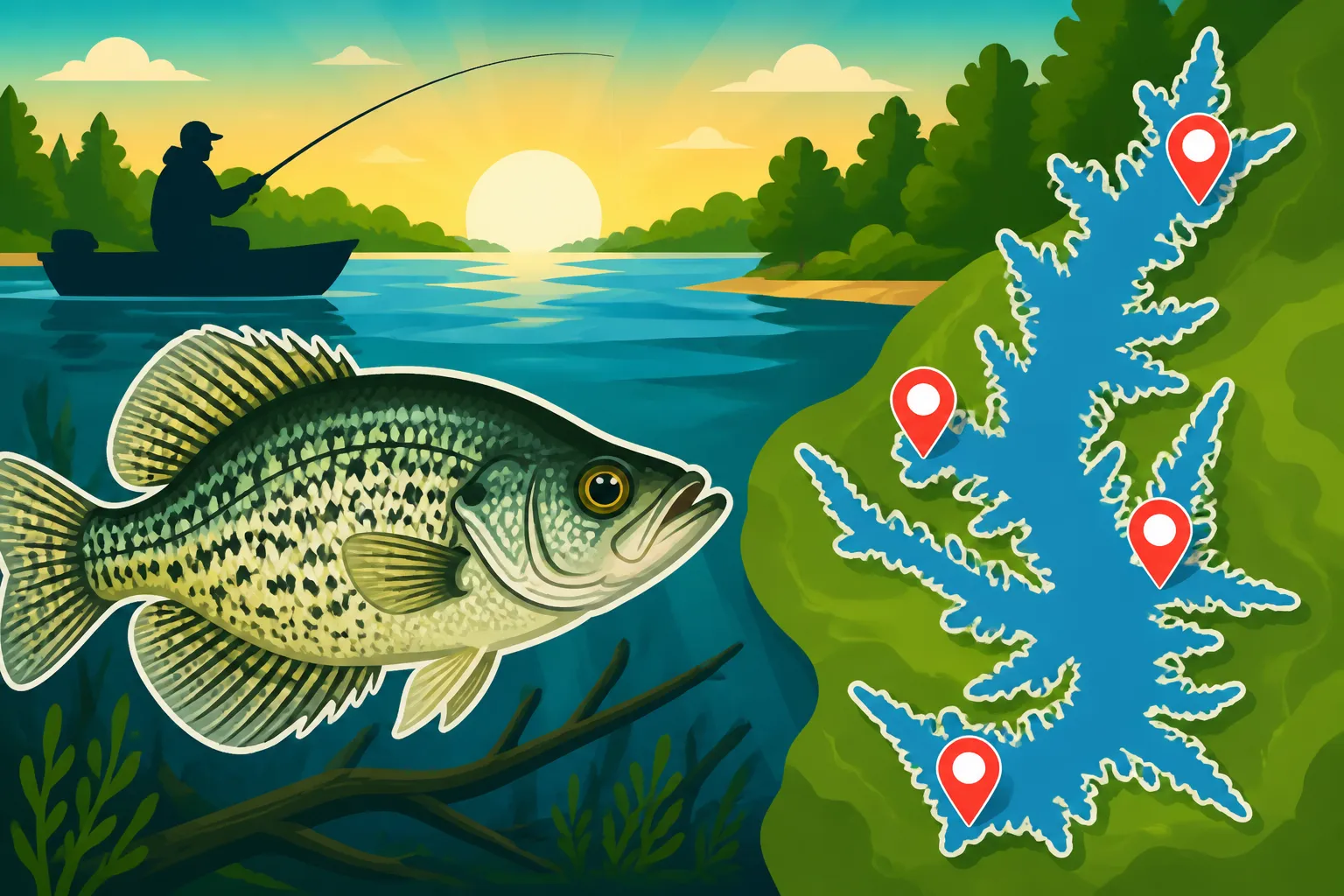
To help you visualize and plan your crappie adventures on Lake Anna, here's a handy table summarizing some of the top spots:
| Spot/Area | Key Features | Best Season(s) | Typical Depth Range | Access | Notes |
|---|---|---|---|---|---|
| Goldmine Creek | Submerged timber, brush piles, creek channels | Spring, Fall | 3-15 feet | Boat | Excellent for pre-spawn & post-spawn |
| Contrary Creek | Docks, brush piles, warm water influence | Spring, Winter | 4-20 feet | Boat (some shore) | "Hot side" impact, good year-round |
| Rt. 208 Bridge | Deep pilings, current breaks, shade | Summer, Fall | 15-30 feet | Boat | Jigging around structure is key |
| Sturgeon Creek | Coves, docks, shallow structure in spring | Spring, Fall | 3-12 feet | Boat | Good for spawning crappie |
| Lake Anna State Park | Docks, brush piles, accessible shorelines | Spring, Summer | 5-15 feet | Shore/Boat | Family-friendly, public access |
| Main Lake Humps | Submerged humps, deep water adjacent | Summer, Winter | 20-40 feet | Boat | Fish suspend over or around structure |
| Lower Lake Channels | Deep creek channels, main lake basin | Summer, Winter | 25-50 feet | Boat | Good for large schools of winter crappie |
This table provides a quick reference, but remember that crappie are always on the move, so scouting with your electronics and adapting to conditions are crucial. Always consult the Lake Anna Fishing Guide for the most current information and regulations.
Disclaimer
Fishing conditions and regulations in Virginia can change. Always consult the Virginia Department of Wildlife Resources (DWR) for the most current fishing regulations, license requirements, and any specific advisories before heading out on Lake Anna. Adherence to all local, state, and federal laws is the angler's responsibility.