Boat Ramps for Fishing in Virginia
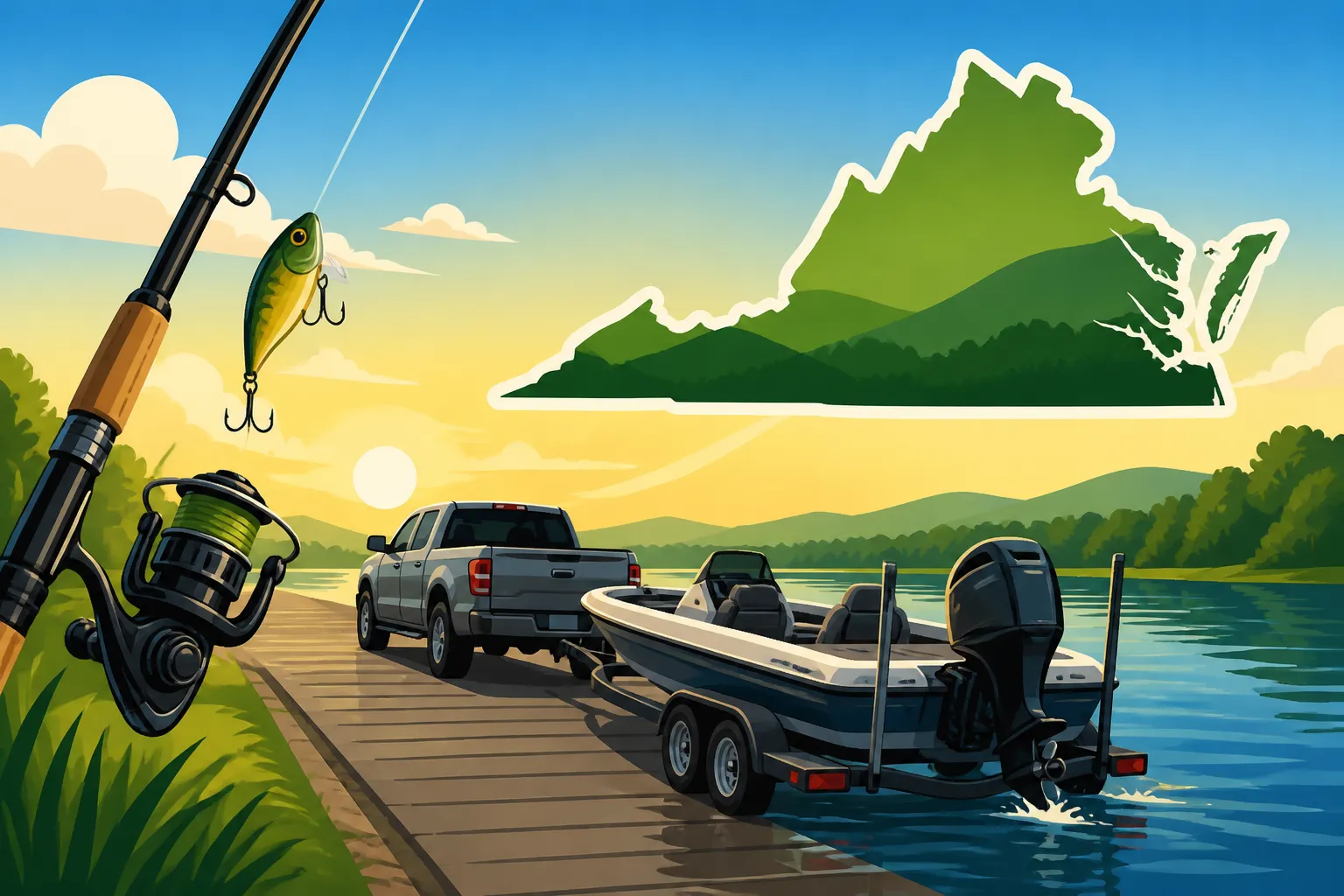
There's nothing quite like the anticipation of a day on the water, rod in hand, ready to cast your line into Virginia's abundant fisheries. But that excitement can quickly turn into frustration if you can't find a reliable spot to launch your boat, or worse, get stuck dealing with a poorly maintained ramp. This guide is dedicated to helping you navigate the world of boat ramps for fishing in Virginia, ensuring your next angling adventure starts and ends with ease, not a headache.
The Essential Role of Boat Ramps in Your Fishing Journey
Boat ramps are more than just concrete slabs; they're your gateway to Virginia's incredible waterways, from tranquil mountain lakes to the vast expanses of the Chesapeake Bay. Without proper access, even the best fishing spots remain out of reach for boat anglers. Understanding their importance and knowing what to look for can significantly impact the quality and accessibility of your fishing trips.
Why Ramps Matter for Your Fishing Trip
Imagine you've meticulously planned your trip, researched the best lures for the season, and even checked the moon phase for optimal bite times. All that preparation hinges on one critical point: getting your boat into the water. A good boat ramp ensures a smooth, safe, and efficient launch, allowing you to maximize your time actually fishing. Conversely, a bad ramp – think cracked pavement, shallow water at the end, or tricky angles – can quickly deflate your enthusiasm, damage your gear, or even put you in a dangerous situation. It's the unsung hero of many successful fishing outings, providing the necessary infrastructure for both casual and serious anglers to pursue their passion.
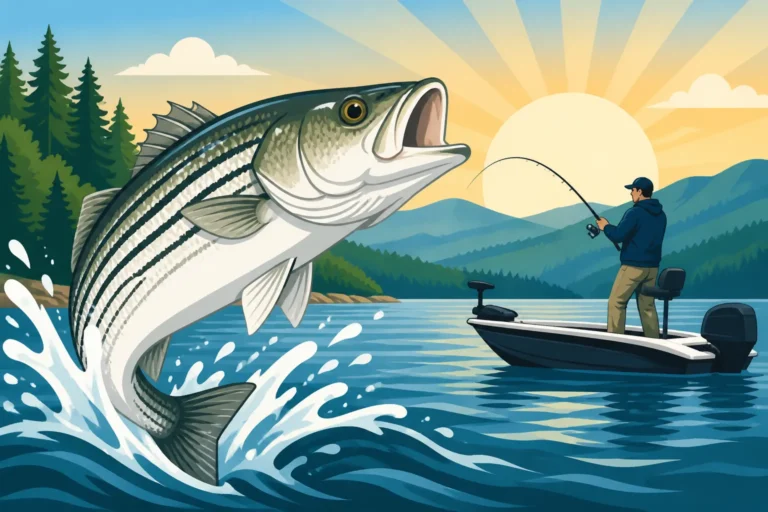
Moreover, many of Virginia's prime fishing locations, particularly those targeting popular species like striped bass in the Bay or largemouth bass in larger reservoirs, are best accessed by boat. Without a reliable network of ramps, these rich fishing grounds would simply be inaccessible to the vast majority of anglers. It’s also where you often encounter fellow fishing enthusiasts, sharing tips, stories, and camaraderie before and after a day on the water.
Key Features of a Quality Boat Ramp
So, what makes a boat ramp truly good? First and foremost is the condition of the ramp itself. You want to see solid, non-slip concrete extending well into the water, ensuring your trailer tires don't drop off the end into a hidden abyss. The slope should be gradual and consistent, not too steep to make launching difficult, nor too shallow to require backing your vehicle into the water excessively. Ample turnaround space at the top of the ramp is also crucial, especially if you're maneuvering a larger boat and trailer. Nothing is more stressful than trying to back a boat down a narrow, crowded lane.
Beyond the physical ramp, consider the approach and departure areas. A well-designed ramp will have minimal submerged obstacles like rocks or debris that could damage your propeller or hull. The surrounding area should be free of excessive weeds or mud, which can make footing treacherous and lead to messy retrieves. Finally, the water depth at the end of the ramp is paramount; it needs to be deep enough to float your boat even at low tide, preventing you from grounding or having to "power load" your boat onto the trailer, which can damage the ramp itself.
Accessibility and User Experience
A great boat ramp isn't just about the ramp itself, but the entire experience it offers. Adequate parking is a non-negotiable feature. There's nothing worse than arriving at your chosen spot only to find all the trailer parking spaces are taken, forcing you to find alternative, sometimes illegal, parking. Look for ramps that provide dedicated, spacious, and well-maintained parking lots that can accommodate trucks and trailers, rather than just single-vehicle spaces. Many of Virginia's State Parks, like those on Lake Anna Fishing Guide, offer excellent facilities that prioritize ease of access.
Beyond parking, consider other amenities. Clean restrooms are always appreciated, especially for longer trips. Designated courtesy docks or transient tie-up areas allow you to get your boat ready and then safely move your vehicle without hogging the ramp. Some ramps even offer fish cleaning stations, which are a godsend after a successful day, allowing you to process your catch before heading home. While not every ramp will have every amenity, the presence of these features significantly enhances the overall user experience, making your fishing trip more convenient and enjoyable.
Types of Boat Ramps and Their Characteristics
Virginia offers a diverse array of fishing opportunities, and with that comes a variety of boat ramps designed to serve different needs and types of watercraft. From bustling public marinas to secluded primitive launches, understanding these differences will help you choose the best ramp for your specific fishing adventure.
Public vs. Private Ramps
Public Ramps are typically managed by state agencies like the Virginia Department of Wildlife Resources (DWR), local county or city governments, or the National Park Service. These are generally open to everyone, though many require a fee for launching or parking, often through a daily pass or an annual permit. For instance, a DWR access point might require a fishing license for all anglers aboard, even if you’re just launching. The benefit of public ramps is their widespread availability and often, their location at prime fishing spots. They are generally well-maintained, with features like paved surfaces, ample parking, and sometimes even lighting for night fishing.
However, public ramps can also get incredibly busy, especially on weekends, holidays, or during peak fishing seasons, leading to longer wait times and more crowded conditions. This is where patience and good ramp etiquette become paramount. On the other hand, Private Ramps are typically owned and operated by marinas, private clubs, or lakeside resorts. These often offer superior amenities, including full-service gas docks, bait and tackle shops, maintenance services, and higher levels of security. Access usually comes with a higher fee, a membership, or is included with a stay at a resort. While potentially less crowded and more luxurious, private ramps are fewer in number and may not be located as conveniently to all desired fishing areas. Some private ramps, especially at smaller, locally owned marinas, also welcome day-use visitors for a fee, offering a good compromise between amenities and accessibility.
Material and Design Considerations
The construction material of a boat ramp largely dictates its durability and suitability for different boats. Concrete Ramps are the most common and generally preferred. They offer excellent traction, withstand heavy use, and are durable in both fresh and saltwater environments. A good concrete ramp will have grooves or a textured surface to prevent slipping, which is especially important when launching or retrieving on a wet surface. They are ideal for all types of trailered boats, from small jon boats to larger offshore vessels.
Gravel or Dirt Ramps, often found in more remote or less developed areas, are typically designed for smaller, lighter boats like canoes, kayaks, or jon boats that can be hand-launched or launched with small trailers. While they provide access to less-fished areas, they can be challenging for larger boats, especially in wet conditions where tires can get stuck. These ramps may also be more susceptible to erosion and can become uneven, creating potential hazards. Primitive Ramps might be little more than a cleared bank on a river, requiring four-wheel drive and a robust trailer. While they offer unparalleled solitude and access to wilder fishing experiences, they require considerable skill and caution, as amenities are non-existent, and conditions can change rapidly. For example, some remote access points on the Shenandoah River Fly Fishing for Trout and Smallmouth Bass in Virginia might fall into this category.
Amenities to Expect at Boat Ramps
When you're planning your trip, thinking about the amenities available at the boat ramp can significantly enhance your experience. Beyond the actual ramp, parking is critical. Look for ample, well-marked trailer parking. This isn't just a convenience; it prevents congestion and frustration, especially on busy days. Some ramps, particularly those managed by state parks or popular DWR access points, will have designated oversized parking.
Courtesy docks are a fantastic addition, allowing you to tie up your boat safely while you park your vehicle or prepare your gear. This keeps the main ramp clear for other users. Restrooms, especially clean ones, are always a welcome sight, saving you a roadside stop. And for the serious angler, a fish cleaning station with running water and a disposal system is a huge bonus, letting you clean your catch on-site and keep your boat and vehicle free of fishy odors. Some of the larger marinas or DWR sites might also feature bait and tackle shops right on premises, making it easy to grab last-minute essentials. For example, if you're exploring options through platforms like FishingBooker, many of the listed charters operate out of marinas that boast a full suite of amenities, making your pre- and post-trip logistics much simpler.
Premier Freshwater Boat Ramps in Virginia
Virginia's freshwater fishing scene is incredibly diverse, from expansive reservoirs teeming with bass and crappie to winding rivers holding smallmouth and catfish. Accessing these varied waters often depends on knowing where the best boat ramps are located.
Boat Ramps on Popular Lakes
Virginia is home to several large, popular lakes renowned for their fishing. Finding the right ramp on these vast bodies of water is key to targeting your desired species and minimizing travel time on the lake itself.
Smith Mountain Lake, often called the "Jewel of the Blue Ridge," is famous for its striped bass and largemouth bass fishery. Public access points like the Smith Mountain Lake State Park ramp offer multiple lanes, ample parking, and courtesy docks. Another popular spot is the Parkway Marina, a private facility that offers extensive amenities. Both provide excellent access to the lake's prime fishing grounds. Anglers looking to explore the lake for striped bass will find these ramps invaluable for getting to areas like the main lake channel or deeper coves. You can find more specific details in our Smith Mountain Lake Fishing Guide.
Lake Anna is another highly popular destination, known for its largemouth bass, crappie, and also its unique hybrid striped bass fishery. Public access is available at Lake Anna State Park, which features multiple paved ramps, spacious parking, and easy access to the central and upper sections of the lake. For those targeting the warm-water discharge area, private marinas around that section also offer ramps, though they might come with higher fees. FishingBooker might also list guided trips on Lake Anna, and these guides typically use the best local ramps for efficiency.
Further south, Kerr Lake (also known as Buggs Island Lake) straddles the Virginia-North Carolina border and is a monster of a lake, famous for its crappie, catfish, and bass. With its sheer size, numerous public ramps are scattered along its Virginia shoreline, many managed by the U.S. Army Corps of Engineers or the DWR. These include sites like Rudds Creek, Occoneechee State Park, and Staunton River State Park. These ramps often feature multiple lanes, substantial parking, and are well-suited for larger boats, essential for navigating such an expansive body of water. Our Kerr Lake Fishing Guide for Beginners offers more insights into fishing this vast lake.
Claytor Lake, nestled in Southwest Virginia, offers diverse fishing for smallmouth, largemouth, spotted bass, and even walleye. Claytor Lake State Park provides excellent public access with well-maintained ramps, plenty of parking, and courtesy docks. Other smaller public and private ramps are scattered around the lake, providing options for reaching different sections, particularly important for anglers targeting the specific habitats of the lake's various bass species.
River Access Points
Virginia's rivers offer incredible fishing, particularly for smallmouth bass and various catfish species. Accessing these flowing waters requires different considerations than lake fishing, often involving smaller, more numerous ramps or even primitive launch sites.
The James River is a powerhouse, offering fantastic fishing for smallmouth bass in its upper reaches and excellent flathead and channel catfish fishing downstream, especially closer to Richmond. Public boat ramps like Huguenot Flatwater (kayak/canoe access primarily), Deep Bottom Park, and Osborne Landing (the latter two for larger boats) provide critical access to its tidal sections. These ramps are busy, especially for catfish tournaments, and can handle a variety of boat sizes. Understanding the tidal influence is crucial when using James River ramps; low tide can make some launches challenging. Find out more in our detailed Fishing the James River in Virginia guide.
The Shenandoah River, with its forks, is renowned for its smallmouth bass fishing and, in certain sections, wild trout. Most access points here are smaller, designed for jon boats, canoes, or kayaks, often managed by DWR or local parks. Sites like the Bentonville boat launch or the Front Royal boat launch on the South Fork are popular. These ramps are typically concrete or gravel and offer more rustic amenities. For those seeking true solitude and fly-fishing opportunities, some more primitive access points might require carrying your craft to the water, which speaks to the river's wild character.
Other significant rivers like the Rappahannock and the Potomac also have numerous DWR and local government-managed ramps that provide access for bass, catfish, and even seasonal striped bass in their tidal sections. Knowing the specific river section you plan to fish and researching the corresponding ramp facilities beforehand is always a smart move.
Regional Favorites and Hidden Gems
Beyond the big names, Virginia boasts countless smaller lakes, ponds, and less-trafficked rivers with excellent fishing, and thus, often more serene boat ramps. The trick is knowing where to find them. Local county parks, regional reservoirs, and DWR ponds often have smaller, well-maintained public ramps that see less traffic. These can be perfect for a quiet day of panfishing or targeting a specific species away from the crowds.
For example, many smaller DWR lakes like Lake Whitehurst near Norfolk, Lake Burke in Fairfax County, or Lake Brittle in Fauquier County have excellent single-lane ramps and good parking, catering to smaller boats and electric motors. These are often stocked with a variety of species and offer a more intimate fishing experience. While they might not be on FishingBooker for charter options, they are perfect for private boaters. Discovering these hidden gems often requires a bit of local research, perhaps a chat with bait shop owners, or consulting local fishing forums. The tranquility of these lesser-known spots often outweighs the lack of extensive amenities for many anglers seeking a peaceful day on the water.
Exceptional Saltwater Boat Ramps in Virginia
Virginia's saltwater fishing is legendary, with the vast Chesapeake Bay leading the charge for striped bass (rockfish), flounder, red drum, and more. Accessing these rich marine environments requires robust boat ramps capable of handling larger vessels and tidal fluctuations.
Chesapeake Bay Access Points
The Chesapeake Bay is a colossal fishery, offering a diverse range of saltwater species. Effective access to its bountiful waters is provided by numerous public and private boat ramps strategically located along its extensive shoreline.
One of the most popular and well-equipped access points is Rudee Inlet in Virginia Beach. This bustling inlet serves as a gateway to the Atlantic Ocean for offshore trips, but also offers excellent access to the lower Chesapeake Bay. You'll find several public ramps here, along with numerous private marinas that cater to both recreational anglers and charter boats. These facilities are designed for large vessels, feature multiple launch lanes, extensive parking, fuel docks, and often bait and tackle shops. For anyone looking into Virginia Beach Fishing Charters and Trip Costs, Rudee Inlet is almost certainly where your adventure will begin.
Further north on the Eastern Shore, Cape Charles Harbor offers excellent access to the calmer, eastern side of the Bay. Its public ramp is well-maintained, with ample parking and deep water access, making it ideal for targeting flounder, red drum, and striped bass in the shallower flats and channels of the Eastern Shore. Similarly, Kiptopeke State Park offers superb facilities, including multiple paved ramps, extensive trailer parking, and excellent proximity to the famous concrete ship wrecks that hold a variety of fish. These Eastern Shore ramps are crucial for reaching different parts of the Chesapeake Bay Striped Bass Fishing Guide territory.
For those fishing the upper Bay closer to the mouth of the Potomac River, sites like the Virginia Department of Wildlife Resources (DWR) facility at Nomini Creek or Colonial Beach offer good public access. These are typically concrete ramps with adequate parking, though perhaps not as expansive as the larger Virginia Beach facilities. Always remember that tides significantly impact ramp usability in saltwater environments; what's a deep-water launch at high tide might be a shallow, muddy mess at low tide.
Coastal River Ramps
Many of Virginia's major rivers, like the James, York, and Rappahannock, become tidal closer to the Chesapeake Bay, offering fantastic brackish and saltwater fishing opportunities. These tidal rivers provide a different kind of saltwater experience, often with calmer waters and unique fisheries.
The James River downstream from Richmond, particularly around the Surry and Newport News areas, offers excellent fishing for striped bass, flounder, and various panfish. Public ramps such as Deep Bottom Park and Osborne Landing (though technically freshwater, they offer access to tidal sections) are heavily utilized. Closer to the mouth of the James, facilities like the Fort Eustis Marine Terminal (military access) or publicly accessible marinas in the Newport News area provide deep-water access. These ramps are critical for accessing the rich ecosystem where freshwater and saltwater species intermingle.
The York River and Rappahannock River also feature numerous public ramps. For the York, ramps like those at York River State Park or municipal ramps in Yorktown provide excellent access to striped bass, croaker, and speckled trout. On the Rappahannock, public ramps in towns like Tappahannock and Urbanna are popular for reaching its lower, wider, and more saline sections, often teeming with striped bass during their seasonal runs. These river ramps are generally well-maintained, though parking can sometimes be more limited than at the larger Bay facilities.
Oceanfront Launching for Nearshore Fishing
For anglers looking to access the nearshore ocean waters for species like tautog, red drum, or even king mackerel, specific ramps are designed for this purpose. The primary hub for oceanfront launching is, again, Rudee Inlet in Virginia Beach. Its protected channel leads directly to the Atlantic, making it ideal for launching boats into the ocean. Anglers often use these ramps to fish the local wrecks, reefs, and artificial structures that hold a variety of desirable species.
While direct beach launching is rare and usually restricted to specialized vehicles or small craft, the facilities at Rudee Inlet and other developed coastal marinas effectively serve as oceanfront launching points. These ramps are built to handle heavier waves and larger boats, and the associated marinas provide all the necessary services for offshore trips, including ice, bait, and fuel. When considering a nearshore fishing adventure, the infrastructure around Virginia Beach is undoubtedly your best bet for convenient and safe access.
Here's a quick comparison of some popular boat ramp options:
| Ramp Type | Location Examples | Key Features | Best For | Typical Amenities |
|---|---|---|---|---|
| Public Lake | Smith Mountain Lake State Park, Claytor Lake State Park | Concrete, multiple lanes, ample parking, DWR access | Bass boats, pontoon boats, family outings | Parking, restrooms, courtesy docks, sometimes fish cleaning |
| Public River | Deep Bottom Park (James River), Front Royal (Shenandoah) | Concrete/gravel, single or double lanes, varied parking | Jon boats, kayaks, smallmouth bass fishing, catfish | Parking, often more rustic restrooms |
| Public Bay | Rudee Inlet, Cape Charles Harbor, Kiptopeke State Park | Heavy-duty concrete, multiple lanes, extensive parking | Offshore boats, larger bay boats, charters | Extensive parking, restrooms, courtesy docks, cleaning stations, fuel (often nearby) |
| Private Marina | Parkway Marina (Smith Mountain Lake), Various VA Beach Marinas | Concrete, full-service, controlled access | Larger boats, convenience, luxury amenities | All public amenities + fuel, bait shops, tackle, maintenance, security |
| Primitive | Remote Shenandoah River banks, some DWR areas | Dirt/gravel, single lane, limited parking, rugged | Kayaks, canoes, jon boats, solitude seekers | Minimal to none (parking often just a pull-off) |
Navigating Regulations and Access Fees
Using Virginia's boat ramps isn't always as simple as backing your trailer into the water. There are often specific regulations and fees to consider, ensuring that these vital access points are maintained and that anglers are compliant with state laws. Understanding these can save you from unexpected fines or frustrations.
Understanding Permitting and Fees
Many of Virginia's boat ramps, especially those managed by the Department of Wildlife Resources (DWR) or State Parks, come with associated fees. These fees are crucial for funding the maintenance of the ramps, parking areas, and other facilities, as well as supporting broader conservation efforts. DWR ramps often require a "Boat Ramp Permit," which can be purchased annually or as part of a comprehensive fishing or hunting license package. If you already hold a valid Virginia fishing license, check if a ramp permit is included, as some combination licenses do cover it. It’s always a good idea to confirm before you go.
Virginia State Parks, which offer some of the best-maintained ramps (like those at Claytor Lake State Park or Lake Anna State Park), typically charge a daily parking or access fee, separate from any DWR permit. An annual State Park pass can be a cost-effective option if you plan to visit multiple parks frequently. Local government-owned ramps might have their own fee structures, ranging from free access to daily or annual permits. It’s always best to check the specific county or city parks department website for the ramp you intend to use. Remember, fees for private marinas will almost always be higher, either a flat launch fee or part of a broader marina service package.
Seasonal Restrictions and Hours of Operation
While many boat ramps are accessible year-round, some may have seasonal restrictions, especially in more remote areas or those prone to specific weather conditions. For example, some primitive river access points might become unusable during periods of high water or after heavy rains, especially if they are unpaved. State Park ramps usually align with park operating hours, which can vary by season, though actual ramp use might extend into early morning or late evening if parking is outside a gated area.
It's also important to be aware of any curfews or specific hours for certain bodies of water. For instance, some lakes might have restrictions on night fishing or boating after dark. Always check the rules for the specific lake or river you're visiting. During peak seasons, public ramps can also become subject to capacity limits, meaning you might be turned away if the parking lot is full. Planning your trip for off-peak hours or weekdays, if possible, can help you avoid these frustrating situations.
Fishing License Requirements at Ramps
This is a critical point that often gets overlooked: while the boat ramp permit covers access for your vessel, every eligible angler on board must possess a valid Virginia fishing license. This applies whether you're fishing freshwater lakes, tidal rivers, or the saltwater of the Chesapeake Bay. You don't want to get caught without one, as penalties for fishing without a license in Virginia can be substantial, including fines and the potential confiscation of your gear.
It's important to differentiate between a freshwater, saltwater, or combination license. If you're launching into a tidal river like the James, even if you plan to target primarily freshwater species, you might still need a saltwater license or a combination license depending on how far downstream you go. The best practice is to always have the appropriate license for the waters you intend to fish. Our Virginia Fishing License Guide and articles like How to Get a Fishing License in Virginia provide comprehensive information on requirements and how to purchase your license, often available online, over the phone, or at local retailers like Walmart or sporting goods stores. Always keep a physical or digital copy readily accessible, as DWR game wardens do patrol boat ramps and waterways to check for compliance.
Tips for a Smooth Launch and Retrieve
Successfully launching and retrieving your boat isn't just about knowing where the ramps are; it's about executing the process efficiently and courteously. A little preparation and awareness can make all the difference, turning a potential headache into a seamless transition from land to water and back again.
Pre-Launch Checklist and Safety
Before you even get near the ramp, run through a mental (or physical) checklist. Are your drain plugs in? Is your motor trim up? Are all your lines, fenders, and safety gear accessible? Is your livewell filled (if you plan to use it for bait or catch-and-release)? Taking these few minutes before you're holding up the line at the ramp will save you and everyone else time and frustration. It's also a good idea to install any necessary gear, like your trolling motor or depth finder, and load your cooler and tackle box in the parking area, not while blocking the ramp.
When it comes to safety, always wear your life jacket, especially if you're alone or dealing with strong currents. Have your keys in the ignition and the engine ready to start. If possible, have a buddy help you with the launch and retrieve; clear hand signals and communication are vital. Remember to remove your transom saver and any tie-downs before backing down the ramp, but leave your bow safety chain attached until your boat is floating. This prevents accidental roll-offs.
Courtesy and Etiquette at Busy Ramps
Boat ramps, especially popular ones like those found at Best Fishing Spots in Virginia, can get incredibly busy, particularly on prime fishing days. Good etiquette is essential to ensure everyone has a pleasant experience. The cardinal rule is to be prepared. Do all your pre-launch preparation in the staging area, away from the ramp itself. This means getting your boat ready, putting in drain plugs, loading gear, and removing tie-downs while you're still in the parking lot.
When it's your turn, move efficiently. Back your boat down smoothly, launch quickly, and immediately move your boat to a courtesy dock or drift clear of the ramp while your partner parks the vehicle. For retrieval, be ready at the courtesy dock when your trailer arrives. Load your boat, secure it lightly, and then drive away from the ramp to finish tying down, putting in the transom saver, and unloading any gear. Avoid unnecessary conversations or dawdling on the ramp itself. A shared understanding of these unwritten rules keeps the line moving and maintains harmony among anglers.
Troubleshooting Common Ramp Challenges
Even with the best preparation, you might encounter challenges. If the ramp is particularly slippery due to algae or mud, take it slow and steady. If your tires start to spin, avoid excessive acceleration, which can dig you in deeper; try shifting gears or gently rocking the vehicle. If you're struggling to back the trailer straight, pull forward and reset; it's better to take a moment to realign than to jackknife your trailer.
Another common issue is shallow water at the end of the ramp, especially at low tide in saltwater environments. If your boat won't float off the trailer easily, resist the urge to power load it by gunning your engine, as this can erode the ramp and create dangerous propeller wash for others. Instead, try backing a bit further, or if safe, gently push the boat off by hand. In some cases, a particularly strong current might make launching or retrieving difficult; try to angle your boat slightly into the current to stabilize it. If you find yourself consistently struggling, observe how more experienced boaters handle the situation or consider practicing during less busy times. Many guides listed on FishingBooker offer tips on navigating local conditions, and a quick chat with them might offer invaluable advice.
Disclaimer
Please note that fishing regulations, license requirements, and boat ramp conditions can change. Always check the latest information from the Virginia Department of Wildlife Resources (DWR) and specific park or marina authorities before planning your trip. This guide is for informational purposes only and does not constitute legal advice. Stay safe and enjoy your time on Virginia's beautiful waters!