Best Catfish Fishing Spots in Virginia
It can be incredibly frustrating to head out for a day of fishing, full of hope and armed with your best bait, only to come home empty-handed because you picked the wrong spot. Catfishing, while often perceived as simple, requires knowing where these whiskered beauties hang out. This comprehensive guide is dedicated to helping you pinpoint the absolute best catfish fishing spots across Virginia, ensuring your next outing is packed with exciting bites and memorable catches.
Understanding Virginia's Catfish Scene: Species and Where They Thrive
Before we dive into specific locations, it's really helpful to understand the main types of catfish you'll encounter in Virginia and what makes each species tick. They're not all the same, and knowing their preferences can make a huge difference in your success. Each species has its own charm, its own preferred habitat, and definitely its own way of putting up a fight.
Channel Catfish: The Widespread Delicacy
Channel catfish are probably the most common and widely distributed catfish species in Virginia, and for good reason—they're incredibly adaptable! You'll find them in almost any body of water, from large rivers and reservoirs to smaller lakes and even some ponds. They have a sleek, slender body, a deeply forked tail, and usually a scattering of black spots on their sides, though these spots can fade with age, especially in larger, older fish. They're often seen as the bread-and-butter of catfishing, known for their aggressive bites and delicious, mild-tasting meat.
These opportunistic feeders aren't too picky, making them a fantastic target for anglers of all skill levels. They love water with a good current, often congregating in deeper holes, around submerged structures like fallen trees, or along channel edges where food naturally drifts by. They're also quite active during low light conditions, making dawn, dusk, and even night fishing incredibly productive. If you're looking for consistent action and a good meal, targeting channel cats is often your best bet, and Virginia offers countless places to find them.
Flathead Catfish: The River Monsters
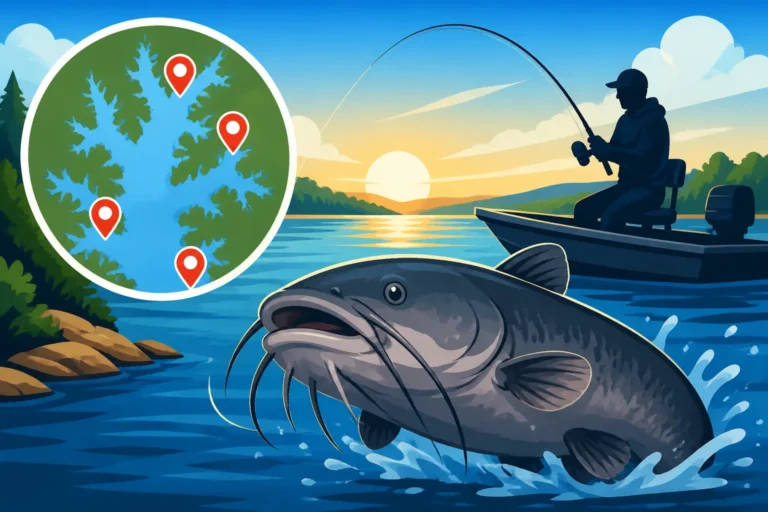
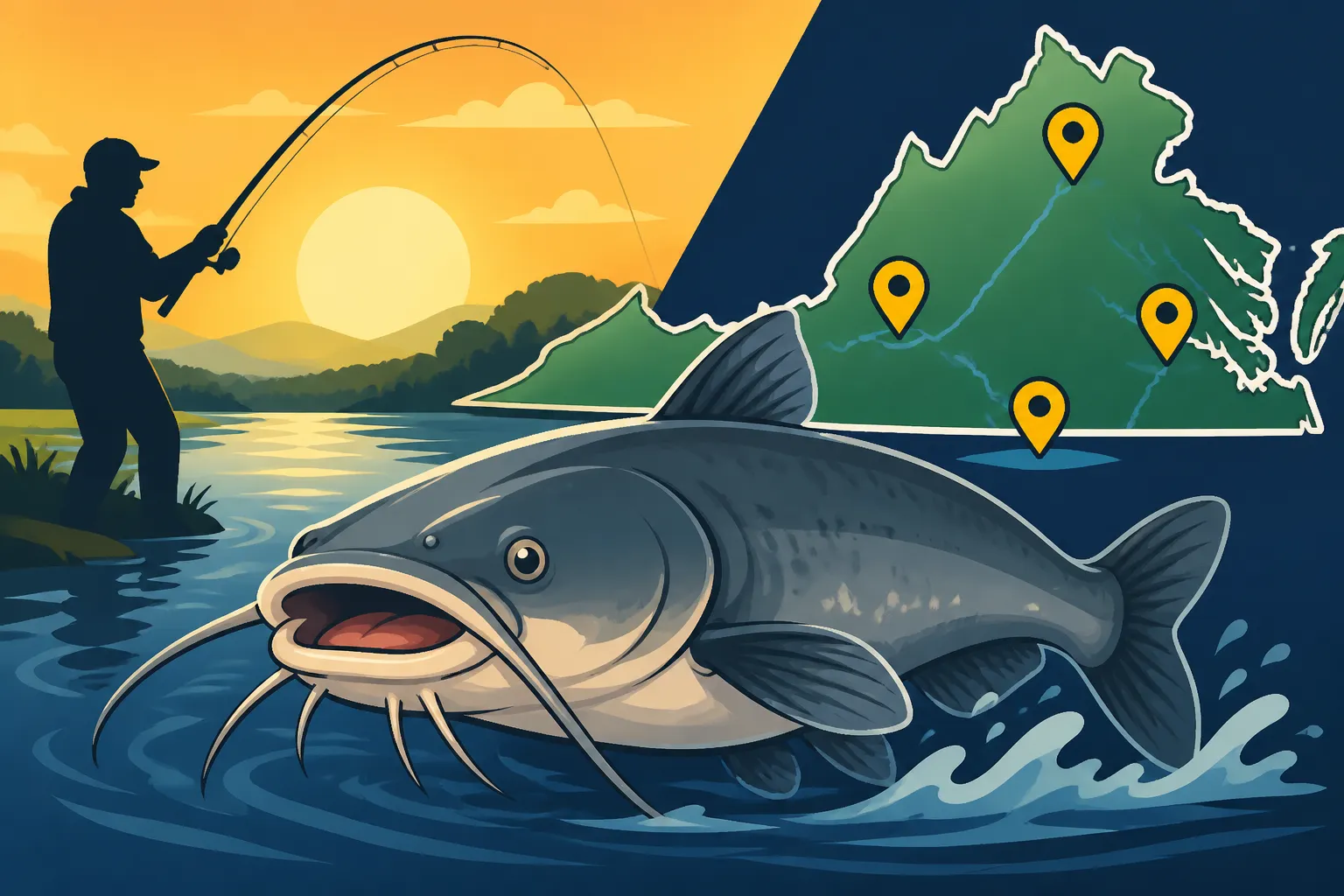
Now, if you're chasing truly massive fish, the flathead catfish is your target. These guys are the heavyweights of the Virginia catfish world, capable of growing to immense sizes. Unlike their channel cat cousins, flatheads have a distinctly broad, flattened head, a slightly notched (not forked) tail, and a mottled brown or yellowish-brown coloration that helps them blend in with rocky or woody river bottoms. They are primarily found in large rivers and their major tributaries, favoring slow-moving or stagnant stretches with plenty of heavy cover like logjams, rock piles, and deep holes.
Flatheads are ambush predators, and their diet consists almost exclusively of live fish. This means your bait choice for flatheads will differ significantly from what you'd use for channel cats. They're less common in smaller impoundments and definitely prefer a strong, natural riverine environment. Hooking into a large flathead is an experience you won't soon forget, as they're known for their incredible power and stubborn, bottom-hugging fights. Targeting these beasts requires patience, heavy tackle, and a willingness to explore the deeper, more rugged sections of Virginia's major rivers.
White Catfish: Estuary and Tidal River Favorites
Often overlooked but equally fun to catch are white catfish. These are the smallest of the three main species, typically topping out around 5-10 pounds, though some larger ones are certainly out there. They have a moderately forked tail, a somewhat stout body, and are typically silvery-white to bluish-gray in color, lacking the spots of a channel cat. What makes them unique in Virginia is their preference for brackish water – a mix of fresh and saltwater – making them a primary target in tidal rivers and estuaries along the Chesapeake Bay.
White catfish are incredibly abundant in these transitional zones and are known for their feisty fight, especially for their size. They're social fish, often schooling together, so when you find one, you're likely to find more. They're also quite adaptable to a wide range of water conditions and can be caught using similar baits and techniques to channel cats, favoring cut bait, worms, and even smaller artificial lures. For anglers exploring the coastal plain's river systems, particularly those leading into the Bay, the white catfish offers consistent action and a tasty reward. Understanding the unique characteristics of these species is the first step to becoming a successful Virginia catfish angler.
Prime Freshwater Lakes for Catfish Anglers
Virginia boasts an impressive array of freshwater lakes, many of which are absolute goldmines for catfish enthusiasts. These impoundments offer stable environments where catfish can grow to impressive sizes, providing fantastic opportunities for both numbers and trophy fish.
Buggs Island Lake (Kerr Reservoir): A Catfish Mecca
When you talk about catfish in Virginia, Buggs Island Lake, also known as Kerr Reservoir, inevitably comes up in conversation. Straddling the Virginia-North Carolina border, this massive body of water—over 50,000 acres—is renowned for its incredible catfish fishery. It truly is a catfish mecca, especially for channel and blue catfish (yes, blue catfish also make an appearance here, often growing to monstrous proportions!). The sheer size of the lake, with its countless coves, submerged timber, creek channels, and expansive flats, provides an ideal habitat for large catfish populations to thrive.
Anglers here regularly pull in channel cats in the 5-10 pound range, with blues often exceeding 20, 30, or even 50 pounds! The sheer quantity of suitable habitat means you can find fish nearly anywhere, but focusing on the main lake channels, especially around areas where tributaries like the Dan and Roanoke Rivers feed in, can be incredibly productive. Look for deep holes and humps, particularly those with access to shallower flats where fish move up to feed. If you're serious about chasing trophy catfish and want to experience one of the East Coast's premier fisheries, Buggs Island should be at the top of your list. You can explore some of the Best Catfish Fishing Spots on Buggs Island Lake by checking out our dedicated guide.
Lake Anna: Channel Catfish Hotspot
Moving closer to central Virginia, Lake Anna is another fantastic destination for catfish, particularly known for its abundant channel catfish population. While perhaps not as famous for its trophy catfish as Buggs Island, Lake Anna offers incredibly consistent action and a high likelihood of filling your cooler with tasty eating-sized channels. This 13,000-acre lake is characterized by its numerous coves, docks, and submerged structures, all of which provide excellent cover and feeding grounds for catfish.
Anglers often find success targeting channel cats around the many residential docks, bridges, and deeper creek channels within the lake. The warm water discharge area from the power plant can also be a hotspot, especially during cooler months, as it attracts baitfish and, consequently, hungry catfish. Cut bait (like shad or sunfish), chicken livers, and prepared stink baits are all highly effective here. Whether you're a seasoned angler or taking the family out for a relaxed day, Lake Anna provides a superb environment to hook into plenty of spirited channel cats. For more specific insights, make sure to read our guide on the Best Catfish Holes on Lake Anna, Virginia.
Claytor Lake: Trophy Flatheads Await
If your passion lies in battling monster flathead catfish, then Claytor Lake in Southwest Virginia needs to be on your radar. While it holds a healthy population of channel cats, it's the sheer size and abundance of flatheads that truly set this lake apart. Claytor Lake is a deep, clear reservoir on the New River, and its rocky bottom, submerged timber, and deep ledges create perfect ambush points for these powerful predators. Flatheads here regularly exceed 20 pounds, with giants in the 40-60 pound class caught annually.
Targeting flatheads on Claytor Lake typically involves using live bait—bluegill, sunfish, or even smaller carp are excellent choices—fished on heavy tackle near structure in deeper water. Look for large rock formations, bridge pilings, and submerged tree roots where these solitary giants like to hide. Night fishing can be particularly productive as flatheads become more active feeders after dark. The strong currents and varied depths of Claytor Lake provide a challenging but incredibly rewarding experience for the dedicated trophy catfisherman. We've got even more details in our Claytor Lake's Big Flathead Catfish guide.
Top Rivers and Tidal Waters for Virginia Catfish
While Virginia's lakes offer incredible catfish opportunities, its vast network of rivers and tidal waters presents an entirely different, often even more exciting, catfishing landscape. Here, the currents, the changing tides, and the rich aquatic ecosystems combine to create prime habitats for truly colossal catfish.
James River: Catfish Central in the Heart of Virginia
When it comes to river catfishing in Virginia, the James River stands out as a true heavyweight champion, especially for blue catfish. Flowing from the Appalachian Mountains all the way to the Chesapeake Bay, the James offers incredibly diverse fishing, but it's the tidal stretch, particularly around Richmond, that has earned it legendary status among catfishermen. The James River: Catfish Central in the Heart of Virginia is home to some of the largest blue catfish on the East Coast, with fish routinely tipping the scales at 50, 70, or even over 100 pounds! This is not an exaggeration; world-record class fish have been caught here.
The river's deep channels, rocky ledges, submerged logjams, and extensive mudflats provide an ideal environment for these enormous blues to grow and thrive. The abundance of gizzard shad, a primary forage fish, ensures a rich food source. Anglers often anchor up in deep bends or along channel edges, using large chunks of cut bait (fresh gizzard shad, menhaden, or even carp) on heavy-duty bottom rigs. The fight from a giant James River blue cat is epic—it's a test of strength, endurance, and tackle that draws anglers from all over. Don't forget to check out our deep dive into Fishing the James River in Virginia for even more insights.
Potomac River: Northern Virginia's Catfish Playground
Further north, the Potomac River, which forms part of Virginia's border with Maryland, is another incredible catfish destination, particularly for blue catfish and channel catfish. The tidal stretches of the Potomac, especially from Washington D.C. downstream towards the Chesapeake Bay, are teeming with robust catfish populations. Like the James, the Potomac benefits from a plentiful forage base and varied bottom structure, offering superb opportunities for both numbers of fish and trophy-sized specimens.
Anglers targeting the Potomac often focus on deep holes, current breaks, and the edges of shipping channels. Bridges, such as the Woodrow Wilson Bridge or those further downriver, also create excellent current breaks and structure that attract baitfish and, subsequently, hungry cats. Cut bait, shrimp, and chicken livers are all effective, with fresh cut bait being the top choice for larger blues. The convenience of access for many in Northern Virginia makes the Potomac a popular choice, and it consistently delivers fantastic catfishing action throughout much of the year, especially during warmer months.
Rappahannock River: Tidal Water Riches
The Rappahannock River, another major tributary to the Chesapeake Bay, might not have the same national reputation for monster blues as the James, but it is an absolute powerhouse for channel catfish and boasts a very strong population of large blue catfish as well. Its tidal sections, especially downstream from Fredericksburg, offer extensive shallow flats, oyster beds, and deep bends that create a fantastic catfishing habitat. The river is known for its consistent action and the chance to hook into some truly impressive blues.
Fishing the Rappahannock often involves anchoring on flats during incoming or outgoing tides, allowing cut bait to drift into deeper channels, or targeting specific structures like bridge pilings and submerged humps. The abundance of gizzard shad and other baitfish ensures the catfish are well-fed and aggressive. For those seeking excellent numbers of eating-sized channel cats alongside the thrill of potentially hooking a 30, 40, or even 50-pound blue, the Rappahannock is a superb choice. Our guide on Best Catfish Fishing on the Rappahannock River provides even more detailed tips for this fantastic fishery.
Beyond the Big Names: Hidden Gems and Local Favorites
While the major lakes and rivers get most of the attention, Virginia is dotted with countless smaller bodies of water and less-publicized spots that can offer surprisingly good catfishing. Sometimes, the best fishing is found where fewer boats are churning the water!
Smith Mountain Lake: Unexpected Catfish Action
You might know Smith Mountain Lake as a premier destination for striped bass and largemouth bass, but don't sleep on its catfish potential! While not typically lauded as a "catfish lake," this sprawling 20,000-acre reservoir actually holds a very healthy population of channel catfish, and even some hefty flatheads and blue catfish in its deeper, riverine sections. Many anglers overlook the catfish here in favor of the more celebrated sportfish, which means less pressure and often more willing biters for those who target them.
Channel catfish are abundant throughout the lake, particularly in the backs of coves, around marinas, and over submerged brush piles. They're often caught incidentally by bass or striper anglers, but if you specifically target them with stink bait, chicken livers, or cut bait, you can have fantastic days. For the bigger flatheads and blues, focus on the deeper, current-influenced areas of the Blackwater and Roanoke River arms, where they offer excellent ambush points among the abundant structure. It's a great spot to enjoy diverse fishing, including some rewarding catfish action when you least expect it.
Smaller Lakes and Ponds: Accessible Catfish Opportunities
You don't always need a giant reservoir or a mighty river to find good catfishing. Virginia is home to countless smaller public lakes, state park lakes, and even farm ponds that offer fantastic, accessible catfishing, especially for channel catfish. These smaller waters often get stocked by the Virginia Department of Wildlife Resources (DWR), ensuring healthy populations, and they can be perfect for a quick trip or for introducing kids to fishing.
Lakes like Lake Brittle, Lake Curtis, and other similar-sized impoundments managed by the DWR or local parks departments, are regularly stocked and can provide consistent action. The catfish in these smaller waters might not reach the trophy sizes of the James River or Buggs Island, but they offer plenty of fun and are perfect eating size. Look for deep sections, areas with submerged vegetation, or around any visible structure like fallen trees or docks. Often, these spots allow for easy bank access, making them incredibly convenient. Always check local regulations, as some smaller waters may have specific rules regarding bait or catch limits.
Essential Gear and Techniques for Virginia Catfishing Success
Having the right gear and understanding effective techniques are crucial, no matter if you're chasing channel cats in a local pond or battling a giant blue cat on the James River. Catfish are tough, but with the right approach, you can greatly increase your chances of success.
Baits and Rigs for Different Catfish Species
Choosing the right bait and setting up an appropriate rig are fundamental to successful catfishing. We've all been there, using the wrong bait for the wrong fish and wondering why nothing's biting!
Channel Catfish:
For channel cats, you have a lot of options because they are such opportunistic scavengers. Your go-to baits should include:
- Cut Bait: Chunks of fresh shad, bluegill, or even store-bought mackerel are excellent. The scent trail they put out is irresistible.
- Prepared Stink Baits: Brands like Catfish Charlie or Secret 7 work wonders, especially in warmer water. Just make sure to use bait holders or sponge hooks to keep them on.
- Chicken Livers: A classic for a reason. They're super stinky and channel cats love them, though they can be messy and hard to keep on the hook.
- Worms: Nightcrawlers or red wigglers are always a good fallback, particularly for smaller channels.
For rigs, a simple Carolina Rig (also known as a slip sinker rig) is incredibly versatile. Slide an egg sinker (1/2 oz to 2 oz depending on current) onto your main line, then tie on a swivel. To the other end of the swivel, attach an 18-36 inch fluorocarbon or monofilament leader (10-20 lb test), and finally a circle hook (sizes 2/0 to 5/0). The sliding sinker allows the fish to pick up the bait without feeling the weight immediately, leading to better hooksets. A three-way swivel rig or a Santee Cooper rig can also be effective, especially when you want to suspend bait off the bottom slightly.
Flathead Catfish:
Flatheads are distinct in their preference: they overwhelmingly prefer live bait. This is because they are ambush predators.
- Live Panfish: Bluegill, sunfish, or small carp are absolutely deadly. Hook them through the back or lips to keep them lively.
- Live Shad: If you can get fresh live shad, they are also incredibly effective.
For flathead rigs, you need something stout. A heavy-duty version of the Carolina Rig is common, but often with heavier line (20-50 lb test or more, depending on the size of fish you expect and the cover you're fishing) and larger, stronger hooks (6/0 to 10/0 circle hooks). You'll also want a heavier sinker to hold your bait in place against current, especially in rivers. Given the large size of flatheads and their tendency to hide in heavy cover, strong braided line is often preferred for its abrasion resistance and no-stretch sensitivity. Remember, you're not just casting; you're placing your bait right in their living room.
White Catfish:
White catfish are less picky than flatheads but can be a bit more discerning than channel cats.
- Cut Bait: Smaller pieces of fresh shad, clam snouts, or shrimp are excellent choices.
- Worms: Nightcrawlers are highly effective, especially when fished near the bottom in tidal creeks.
- Small Live Baits: Very small minnows or pieces of cut crab can also work.
For white catfish, a lighter version of the Carolina Rig works well, or even a simple bottom rig with a small weight and a size 1 or 1/0 circle hook. Since they're typically found in tidal areas, a fish finder rig with a lighter pyramid sinker can help keep your bait from rolling in the current. Given their schooling nature, if you find one, keep fishing that spot!
Time of Day and Season: Maximizing Your Catch
Understanding when and where catfish are most active can make or break your fishing trip. Catfish behavior is heavily influenced by water temperature, light conditions, and spawning cycles.
Time of Day:
- Dawn and Dusk: These low-light periods are prime time for all catfish species. As the sun rises or sets, catfish move from deeper holding areas to shallower feeding grounds. The reduced light also makes them feel more secure.
- Night Fishing: This is arguably the most productive time for large flatheads and blue catfish, especially during the warmer months. Catfish have excellent senses of smell and touch, which are highly effective in the dark, giving them an advantage over most forage fish. When the sun goes down, the big ones come out to play. If you're looking to consistently hook into larger fish, learning How to Catch Catfish at Night is a game-changer.
- Daytime: While less active than at night, catfish can still be caught during the day, particularly if you target them in deep holes, under heavy cover, or during cloudy weather. In rivers, they'll often hold in current breaks or deeper pools, waiting for an easy meal to drift by.
Season:
- Spring (Pre-Spawn and Spawn): As water temperatures rise in late spring (typically April-May in Virginia, depending on the region), catfish become very active. They're feeding heavily to prepare for the spawn, and then aggressively guarding their nests. This can be an excellent time for both numbers and size. Focus on shallower flats and cover where they're preparing to spawn.
- Summer: This is peak season for catfishing in Virginia. The warm water makes catfish incredibly active and hungry. While daytime fishing can be productive in deeper, cooler waters, summer truly shines for night fishing. The catfish are out, cruising and feeding aggressively. Just remember to protect your bait from smaller fish in warmer water! Check out our tips for the Best Bait for Catfish in Summer.
- Fall: As water temperatures begin to cool, catfish will once again enter a period of aggressive feeding to put on weight for the winter. They might be found in slightly deeper water than in spring, but will still be very active, especially in the early fall. The bite can be fantastic.
- Winter: Catfishing slows down considerably in winter as catfish become lethargic and congregate in deep holes. However, with the right techniques and patience, big catfish can still be caught, particularly large blues and flatheads that often prefer cooler, deeper water. This is more of a specialized pursuit, but rewarding for dedicated anglers.
To truly maximize your experience and ensure you're fishing at the optimal times, especially if you're new to a particular Virginia fishery, consider booking a trip with a local guide. Resources like FishingBooker can help you find experienced captains who know the local waters, seasons, and bait preferences inside and out, saving you valuable time and increasing your chances of a trophy catch. They can be invaluable for navigating specific spots like the Best Catfish Holes on the James River.
Virginia Catfish Species Quick Reference
To help you keep track of the different catfish species you might encounter and their general characteristics in Virginia, here's a handy table. This should give you a quick overview of what to expect when you're out on the water.
| Species | Appearance | Typical Size Range (Virginia) | Preferred Habitat | Primary Diet | Best Baits |
|---|---|---|---|---|---|
| Channel Catfish | Slender, forked tail, often spots (fade with age), grey/olive | 2-10 lbs (up to 20+ lbs) | Lakes, rivers, ponds, moderate current | Omnivorous (insects, small fish, detritus) | Cut bait, stink baits, chicken liver, worms |
| Flathead Catfish | Broad, flattened head, slightly notched tail, mottled brown/yellow | 10-40 lbs (up to 80+ lbs) | Large rivers, deep holes, heavy cover | Exclusively live fish | Live bluegill, sunfish, small carp |
| White Catfish | Stout body, moderately forked tail, silvery-white/bluish-gray | 1-5 lbs (up to 10+ lbs) | Tidal rivers, estuaries, brackish water | Omnivorous (insects, crustaceans, small fish) | Smaller cut bait, shrimp, worms, clam snouts |
| Blue Catfish | Deeply forked tail, slate blue/grey, humpbacked (large fish) | 10-50 lbs (up to 100+ lbs) | Large rivers, reservoirs, deep channels | Omnivorous (fish, mussels, crustaceans) | Large cut bait (shad, menhaden), clam snouts, live bait |
Note: Blue catfish are prevalent in the James, Rappahannock, and Potomac Rivers, and Buggs Island Lake, often reaching immense sizes. Understanding the differences, such as explained in our Channel Catfish vs Flathead Catfish: How Virginia Anglers Tell Them Apart article, will definitely help you refine your fishing strategy!
Final Thoughts on Virginia Catfishing
Virginia truly offers a fantastic and diverse catfishing experience, whether you're looking to fill a cooler with eating-sized channel cats or battle a true monster blue or flathead. From the vast expanse of Buggs Island Lake to the legendary tidal sections of the James River, there's a perfect spot for every angler. Don't be afraid to explore some of the lesser-known local ponds and smaller lakes too, as they can often provide surprisingly good action and a peaceful escape.
Remember, patience and preparation are key. The right bait, appropriate tackle, and a keen understanding of catfish behavior will set you up for success. And when you're ready to try a new spot or tackle a new species, consider tapping into local expertise. Guides found on platforms like FishingBooker can provide invaluable insights and put you directly on the fish, making your trip even more memorable. Tight lines, and may your next Virginia catfishing adventure be filled with bent rods and heavy stringers!
Disclaimer
Please be aware that fishing regulations, including license requirements, catch limits, and seasonal restrictions, can change. Always consult the latest Virginia Department of Wildlife Resources (DWR) regulations before heading out on the water. This information is intended for general guidance only.