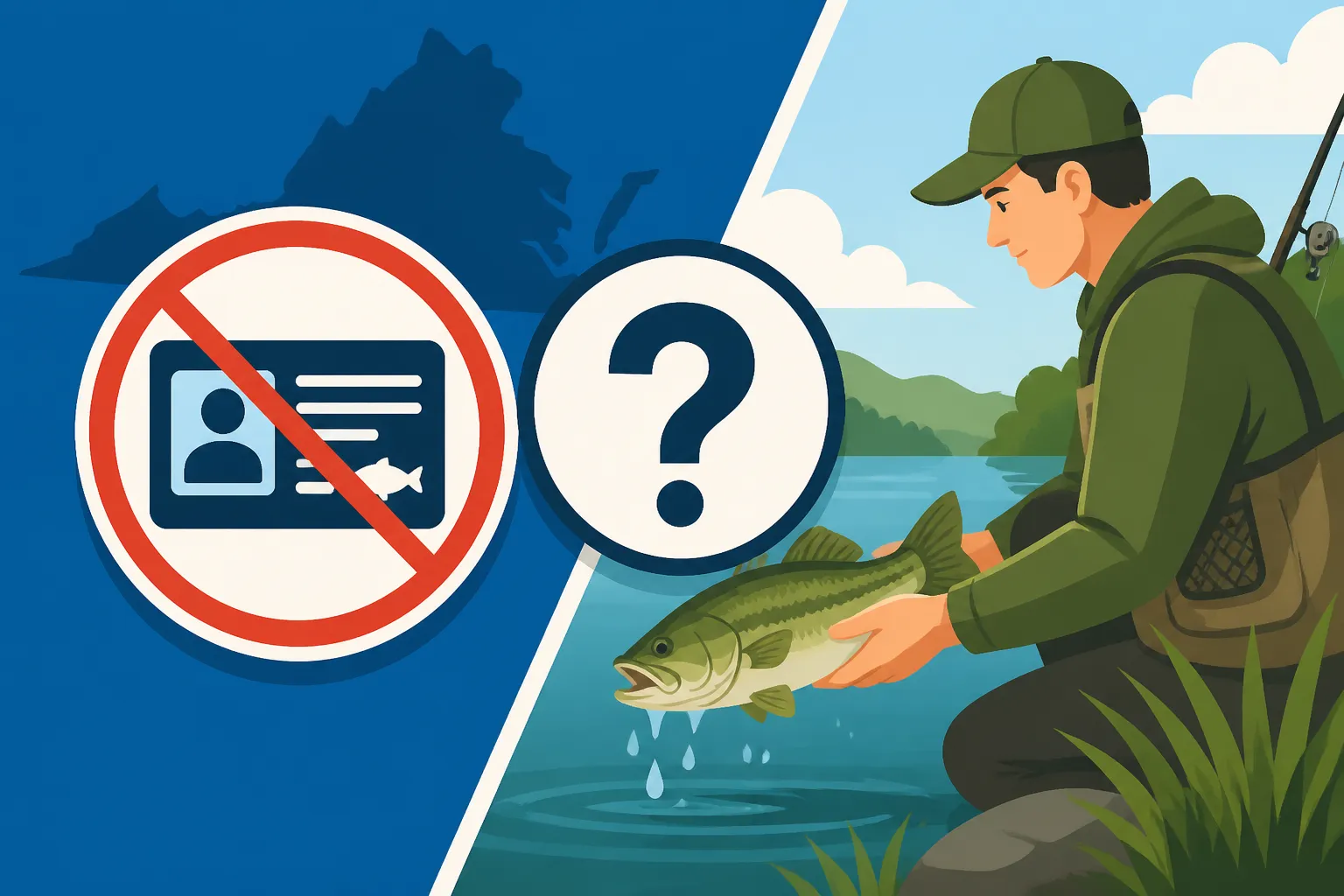
Is a license required for catch-and-release fishing?
It's a common thought, isn't it? You're out on the beautiful waters of Virginia, maybe the serene James River or the vast Chesapeake Bay, enjoying the peace and quiet. You're not planning to keep a single fish – just catch, admire, and release. So, surely, you don't need a fishing license for that, right? This is a really common question, and honestly, it trips up a lot of folks. The truth might surprise some, but understanding why these rules are in place is key to being a responsible angler in the Commonwealth. This guide is here to clear up that confusion once and for all, making sure your next catch-and-release adventure is both enjoyable and legal.
The Straight Answer: Yes, You Need a License for Catch-and-Release
Let's cut right to the chase because this is where a lot of anglers get confused, and honestly, a little frustrated. In Virginia, if you're engaging in the act of fishing, regardless of your intention to keep the fish or not, you are required by law to possess a valid fishing license. This isn't just a Virginia thing; it's standard practice in most states across the country. The act of "fishing" itself, whether it's casting a line with bait, using a lure, or fly-fishing, requires that permit. It doesn't matter if you're going for that trophy largemouth bass you plan to photograph and immediately send back to its watery home, or if you're just enjoying a peaceful afternoon catching bluegill with the grandkids, carefully releasing each one. The moment that hook hits the water, you need to be properly licensed.
Why the Rule Exists: Conservation and Management
It can feel a bit unfair, can't it? Especially when your goal is purely catch-and-release, minimizing your impact. But there's a really important reason for this rule, and it all boils down to conservation and the long-term health of Virginia's incredible aquatic ecosystems. The Virginia Department of Wildlife Resources (DWR) manages these resources, from the smallest streams to the mighty Atlantic Ocean, ensuring that fish populations remain healthy and abundant for generations to come.
Every dollar generated from the sale of fishing licenses directly contributes to funding these vital conservation efforts. Think about it: that money goes into things like stocking programs in our freshwater lakes and rivers, ensuring there are plenty of rainbow trout or channel catfish for everyone to enjoy. It also funds habitat restoration projects, cleaning up waterways, and creating better spawning grounds for species like striped bass. License fees pay for crucial scientific research, allowing biologists to monitor fish populations, understand their health, and set appropriate regulations, like bag limits or size restrictions. They even support enforcement, helping game wardens protect our resources from poaching and illegal fishing activities. So, even if you’re releasing every fish, your license fee is a direct investment in the very waters you love to fish. It’s about more than just what you take out; it’s about what you help put back in. You can learn a lot more about these efforts in our comprehensive How Fishing License Fees Support Wildlife Conservation in Virginia guide.
Common Misconceptions About Catch-and-Release Licensing
The "I'm not keeping anything" argument is just one of many misconceptions out there. Let's tackle a few more that often lead anglers astray and sometimes into trouble.
Firstly, many people believe that if they're fishing from private property, like their own dock on Lake Anna or a pond on their family's farm, they don't need a license. This is generally false. While there are a few very specific exceptions (like privately stocked ponds where no public access exists and the owner stocks exclusively for private use), for most private property scenarios, if the water body connects to public waters or is considered a public fishing resource, a license is still required. Always check with the DWR if you're unsure about a specific private water body.
Another common one revolves around kids. Parents often wonder, "Do children need a fishing license in Virginia?" The good news here is that young anglers often get a pass. In Virginia, residents under the age of 16 are generally exempt from needing a fishing license. This is a fantastic initiative to encourage youth participation in fishing, and it’s a policy that many of us appreciate as a way to get the next generation hooked on the sport. However, even when fishing with kids, if you (the adult) are fishing, you still need your license. We've got a detailed post, Minimum age for needing a fishing license in Virginia, that breaks down all the specifics for our younger fishing enthusiasts.
Lastly, some anglers mistakenly think that if they're just on a short trip, say a weekend getaway to Virginia Beach, they don't need a license. This is absolutely not true. Even if it's just for an hour, or for a specific short-term event, you need a license. Thankfully, Virginia offers convenient short-term options that cater perfectly to these situations, which we'll dive into next.
Navigating Virginia's Fishing License Options for Catch-and-Release
So, you know you need a license. Now what? Virginia offers a variety of license types, and choosing the right one can sometimes feel like trying to figure out a complicated knot. But don't worry, it's actually quite straightforward once you understand the basic distinctions. The goal is to get you covered legally without spending more than you need to, especially when your intent is purely catch-and-release.
Understanding Freshwater vs. Saltwater Needs
The first big question you need to answer is: where will you be fishing? Are you planning to cast lines in the lakes, rivers, and ponds of inland Virginia, or are you headed to the coast, targeting species in the Chesapeake Bay or the Atlantic Ocean? Virginia clearly distinguishes between freshwater and saltwater fishing licenses.
If your adventures are taking you to places like Smith Mountain Lake for some smallmouth bass, or the Shenandoah River for trout, you'll need a freshwater fishing license. This covers you for almost all non-tidal rivers, streams, and impoundments within the state. On the other hand, if you're dreaming of fishing for flounder off a pier in Virginia Beach, or trying to land a striped bass in the lower Chesapeake Bay, you'll need a saltwater fishing license. The critical thing to remember is that these are distinct. A freshwater license won't cover you in saltwater, and vice-versa.
Now, for those ambitious anglers who love the best of both worlds, Virginia also offers a combination license. This is a single license that covers both freshwater and saltwater fishing, offering convenience and often a slight cost savings compared to buying two separate annual licenses. For more in-depth information, check out our guide on Freshwater and Saltwater Fishing Licenses in Virginia. It’s a fantastic resource for understanding which specific license applies to different types of waterways across the state.
Short-Term vs. Annual Licenses: What's Right for You?
Once you've figured out your freshwater or saltwater needs, the next decision is how long you need your license to be valid. This is where those short-term options come into play, perfect for the occasional angler or visitor who plans to exclusively practice catch-and-release.
For freshwater pursuits, Virginia offers a 5-day freshwater fishing pass. This is an excellent choice if you're only planning a quick weekend trip or a few days of fishing. It's often more economical than an annual license if you only fish infrequently. Similarly, for saltwater adventures, there's a convenient Virginia's 10-Day Saltwater Fishing License option. This pass is ideal for a vacation to the coast where you might spend a week or two hitting various fishing spots.
For those who fish more regularly, or plan multiple trips throughout the year, an annual license is usually the best and most cost-effective solution. An annual resident freshwater license currently runs around $23, and a resident saltwater license is about $17.50. The combination license for residents is $39.50. These licenses are typically valid for one year from the date of purchase. Non-residents also have annual and short-term options, though generally at a higher price point. If you’re a serious angler, or find yourself fishing a few times a month, the annual option is definitely the way to go. You can find all the pricing details in our Virginia Fishing License Costs and Types Explained guide.
To help visualize the options, here's a quick comparison of some common license types for Virginia residents, keeping catch-and-release in mind:
| License Type | Covers | Duration | Estimated Resident Cost | Best For |
|---|---|---|---|---|
| Resident Freshwater | Freshwater | 1 Year | $23 | Frequent freshwater catch-and-release |
| Resident Saltwater | Saltwater | 1 Year | $17.50 | Frequent saltwater catch-and-release |
| Resident Combination | Both | 1 Year | $39.50 | Frequent fishing in both environments |
| 5-Day Freshwater Pass | Freshwater | 5 Consecutive Days | $14 | Short freshwater trips (e.g., a weekend) |
| 10-Day Saltwater Pass | Saltwater | 10 Consecutive Days | $10 | Short saltwater trips (e.g., a vacation) |
(Note: These costs are approximate and subject to change by the DWR.)
The Consequences of Fishing Without a License (Even Catch-and-Release)
It might seem like a small oversight to fish without a license, especially when you're just enjoying the scenery and releasing every fish. But the reality is that the DWR takes this regulation very seriously, and the consequences can be quite unpleasant. It's not just a minor slap on the wrist; you could be facing a fine, and it definitely puts a damper on an otherwise relaxing day on the water.
Fines and Penalties You Could Face
Let's be clear: fishing without a valid license in Virginia is a misdemeanor offense. This means it's not just an administrative error; it's a legal infraction that can carry real weight. The fines can vary depending on the specific circumstances, such as whether it's your first offense or if you were also violating other regulations (like fishing out of season or using illegal gear).
Typically, a first offense for fishing without a license can result in a fine ranging from several hundred dollars. For example, Virginia law dictates that a violation can carry a fine of up to $250. However, court costs and administrative fees can quickly inflate that number. Imagine heading out for a peaceful morning, only to return home with a ticket for $250 or more. That's a huge dent in your fishing budget, and it definitely makes that $23 annual freshwater license look like a steal! Beyond the monetary fine, in some cases, your fishing equipment—rods, reels, tackle—could even be confiscated. That's a particularly painful consequence, especially if you have a favorite rod or a collection of high-quality gear you've sourced over the years, perhaps even some specific items you ordered from Amazon. The hassle of dealing with court appearances and the potential for a criminal record is simply not worth the risk. It's truly a scenario where an ounce of prevention (buying a license) is worth a pound of cure (avoiding penalties). Our post on Penalties for Fishing Without a License in Virginia goes into even more detail on the repercussions.
How Virginia DWR Officers Enforce Licensing Rules
You might be thinking, "What are the chances of actually getting caught?" Well, Virginia's Department of Wildlife Resources employs dedicated game wardens and conservation police officers who are out there, actively patrolling our lakes, rivers, and coastal waters. Their job isn't just about handing out tickets; it's about protecting our natural resources, ensuring fair chase, and upholding the regulations that keep our fisheries healthy.
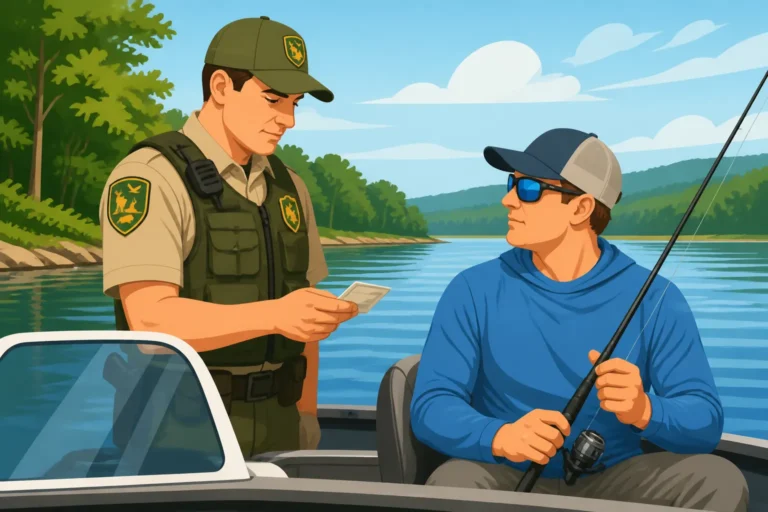
These officers are incredibly vigilant. They conduct random checks from boats, along riverbanks, at boat ramps, and even on piers. It's not uncommon for an officer to pull up alongside your boat or walk down to where you're casting to simply ask to see your license. With modern technology, many officers can even check your license status electronically right on the spot if you have a digital copy on your phone or your ID. Don't be surprised if they ask for identification, even if you’re just enjoying some peaceful catch-and-release fishing. They're trained to observe angler behavior, and they often know the popular fishing spots where compliance might be lax. Trying to avoid an officer or being uncooperative can quickly escalate the situation, turning a simple license check into a much bigger problem. The best approach is always to be prepared, respectful, and have your valid Virginia fishing license readily accessible.
Where and How to Get Your Virginia Fishing License
Okay, so the message is clear: whether you're keeping your catch or releasing it, you absolutely need a license to fish in Virginia. The good news is that getting one is incredibly easy and convenient, especially with today's technology. You don't have to jump through hoops or wait in long lines anymore.
Online Purchase: Quick and Convenient
For most people, the quickest and most hassle-free way to secure your Virginia fishing license is online. The Virginia Department of Wildlife Resources (DWR) website offers a user-friendly portal where you can purchase your license in just a few minutes, any time of day or night.
Here’s how it typically works: You'll head to the DWR's online licensing system, choose the type of license you need (freshwater, saltwater, or combination, and the duration – annual or short-term), fill in your personal information, and complete the payment process. Once your transaction is complete, you'll usually receive an immediate confirmation email, which often includes a temporary printable license. This digital or printed copy acts as your official license until your physical card arrives in the mail (if applicable for the license type you chose). This method is fantastic because you can literally buy it while sitting on the riverbank if you suddenly realize you forgot yours or decided on an impromptu fishing trip. It means you can be out on the water legally almost immediately. For a step-by-step guide, you'll want to read our How to Buy a Fishing License Online in Virginia article.
In-Person and Other Options
While online is often the fastest, it's not the only way to get your fishing license. Virginia understands that not everyone has internet access or prefers to handle things digitally.
You can purchase your fishing license in person at various authorized vendors across the state. These typically include many sporting goods stores, local bait and tackle shops, and even some larger retailers like Walmart. These places are set up to process DWR licenses quickly, and the staff can often help you choose the right license for your needs. This can be particularly helpful if you have specific questions about local regulations or need advice on what type of license covers a particular fishing spot. For instance, if you're visiting Smith Mountain Lake, there are plenty of local agents right in the area. Our Where to Buy a Virginia Fishing License guide provides a comprehensive list of locations and tips for finding a vendor near you.
Additionally, you can sometimes purchase a license over the phone, though this option may have more limited hours. It’s worth checking the DWR website or calling their customer service line for the most up-to-date information on telephone purchases. No matter how you choose to buy it, make sure it’s from an official DWR source or an authorized agent to ensure its validity.
Disclaimer
Please remember that fishing regulations, license requirements, and associated fees can change. While every effort has been made to provide accurate and up-to-date information in this guide, it is always your responsibility as an angler to check the very latest regulations from the Virginia Department of Wildlife Resources (DWR) before heading out to fish. This guide is for informational purposes only and should not be considered legal advice.