At what age can a child fish without a license?
One of the most common questions I hear from parents and guardians is about taking their little ones fishing: "Do I really need to buy a fishing license for my child?" It's a completely valid concern, filled with a mix of excitement for a new family adventure and the very real worry of accidentally breaking a rule. Nobody wants a fun day on the water ruined by confusion over regulations. This comprehensive guide will clear up exactly at what age a child can fish without a license in Virginia, helping you plan your next stress-free fishing trip with the younger generation.
Understanding Virginia's Fishing License Rules for Young Anglers
Navigating the various rules and regulations around fishing can sometimes feel like trying to untangle a particularly stubborn fishing line. But when it comes to kids, Virginia's Department of Wildlife Resources (DWR) has made things fairly straightforward, aiming to encourage the next generation of anglers.
The "Magic Age" for a Virginia Fishing License
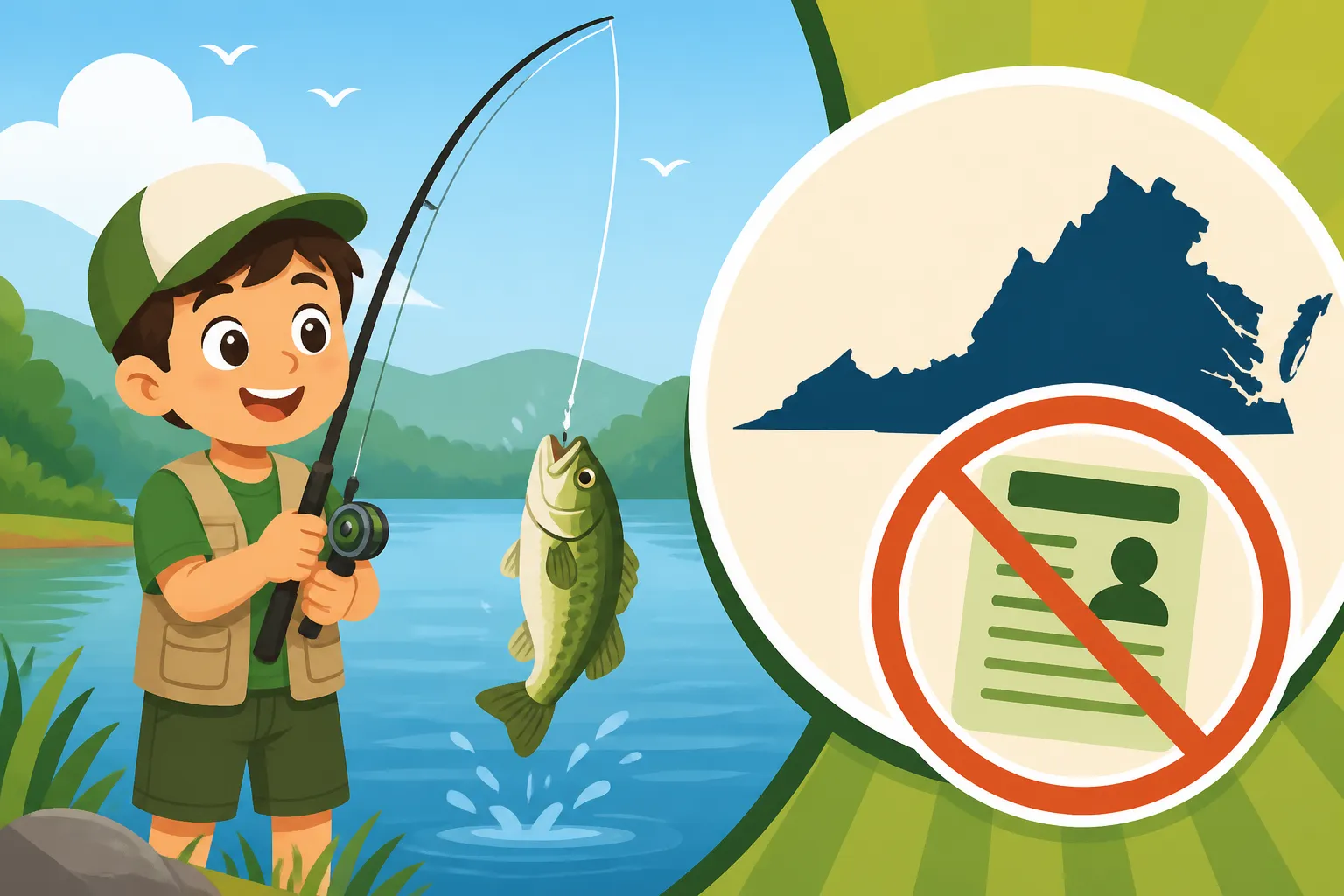
Here’s the simple truth that will put many minds at ease: In Virginia, any resident or non-resident child under the age of 16 can fish without needing a state fishing license. That's right, if your little one hasn't hit their sixteenth birthday yet, they are free to cast a line in most public waters without you having to worry about purchasing an additional license for them. This rule is a fantastic way for families to introduce fishing to children without an extra financial burden or bureaucratic hurdle. Imagine the joy of watching your child reel in their first sunfish, knowing that all you needed to provide was the rod, reel, and bait!
This "magic age" of 16 aligns with many other states and is designed to remove barriers for youth participation in outdoor activities. It's a deliberate choice by the DWR to foster a love for fishing and conservation from a young age, hoping that these early, positive experiences will lead to lifelong enthusiasts who will then support wildlife management through license purchases when they are older. It’s an investment in the future of Virginia's fisheries, pure and simple.
What "License-Exempt" Really Means for Kids
Being "license-exempt" doesn't just mean saving a few bucks; it grants kids under 16 a wonderful freedom to explore Virginia's diverse fishing opportunities alongside their adult counterparts. Whether you're planning a trip to the serene freshwater lakes of Smith Mountain Lake or angling for panfish in one of Virginia's numerous small ponds, your child can participate fully without their own piece of paper. This exemption applies to both freshwater and saltwater fishing, meaning your aspiring angler can try their hand at catching bass in a river or tossing a line for croaker in the Chesapeake Bay without needing a Virginia Fishing License Guide of their own.
However, it’s crucial to understand that while they don't need a license, they are still expected to follow all other fishing regulations. This includes respecting catch limits, size restrictions, and specific gear rules for the waters they are fishing in. For example, if the daily bass limit is five fish, that applies to their catch as well, and if a certain stretch of river has a "no live bait" rule, they must abide by that too. It's about teaching responsible angling from the start, even if they don't hold the official document. Think of it as a fantastic opportunity to model good stewardship and adherence to the rules.
Why These Rules Are in Place
The decision to exempt younger anglers from license requirements isn't just a random act of generosity; it's a strategic move rooted in conservation and education. Fishing license fees are the primary funding source for state wildlife agencies, including the DWR, which manages fish populations, maintains public boat ramps, conducts research, and enforces regulations. Without these funds, the health of Virginia's waters and its aquatic inhabitants would suffer.
By offering a license exemption for those under 16, the DWR hopes to cultivate a deep appreciation for fishing and the natural world in children. The idea is that these formative experiences will lead them to become licensed anglers when they reach the age of 16. This approach ensures a steady stream of future conservationists and financial support for the very resources they learned to love. It's a long-term vision, encouraging families to connect with nature, create lasting memories, and ultimately contribute to the sustainability of Virginia's incredible fishing heritage.
Common Scenarios and FAQs for Fishing with Kids
Let’s face it, fishing isn't always as simple as dropping a line. There are nuances depending on where you fish and what you’re targeting. Here, we'll dive into some common situations parents encounter when fishing with their kids in Virginia.
Fishing from a Pier or Shoreline
Fishing from a pier or shoreline is often a fantastic, accessible way to introduce children to fishing. You don't need a boat, and many piers offer amenities like bait shops and restrooms, making the experience much more comfortable for families. In Virginia, if you're fishing from a public pier or shoreline, the rule remains the same: children under 16 do not need a state fishing license. This applies whether you’re on a popular spot like the Virginia Beach Fishing Pier or casting from the bank of a local park pond.
However, there's a common catch: many privately owned piers, or even some public ones, might charge a fee for access. This fee is separate from a fishing license and helps maintain the facility. For instance, while your child under 16 won't need a Virginia's 10-Day Saltwater Fishing License to fish from a pier, they might still need to pay the pier's daily fishing fee. Always check with the specific pier or park beforehand to understand any access fees or special rules they might have. Some smaller, local community piers might even be free, but it's always best to confirm so there are no surprises when you arrive.
Fishing from a Boat with Licensed Adults
Taking the kids out on a boat for a fishing adventure is a classic experience! When you're out on the water, whether it's on the Chesapeake Bay or a freshwater reservoir like Lake Anna, the license exemption for children under 16 holds true. If you, as the accompanying adult, have your valid Virginia Fishing License Costs and Types Explained, your child can fish right alongside you without needing their own. This is great for family outings, as it means less paperwork and more time spent teaching them how to cast, reel, and maybe even bait their own hook.
It's important to remember that all individuals on the boat, regardless of age, must adhere to the same fishing regulations regarding catch limits, size limits, and species-specific rules. So, if you're targeting striped bass with a strict slot limit, everyone on board, including the kids, must follow those rules. This reinforces the idea that conservation is a collective effort, and everyone plays a part in preserving the fishery for future generations.
Special Rules for Stocked Trout Waters
Virginia is home to some fantastic trout fishing, especially in its designated stocked trout waters. These are streams and lakes where the DWR regularly releases hatchery-raised trout to enhance fishing opportunities. Now, this is where a slight nuance comes in, but it's still generally favorable for kids. According to the DWR, a special trout license is required to fish in designated stocked trout waters. This license is in addition to a regular fishing license, unless you are exempt from the regular fishing license requirements.
What this means for your child under 16 is that, because they are already exempt from needing a regular fishing license, they are also generally exempt from needing the special trout license. So, good news! Your child can join you in fishing these beautiful waters and even keep trout within the daily creel limits without needing to purchase an additional trout license. However, just like with other fishing, all other regulations specific to these stocked trout waters — such as seasons, creel limits, and any gear restrictions — still apply to them. You'll want to review the Virginia Stocked Trout Season Guide carefully before heading out to ensure you and your child are fully compliant. This ensures that the managed trout populations remain healthy and accessible for everyone.
Encouraging Young Anglers and Making Fishing Fun
Getting kids hooked on fishing is about so much more than licenses and limits. It's about creating memorable experiences, fostering a love for the outdoors, and teaching patience and respect for nature.
Beyond the License: Focusing on the Experience
While it's wonderful that kids under 16 don't need a license, the real goal is to make their time on the water truly enjoyable. Forget about chasing trophy fish on their first outing. Instead, focus on panfish like bluegill or sunfish, which are typically abundant, easy to catch, and provide immediate gratification. The thrill of a bobber disappearing or feeling that first tug on the line is often all it takes to spark a lifelong passion.
Simple, child-friendly gear can make a huge difference. A basic spinning rod and reel combo that fits their hands, some easy-to-use bobbers, and a tackle box filled with colorful lures and hooks can be found readily at local sporting goods stores or online retailers like Amazon. Don't forget a comfortable hat, sunglasses, and plenty of sunscreen to protect them from the elements. The aim is to remove as many frustrations as possible, allowing them to focus on the fun. Remember, it's not always about how many fish they catch, but the laughter, the learning, and the quality time spent together.
Preparing for a Family Fishing Trip
A successful family fishing trip, especially with younger children, is all about preparation. It starts long before you even leave the house. Pack a cooler with plenty of water, juice boxes, and snacks – hungry or thirsty kids can quickly turn a fun outing into a grumpy one. A comfortable folding chair or blanket can also be a game-changer, offering a spot to rest during slower periods.
Before you go, have a quick chat with your kids about what to expect. Explain that fishing requires patience, that they might not catch a fish every time, and that the fun is in the trying. Teach them basic casting techniques in the yard, so they feel more confident when they get to the water. Show them how to gently release fish they don't want to keep. By setting realistic expectations and equipping them with a few basic skills, you're building a foundation for a positive experience. Remember to celebrate every catch, no matter how small, and even every "almost" catch!
Virginia's Free Fishing Days
If you're still feeling a bit overwhelmed by the rules, or if you have older kids (16 and up) or adults in your group who aren't licensed, Virginia offers an amazing opportunity each year: Virginia Free Fishing Days! Typically held over a weekend in early June, these days allow anyone, regardless of age or residency, to fish in most public waters without a state fishing license. It's an incredible chance for entire families or groups of friends to experience fishing together completely license-free.
Mark your calendar for these dates, usually announced by the DWR well in advance. During these free fishing days, all other fishing regulations, such as creel limits and size restrictions, still apply. It’s an ideal time to explore new fishing spots, introduce older friends to the hobby, or simply enjoy a hassle-free day on the water. It’s a fantastic way to cast off any lingering worries about licenses and just enjoy the pure joy of fishing.
What Happens if There's a Misunderstanding?
While the rules for kids are quite clear, sometimes confusion can still arise, or you might encounter a DWR conservation police officer (game warden) on the water. It's good to know what to expect.
Game Wardens and Enforcement
Virginia's game wardens are dedicated professionals who work tirelessly to protect our natural resources. They're also often avid anglers themselves and understand the importance of encouraging youth participation. If you're out fishing with your kids, and a warden approaches, don't panic. They are typically looking to ensure everyone is compliant with regulations and to offer assistance if needed.
For children under 16, as long as they are genuinely fishing (and not, for example, an adult claiming to be under 16), there should be no issue regarding a fishing license. Wardens are generally understanding and educational, especially when it comes to families introducing children to the sport. They're more likely to offer advice or answer questions than to issue citations, particularly to those who are clearly trying to do the right thing.
How to Avoid Issues
The best way to avoid any potential misunderstandings is to be prepared and knowledgeable. While your child under 16 won't need a license, you, as the accompanying adult (if you are 16 or older), will need a valid Virginia fishing license. Make sure you have your license readily available, whether it's a physical copy, a printed PDF, or accessible on your phone through the DWR Go Outdoors VA app. It's also a good idea to carry some form of identification for yourself.
Always know the specific regulations for the body of water you're fishing, including any special length limits, creel limits, or seasons for the species you're targeting. The DWR website and its annual fishing regulations digest are excellent resources for this information. By demonstrating that you're informed and respectful of the rules, you set a great example for your children and ensure a smooth interaction with any enforcement officers you might encounter. Remember, game wardens are there to help protect the sport we all love, and cooperation makes their job, and your fishing trip, much more enjoyable.
Virginia Youth Fishing License Overview
To help you quickly grasp the key points, here's a table summarizing Virginia's fishing license requirements for young anglers:
| Age Group | Basic Virginia Fishing License Required | Special Stocked Trout License Required (if keeping trout in designated waters) | Other Regulations (Creel Limits, Size Limits, etc.) Apply | Notes |
|---|---|---|---|---|
| Under 16 years old | No | No | Yes | Encouraged to fish, focus on fun! Adults accompanying them (16+) must have their own valid license. Children must still follow all other regulations for the specific water body and species. |
| 16 years old and over | Yes | Yes (in addition to basic license, if fishing designated stocked trout waters) | Yes | Now considered an adult angler by DWR regulations. Must purchase appropriate licenses. Explore options like a Virginia Resident Freshwater Fishing License Cost or a Virginia Resident Combination Fishing License Price. |
| All Ages (on Free Fishing Days) | No | No | Yes | Specific dates (usually a weekend in June) when no state fishing license is required for anyone. All other regulations still apply. A great opportunity for families and new anglers! |
This table should provide a clear reference point, but remember, always double-check the most current Virginia DWR regulations before heading out, as rules can occasionally change.
Disclaimer
This article is for general informational purposes only and does not constitute professional advice. Laws, prices and regulations vary by location and change over time. Consult a qualified professional for guidance on your specific situation.