How trout stocking seasons work
If you've ever found yourself wondering when exactly Virginia's trout streams magically fill up with those beautiful, feisty fish, you're not alone. The world of trout stocking can feel a bit like a secret society, with dates that seem to appear out of thin air and everyone else already having the inside scoop. But fear not, because understanding the rhythm of Virginia's trout stocking seasons is key to maximizing your chances of a successful and truly enjoyable angling experience. This guide will walk you through everything you need to know, from the "why" to the "when" and "how" of chasing stocked trout across the Commonwealth.
Understanding Virginia's Trout Stocking Program
Virginia's trout stocking program is a fantastic initiative designed to provide ample fishing opportunities, especially in areas where natural trout populations might struggle to thrive due to habitat limitations or warmer water temperatures. It's a real boon for anglers, making trout fishing accessible to many more people than it would be otherwise.
Why Virginia Stocks Trout
Let's be honest, not every stream in Virginia is a pristine, ice-cold mountain wonderland capable of supporting a thriving wild trout population year-round. Many of our most accessible rivers and lakes just get too warm in the summer months for trout to survive. That's where stocking comes in. The Virginia Department of Wildlife Resources (DWR) steps in to bridge that gap, ensuring that anglers across the state can still enjoy the thrill of trout fishing. They stock millions of trout annually into designated waters, creating put-and-take fisheries where the expectation is that fish will be harvested. This program directly supports recreational fishing, providing a much-needed boost for local economies and giving folks a wonderful reason to get out and enjoy Virginia's natural beauty. It's also a fantastic way to introduce new anglers, especially kids, to the sport, as stocked trout are often a bit less wary than their wild counterparts.
The Role of the Virginia Department of Wildlife Resources DWR
The DWR is truly the unsung hero behind Virginia's trout stocking success. They operate several state-of-the-art hatcheries, like the well-known Marion Fish Hatchery, where they raise robust rainbow, brown, and brook trout from eggs to catchable size. These fish are carefully managed, fed, and monitored to ensure they're healthy and ready for release. The DWR's biologists and hatchery staff work tirelessly, often in less-than-ideal weather conditions, to transport and distribute these trout to hundreds of miles of streams and dozens of lakes across the state. They're constantly evaluating water quality, stream flows, and angler pressure to make informed decisions about where and when to stock. If you've ever seen a DWR truck backing up to a stream to release a fresh batch of fish, you know it's a meticulously planned operation designed to spread the fish out and give everyone a fair shot. It’s this dedicated effort that allows us to enjoy such a vibrant trout fishery in Virginia.
The Nitty-Gritty of Virginia's Stocked Trout Seasons
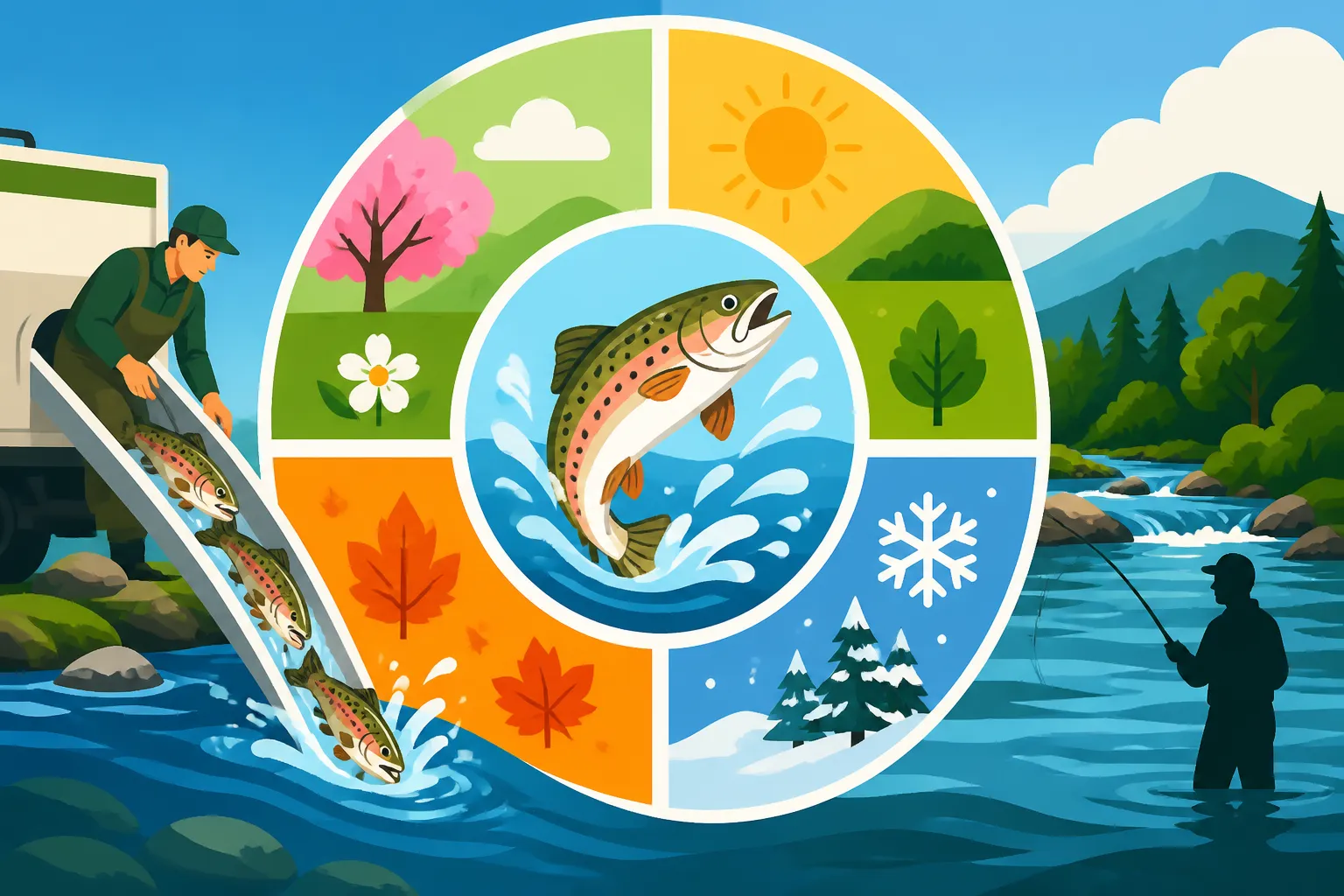
Alright, let's talk about the timing, because this is often where the most confusion lies. Unlike some other fishing seasons that have hard start and end dates, trout stocking works on a more fluid, but predictable, schedule. Generally, Virginia divides its stocked trout season into three main periods: fall, winter, and spring.
General Stocking Schedule and Key Periods
The Virginia DWR typically kicks off its stocking efforts in the fall, usually beginning in October and continuing through November. These initial stockings are a fantastic opportunity, as the water temperatures are cooling down, and the fish are often quite active after their journey from the hatchery. The fall stockings are particularly popular because they coincide with beautiful autumn foliage and comfortable weather, making for an incredibly scenic fishing experience.
Next up is the winter stocking period, which usually runs from December through February. While many anglers might shy away from the colder weather, those brave enough to bundle up can find some incredible fishing. The DWR often continues to stock throughout these months, replenishing waters that have seen significant angling pressure. The fish tend to be a bit more lethargic in the colder water, but they're still there, ready to bite for the patient angler.
Finally, and perhaps most anticipated, is the spring stocking season, running roughly from March to early June. This is peak trout fishing time in Virginia! As the weather warms and cabin fever sets in, anglers flock to the stocked waters. The DWR ramps up its stocking efforts during this period, often releasing fish weekly or bi-weekly into popular destinations. This ensures a continuous supply of trout for the high demand. It's important to note that while the season generally runs from October to mid-June, the actual stocking dates for specific bodies of water are usually announced weekly on the DWR website. This is to spread out angler pressure and prevent overcrowding on any single day. For a complete overview, you might want to read our article on Virginia Stocked Trout Season October Through Mid-June.
Specifics of the Stocked Trout License Requirements
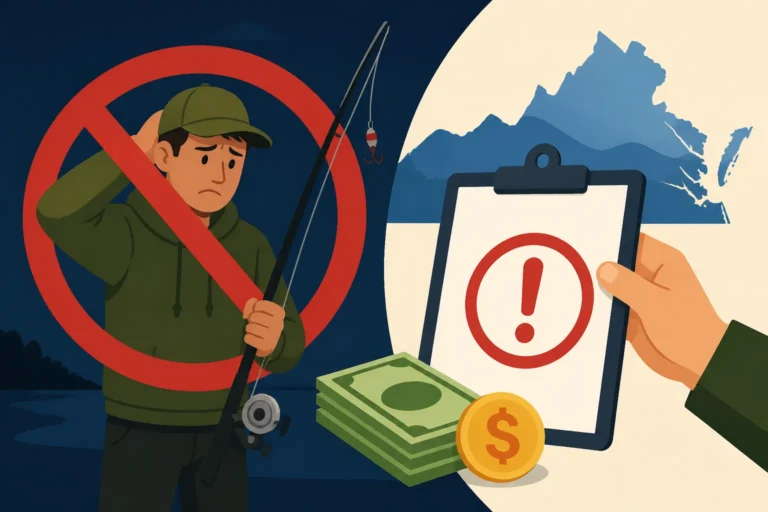
Here's something crucial that often trips up new anglers: you can't just rely on your general fishing license if you plan to target stocked trout in Virginia. If you're going after trout in designated stocked waters, you'll need to purchase a separate, additional permit. This is called the Virginia Freshwater Trout License, and it's vital for anyone participating in the put-and-take fishery.
Why the extra license, you ask? Well, the funds generated from these specific trout licenses go directly back into the trout program. This money helps support the DWR's hatcheries, allowing them to raise and distribute millions of trout each year, maintain stocking access points, and manage the trout waters. Without it, the program simply wouldn't be sustainable at its current level. This is why it's so important to be aware of the requirements.
This license is required for all anglers aged 16 and older, whether you're a resident or a nonresident. There are some exceptions, such as during Virginia's Free Fishing Days, but generally, if you're fishing a designated stocked trout water outside of those special days, you need it. You can easily add this permit when you purchase your annual Virginia Fishing License Guide or renew it online. Make sure you're always checking the current regulations to avoid any penalties. For more detailed information on this specific requirement, check out our guide on Do You Need a Special License for Stocked Trout in Virginia?.
What to Expect During Each Stocking Season
Each stocking season in Virginia offers a unique experience, influenced by water temperatures, weather patterns, and angler behavior. Knowing what to anticipate can help you choose the right gear and tactics for a successful outing.
Fall Stocking: A Fresh Start
Ah, fall in Virginia – it's a glorious time to be outdoors, and the trout stocking program makes it even better. When the DWR begins its fall stocking, usually in October, the air is crisp, the leaves are turning vibrant shades of red and gold, and the water temperatures are dropping to that perfect range for trout.
What you'll find during this time are energetic, newly released fish that are often quite aggressive. They've just been introduced to a new environment and are usually eager to feed. This makes them relatively easy targets for a variety of baits and lures. You'll see anglers having success with traditional offerings like PowerBait (in all its colorful glory), corn, and live worms. Small spinners, like a classic Mepps Aglia or a Panther Martin, are also incredibly effective. Fly anglers will find success with attractor patterns, nymphs, and sometimes even small streamers.
The atmosphere on the water is generally pleasant. While there will be other anglers, it's often not as crowded as the peak spring season. You can really take your time, enjoy the scenery, and work a stretch of stream without feeling rushed. Fall is a fantastic season for both experienced anglers and those new to trout fishing, offering a high probability of hooking up and creating lasting memories. It’s also a beautiful time to explore some of the Best Trout Streams in Virginia.
Winter Stocking: Cold Water Rewards
Winter trout fishing in Virginia can be a bit more challenging, but it can also be incredibly rewarding for those who brave the cold. Stocking continues through the colder months, typically from December through February, ensuring that even in the dead of winter, there are fish to be caught.
During this period, water temperatures are at their lowest. This means the trout are generally less active and more lethargic than they are in the fall or spring. They'll often hold in deeper, slower pools where they can conserve energy. Your presentation will need to be slower, more subtle, and often involve getting your bait or lure right in front of their faces.
Baits like PowerBait, especially in brighter colors, can still work well, as can natural offerings like corn or small pieces of shrimp. Many anglers swear by tiny jigs tipped with a grub or a waxworm, fished slowly under a bobber. Fly anglers will primarily focus on nymphing techniques, using small, heavily weighted patterns to get down to where the fish are holding. Stealth is also more important in winter, as the clear, cold water can make fish warier. Dressing in layers, wearing insulated waterproof boots, and bringing a thermos of hot coffee are essential for comfort and success during this season.
Spring Stocking: Peak Angling Action
Spring is, without a doubt, the most popular and busiest time for stocked trout fishing in Virginia. Running from March through early June, this is when the DWR really ramps up its stocking schedule, often delivering fresh batches of trout multiple times a week to high-traffic areas.
The warming weather and increased insect activity make the trout incredibly active and hungry. This means fast action and lots of bites! However, it also means you'll be sharing the water with many other eager anglers. Popular spots can get crowded, so arriving early, especially on a weekend morning, is a good strategy.
Technique-wise, anything goes in the spring. PowerBait, corn, and worms are still incredibly effective, but you'll also see more success with artificial lures. Spinners, small spoons, and even tiny jerkbaits can produce excellent results. For fly anglers, the spring means a smorgasbord of insect hatches, from midges and caddis to various mayflies. Dry fly fishing can be fantastic on warmer days, but nymphing remains consistently productive. Streamers can also entice larger, more aggressive trout. The key is to be adaptable and observant. Pay attention to what other successful anglers are using, and don't be afraid to switch up your approach. The thrill of hooking into a freshly stocked trout in the beautiful Virginia spring is a quintessential angling experience.
Navigating Stocked Waters and Finding Fish
Finding where and when trout are stocked can sometimes feel like a treasure hunt, but with a little know-how, you can be right there when the action happens.
Identifying Stocked Trout Waters
The most reliable source for Virginia's trout stocking information is, hands down, the Virginia Department of Wildlife Resources (DWR) website. They maintain an updated list of designated stocked trout waters, which includes specific sections of rivers, streams, and various lakes and ponds throughout the state. It's a comprehensive resource that clearly outlines which waters are part of the put-and-take program.
Even better, during the peak stocking seasons (fall, winter, and especially spring), the DWR publishes a weekly stocking schedule. This schedule will tell you which specific waters have been stocked, often within the last 24-48 hours. Many experienced anglers check this page religiously, sometimes even several times a day, to plan their next trip. You can find maps and directions to many of these locations directly on the DWR site, too. Local tackle shops are also excellent resources; they often have the most up-to-date local stocking news and can offer valuable insights into specific hotspots and recent catches. Checking these resources before you head out is crucial for success, ensuring you're fishing where the fish actually are.
Essential Gear and Techniques for Stocked Trout
You don't need a fortune to get started with stocked trout fishing, but having the right basic gear will make a huge difference.
- Rods and Reels: A light to ultralight spinning rod (4.5 to 6.5 feet) paired with a small spinning reel (size 1000 or 2000) is perfect. This setup allows for light lines, sensitive bites, and excellent casting control for smaller baits and lures. Brands like Ugly Stik or a basic Shimano combo found on Amazon are great starting points.
- Line: Opt for a 4 to 6-pound test monofilament or fluorocarbon line. Monofilament is forgiving, while fluorocarbon is less visible underwater and has less stretch.
- Baits:
- PowerBait: This synthetic dough bait is a staple for stocked trout. Form it into a small ball around your hook, making sure it floats. Various colors work, but chartreuse, orange, and rainbow often excel.
- Corn: A few kernels of regular canned corn on a small hook can be incredibly effective, especially for freshly stocked fish that might have been raised on a pellet diet resembling corn.
- Worms: Live red wigglers or nightcrawlers (pinched in half) are always a classic and reliable choice.
- Marshmallows: Believe it or not, small pieces of mini marshmallows can work, often floated just off the bottom.
- Lures:
- Spinners: Small inline spinners (e.g., Mepps, Panther Martin, Rooster Tail) in sizes #0 to #2 are deadly. Their flashing blades and vibrations attract trout from a distance. You can find a wide selection of these on Amazon.
- Spoons: Tiny casting spoons (e.g., Kastmaster, Little Cleo) can also be effective, especially when retrieving them with a erratic jigging motion.
- Terminal Tackle: You'll need an assortment of small hooks (sizes 8-14, bait holder or treble), small split shot weights, and a few small bobbers (slip bobbers are versatile). A small tackle box from Amazon is perfect for keeping everything organized.
- Techniques:
- Bottom Fishing: This is probably the most common technique for bait. Use a hook, a few split shot weights a foot or so above the hook, and allow your bait (PowerBait, corn, worm) to rest on or just off the bottom.
- Float Fishing: For baits that don't float, or to present bait at a specific depth, a bobber is your friend. This allows your bait to drift naturally with the current.
- Casting and Retrieving Lures: For spinners and spoons, cast upstream or across the current and retrieve slowly enough for the lure to work its magic. Vary your retrieve speed and add small twitches to entice bites.
- Fly Fishing (for the dedicated): For those with a fly rod, small nymphs (Pheasant Tail, Hare's Ear, Prince Nymph) fished under an indicator are typically the most consistent producers for stocked trout. Streamers can also be effective, especially for aggressive fish.
Remember, trout often hold in slower pools, eddies behind rocks, or along current seams. Look for deeper water with some cover. Be patient, observe the water, and don't be afraid to experiment with different baits and presentations until you find what the fish are biting on that day. For a deeper dive into bait selection, our article on the Best Bait for Rainbow Trout in Mountain Streams has some fantastic tips.
Beyond the Stocked Waters: Wild Trout Considerations
While stocked trout provide abundant opportunities, Virginia is also home to incredible wild trout fisheries, though they operate under very different rules and offer a distinct angling experience.
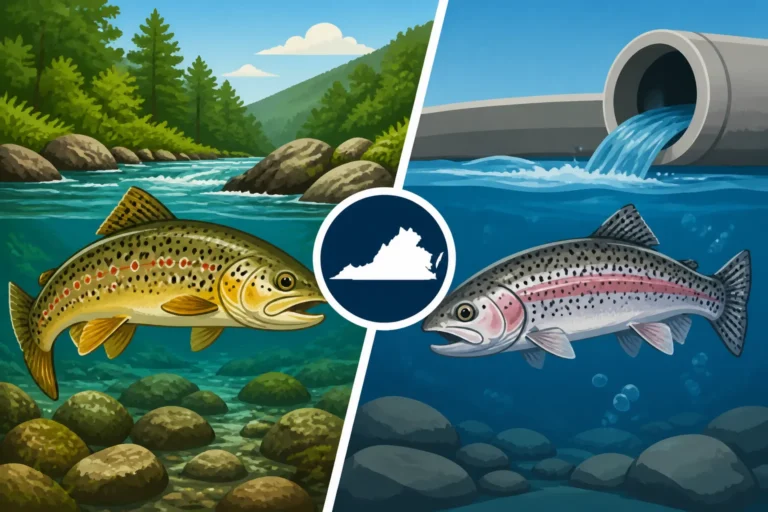
Distinguishing Stocked from Wild Trout
Learning to tell the difference between a stocked trout and a wild one can really enhance your appreciation for the fish you catch. Stocked trout, having been raised in a hatchery, often show certain tell-tale signs:
- Fins: Stocked trout frequently have worn, stubby, or damaged fins, especially their dorsal and caudal (tail) fins. This is due to rubbing against concrete raceways or other fish in crowded hatchery conditions. Wild trout, by contrast, typically have perfect, well-formed, and often brightly colored fins.
- Coloration: While vibrant, stocked trout's colors can sometimes appear a bit muted or less distinct than their wild counterparts. Wild trout, particularly brook trout, boast incredibly vivid and intricate patterns, a direct reflection of their natural diet and environment.
- Snouts: Stocked trout sometimes have blunter, more rounded snouts from rubbing against hatchery walls. Wild trout usually have a more pointed, streamlined head.
- Behavior: Freshly stocked trout might be a bit disoriented or less wary, making them easier to catch initially. Wild trout are notoriously spooky and require a more stealthy approach.
Understanding these differences not only helps you identify your catch but also encourages ethical angling practices, especially in waters where both types of trout might coexist. For more on identifying specific species, check out Rainbow Trout vs Brown Trout in Virginia: How to Tell Them Apart or How Virginia Anglers Tell a Brook Trout From a Rainbow Trout.
Wild Trout Streams and Their Unique Rules
Virginia's wild trout streams are truly special places, often found in remote, pristine mountain settings, and they are managed very differently from stocked waters. These are streams where trout populations (primarily native brook trout, but also wild rainbow and brown trout in some areas) reproduce naturally without human intervention.
Because these ecosystems are delicate and the fish are self-sustaining, the regulations for wild trout streams are generally much stricter. Common rules include:
- Catch and Release Only: Many wild trout streams are designated as "catch and release" to protect the breeding population.
- Single Hook, Artificial Lures/Flies Only: To minimize harm to the fish, only single, barbless hooks and artificial lures or flies are often permitted. Natural baits are usually prohibited.
- Special Season Dates: While stocked trout season is long, wild trout streams often have specific, sometimes shorter, open seasons to further protect them.
- Size Limits: Even in streams where harvest is allowed, minimum or maximum size limits are typically in place to ensure larger, breeding fish can survive.
These regulations are put in place to conserve these precious natural resources and ensure that future generations can enjoy the beauty and challenge of catching a truly wild Virginia trout. Before venturing into these waters, always consult the DWR's Virginia Fishing Regulations Explained or specifically the Wild Trout Stream Rules in Virginia to ensure you're in compliance. Respecting these rules is paramount to preserving these unique fisheries.
| Stocking Season | General Timing | Water Temperature | Angler Activity | Typical Trout Behavior | Recommended Gear/Techniques |
|---|---|---|---|---|---|
| Fall | Oct – Nov | Cooling | Moderate | Active, Eager to Feed | PowerBait, Worms, Small Spinners, Nymphs |
| Winter | Dec – Feb | Cold | Low to Moderate | Lethargic, Deeper Holds | Slow Baits, Tiny Jigs, Weighted Nymphs |
| Spring | Mar – Early Jun | Warming | High | Active, Feeding Well | Wide Variety (Baits, Spinners, Spoons, Flies) |
No matter which season you choose to fish, a little preparation and understanding of how Virginia's trout stocking seasons work will set you up for a much more rewarding experience. Always remember to check the DWR's latest stocking schedules and regulations, carry your valid fishing license and trout stamp, and most importantly, enjoy your time on Virginia's beautiful trout waters!
Disclaimer
The information provided in this guide is for general informational purposes only and is subject to change. Anglers are responsible for consulting the most current Virginia Department of Wildlife Resources (DWR) regulations and obtaining appropriate licenses and permits before fishing. We do not guarantee the accuracy or completeness of this information and recommend always verifying details with official DWR sources.