Virginia’s fishing license agreements with Kentucky
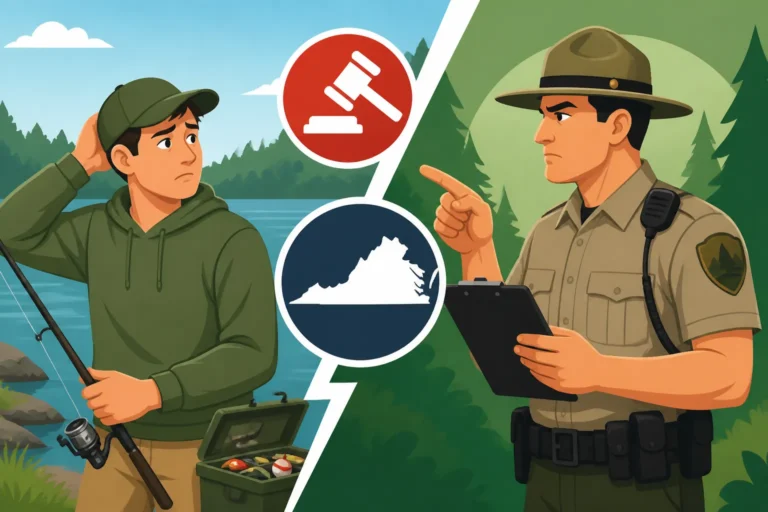
It's incredibly frustrating when you're planning a fishing trip that might brush up against state lines, only to find yourself wondering if your trusty fishing license will actually cover you. The confusion surrounding fishing license reciprocity between different states can quickly turn an exciting outing into a bureaucratic headache. This guide is here to untangle the specific question of whether Virginia and Kentucky have any fishing license agreements, providing clear answers and practical advice for anglers navigating these border waters.
Navigating Interstate Fishing Waters: The Virginia-Kentucky Challenge
Anglers often dream of seamless adventures, casting lines wherever the fish might bite, but the reality of state boundaries and differing regulations can quickly bring you back down to earth. Understanding how fishing licenses work when you’re near a state border is crucial, and it’s especially pertinent for those looking to fish between Virginia and Kentucky.
The Concept of Fishing License Reciprocity
At its heart, fishing license reciprocity is an agreement between two or more states that allows an angler holding a valid license from one state to fish in specific shared waters without needing a separate license from the other state. These agreements are usually forged out of necessity, typically for large rivers or lakes that naturally straddle state lines, making it practically impossible for anglers to always know which side of the invisible line they're on. Think of the Potomac River, where Virginia and Maryland have agreements, or Buggs Island Lake (Kerr Reservoir) and Lake Gaston, which are shared between Virginia and North Carolina. These agreements simplify things immensely, benefiting both anglers and conservation efforts by ensuring more people are legally licensed and contributing to wildlife management. However, such reciprocity is not universal, and it often requires very specific geographic conditions to make sense.
The Geographic Reality of the Virginia-Kentucky Border
When you look at a map, Virginia and Kentucky do indeed share a border, primarily along the mountainous southwestern region of Virginia, stretching through areas like Wise County and Lee County. This terrain, characterized by the Cumberland Mountains and numerous smaller rivers and streams, is beautiful and teeming with wildlife. However, unlike the wide, navigable rivers or expansive reservoirs that form significant interstate boundaries elsewhere, the Virginia-Kentucky border doesn't feature major, easily accessible shared waterways that would typically necessitate a broad reciprocal fishing license agreement. The border follows natural geographical features, but these aren't the kind of large, inter-jurisdictional fishing grounds that usually trigger a formal reciprocity compact. This distinct geographic setup is a key factor in understanding the licensing situation for anglers who might fish near or cross this particular state line.
Deciphering Virginia and Kentucky's Fishing License Requirements
Now, let's get right to the heart of the matter for anyone eyeing the waters near the Virginia-Kentucky border. The short answer, and the most important takeaway, is that generally speaking, you'll need to pay close attention to which state's waters you're in.
No General Reciprocity Agreements
For the vast majority of lakes, rivers, and streams that comprise the Virginia-Kentucky border region, there is no broad, statewide reciprocal fishing license agreement in place. This means that if you are fishing in waters that are legally considered part of Virginia, you absolutely must possess a valid Virginia fishing license. Conversely, if you cast your line into waters that fall under Kentucky's jurisdiction, a Kentucky fishing license is required. This isn't just a recommendation; it's a legal requirement enforced by both states' wildlife and natural resources departments. It’s a common misconception that bordering states automatically have such agreements, but without a significant, shared body of water explicitly designated for reciprocity, anglers need to assume they require the license for the state they are physically located in. This can be a bit of a bummer if you're planning a trip that might involve fishing on both sides, but it's the reality of the situation.
The "Where Your Feet Are" Rule
This principle is a simple yet effective way to remember your licensing obligations when fishing near state borders that lack formal reciprocity. Essentially, you need a license from the state in which your fishing activity is taking place. If you're standing on the bank in Virginia, you need a Virginia license. If your boat is anchored in a cove that's clearly within Kentucky territory, you need a Kentucky license. But what about those tricky situations? Imagine you cast your line from a Virginia bank, and your lure lands in what you believe are Kentucky waters. Or, even more complex, you hook a fish in one state's waters, but the fight takes you and the fish across the invisible state line before you finally land it.
In these scenarios, game wardens and wildlife officers typically look at where the angler is located, or where the act of fishing (casting, retrieving, or even holding a rod with a line in the water) is occurring. While it might seem overly strict, the easiest way to stay compliant is to ensure you have the appropriate license for the state you are physically occupying at the moment you are fishing. It prevents any ambiguity and potential legal issues. It's not just about where the fish is caught, but where you are and where your fishing gear is actively deployed.
Special Cases and Joint Waters (or Lack Thereof)
While Virginia and Kentucky do not share any major, well-known "joint waters" that come with special reciprocal agreements like some other bordering states do, it's always wise to be informed about the possibility of highly localized exceptions. In some very rare instances, a tiny pond or a small, non-navigable creek that perfectly bisects properties might have a hyper-local agreement, often known only to residents or specific property owners. However, these are exceedingly uncommon and are certainly not part of any broader, publicly advertised DWR (Department of Wildlife Resources) policy.
For all practical purposes, when planning a fishing trip near the Virginia-Kentucky border, assume that the general rule of "no reciprocity" applies. It's crucial not to mistake a lack of obvious physical barriers on a small stream for a lack of jurisdictional boundaries. Always check the official DWR websites for both Virginia and Kentucky for the most current information. If you hear of a specific local agreement, verify it directly with the relevant state wildlife agencies to ensure you're not unknowingly breaking the law. Erring on the side of caution and obtaining the correct license for the state you plan to fish in is always the safest bet.
Practical Implications for Anglers Crossing the Border
The lack of widespread reciprocity between Virginia and Kentucky means anglers need to be particularly diligent when planning their trips. This can add a layer of complexity and cost, but understanding these implications upfront can save you a lot of trouble later.
The Necessity of Dual Licensing for Frequent Cross-Border Anglers
If your fishing plans frequently take you across the Virginia-Kentucky border, you're likely going to find yourself in a position where purchasing both a Virginia and a Kentucky fishing license is not just a convenience, but a necessity. This can feel like a double hit to your wallet, especially if you're used to fishing in states with more extensive reciprocity. However, consider it an investment in legal and worry-free angling.
For example, if you reside near the border in Virginia and often venture a few miles into Kentucky for specific fishing spots or species, or vice-versa, having both licenses ensures you're covered regardless of where your adventure takes you. The cost of a non-resident license can be higher than a resident one, so factor that into your budget. For residents of Virginia, an annual freshwater license costs around $23, and a saltwater license is about $17.50. Combining both into one Virginia license runs about $39.50. For out-of-state anglers, a Virginia nonresident combo license is $71. Compare this to Kentucky's fees, where a resident annual fishing license is $27, and a non-resident annual license is $60. It can add up, but it's a small price to pay to avoid fines and potential legal issues. You can find more detailed information on various Virginia licenses in our comprehensive guide on Virginia Fishing License Costs and Types Explained.
Identifying State Boundaries on the Water and Land
Knowing precisely where one state ends and another begins can be surprisingly difficult, especially when you're out on the water or in remote forested areas. Invisible lines on a map become very real when a game warden asks to see your license. Here are some practical tips for anglers trying to stay on the right side of the law:
- GPS and Mapping Apps: This is your best friend. Many modern GPS devices and smartphone apps (like those used for hunting or hiking, or even marine navigation apps for larger waters) allow you to download detailed topographic maps that clearly show state boundaries. Some premium apps even overlay property lines. Always download maps for offline use, as cell service can be spotty in remote border regions.
- Physical Markers: While rare, some areas might have physical markers like old survey stakes, signs, or changes in road signage that indicate a state line. Pay attention to these cues.
- Local Knowledge: Before heading out, talk to locals at bait shops, general stores, or even local DWR/KDFWR offices. They often have invaluable firsthand knowledge of specific boundary quirks or common fishing areas relative to state lines.
- Consult DWR/KDFWR Maps: Both state agencies might offer downloadable maps or online resources that highlight jurisdictional boundaries in certain areas. Always cross-reference with your GPS if possible.
It's a small effort, but being prepared with the right navigational tools can prevent accidental trespass into the wrong state's waters without the proper licensure.
Consequences of Fishing Without the Correct License
Ignorance of the law is never an excuse, and fishing without a valid license for the waters you're in can lead to significant headaches and penalties. Game wardens and wildlife officers are highly trained and have jurisdiction over these matters, and they take their role in protecting natural resources seriously.
The consequences can range from substantial fines, which can easily exceed the cost of buying both licenses, to the confiscation of your fishing gear. In more severe or repeat offenses, you could even face court appearances or loss of fishing privileges. Imagine having your prized rod and reel confiscated, or receiving a hefty fine that could have paid for several years of licenses. It's simply not worth the risk. Our article on Penalties for Fishing Without a License in Virginia elaborates on the specifics of what you could face in the Commonwealth. Always ensure you have your physical license or a readily accessible digital copy on your phone when fishing. It's not just about avoiding punishment; it's about respecting the laws that help fund the very conservation efforts that make fishing possible in the first place.
| License Type | Virginia Resident Annual Cost | Kentucky Resident Annual Cost | Virginia Non-Resident Annual Cost | Kentucky Non-Resident Annual Cost |
|---|---|---|---|---|
| Freshwater Fishing License | $23.00 | $27.00 | $47.00 | $60.00 |
| Saltwater Fishing License | $17.50 | N/A (Kentucky is landlocked) | $25.00 | N/A |
| Freshwater/Saltwater Combo | $39.50 | N/A | $71.00 | N/A |
Note: Prices are approximate and subject to change. Always verify current prices and types with the respective state's Department of Wildlife Resources.
Planning Your Multi-State Fishing Adventure
Embarking on a fishing trip that potentially spans the Virginia and Kentucky border requires more than just bait and tackle; it demands careful planning and thorough research. By taking a few extra steps, you can ensure a smooth, legal, and enjoyable experience.
Thorough Research Is Your Best Friend
Before you even pack your bags, make a dedicated effort to dive into the regulations for both Virginia and Kentucky. Each state has its own specific rules concerning species limits, season dates, length requirements, and even approved fishing methods. What's perfectly legal for largemouth bass in Virginia might have different restrictions in Kentucky, or vice-versa. You don't want to accidentally violate a slot limit or keep a fish out of season.
Always start with the official sources: the Virginia Department of Wildlife Resources (DWR) website and the Kentucky Department of Fish & Wildlife Resources (KDFWR) website. These sites provide the most up-to-date information, often with downloadable regulation guides. Pay close attention to any localized rules that might apply to the specific waters you plan to visit, as these can sometimes differ from statewide regulations. Our Virginia Fishing Regulations Explained guide is a great place to start for the Virginia side, and it's equally important to do similar research for Kentucky. Staying informed about Virginia's Fishing License and Catch Limit Basics and Kentucky's equivalents will make your trip much more successful and compliant.
Acquiring Your Licenses Seamlessly
Once you've confirmed your need for one or both licenses, the process of acquiring them is straightforward thanks to modern technology. Both Virginia and Kentucky offer convenient online purchasing options, which are often the quickest and easiest way to secure your license.
For Virginia, you can visit the Virginia DWR website, create an account (or log in if you're a returning angler), and purchase the license type that suits your needs. You can often print a temporary copy immediately, or save a digital version on your phone. If you prefer to buy in person, Virginia has numerous authorized license agents, including bait shops, sporting goods stores, and some department stores. Find out Where to Buy a Virginia Fishing License near your planned fishing area. Similarly, Kentucky's Department of Fish & Wildlife Resources website provides an online portal for purchasing their licenses. Many Kentucky sporting goods stores and county clerks also serve as license agents. It's always a good idea to purchase your licenses a few days before your trip to avoid any last-minute technical glitches or store closures, and remember to check if your license needs renewing in Virginia, as discussed in Renewing a Fishing License in Virginia.
Essential Gear and Trip Preparation
Beyond your fishing tackle and the all-important licenses, a well-planned trip to border waters requires a bit more thought in terms of essential gear and preparedness.
- Maps and Navigation: As mentioned earlier, a reliable GPS device or a smartphone with offline mapping capabilities is crucial for identifying state lines. Consider waterproof paper maps as a backup.
- Regulation Copies: It's a good practice to have a copy of both states' current fishing regulations. You can print them out or save them as PDFs on your phone. This way, if you have a question or are approached by a wildlife officer, you have the information readily at hand.
- Safety Gear: Always carry standard safety gear, including a first-aid kit, enough water, appropriate clothing for changing weather, and a way to signal for help (fully charged phone, whistle).
- Permits: In some areas, particularly in state parks or national forests along the border, you might need additional facility use permits or access passes beyond your fishing license. Always check with the specific park or land management agency if you plan to fish within their boundaries.
By taking these preparatory steps, you'll be well-equipped to handle the unique challenges and enjoy the fantastic fishing opportunities that the Virginia-Kentucky border region has to offer.
Disclaimer
The information provided in this guide is for general informational purposes only and is subject to change. Fishing regulations, license requirements, and fees can be updated by state agencies without prior notice. It is always the angler's responsibility to verify the most current rules and regulations directly with the Virginia Department of Wildlife Resources (DWR) and the Kentucky Department of Fish & Wildlife Resources (KDFWR) before engaging in any fishing activity. Always fish legally and responsibly.