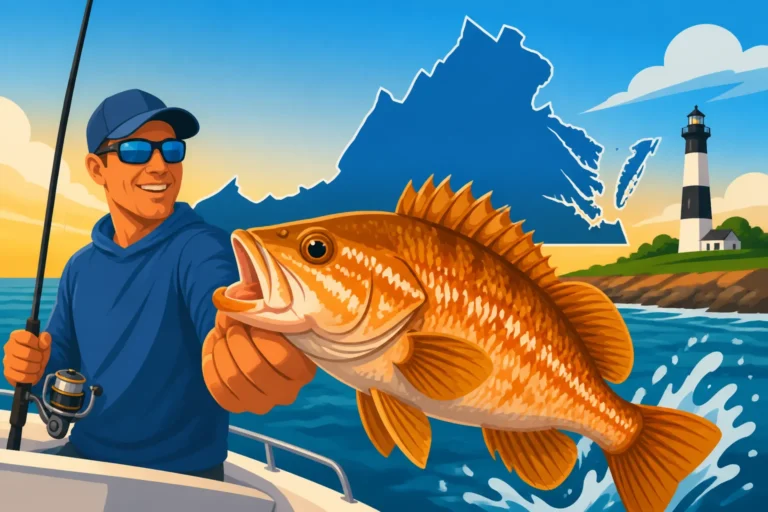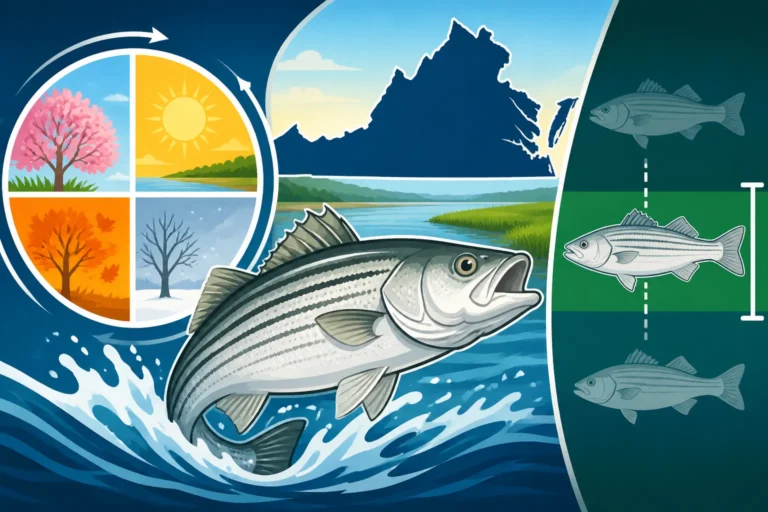
Virginia’s striped bass season runs January 1 through March 31
Trying to keep up with Virginia's ever-changing fishing seasons can feel like you need a law degree and a secret decoder ring, especially when it comes to highly sought-after species like striped bass. It’s a common frustration, and you're not alone in feeling a bit lost. This comprehensive guide is designed to cut through the confusion, zeroing in on the specific early-season window for striped bass in Virginia, which runs from January 1 through March 31, helping you understand exactly what to expect.
Understanding Virginia's Striped Bass Seasons
Virginia's approach to managing striped bass, often affectionately called rockfish by local anglers, is a careful balancing act aimed at sustaining healthy fish populations while providing angling opportunities. This often means distinct seasons and regulations, which can feel a little complicated at first glance. But once you understand the "why" behind it, it starts to make more sense.
Why the Split Season?
The main reason Virginia, and many other states along the East Coast, implements a split season for striped bass boils down to biology and conservation. Striped bass are migratory fish, and their patterns change throughout the year, especially with spawning. The fish move into and out of specific areas, often congregating in different habitats during different times, such as the warmer months when they might be found more offshore or further up tidal rivers. By having distinct seasons, wildlife management agencies like the Virginia Department of Wildlife Resources (DWR) can tailor regulations to specific biological events, like spawning runs, or to protect fish when they are most vulnerable. This staggered approach helps to distribute fishing pressure and ensures that enough fish can reproduce, contributing to the long-term health of the fishery. It’s all about sustainability, even if it means we have to adjust our calendars a bit!
The January 1 to March 31 Window
This initial segment of Virginia's striped bass season, from January 1st to March 31st, is often characterized by colder water temperatures and a more challenging fishing environment, but it can also offer some truly rewarding experiences for dedicated anglers. During this period, striped bass tend to be congregated in deeper, warmer pockets of water, often in the lower reaches of Virginia's tidal rivers or in the deeper channels of the Chesapeake Bay. They're trying to conserve energy in the cold, so they might not be as aggressively feeding as they would be in spring or fall. However, when you do find them, they can be quite concentrated, making for some exciting fishing if you know where to look and what techniques to employ. This season is also a time when many of the larger, mature fish are present before they begin their spring spawning migration. Remember, always double-check the most current regulations from the Virginia DWR before heading out, as they can sometimes change to adapt to the latest scientific data or stock assessments.
Navigating the Winter Striped Bass Fishery
Fishing for striped bass in the colder months of January, February, and March demands a different approach than the bustling spring or fall runs. The fish are still there, but their behavior is heavily influenced by water temperature and their need to conserve energy. This makes it a strategic game, one that rewards patience, precision, and the right gear.
Key Locations for Winter Striper Fishing
When the calendar flips to January, many anglers turn their attention to the deeper, more stable waters of Virginia's major tidal rivers and the deeper sections of the Chesapeake Bay. Rivers like the James, York, and Rappahannock are prime candidates, particularly their lower reaches where deeper channels and structures provide refuge for stripers from the biting cold. These areas often have warmer thermal refuges where baitfish congregate, and consequently, so do the stripers. The deeper holes, bridge pilings, and channel edges become hotspots. Some anglers also find success in the warmer outflows from power plants, which can create localized areas of elevated water temperature that attract both bait and predator fish. Exploring these specific areas during the winter months often requires good navigation skills and a reliable fish finder to locate those crucial deep-water schools. For those looking to fish Virginia's top fishing spots, focusing on these tidal river systems is a wise move.
Essential Gear and Techniques for Cold Water
Cold water striped bass fishing is all about finesse and efficiency. Forget the fast-moving topwater baits of summer; winter stripers are often lethargic. Jigs, soft plastics, and slow-trolled live baits are often the most effective. Heavier jigs, like ½-ounce to 2-ounce jig heads paired with 4-6 inch soft plastics (paddle tails or swimbaits), are excellent for getting down to where the fish are holding in the depths. Colors that mimic local baitfish, such as chartreuse, white, or pearl, tend to work well. For those who prefer live bait, slow-trolling or drifting with large shad, eels, or bunker can be incredibly productive. The key is to present the bait slowly, often right on the bottom or just above structure, to entice a strike from a less active fish. Make sure your tackle is robust enough to handle potentially large fish; medium-heavy rods paired with reels spooled with 20-40 lb braided line are a good start.
Beyond the fishing gear, staying warm is absolutely paramount. Hypothermia is a real danger. Layering is key: start with a moisture-wicking base layer, add insulating layers like fleece, and top it off with waterproof and windproof outerwear. Insulated boots, gloves, and a warm hat are non-negotiable. Many of these essential cold-weather items, from thermal underwear to waterproof gloves, can be conveniently found and ordered from retailers like Amazon, ensuring you're fully prepared before you even leave the house. Also, consider bringing a thermos of hot coffee or soup to keep your core temperature up.
Regulations and Compliance for the Early Season
Understanding the rules isn't just about avoiding a fine; it's about being a responsible angler and contributing to the conservation efforts that keep Virginia's fisheries thriving. The regulations for striped bass, especially during a specific window like January 1 to March 31, are in place for a reason, and knowing them inside and out is crucial for a successful and legal trip.
Virginia's Striped Bass Slot Limit During This Period
During the January 1 to March 31 segment of the season, Virginia imposes a specific slot limit for striped bass. This means that you can only keep fish that fall within a certain length range. For striped bass in Virginia, the slot limit is typically 28 to 31 inches. This regulation is designed to protect both juvenile fish, allowing them to grow and mature, and the largest, most productive spawning females. You are generally allowed to keep one fish per person per day within this slot limit. This means if you catch a striped bass smaller than 28 inches or larger than 31 inches, it must be immediately released unharmed. It's vital to have a reliable measuring device on your boat or person to ensure accurate measurements, as misidentifying a fish's length could lead to a penalty. Always remember to check the most current information available from the Virginia DWR, as regulations can change, but the 28 to 31-inch slot limit has been a consistent feature of Virginia's striped bass management.
The Importance of Your Fishing License
There's no way around it: if you're fishing in Virginia, you need a valid fishing license. This isn't just a bureaucratic hurdle; the fees from fishing licenses directly support vital conservation programs, habitat restoration, fish stocking efforts, and enforcement by game wardens. Without these funds, the incredible fishing opportunities we enjoy wouldn't be possible. For the January to March striped bass season, you'll need the appropriate Virginia fishing license. If you're fishing in the tidal waters of the Chesapeake Bay or its tributaries, you'll likely need a saltwater fishing license, or a combination license if you plan to fish both freshwater and saltwater during the year. Non-residents will need a non-resident specific license. Getting caught without one isn't just embarrassing; it can result in significant fines and the confiscation of your gear. Game wardens are out there, especially during peak seasons and in popular fishing areas, ensuring everyone is compliant. You can easily purchase your license online through the Virginia DWR website, from authorized license agents like tackle shops, or even from major retailers like Walmart, which often have a sporting goods department that issues licenses. Don't let a forgotten license ruin your trip! If you're unsure about the specifics, our guide on how to get a fishing license in Virginia can walk you through the process.
Preparing for a Successful Winter Striper Trip
Embarking on a winter striped bass adventure requires more than just knowing where the fish are and what bait to use; it demands careful preparation for the elements and a commitment to responsible angling practices. Cold weather can be unforgiving, and the well-being of the fish, especially after a tough fight in frigid water, rests on your actions.
Weather Considerations and Safety
Winter fishing in Virginia can be beautiful, but it can also be brutally cold and unpredictable. A mild morning can quickly turn into a freezing, windy afternoon. Always check the marine forecast before you head out, paying close attention to air temperature, water temperature, wind chill, and potential for precipitation. High winds can make boating extremely dangerous and uncomfortable, leading to choppy waters and increased risk of capsizing or hypothermia. Dress in multiple layers to trap warmth, and make sure your outer layers are waterproof and windproof. Brands like Carhartt or Grundens offer excellent options for rugged, cold-weather outerwear that stands up to the demands of winter fishing.
Beyond clothing, safety gear is non-negotiable. Ensure your boat is in top condition, with a fully charged battery, functioning lights, and enough fuel. Always wear a PFD (Personal Flotation Device), even if you're an experienced boater – cold water immersion can incapacitate you rapidly. Let someone know your float plan, including where you're going and when you expect to return. Consider bringing a portable heater (like a Mr. Heater Buddy, which is often available on Amazon) for your boat if you have an enclosed area, and pack emergency supplies like extra dry clothes, blankets, a first-aid kit, and plenty of hot beverages and high-energy snacks. The cold saps your energy quickly, so staying hydrated and fueled is crucial.
Best Practices for Catch and Release
During the cold January to March season, catch and release practices become even more critical due to the increased stress on fish in colder water. Striped bass caught in cold water are more susceptible to stress and mortality, so minimizing their time out of the water is paramount. If you're not planning to keep a fish within the legal slot limit, or if you catch one outside the slot, practice quick, clean releases.
Here are some tips:
- Minimize Handling: Try to keep the fish in the water as much as possible. Use a net with rubberized mesh to protect their slime coat and fins.
- Dehook Carefully: Have pliers or a dehooker readily available to quickly remove hooks. If a fish is deeply hooked, cut the line as close to the hook as possible rather than tearing sensitive internal organs.
- Support the Fish: If you must bring the fish out of the water for a quick picture or measurement, support its body horizontally to avoid damaging internal organs or its jaw. Never hold a large fish vertically by its jaw.
- Revive Gently: If the fish seems sluggish after release, hold it gently in the water, facing into the current, until it regains its strength and can swim away on its own. Avoid vigorously shaking it back and forth.
- Barbless Hooks: Consider using barbless hooks, or crimping down barbs, to make dehooking easier and faster, reducing trauma to the fish.
Practicing these techniques helps ensure that the fish you release survive to fight another day, contributing to the health of Virginia's striped bass population for future seasons.
| Feature | Virginia Striped Bass Season (Jan 1 – Mar 31) |
|---|---|
| Dates | January 1 through March 31 |
| Primary Locations | Lower tidal rivers (James, York, Rappahannock), deeper channels of Chesapeake Bay |
| Typical Slot Limit | 28 to 31 inches (always check current DWR regulations) |
| Possession Limit | One fish per person per day (always check current DWR regulations) |
| Key Techniques | Slow jigging with soft plastics, slow-trolling/drifting live bait (shad, eels), bottom fishing |
| Essential Gear | Medium-heavy rod, 20-40lb braided line, heavy jigs, cold-weather apparel, PFD, dehooker |
| Water Conditions | Cold, typically requiring precise bait presentation and slow retrieves |
| License Required | Yes, appropriate Virginia Fishing License Guide for saltwater/tidal waters |
| Conservation Focus | Protecting spawning stock and juvenile fish, reducing post-release mortality |
Disclaimer
The information provided in this guide is for general informational purposes only and is subject to change. Fishing regulations, seasons, and licensing requirements in Virginia are set by the Virginia Department of Wildlife Resources (DWR) and can be updated at any time. It is the angler's responsibility to consult the most current official DWR regulations before engaging in any fishing activities. Adherence to all local, state, and federal laws is mandatory. Fishing inherently carries risks, and safety precautions should always be taken.