What a Full-Day Charter Crew Expects From First-Timers
Stepping onto a full-day fishing charter for the first time can feel like you’re entering a secret club with its own unspoken rules. Many new anglers worry about looking foolish, slowing things down, or simply not knowing what's expected of them by the seasoned crew. This guide is here to pull back the curtain, giving you a clear picture of what a full-day charter crew typically looks for from first-time participants, ensuring you have a fantastic, stress-free, and productive outing on Virginia's beautiful waters.
Preparation is Key: Before You Step Aboard
The success of any fishing trip, especially a full-day charter, often hinges on the preparation that happens before you even step foot on the boat. A well-prepared first-timer is a crew's dream, showing respect for their time, expertise, and equipment.
Understanding the Essentials: Gear and Licensing
One of the first things a charter crew expects is that you've done a little homework, especially regarding your fishing license. While many Virginia fishing charters operate under a blanket license that covers all onboard anglers, it's not universally true, particularly for smaller, specialized guides or those operating in different water bodies. Always clarify this when you book. You can usually find this information clearly stated on the charter's website or by asking directly. Knowing if you need your own Virginia Fishing License Guide or if you're covered saves precious time on the morning of your trip.
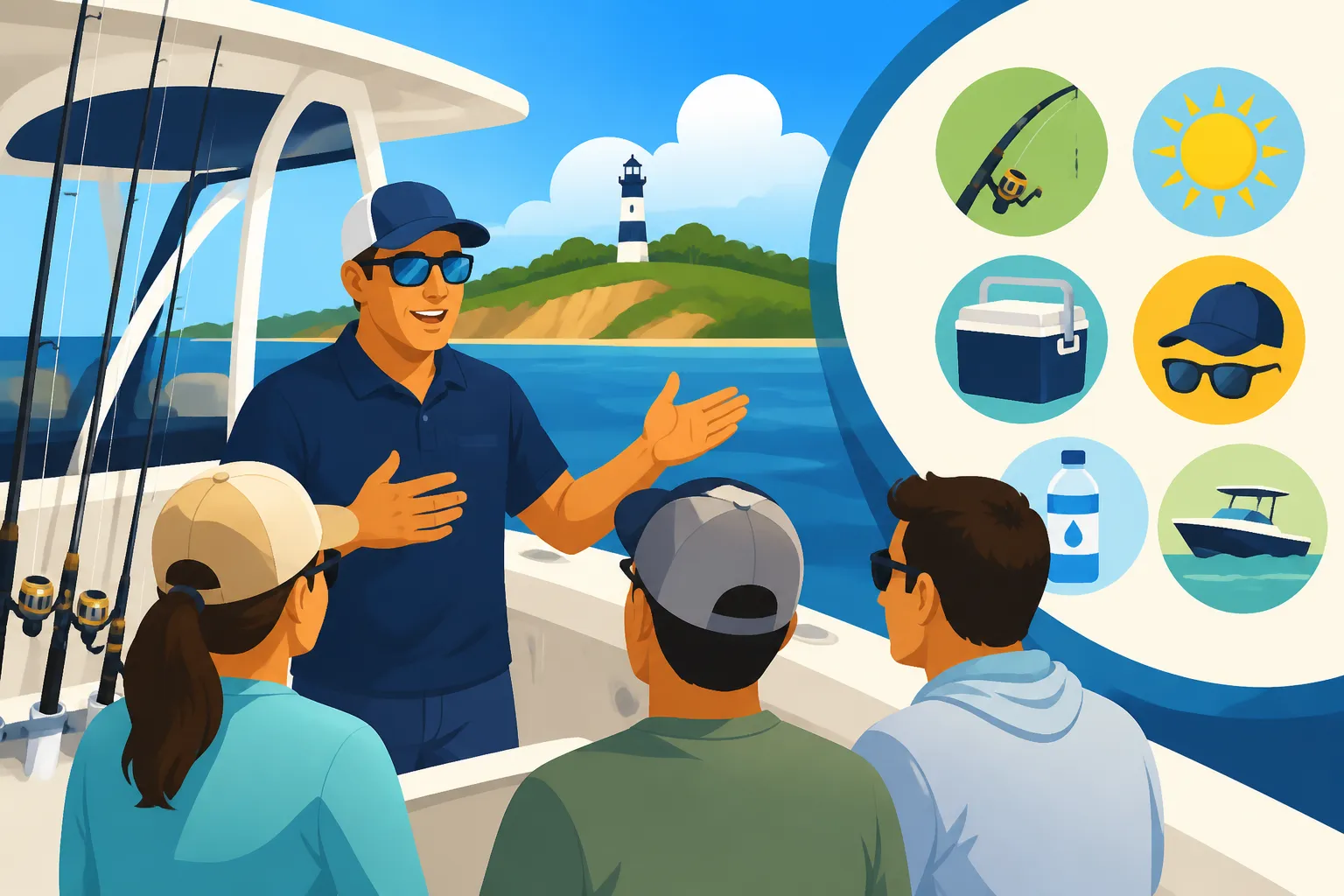
Beyond licensing, understand what gear is provided and what you're expected to bring. Generally, rods, reels, bait, and tackle are all part of the charter package. However, personal comfort items are always on you. Think sunglasses (polarized are a game-changer for spotting fish), a wide-brimmed hat, and plenty of reef-safe sunscreen. Comfortable, non-slip shoes are an absolute must – boat decks can get wet and slippery. The crew isn't there to babysit forgotten items, so having your personal essentials ready shows you're serious about the trip. This detail is crucial for a smooth start to your adventure, whether you’re heading out with a Chesapeake Bay charter or a guide on Smith Mountain Lake.
Communication with the Captain and Crew
Don't be shy about communicating with the captain and crew before your trip, especially if you're a first-timer. Let them know your experience level! Are you a complete novice who's never held a rod? Or do you have some experience but are new to offshore or tidal river fishing? This information helps them tailor their approach, offering more guidance if needed, or allowing them to focus on fishing strategies if you're more self-sufficient. An open dialogue can really set the tone for a positive experience. You can often include notes about your experience level when booking through platforms like FishingBooker, which helps the captain prepare.
Asking questions is another vital part of pre-trip communication. Don't wait until you're halfway out to sea to ask about seasickness remedies or if there's a head (toilet) on board. Inquire about the target species, what kind of fishing techniques you'll be using, and any specific rules or expectations they have. If you have any medical conditions, especially those that could be exacerbated by being on the water all day, or mobility concerns, it's always best to give them a heads-up. The crew's primary goal is your safety and enjoyment, and better information helps them achieve that.
Packing Smart for a Full Day Out
A full-day charter means you'll be out on the water for an extended period, so packing smart is crucial. Crews expect you to be self-sufficient regarding your personal needs. This includes bringing enough food and drinks to last the entire day. Sandwiches, snacks, and plenty of water are usually good choices. Avoid glass bottles if possible, as they can break on a rocking boat.
Layers of clothing are non-negotiable, especially in Virginia where weather can change quickly. A cool morning can turn into a scorching afternoon, or a sudden squall can drop temperatures rapidly. A waterproof jacket is always a good idea, even if the forecast looks clear. You'll also want to consider bringing a small, soft-sided bag for your personal items rather than a bulky backpack or hard cooler, as storage space on a boat can be limited. If you plan to take your catch home, bring a separate cooler for the car, filled with ice. The boat's cooler space is typically reserved for drinks and the day's catch, which the crew will handle. For a more detailed look, check out What to Bring on a Virginia Fishing Charter.
Onboard Etiquette: Making the Most of Your Trip
Once you're on the boat, your behavior and attitude play a huge role in the crew's perception of you. They want you to have fun, but they also expect a certain level of respect for their workspace, their expertise, and the other anglers on board.
Respecting the Boat and Equipment
A fishing charter boat is a significant investment and the crew's livelihood. Treating it with respect is paramount. This means not just keeping your trash contained but also being mindful of how you move around the boat. Avoid running, and always use handholds. If you're wearing shoes that scuff easily, ask if they prefer you take them off.
The fishing equipment – rods, reels, and tackle – is professional-grade and expensive. Handle it carefully. Don't drop rods, bang reels, or leave hooks lying around where someone could step on them. If you're unsure how to use a piece of equipment, ask! The crew would much rather show you than have you break something. Keeping your personal area tidy, especially if the boat is rocking, prevents tripping hazards and lost items. Remember, their job is to put you on fish, not to clean up after you.
Listening and Learning from the Crew
The captain and crew are highly experienced professionals who spend countless hours on the water. They know the local waters, fish behavior, and effective techniques better than anyone. One of the biggest expectations from first-timers is simply to listen and follow instructions. They'll tell you how to drop your line, how to reel in a fish, and when to be ready for a bite. If they advise a particular retrieve or bait presentation, trust their judgment.
It’s completely fine to ask clarifying questions if you don't understand something, but do so respectfully and at an appropriate time. Avoid interrupting them when they're focused on navigation, spotting fish, or managing a tricky situation. Observing how they handle things – from baiting hooks to netting fish – is an excellent way to learn and improve your own skills. Remember, you're paying for their expertise, so embrace the opportunity to learn from the best. Many guides, especially those on platforms like FishingBooker, pride themselves on teaching new anglers the ropes.
Active Participation and Teamwork
While you're there to relax and enjoy, a full-day charter isn't a passive experience. The crew appreciates active participation. This means being ready when it's your turn to drop a line, paying attention to your rod, and being prepared to reel in a fish. If multiple anglers hook up at once, it can get hectic, and the crew will expect everyone to work together, following their directions to avoid tangled lines and lost fish.
Sometimes, the crew might ask for a hand with simple tasks like baiting a hook, holding a net, or clearing a line. If you're physically able, offering to help (without getting in the way) shows a great attitude. This isn't about doing their job for them, but rather about being part of the team and contributing to a successful trip for everyone. It makes the entire experience more enjoyable and efficient, especially when targeting active species like striped bass on the Chesapeake Bay Fishing Charters in Virginia.
Safety First, Always
Above all else, a charter crew expects you to prioritize safety. They will typically provide a brief safety talk at the beginning of the trip, covering everything from where the life jackets are to how to move safely on deck. Pay close attention to this. If the captain tells you to put on a life vest because of rough conditions, do so immediately and without complaint.
Be aware of your surroundings at all times, especially when lines are in the water. Hooks, sinkers, and lures can fly through the air, and a strong fish on the line can cause a rod to snap or a line to whip. Keep your distance from other anglers when they're casting or reeling. If you feel unwell, especially if seasickness sets in, let a crew member know immediately so they can assist you. Your safety is their number one concern.
After the Catch: Post-Trip Expectations
The fishing doesn't stop once the lines are pulled in. How you handle the end of the trip and your interactions with the crew afterward also form a key part of their expectations.
Handling Your Catch Responsibly
Virginia has specific Virginia Fishing Regulations Explained regarding catch limits and slot sizes for various species. The crew will ensure all catches comply with these rules. For first-timers, it's important to understand that the crew is responsible for making sure these regulations are followed, even if it means releasing a fish you might have wanted to keep. Don't argue with them about legal limits – they are the experts on this.
Most full-day charters include the service of cleaning and filleting your catch. This is a huge convenience! Have your cooler ready in your vehicle, ideally filled with ice, to transport your fresh fillets home. Don't expect them to have an endless supply of ice for your personal cooler on the boat. Being prepared to take your fish home promptly and cleanly is part of showing appreciation for their service. For saltwater catches, especially, prompt chilling is essential for quality.
Gratuity and Appreciation for Hard Work
This is perhaps one of the most significant unspoken expectations: tipping the crew. Fishing is hard work, often starting long before you arrive (preparing bait, maintaining equipment) and extending long after you leave (cleaning the boat, maintaining gear). The crew works tirelessly to ensure your safety and success. Standard tipping practices for fishing charters usually range, but generally, 15-20% of the total charter cost is considered appropriate if you had a good experience.
If the crew went above and beyond, provided excellent guidance, were particularly patient with first-timers, or put you on some great fish, a tip at the higher end of that range or even a little more is a wonderful way to show your appreciation. Handing the tip directly to the captain, who will then typically share it with the mate, is the common practice. A simple "Thank you for a great day!" along with the gratuity goes a long way. For more insights on this, you can check out Tipping Norms for Virginia Fishing Charter Crews.
Providing Feedback and Spreading the Word
In today's interconnected world, honest feedback is gold for charter businesses. If you had a fantastic experience, the crew would genuinely appreciate a positive review on platforms like FishingBooker, their own website, or social media. These reviews help other anglers choose wisely and provide invaluable marketing for the charter.
Beyond online reviews, word-of-mouth is still incredibly powerful. Recommending the charter to friends and family who are looking for a Virginia Fishing Charters and Guides: The Complete Guide is a huge compliment. If you plan to return to Virginia for another fishing adventure, rebooking with the same crew if you had a great time is another way to show loyalty and appreciation. They love seeing familiar faces come back for more!
Navigating Common First-Timer Hurdles
Even with all the preparation, being a first-timer means you might encounter some unique challenges. A good crew understands this and is there to help, but knowing how to anticipate and address these can make your day even better.
Seasickness and How to Combat It
Seasickness can derail an otherwise perfect fishing trip. It's a common concern for first-timers, especially on a full-day, offshore excursion. Crews have seen it all, so there's no shame in admitting you're feeling queasy. Their expectation is that you’ll be proactive if you’re prone to it, or communicate early if symptoms arise.
Many experienced anglers swear by over-the-counter medications like Dramamine or Bonine, taken the night before and again an hour before departure. Staring at the horizon, staying on deck (rather than below), avoiding strong smells from food, and refraining from reading or looking at your phone too much can all help. If you do start to feel sick, tell the crew immediately. They often have remedies or can suggest ways to make you more comfortable. Being honest about it allows them to assist you, rather than having you suffer in silence.
The Learning Curve: Don't Be Afraid to Ask
Remember, everyone was a first-timer once! There's a definite learning curve to fishing, especially with unfamiliar gear or techniques. Don't feel embarrassed if you're struggling with casting, baiting a hook, or understanding how to detect a bite. The crew expects that you might need extra guidance, and they are usually happy to provide it.
Embrace the learning experience. Ask for demonstrations, repeat what you've learned, and practice. The more questions you ask (at appropriate times), the quicker you'll pick up the nuances. A crew would much rather teach a curious first-timer than deal with someone who is too proud to ask for help and ends up frustrated or making mistakes. This open attitude is key for enjoying the day, whether you're fly fishing for trout or battling a big tuna offshore. For general tips, see What First-Time Virginia Charter Anglers Should Know.
Managing Expectations for the Catch
Finally, a crew expects first-timers to understand that fishing is, well, fishing, not catching. While they will work incredibly hard to put you on fish, there are no guarantees in nature. Weather, water conditions, fish migration patterns, and sheer luck all play a role. A good captain and crew will always strive for success, but a truly enjoyable trip goes beyond just the number of fish in the cooler.
First-timers should focus on the entire experience: the beautiful Virginia scenery, the camaraderie with the crew and other anglers, the thrill of the chase, and the satisfaction of learning new skills. Don't let a slow bite ruin your day. The crew appreciates an angler who can appreciate the journey, even if the destination isn't a boat piled high with trophy fish. They'll appreciate you for appreciating the adventure itself. Sometimes, the best memories are made during the quiet moments or the unexpected challenges, not just the massive haul.
| Expectation Category | Crew Expects You To: | Why It Matters |
|---|---|---|
| Pre-Trip Prep | Research licensing requirements (or confirm coverage). Bring appropriate personal gear (hat, sunglasses, layers, non-slip shoes). Communicate experience level & needs. |
Ensures legal compliance. Keeps you comfortable and safe. Helps crew tailor guidance and address concerns. |
| Onboard Etiquette | Respect the boat and equipment. Listen to and follow crew instructions. Actively participate and assist when asked. Prioritize safety at all times. |
Prevents damage, ensures smooth operation. Leverages their expertise, keeps everyone safe. Fosters teamwork, enhances efficiency. Critical for well-being of all on board. |
| Post-Trip Actions | Understand and adhere to catch limits/rules. Have a plan for transporting your catch (cooler). Provide appropriate gratuity for good service. Offer feedback/reviews. |
Ensures legal compliance and fish quality. Shows appreciation for hard work. Supports the business, helps others choose. |
| Hurdle Navigation | Be proactive about seasickness. Ask questions and embrace the learning curve. Manage expectations for the catch; enjoy the overall experience. |
Minimizes discomfort for you and the crew. Accelerates your learning, prevents frustration. Ensures a positive outlook regardless of fishing success. |
Disclaimer
This article is for general informational purposes only and does not constitute professional advice. Laws, prices and regulations vary by location and change over time. Consult a qualified professional for guidance on your specific situation.