Best Charter Trips for Catching Red Drum
There's nothing quite like the thrill of feeling a strong tug on your line, knowing it could be a massive Red Drum on the other end. For many anglers, pursuing these powerful fish in Virginia's waters is a bucket-list experience, but figuring out the best charter trip to make it happen can feel overwhelming. This comprehensive guide is here to cut through the confusion and help you pinpoint the ideal Red Drum charter, ensuring your next adventure on the water is both productive and unforgettable.
The Allure of Red Drum Fishing in Virginia
Red Drum, often called "redfish" or "spot-tail bass," are a prized game fish for a reason. They're strong fighters, grow to impressive sizes, and are simply a blast to catch. Virginia offers incredible opportunities to target these magnificent creatures, particularly in the vast estuaries and coastal waters of the Chesapeake Bay and the Atlantic Ocean. But don't let their reputation intimidate you; with the right charter, even novice anglers can have a fantastic shot at landing one.
The Red Drum Challenge and Reward
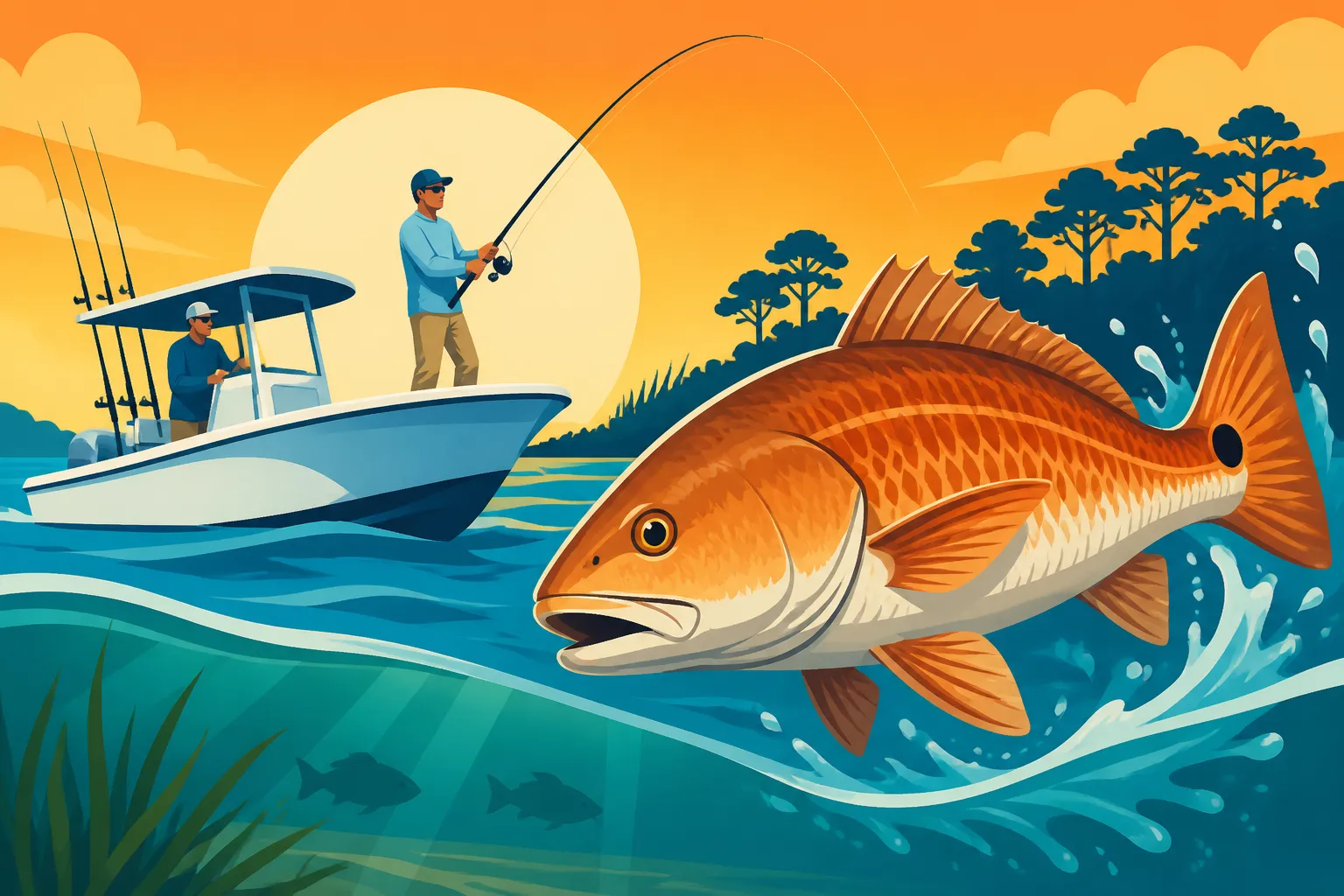
Imagine casting a line into a calm inlet just as the sun begins to kiss the horizon, or feeling the raw power of a drum pulling your rod tip towards the water during a lively fight in the open Bay. Red Drum are known for their distinctive "bullseye" spot (or spots!) near their tail and their copper-bronze scales that shimmer in the sun. They're not just beautiful; they put up an incredible fight, often making long, powerful runs that test both your gear and your angling skill. For many, the true reward isn't just the catch, but the memory of that battle and the stunning beauty of the fish itself.
However, chasing Red Drum isn't always easy. They can be elusive, and their movements are often tied to tides, water temperature, and bait availability. This is precisely where a good charter comes into play, as local knowledge and specialized equipment can dramatically increase your chances of success.
Where Virginia's Red Drum Roam
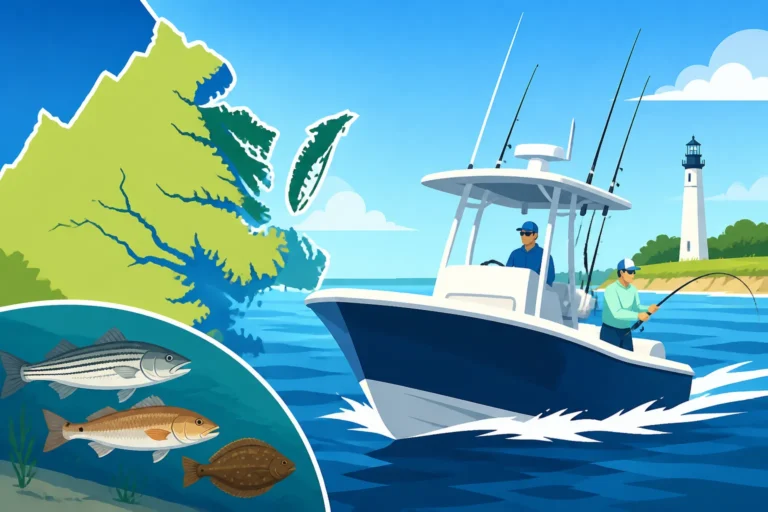
Virginia's diverse waterways provide ample habitat for Red Drum throughout much of the year, though specific hotspots will vary with the seasons. The sprawling Chesapeake Bay, with its intricate network of rivers, estuaries, and shallow grass flats, is a prime hunting ground. Additionally, the coastal waters, barrier islands, and inlets extending from Virginia Beach northward along the Eastern Shore are fantastic places to encounter these fish.
During the warmer months, especially from late spring through early fall, Red Drum migrate into shallower areas, making them more accessible to anglers. They'll often frequent oyster beds, marsh edges, and sandy bottoms where they can ambush their prey. Keep an eye on local fishing reports or chat with tackle shop owners; they'll often give you a general idea of where the fish are showing up, which can help narrow down your charter search.
Identifying Prime Red Drum Charter Seasons and Locations
Knowing when and where to target Red Drum is half the battle, and a good charter captain will have this dialed in. Virginia has distinct seasons and locations that offer the best chances for a successful Red Drum trip.
Best Times of Year for Red Drum in Virginia
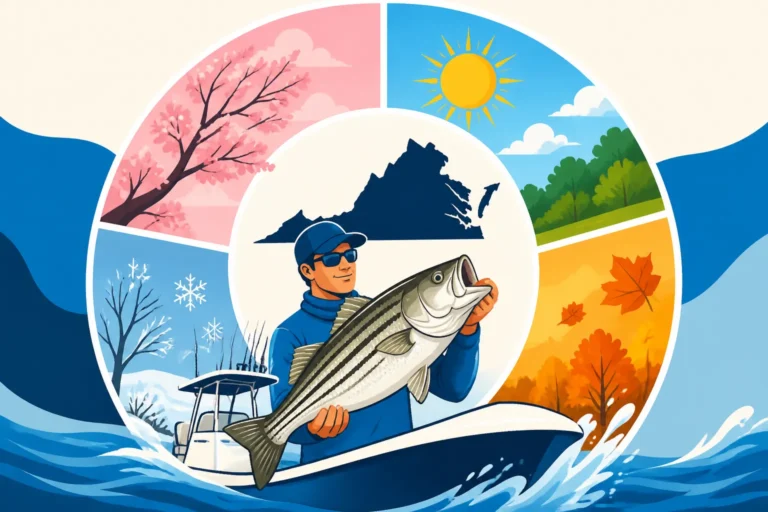
Red Drum fishing in Virginia generally heats up from late spring through early fall. The water temperatures rise, bringing in a bounty of baitfish and crustaceans that Red Drum love to feast on.
- Spring (April – May): As the water warms, smaller "puppy drum" start showing up in the shallower creeks and estuaries. This can be a fantastic time for light tackle action and for beginners to get a feel for catching these fish. Larger fish might start to move into the Bay as well.
- Summer (June – August): This is prime time for Red Drum. The fish are active, and large schools can be found in various parts of the Chesapeake Bay and along the coast. It's often when anglers target "bull reds" – those impressive, larger fish that can provide a truly epic fight.
- Fall (September – October): Many consider the fall to be the absolute peak for Red Drum fishing. The fish are aggressively feeding in preparation for winter, often forming massive schools. This can lead to incredible action, especially in the Bay and around the barrier islands before they eventually move offshore or to deeper waters.
It's always a good idea to check current conditions and forecasts, as fish behavior can shift with unusual weather patterns. A reputable charter captain will be up-to-date on these movements.
Key Virginia Hotspots for Red Drum Charters
While Red Drum can be found throughout Virginia's coastal waters, some areas are particularly renowned for consistent action.
- Chesapeake Bay Mouth & Barrier Islands: The confluence of the Chesapeake Bay and the Atlantic Ocean is a powerhouse fishery. The shifting sands, deep channels, and abundant bait make it a magnet for large Red Drum. Charters operating out of places like Cape Charles, Wachapreague, and destinations further south along the Eastern Shore will often target these areas. You might even find them feeding around structure like the Chesapeake Bay Bridge-Tunnel. When booking, specifically ask about Red Drum Charter Fishing on the Chesapeake Bay opportunities.
- Virginia Beach & Southern Coastal Waters: The surf and nearshore waters off Virginia Beach, as well as nearby inlets and sounds, are excellent for Red Drum. Charters here often focus on sight-fishing in the shallows or fishing baits in deeper channels. The inshore fishery here provides fantastic action. You can often find Virginia Beach Fishing Charters and Trip Costs by looking at various booking platforms.
- Tidal Rivers within the Bay: While the giants are often in the main Bay, some of the tidal rivers feeding into the Chesapeake Bay, like the James, York, and Rappahannock, can hold good numbers of Red Drum, especially the smaller "puppy drum," during the warmer months. These can be great for a more sheltered, calm water experience.
Remember, fish move! A good charter captain will adjust their game plan based on where the fish are active on any given day. This flexibility is a huge advantage of booking a guided trip.
What Makes a Red Drum Charter Exceptional?
You're investing your time and money into this experience, so you want to ensure it's a good one. Not all fishing charters are created equal, especially when you have a specific target like Red Drum in mind. Here's what to prioritize when choosing your charter.
The Captain's Expertise and Local Savvy
This is arguably the most critical factor. A captain who lives and breathes Red Drum fishing in Virginia will make all the difference. They should have:
- Proven Track Record: Look for captains with consistent reports of Red Drum catches, not just general fishing success. Online reviews and testimonials can be incredibly insightful here.
- Deep Local Knowledge: Red Drum are migratory, and their patterns change with the seasons, tides, and bait movements. An experienced captain knows the subtle cues – where the baitfish are congregating, what the water temperature is doing, and which specific channels or flats are holding fish on a particular day. They know the Chesapeake Bay like the back of their hand, including areas like those productive zones mentioned in Chesapeake Bay Striped Bass Fishing Guide. This intimate understanding of the local ecosystem is invaluable.
- Specialized Techniques: Red Drum can be caught using various methods: casting artificial lures, soaking cut bait on the bottom, or even sight-fishing in clear, shallow water. A great captain will be proficient in multiple techniques and know when to deploy each one based on conditions and fish behavior. They'll also provide instruction to ensure you're fishing effectively.
- Passion for Red Drum: You want a captain who is genuinely excited about targeting these fish and sharing that excitement with you. Their enthusiasm is contagious and makes for a more enjoyable trip.
Don't hesitate to call potential captains and ask about their specific experience targeting Red Drum in the areas you're interested in.
The Right Boat and Top-Notch Gear
While a great captain is paramount, the vessel and equipment play a significant role in comfort and success.
- Boat Type: For Red Drum, especially "bull reds" in open waters, you'll want a stable boat capable of handling various conditions. Center console boats or larger bay boats are often ideal. They provide ample deck space for casting, moving around, and fighting big fish, and are built to navigate the inshore and nearshore waters where drum are found.
- Safety Equipment: Always ensure the charter boat is properly equipped with all necessary safety gear, including life jackets for everyone on board, a first aid kit, communication devices, and emergency signaling equipment. This is non-negotiable.
- Quality Fishing Tackle: Red Drum are powerful, so heavy-duty rods and reels are essential. The charter should provide quality gear appropriate for the size of fish you're targeting. This includes strong lines, sharp hooks, and a variety of baits and lures known to attract Red Drum. Using the right tackle ensures you have the best chance to land a fish once it bites and minimizes the risk of breaking off a trophy. If you're wondering What to Bring on a Virginia Fishing Charter, rest assured, a good charter provides the essential fishing gear.
- Fishfinding Electronics: Modern sonar and GPS systems are crucial for locating schools of baitfish and identifying submerged structures where Red Drum might be holding. A captain who effectively uses these tools will significantly improve your chances.
Understanding Trip Length and Group Size
Charters typically offer various trip lengths and booking options, each with its pros and cons for Red Drum fishing.
| Trip Type | Typical Duration | Best For | Considerations |
|---|---|---|---|
| Half-Day Charter | 4-5 hours | Beginners, families with young children, quick trips. | Less time to move between spots; might miss peak bite windows. |
| 3/4-Day Charter | 6-7 hours | More serious anglers, good balance of time and cost. | Offers more flexibility than a half-day without a full-day commitment. |
| Full-Day Charter | 8+ hours | Experienced anglers, targeting trophy Red Drum, exploring multiple spots. | Provides ample time to chase fish and cover more ground. |
For targeting larger Red Drum, especially the "bull reds" that can be found in more open or distant waters, a full-day or at least a 3/4-day charter often yields the best results. It gives the captain more time to locate active fish and account for tidal changes. This is similar to how a Full-Day Striped Bass Charters in Virginia allows for more extensive fishing.
You'll also usually have the option of a private charter (where you book the entire boat for your group) or a shared/open boat charter (where you book a spot and share the boat with other anglers). Private charters offer more flexibility and personalized attention, while shared charters can be more cost-effective for individuals or smaller groups. Consider your budget and desired experience when making this choice.
Practical Steps to Booking Your Ideal Red Drum Trip
Once you have a good idea of what you're looking for, it's time to make it happen! Booking a charter doesn't have to be complicated, but a few key steps will ensure a smooth process.
Researching and Connecting with Charters
In today's digital age, finding a charter is easier than ever. You can start by simply searching online for "Virginia Red Drum Charters" or "Chesapeake Bay Red Drum Fishing Guides." You'll often find direct websites for captains and charter services.
Another fantastic resource is an online booking platform like FishingBooker. This platform allows you to browse multiple charter options in one place, compare prices, read detailed descriptions, and, critically, read reviews from other anglers. Using FishingBooker can help you quickly filter for charters that specifically target Red Drum and operate out of locations like Virginia Beach or the Eastern Shore. It's like a one-stop shop for finding the perfect match.
When you've identified a few potential charters, reach out to them directly. This initial conversation is crucial. Don't be shy about asking questions!
Key Questions to Ask Before You Book
Before you commit, arm yourself with information. Here's a list of essential questions:
- "What are your typical success rates for Red Drum during the time I'm considering?" Be realistic; fishing isn't always a guarantee, but consistent success is a good sign.
- "What techniques do you typically use for Red Drum, and are they suitable for my skill level?" This ensures you'll be comfortable and engaged.
- "What's included in the trip price?" This is vital. Most charters include tackle, bait, and fuel, but always confirm. Some might even provide drinks or snacks.
- "Do I need a fishing license, or is it covered by the charter?" This is a huge one for Virginia! Many charters operate under a blanket license that covers all passengers, but always confirm. It’s a common point of confusion, so clarify this upfront to avoid any issues. For more details, refer to Does a Virginia Fishing Charter Include Your License?.
- "What's your cancellation policy, especially for bad weather?" Weather can be unpredictable, so understand what happens if the trip needs to be rescheduled or canceled.
- "What should I bring?" This typically includes food, drinks, sunscreen, sunglasses, a hat, appropriate clothing, and a cooler to take your catch home (if regulations allow and you plan to keep fish).
- "Do you clean and bag the fish?" Most captains will, but it's good to confirm.
- "What are the current Virginia regulations for Red Drum (size and bag limits)?" While the captain will know, it shows you're engaged and helps set expectations. You can also research Virginia Fishing Regulations Explained beforehand.
Preparing for Your Red Drum Expedition
A little preparation goes a long way in ensuring a comfortable and enjoyable trip.
- Check the Weather: Be prepared for all conditions. Virginia's weather can change quickly. Dress in layers, bringing rain gear even if the forecast looks clear. A waterproof jacket is always a good idea.
- Sun Protection: Even on cloudy days, the sun's reflection off the water can cause severe sunburn. Sunscreen, a wide-brimmed hat, and polarized sunglasses are absolute must-haves.
- Hydration and Snacks: Bring plenty of water and your favorite non-alcoholic beverages. Pack snacks or a lunch, especially for longer trips.
- Motion Sickness: If you're prone to seasickness, take preventative measures before you board the boat. Over-the-counter medications like Dramamine or Bonine work best when taken an hour or so beforehand. Staring at the horizon can also help.
- Camera: You'll want to capture the memories, especially if you land a trophy Red Drum! Just make sure your camera or phone is well-protected from water.
Making the Most of Your Red Drum Charter Experience
You've booked the trip, prepared your gear, and now you're finally on the water. Here's how to ensure you have the best possible time and contribute to a successful outing.
Onboard Etiquette and Teamwork
Remember, you're a guest on the captain's boat, and they are your guide.
- Listen to Your Captain and Mate: They are the experts on the water. Pay attention to their instructions, whether it's how to cast, set the hook, or handle a fish. Their guidance is there to help you succeed and keep everyone safe.
- Be Mindful of Others: If it's a shared charter, be respectful of other anglers' space and fishing lines. Even on a private charter, teamwork can lead to more fish in the boat.
- Communicate: If you have questions, feel unwell, or need assistance, speak up. The crew is there to help.
- Tipping: It's customary to tip the captain and/or mate if you've had a good experience, typically 15-20% of the charter cost. This is an industry standard for services like those discussed in Tipping Norms for Virginia Fishing Charter Crews.
Understanding and Respecting Regulations
While your captain will be fully aware of the current rules, it's good to have a basic understanding of Red Drum regulations in Virginia. These regulations are put in place to protect the fishery and ensure healthy fish populations for years to come.
- Slot Limits: Virginia often employs "slot limits" for Red Drum, meaning you can only keep fish within a specific length range. Fish that are too small or too large must be released. These larger "bull reds" are the prime breeding stock, and releasing them ensures future generations of Red Drum.
- Bag Limits: There will also be a daily bag limit, specifying how many Red Drum an individual angler can keep per day.
- Conservation: Many anglers choose to practice catch-and-release, especially with the larger Red Drum, to help conserve the species. If you plan to release fish, ask your captain about best practices for handling them to ensure their survival. Learn more by checking the current Virginia Fishing Regulations Explained.
The captain will always ensure compliance with these rules, so don't worry about memorizing every detail, but a general awareness shows respect for the resource.
Embrace the Experience (Catch or No Catch)
While everyone hopes for a boat full of big Red Drum, fishing is ultimately about the experience. The fresh air, the beautiful scenery of the Chesapeake Bay or the Virginia coastline, the camaraderie, and the thrill of the chase are all part of it. Some days the fish bite, and some days they don't.
Even if the Red Drum are elusive, you might encounter other exciting species. Virginia's waters are teeming with a variety of fish, so your charter might shift focus to other targets like Speckled Trout, Flounder, or even Striped Bass (also known as Rockfish). The beauty of fishing in a diverse area like Virginia is that there's usually something biting.
By going with an open mind and a positive attitude, you're guaranteed to have a memorable day on the water, regardless of the size of your cooler. A great charter captain will do their best to put you on fish, and your positive attitude will make their job—and your trip—even better.
Disclaimer
This article is for general informational purposes only and does not constitute professional advice. Laws, prices and regulations vary by location and change over time. Consult a qualified professional for guidance on your specific situation.