Choosing a Charter Based on the Fish You Want to Catch
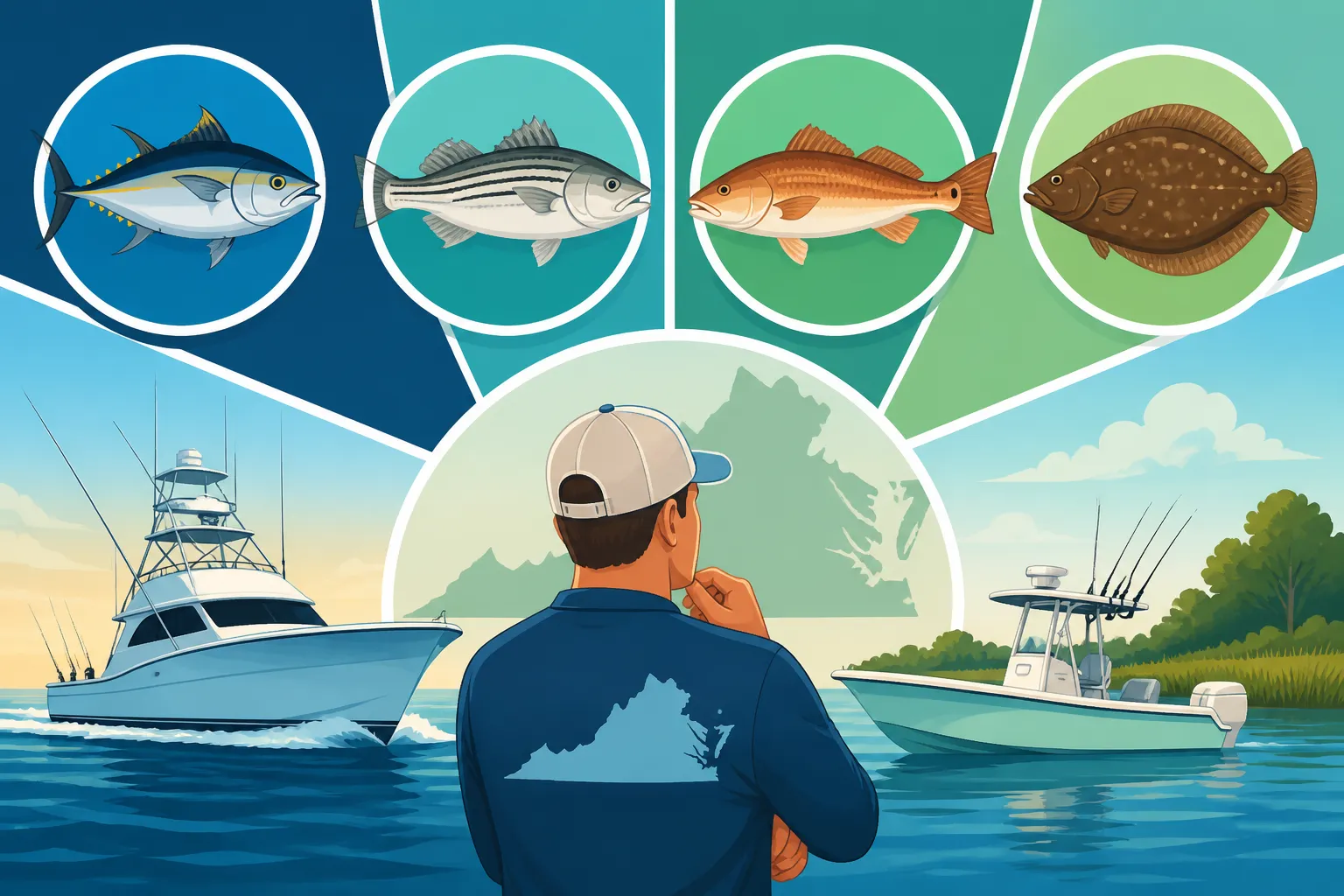
One of the biggest questions I hear from folks considering a fishing charter in Virginia is, "What are we going to catch?" It's a completely fair question! You're investing time and money, and you want to know what kind of angling adventure awaits. This guide will walk you through how your desired catch is the most critical factor in choosing the perfect Virginia fishing charter, ensuring your trip aligns with your angling dreams.
Why Your Target Species Dictates Your Charter Choice
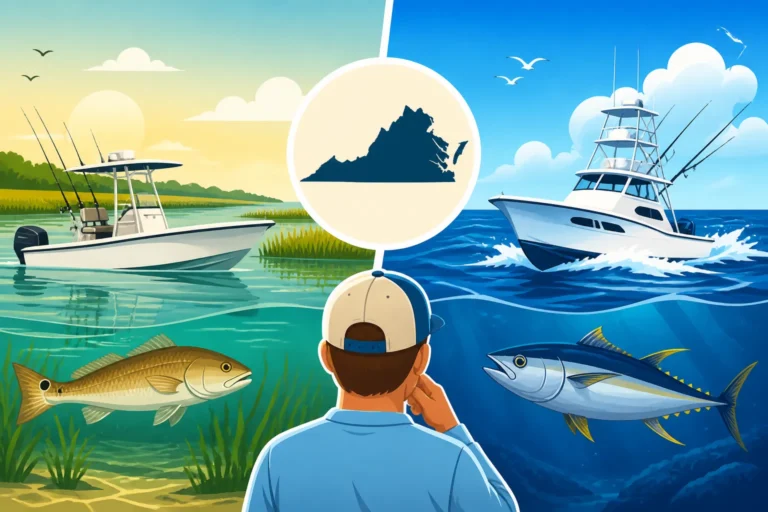
Let's face it, Virginia is an angler's paradise, but it's vast and diverse. You've got everything from the mighty Atlantic Ocean to tranquil mountain streams, massive impoundments, and winding tidal rivers. Each of these environments holds different fish, and successfully targeting them requires specialized knowledge, equipment, and even different types of boats. Trying to catch a flounder in a deep mountain lake just isn't going to work, and vice-versa for a smallmouth bass in the open ocean! Your target species isn't just a preference; it's the fundamental starting point for your entire charter decision.
Freshwater vs. Saltwater: The Fundamental Divide
This might sound obvious, but it's the very first distinction you need to make when dreaming up your Virginia fishing trip. Are you picturing yourself on a lake or river, surrounded by trees and quiet currents? Or is the salty breeze, the endless horizon, and the tug of a powerful ocean fish more your style? This choice immediately narrows down your options dramatically.
Freshwater charters typically operate on Virginia's numerous lakes, reservoirs, and rivers. Think of places like Smith Mountain Lake, Lake Anna, or the James River. The captains and guides who work these waters are experts in species like bass, crappie, catfish, and sometimes even freshwater striped bass. Their boats are often designed for shallower waters, with trolling motors, specific electronics for finding structure, and gear tailored for finesse or heavy freshwater fighting. They understand the nuances of lake contours, river currents, and the habits of inland fish. When you're looking for a guide, specifying "freshwater" will immediately connect you with the right kind of expertise and equipment.
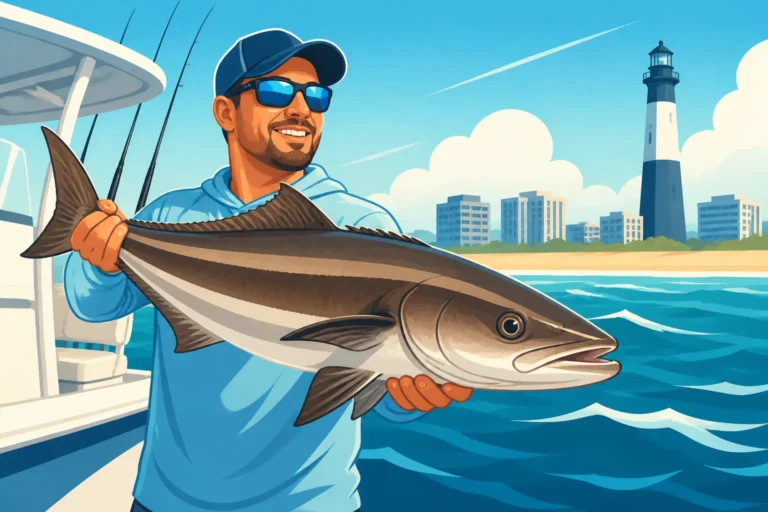
Saltwater charters, on the other hand, take you to the Chesapeake Bay, its tidal tributaries, and out into the Atlantic Ocean. Here, you're chasing species like striped bass (often called rockfish here), flounder, red drum, cobia, tautog, and even offshore giants like tuna and marlin. These boats are generally larger, more robust, and equipped with powerful engines for covering vast distances. They'll have specialized electronics for navigation and finding fish in open water, and heavy-duty tackle built to withstand the punishing fights of ocean-dwelling fish. The captains navigating these waters are masters of tides, currents, and understanding migratory patterns of saltwater species. For a successful trip, ensure you're connecting with a captain who truly specializes in the environment and species you're after. Virginia Fishing License Guide can give you a better idea of the different licenses needed for each.
Understanding Virginia's Diverse Fisheries
Virginia truly has it all, which is a blessing and a curse when you're trying to pick a charter. We have everything from pristine mountain trout streams to the vast, teeming waters of the Chesapeake Bay and the deep blue Atlantic. Each offers a distinctly different experience and a unique set of target species.
For instance, the western part of the state, with its mountains and valleys, is home to incredible rivers like the Shenandoah and the New River, renowned for smallmouth bass. Lakes such as Claytor Lake offer diverse fishing for walleye, various bass species, and catfish. Move eastward, and the massive reservoirs like Smith Mountain Lake and Lake Anna are famous for their largemouth bass, crappie, and landlocked striped bass. Virginia's Best Freshwater Fishing Destinations delves into some of these fantastic spots.
Then you hit the tidal rivers and the Chesapeake Bay, where saltwater species begin to dominate. Striped bass, flounder, croaker, and red drum are just a few of the stars here. Further out, from coastal cities like Virginia Beach, you can embark on true deep-sea adventures, pursuing pelagic species. Knowing which type of fish you're most excited to hook will directly guide you to the region and, subsequently, the type of charter best suited for your adventure. It's about matching your ambition to the local reality.
Matching Species to Specific Virginia Charter Experiences
Once you've decided on freshwater or saltwater, it's time to get specific. Different fish require different methods, different seasons, and often, different captains with specialized expertise. Don't just pick "fishing" – pick which fish you want to catch!
Targeting Legendary Striped Bass (Rockfish)
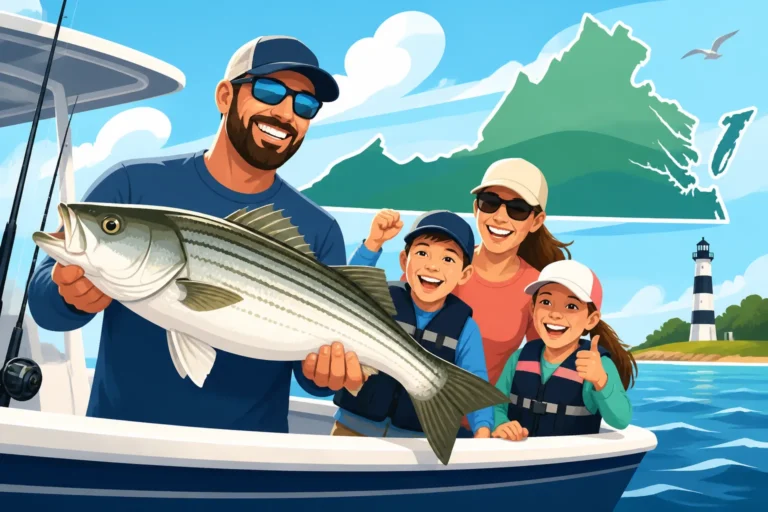
Ah, the striped bass! Known locally as rockfish, these powerful, migratory fish are a favorite among Virginia anglers. If you're dreaming of that distinctive silver flash and a strong fight, you're likely looking at a saltwater charter, most often in the Chesapeake Bay or its tidal rivers like the James, York, or Rappahannock.
Captains specializing in stripers know the fish's migratory patterns inside and out. They'll employ various techniques depending on the season, from trolling with large plugs or umbrella rigs to casting artificial lures or even live bait fishing around structure. You'll want a charter boat that's stable enough for bay conditions and equipped with the right gear to handle these strong fighters. The best seasons for striped bass in Virginia are typically spring and fall, when they are actively migrating and feeding. Virginia Striped Bass Season and Slot Limit Guide is a must-read if this is your target. You'll learn about the split seasons and strict slot limits designed to protect the population, which your charter captain will also be keenly aware of. Mentioning you want to target "rockfish" specifically will immediately put you on the right path with a Chesapeake Bay-based charter. For prime action, many charters focus on the lower Chesapeake Bay, where fish congregate before heading offshore or into tributaries.
Chasing Feisty Largemouth and Smallmouth Bass
If the thought of a leaping largemouth or a hard-fighting smallmouth bass gets your heart pumping, then you're headed for Virginia's incredible freshwater lakes and rivers. This is a completely different world from saltwater striper fishing.
For largemouth bass, massive reservoirs like Smith Mountain Lake, Lake Anna, and Kerr Lake are prime destinations. Charters here often use bass boats, which are fast, designed for shallow water access, and equipped with multiple livewells and powerful trolling motors for stealth. Guides will know the best coves, submerged timber, and brush piles where these ambush predators hide. They'll use a variety of techniques including flipping jigs, casting crankbaits, or working soft plastics. If you're looking for that trophy largemouth, asking specifically for a "bass guide" on one of these large impoundments is key. Smith Mountain Lake Fishing Guides in Virginia provides a fantastic overview of what to expect when targeting bass (and stripers!) there.
Smallmouth bass, often called "bronzebacks," prefer cooler, clearer, moving water, making Virginia's rivers like the James, Shenandoah, and New River ideal. Smallmouth charters might use specialized jet boats, drift boats, or even kayaks for accessing prime river sections. Techniques often involve casting tube baits, spinnerbaits, or fly fishing. These trips can be incredibly scenic and physically engaging, requiring a different skill set from your captain. Be sure to specify whether you want largemouth or smallmouth, as the locations and techniques are quite distinct.
The Thrill of Offshore Species: Tuna, Marlin, and More
For the truly adventurous angler, Virginia offers access to the deep blue waters of the Atlantic Ocean, where pelagic species like tuna, dolphin (mahi-mahi), wahoo, and even billfish such as marlin and swordfish roam. These are big game adventures, often requiring full-day or even multi-day trips.
Offshore charters depart from coastal ports like Virginia Beach and typically use large, seaworthy sportfishing boats designed for blue water conditions. They'll travel many miles offshore, often employing specialized trolling setups with multiple lines and outriggers, live baiting, or chumming. This type of fishing is physically demanding, can be expensive, and is highly dependent on weather and ocean conditions. If you're aiming for a bucket-list tuna or marlin, you need to book an "offshore" or "deep-sea" charter, and be prepared for a serious angling challenge. Virginia Beach Fishing Charters and Trip Costs can give you an idea of what to expect for these exciting, but often pricier, excursions.
Family Fun with Panfish and Bottom Dwellers
Not every fishing trip has to be a battle with a trophy fish. Sometimes, the goal is simply to have a relaxing day on the water, catch some fish, and enjoy time with family, especially kids. For these types of trips, targeting panfish or certain bottom-dwelling species is a fantastic option.
In freshwater, bluegill, crappie, and yellow perch are abundant in most lakes and ponds. These fish are typically easier to catch, respond well to simple baits like worms or minnows, and provide constant action, which is perfect for engaging younger anglers. Many freshwater guides offer "family-friendly" trips specifically tailored to this experience. They'll focus on numbers over size and make sure everyone has a rod bending. Crappie Fishing Techniques for Beginners offers insights into how to target one of the most popular panfish.
In saltwater, species like flounder, croaker, spot, and sea bass are often targeted on calmer bay waters or nearshore reefs. These are excellent eating fish and offer consistent action without the intense fight of a striped bass or offshore species. Charters targeting these species might use lighter tackle, focus on bottom fishing with bait, or slow trolling. These trips are generally less expensive and shorter than offshore excursions, making them a great option for beginners, kids, or anyone just looking for a fun day on the water without the pressure of a trophy catch. When booking, simply tell the captain you're looking for a relaxed, catch-friendly trip for the family.
Practical Considerations When Booking Your Species-Specific Charter
Once you have your target species in mind, you're halfway there! Now it's about making smart choices to ensure your charter experience delivers on your expectations. It’s not just about finding any boat, but the right boat and captain for your specific adventure.
Researching Captains and Their Specialties
This is absolutely crucial. Just because a captain has a boat doesn't mean they're experts in every type of fishing. Many captains specialize, and for good reason! The techniques, the gear, the knowledge of specific fishing grounds—it all takes years to master. A phenomenal offshore tuna captain might not be the best choice for a quiet day of fly fishing for smallmouth bass on a river.
When you're researching potential charters, look for captains who explicitly state their expertise in the species you want to target. Read reviews, check their websites, and look at their recent catch photos. Do they consistently post pictures of the fish you're hoping to catch? Do they talk about the specific techniques required for that species? Don't be shy about asking direct questions: "How often do you target striped bass?" or "What's your success rate for crappie this time of year?" A good captain will be transparent about their specialties and what they can realistically offer. This kind of focused research is part of How to Book a Fishing Charter in Virginia for maximum success.
Seasonal Timing and Fish Behavior
Fish are creatures of habit, driven by water temperature, spawning cycles, and food availability. This means that the best time to catch a particular species varies significantly throughout the year. Targeting a specific fish absolutely requires understanding its seasonal patterns.
For instance, prime striped bass season in the Chesapeake Bay typically includes spring and fall runs, while summer can be more challenging due to warmer water. Largemouth bass fishing is excellent in spring during the spawn and again in fall when they feed aggressively. Crappie are often found in shallow water in spring, moving to deeper brush piles in summer and winter. Offshore species like tuna and marlin have very specific windows when they are present in Virginia's waters.
Booking a charter at the wrong time of year for your target species can lead to a very disappointing trip, even with the best captain. Always check the seasonal patterns for your desired fish before setting a date. Many charter websites will have a "fishing calendar" or a "what we catch now" section. Don't hesitate to ask the captain directly about the best time to target your chosen species. They want you to have a successful trip as much as you do! For more on this, check out Best Time of Year to Book a Virginia Fishing Charter.
Gear, Techniques, and What to Expect
Different fish require different tools and tactics. If you're targeting smallmouth bass in a river, your captain will likely have light spinning tackle or even fly rods. For big striped bass, you'll see heavier conventional gear or stout spinning setups. Offshore trips will feature heavy-duty rods and reels designed to handle powerful runs and long fights.
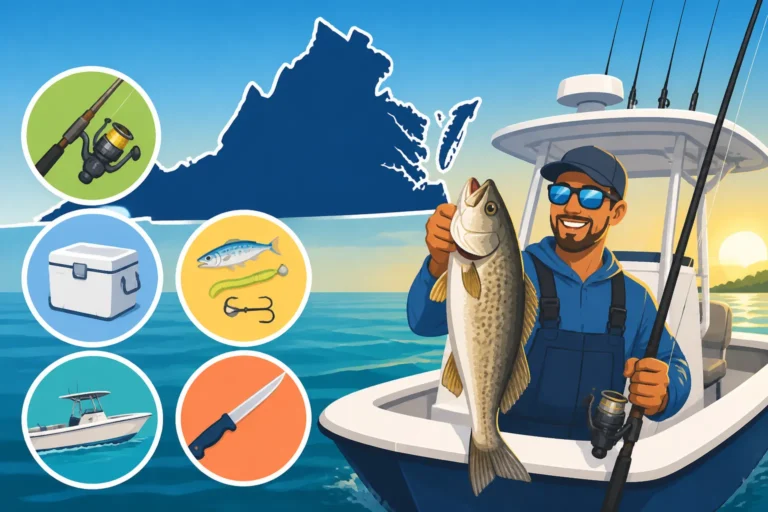
When you book your species-specific charter, the captain will provide all the necessary rods, reels, bait, and tackle relevant to catching your chosen fish. This is one of the huge benefits of booking a charter – you don't need to own all the specialized equipment yourself! However, understanding the general techniques for your target species can enhance your experience. For example, if you're targeting flounder, you might be doing a lot of drifting and jigging bait along the bottom. For striped bass, it might be casting lures or live bait. Knowing what to expect in terms of fishing style can help you mentally prepare and get the most out of your day on the water.
Making Your Booking: Tips for a Successful Trip
You've got your target fish, you've done your research, and you know the best time to go. Now, let's nail down that booking and ensure you have an unforgettable Virginia fishing experience.
Communicating Your Expectations Clearly
This step cannot be stressed enough. When you make contact with a potential charter captain, be crystal clear about what you hope to achieve. Don't just say "I want to catch fish." Instead, say something like, "I'm really hoping to target a nice-sized largemouth bass on Smith Mountain Lake in April," or "My family wants a fun day catching croaker and spot in the Chesapeake Bay, and we'd love to keep some for dinner."
Discuss your priorities:
- Target Species: Reiterate the specific fish you're after.
- Catch & Keep vs. Catch & Release: Some anglers want to fill the cooler; others prefer to release everything. Make this known. Your captain can advise on regulations and best practices. Virginia Fishing Regulations Explained is a good resource to review beforehand.
- Experience Level: Let them know if you're a seasoned angler or a complete beginner, especially if you're bringing kids. This helps them tailor the trip and instructions.
- Trip Goals: Is it a trophy hunt? A relaxing day? A learning experience?
Clear communication upfront helps the captain set realistic expectations and ensures they can deliver the best possible trip for you and your group.
Using Online Resources to Find the Right Charter
In today's world, online platforms are invaluable for connecting anglers with the perfect charter. Websites and apps dedicated to fishing charters act as a hub, allowing you to filter by location, target species, boat type, and even specific dates. This makes the process of finding that specialized captain much easier.
A platform like FishingBooker, for example, allows you to search specifically for "striped bass charters in Virginia Beach" or "bass fishing guides on Lake Anna." You can read detailed profiles of captains, see photos of their boats and past catches, and most importantly, read reviews from other anglers who have fished with them. These reviews often mention the captain's expertise with specific fish, their teaching style, and overall customer experience. Using such resources is often the most efficient way to browse options and compare services, helping you quickly identify charters that align with your species-specific goals. It's a key part of your journey to finding the ideal Virginia Fishing Charters and Guides: The Complete Guide.
What Happens if Your Target Fish Aren't Biting?
Here's the realistic talk: fishing is fishing, not catching. Even the most experienced captains and the best-laid plans can run into slow days. Weather changes, fish move, and sometimes they just don't want to bite. This is where flexibility and trust in your captain become vital.
A good captain, especially one who specializes in your target species, will always have a Plan B (and C and D). If the striped bass bite is dead, they might suggest switching to bottom fishing for flounder or tautog in saltwater. If the largemouth bass are lock-jawed, they might suggest targeting crappie or catfish. Be open to these suggestions. Your captain's primary goal is to get you on fish and ensure you have a good time, even if it means adjusting the game plan. It's better to catch something than to stubbornly chase a non-existent bite. Discuss this possibility with your captain beforehand, so you both know what to expect if conditions aren't ideal for your primary target.
Here's a quick overview to help you visualize common charter types and their main species:
| Charter Type | Primary Environment | Typical Target Species | Best Time of Year (General) | Key Considerations |
|---|---|---|---|---|
| Chesapeake Bay Striper | Bay/Tidal Rivers | Striped Bass (Rockfish), Red Drum, Flounder, Bluefish | Spring, Fall | Migratory patterns, specific slot limits, boat size |
| Freshwater Bass | Large Lakes/Rivers | Largemouth Bass, Smallmouth Bass, Spotted Bass, Crappie | Spring, Fall (Year-round) | Boat type (bass boat/river boat), specific lake/river |
| Nearshore Saltwater | Coastal/Inshore Reefs | Flounder, Croaker, Spot, Sea Bass, Speckled Trout | Spring, Summer, Fall | Calmer waters, good for families, consistent action |
| Offshore Deep Sea | Atlantic Ocean | Tuna, Marlin, Dolphin (Mahi-Mahi), Wahoo, Swordfish | Summer, Early Fall | Larger boats, longer trips, weather dependent, pricier |
| Freshwater Panfish | Lakes/Ponds/Calm Rivers | Crappie, Bluegill, Perch, Catfish | Year-round | Excellent for kids/beginners, focus on numbers |
Disclaimer
This article is for general informational purposes only and does not constitute professional advice. Laws, prices and regulations vary by location and change over time. Consult a qualified professional for guidance on your specific situation.