Virginia’s Coastal Striped Bass Rules for Charter Anglers
There's nothing quite like the thrill of chasing striped bass along Virginia's stunning coastline or within the expansive Chesapeake Bay. It's a truly iconic fishing experience. However, the excitement can quickly turn to confusion when you realize just how often the rules and regulations for these prized "rockfish" can change. For those looking to book a charter, this can be particularly frustrating, as you want to focus on the fishing, not worry about legal technicalities. This guide is here to untangle the complexities of Virginia's coastal striped bass rules specifically for charter anglers, ensuring you can enjoy a worry-free and compliant trip.
The Importance of Striped Bass Conservation and Virginia's Role
Striped bass, affectionately known as "rockfish" by many Virginians, are more than just a popular sport fish; they're a vital part of our marine ecosystem and a significant economic driver for our coastal communities. Their migratory patterns and popularity mean they are subject to intense fishing pressure, both recreational and commercial. Because of this, ensuring the health of the striped bass population is paramount, leading to regulations that, while sometimes complex, are absolutely necessary.
Why Striped Bass Regulations Are So Dynamic
The ever-shifting nature of striped bass regulations isn't designed to be difficult; it's a direct response to the fluctuating health of the fish population. Scientists and fisheries managers constantly monitor stock assessments, spawning success, and migration patterns. If a particular year shows signs of declining numbers, or if conservation goals aren't being met, rules can be adjusted – sometimes even mid-season. This dynamic approach is part of a larger, multi-state effort along the Atlantic coast to manage a shared resource, meaning Virginia's rules often align with or are influenced by the broader Atlantic States Marine Fisheries Commission (ASMFC) guidelines.
Think of it like tending a garden. If one year the tomatoes aren't thriving, you adjust the water or fertilizer. Similarly, if striped bass stocks are stressed, regulators adjust fishing pressure through limits, seasons, and size restrictions. It's a constant balancing act between allowing anglers to enjoy the resource and ensuring there's a healthy population for future generations. This can be a source of frustration for anglers trying to keep up, but it's fundamentally for the good of the fishery.
Understanding the "Rockfish" Nickname in Virginia
If you've spent any time talking to local anglers or charter captains in Virginia, you've undoubtedly heard the term "rockfish." This isn't just a quaint localism; it's deeply rooted in the history and identity of fishing in our waters. Striped bass are often found near rocky bottoms, jetties, and other structures – hence the "rockfish" moniker. This term is particularly prevalent in the Chesapeake Bay and its tidal tributaries, and it’s essentially interchangeable with "striped bass" when discussing these magnificent fish in Virginia.
Knowing this local term is helpful because many charters, particularly those operating out of places like Virginia Beach or in the Bay, will use "rockfish" when describing their trips. It’s a point of local pride and tradition, and it's good to understand that they're talking about the same incredible fish. Why Virginia Anglers Call Striped Bass 'Rockfish' delves deeper into this cultural aspect, showing just how ingrained this species is in our state's angling heritage.
Decoding Virginia's Coastal Striped Bass Seasons for Charters
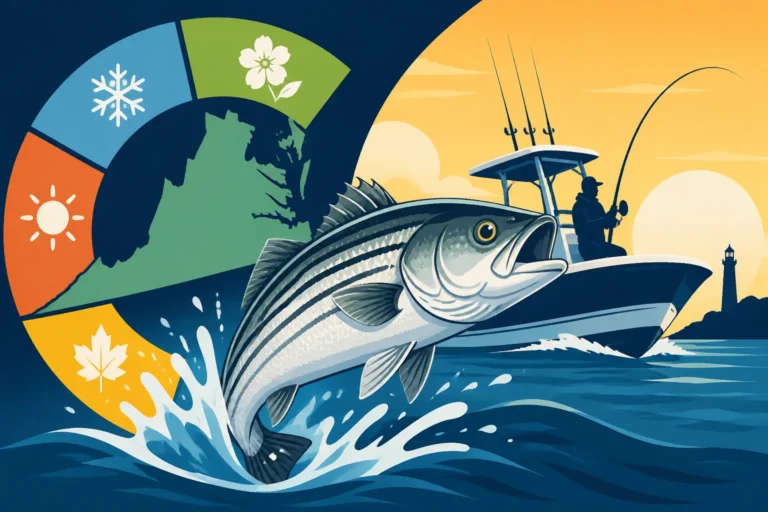
One of the most critical aspects for any angler, especially those booking a charter, is understanding the open and closed seasons for striped bass. Virginia's coastal waters, which include the Atlantic Ocean, the Chesapeake Bay, and its tidal tributaries, often operate under a split season structure for striped bass. This means there isn't one continuous season, but rather specific windows of opportunity when fishing for striped bass is permitted.
The Intricacies of the Split Season Structure
Virginia's striped bass season for coastal waters typically breaks down into two or even three distinct periods throughout the year. For example, you might see an early season opening during the colder months, perhaps from January through March, when larger migratory fish might be present. Then, the fishery might close down, often to protect the fish during their critical spawning period in the spring. Finally, a second season often opens later, perhaps in mid-May and running into June, followed by a potential fall season.
This split approach is designed to manage fishing pressure during different biological phases of the striped bass life cycle, particularly protecting them during spawning migrations. For charter anglers, this means you absolutely must know the current dates before you book your trip. A charter advertised for "striped bass" might be operating during a closed season for that species, intending to target other fish, or they might be operating under different regulations in an adjacent region. Always confirm the current open dates with your captain or check the Virginia Department of Wildlife Resources (DWR) website for the latest regulations. Virginia Striped Bass Split Season Dates Explained provides more detail on these specific windows.
How Closed Seasons Impact Your Charter Expectations
When the striped bass season is closed in Virginia's coastal waters, it means exactly that: you cannot legally target, catch, or possess striped bass. If you hook one incidentally, it must be immediately released back into the water with as little harm as possible. This is a strict rule, and charter captains are diligent about adhering to it, as the penalties for violations can be severe for both the captain and the angler.
This is why, if you book a charter during a closed striped bass season, your captain will likely focus on other abundant and exciting species. The Chesapeake Bay and its tributaries offer fantastic opportunities for flounder, red drum, cobia, or various panfish during different times of the year. So, while you might have initially hoped for striped bass, a closed season just means a shift in target species, not a ruined trip. Many anglers find themselves pleasantly surprised by the action these alternative fisheries provide. Understanding Why Striper Season Closes for the Summer can help manage expectations and appreciate the conservation efforts in place.
Navigating Slot Limits and Possession Rules on Charter Trips
Beyond knowing when you can fish for striped bass, understanding what you can keep is equally, if not more, important. Virginia's coastal striped bass fishery operates under strict size and possession limits, which are carefully enforced, especially on charter boats. These rules are in place to ensure that enough fish can reproduce and that the population remains sustainable.
The Critical 28-to-31-Inch Slot Limit
Virginia's coastal striped bass typically adhere to a strict "slot limit." This means that fish you intend to keep must fall within a specific length range. For example, a common slot limit is 28 to 31 inches. What does this mean in practice? It means any striped bass shorter than 28 inches must be immediately released, and any striped bass longer than 31 inches must also be immediately released. Only fish that measure from 28 inches up to, but not exceeding, 31 inches, can be kept.
This particular slot limit is a powerful conservation tool. It allows smaller, immature fish to grow and reach spawning age, contributing to future generations. Simultaneously, it protects the largest, most prolific breeders, which are essential for replenishing the stock. Your charter captain will have measuring devices readily available and will be an expert at quickly and accurately determining if a fish is within the legal slot. They'll also demonstrate proper handling for release to maximize the fish's survival chances. Virginia Rockfish Slot Limit 28 to 31 Inches Explained dives deeper into the reasoning and practical application of this rule.
One Fish Per Angler: The Possession Limit Reality
In addition to the slot limit, Virginia's coastal striped bass regulations also impose a strict "possession limit," which is typically one fish per person per day. This rule applies to every individual angler on the charter boat, regardless of how many fish are caught collectively. This isn't a cumulative boat limit where everyone shares a pool; it's a personal limit. If you catch your one legal slot-sized striped bass, any subsequent striped bass you catch (even if they're also within the slot) must be released.
This one-fish limit ensures that the harvest is spread out among more anglers and helps to manage the overall take from the fishery. For charter groups, this means that if you have four people on board, the maximum number of legal striped bass you can collectively keep is four, with each individual angler accountable for their single fish. Your charter captain will keep a close eye on this, often tagging or marking fish as they are kept to ensure compliance. It's a key regulation to understand for Virginia's One-Fish Striped Bass Limit on Charter Trips and for avoiding any potential issues with enforcement.
Licensing, Gear, and What to Expect from Your Charter
Booking a fishing charter in Virginia should be a smooth experience, and thankfully, when it comes to licenses and gear, charter operations often simplify things for you. This section will clarify common questions about what you need to bring and what responsibilities fall to your captain.
Fishing Licenses for Charter Passengers
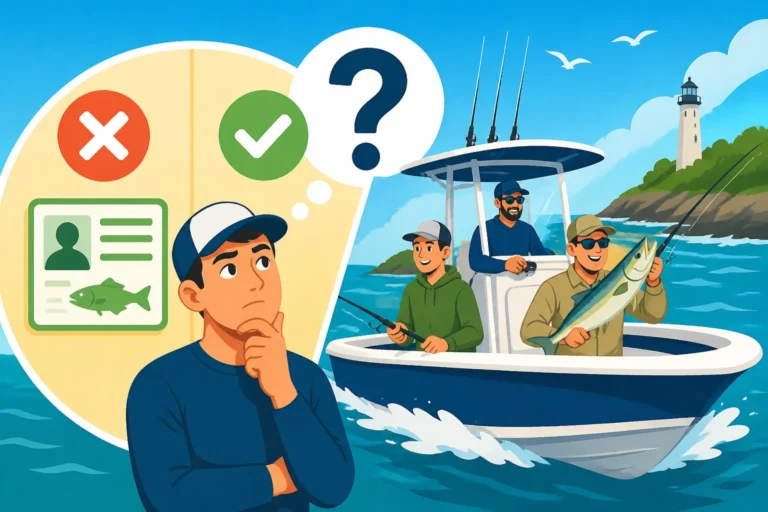
This is one of the most common questions from first-time charter anglers, and it's usually good news! For most licensed charter boats operating in Virginia's coastal and tidal waters, individual anglers on board do not need to purchase their own separate recreational fishing license. The charter vessel itself, through its captain or owner, typically holds a comprehensive commercial "for-hire" fishing license or permit that covers everyone on board.
This blanket coverage is a huge convenience, as it removes the hassle and cost of each person needing to obtain a personal license. However, it's always a good practice to confirm this detail when you're booking your trip, especially if you're using a booking platform like FishingBooker. Reputable captains will explicitly state that all necessary fishing licenses are provided. This is particularly relevant if you're just visiting Virginia for a short trip and don't want the commitment of buying a full annual or even short-term license. For a more detailed breakdown, check out Charter Fishing License Requirements Explained.
Responsible Angling Practices and Charter Crew Support
When you step aboard a Virginia fishing charter targeting striped bass, you're stepping into an environment where responsible angling is paramount, and your captain and crew are your guides and educators. They're not just there to put you on fish; they're also there to ensure every aspect of your trip complies with regulations and promotes conservation.
Your captain will provide all the necessary fishing gear, including rods, reels, bait, and tackle appropriate for striped bass fishing. They'll also be instrumental in guiding you through the rules. This includes:
- Measuring fish: The crew will ensure any kept fish are within the legal slot limit, often using a measuring board or tape right on the boat.
- Safe release: For fish that are undersized, oversized, or caught after you've reached your possession limit, the crew will demonstrate and assist with proper catch-and-release techniques to minimize stress and injury to the fish. This often involves keeping the fish in the water as much as possible and using de-hooking tools.
- Understanding local nuances: Regulations can sometimes have slight variations based on whether you're in the ocean, the Bay, or a specific tributary. Your captain will be intimately familiar with the exact rules for your fishing location on that particular day.
The crew is a valuable resource, so don't hesitate to ask questions about the rules, best practices, or anything else related to the fishing. They are there to help you have a successful and ethical trip. For general preparation, you might find tips in What to Bring on a Chesapeake Bay Fishing Charter helpful.
Here's a quick reference table summarizing key coastal striped bass rules for charter anglers in Virginia:
| Regulation Aspect | Typical Virginia Coastal Striped Bass Rule (Charter) | Notes |
|---|---|---|
| Season Structure | Split Season (e.g., Jan-Mar, Mid-May-June, Fall) | Dates shift annually based on stock health; always verify current DWR updates. |
| Slot Limit | 28-31 inches | Only fish within this precise length range can be kept. |
| Possession Limit | 1 fish per person per day | Each individual angler is limited to one legal striped bass per trip, per day. |
| Fishing License | Generally not required for individual anglers | The charter boat typically holds a blanket license covering all passengers. Confirm with captain. |
| Gear Provided | Usually all rods, reels, bait, and tackle | Most charters provide everything you need, but confirm when booking. |
Choosing and Communicating with Your Virginia Striped Bass Charter
Selecting the right charter boat and captain is crucial for a successful and compliant fishing trip. It’s not just about finding someone who can find the fish, but also someone who operates ethically and legally. A little homework and clear communication upfront can make all the difference.
Asking the Right Questions Before You Book
Before you commit to a charter, take a moment to ask a few key questions. Don't be shy – reputable captains will appreciate your diligence and openness. Platforms like FishingBooker often allow you to send direct messages to captains, which is a great way to get these answers in writing.
Here are some essential questions to pose:
- "What are the current Virginia coastal striped bass regulations for the dates I'm looking to book, specifically regarding slot limits and possession limits?" This shows you're serious about compliance.
- "Will a fishing license be provided for everyone on board, or do I need to purchase my own?" While generally covered, confirming is always a good idea.
- "What is your approach to catch-and-release for fish outside the slot limit or once we've reached our possession limits?" This helps you gauge their commitment to conservation.
- "What are the primary target species if striped bass fishing is slow or if the season closes unexpectedly?" Good captains will always have a Plan B.
Using a platform like FishingBooker can streamline this process, as many captains list their specialties and often link to relevant regulations. You can compare different charter options and see if they explicitly mention their understanding of Virginia's Coastal Striped Bass Rules for Charter Anglers in their descriptions.
The Role of Your Captain in Navigating Regulations
Your charter captain is more than just a boat driver; they are a licensed professional, an experienced guide, and, crucially, the ultimate authority on regulations while you're on their vessel. They are responsible for knowing and adhering to all current federal and state fishing laws, including specific local variations for the waters they operate in.
This means you should always listen carefully to their instructions regarding fish handling, measuring, and what can and cannot be kept. They will explain the current slot limits and possession rules at the start of your trip and ensure everyone understands. If a fish is caught that is outside the legal slot or if someone has already reached their daily limit, the captain or crew will guide you on its proper release. Trust their expertise. They are doing their best to ensure a fun, legal, and sustainable fishing experience for everyone on board, and penalties for violations are serious. This includes making sure How Many Fish You Can Keep on a Charter Trip is adhered to by every individual, and that Virginia's 28 to 31 Inch Striped Bass Slot Limit for Charter Anglers is strictly followed.
Ultimately, your charter experience should be about the joy of being on the water and the thrill of the catch. By understanding these coastal striped bass rules and communicating openly with your chosen captain, you can ensure your Virginia fishing adventure is not only memorable but also fully compliant with the laws designed to protect this incredible fishery.
Ensuring a Legal and Enjoyable Trip
Nobody wants their exciting fishing trip to turn into a stressful encounter with a game warden. Understanding and respecting the rules is the foundation for a legal and, by extension, truly enjoyable experience. It's about being prepared, informed, and having the right mindset.
Preparing for Your Charter: Beyond the Rules
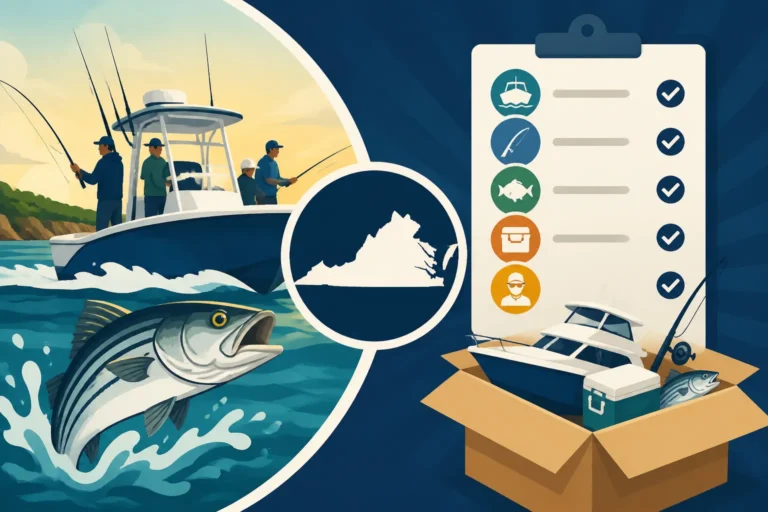
While knowing the regulations is key, a truly enjoyable trip involves a bit more preparation. Think about the practicalities of a day on the water. Will you be offshore or in the calmer waters of the Bay? This might influence what you wear and what personal items you bring. Even though the captain provides the gear, packing some essentials for yourself can make a huge difference.
Consider bringing:
- Sun protection: Sunscreen, a wide-brimmed hat, and sunglasses are non-negotiable, even on cloudy days. The sun reflecting off the water is intense.
- Layers of clothing: Coastal weather can change quickly. A waterproof jacket and layers you can easily add or remove are essential.
- Snacks and drinks: While some charters might provide light refreshments, it's always good to have your favorite snacks and plenty of water, especially on a longer trip.
- Cooler (for your catch): If you plan to keep fish, ask your captain if you should bring a cooler to transport your fillets home. Many charters will clean and bag your catch for you.
- Motion sickness medication: If you're prone to seasickness, take preventative measures before you get on the boat.
A reputable captain found through services like FishingBooker will often provide a checklist of recommended items to bring, making your preparation even easier. They want you to be comfortable and focused on the fishing, not distracted by discomfort.
The Bigger Picture: Your Contribution to Conservation
Every angler who adheres to the rules, especially those concerning striped bass, plays a direct role in conservation. When you measure your fish accurately, release illegal fish quickly and carefully, and respect the possession limits, you are actively contributing to the sustainability of the fishery. These actions allow more fish to survive, grow, and reproduce, which in turn means better fishing for everyone in the future.
Charter captains are often some of the most passionate conservationists because their livelihood depends on healthy fish populations. They are on the front lines, educating anglers and ensuring compliance. By choosing a reputable charter and following their guidance, you're not just having a fun day out; you're becoming an ambassador for responsible fishing. The pride of catching a beautiful striped bass is even greater when you know you did it legally and ethically, securing the future of this magnificent species in Virginia's waters for years to come.
Disclaimer
This article is for general informational purposes only and does not constitute professional advice. Laws, prices and regulations vary by location and change over time. Consult a qualified professional for guidance on your specific situation.