Cobia Charter Trips Out of Virginia Beach
There's nothing quite like the thrill of chasing a formidable fighting fish like cobia, especially when you're casting lines in the bountiful waters off Virginia Beach. However, navigating the world of charter trips – from finding the right captain to understanding what’s included and what to expect – can feel a bit overwhelming, even for seasoned anglers. This comprehensive guide is designed to cut through that confusion, helping you confidently plan and enjoy a successful cobia charter trip out of Virginia Beach.
The Allure of Cobia Fishing in Virginia Beach
When you talk to anglers along the Virginia coast, the cobia often comes up with a special reverence. This isn't just another fish; it's an experience. Its unique blend of power, intelligence, and delicious meat makes it a top target for many who head out from Virginia Beach.
Why Cobia Are Such a Prized Catch
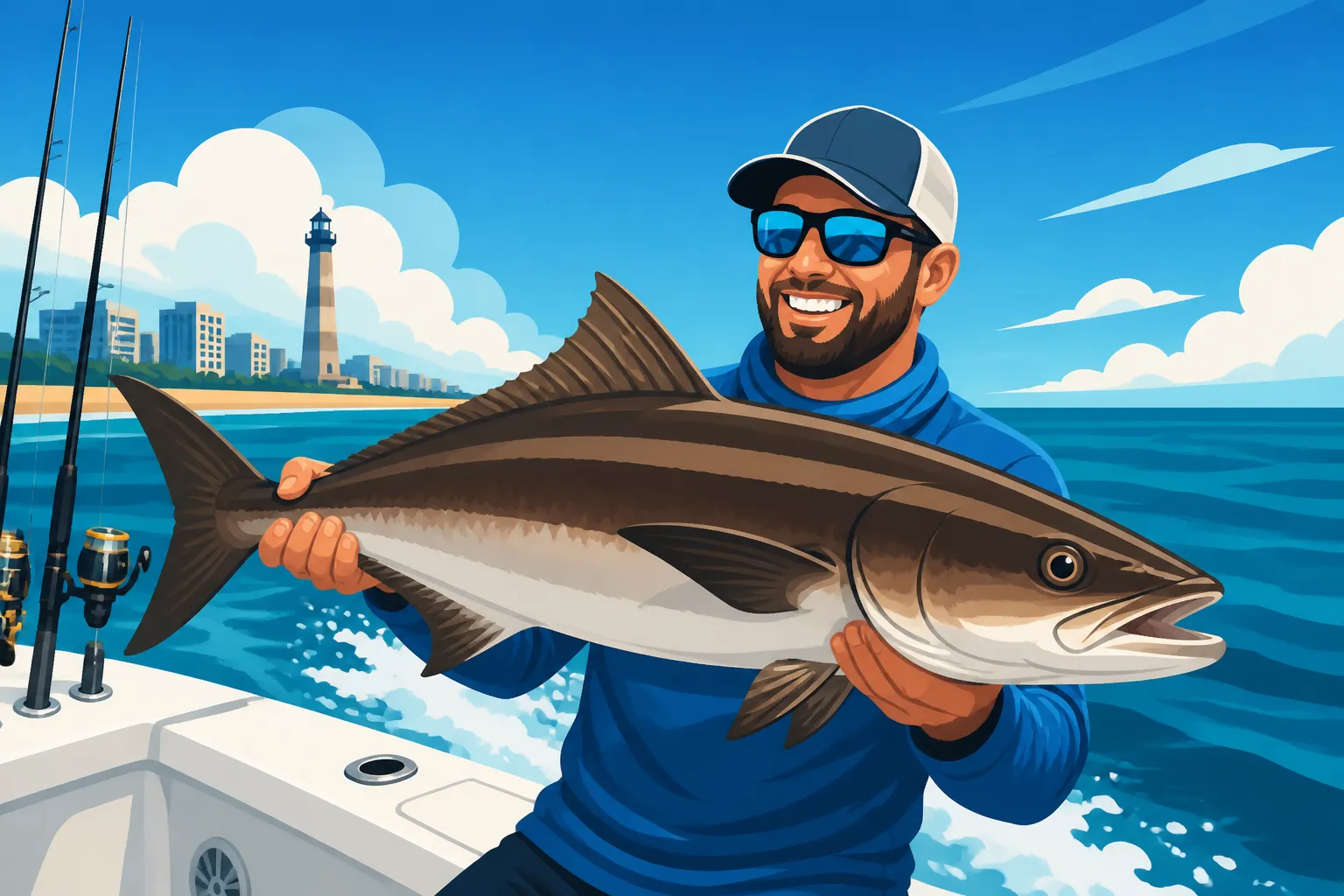
Cobia, often called "cabeza" or "ling" by local fishermen, are truly a fantastic species to target. First off, they grow to impressive sizes, with fish well over 50 pounds being a realistic possibility. When you hook into one of these, you're in for a serious fight. They don't just pull hard; they're known for their powerful, unpredictable runs and their tendency to fight all the way to the boat, often with a few last-ditch surges right at the stern. It's an adrenaline rush that few other species can match. Beyond the fight, cobia are also highly regarded as table fare. Their firm, white, flaky meat is absolutely delicious, whether grilled, fried, or baked. Many anglers consider it one of the finest-eating fish in the ocean, which only adds to its appeal. The combination of a challenging battle and a rewarding meal makes cobia a truly prized catch for any angler.
The Best Time of Year for Cobia
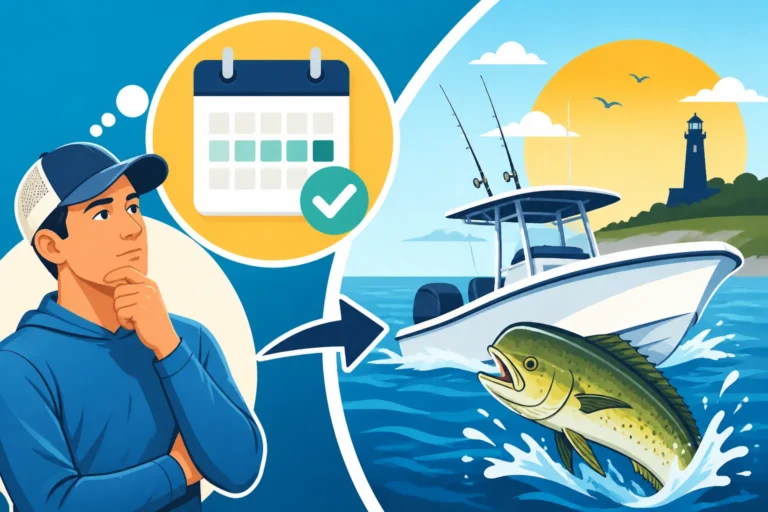
Like many migratory species, cobia fishing in Virginia Beach is highly seasonal. These fish move into Virginia waters as the water temperatures rise, typically making their presence known in late spring. The peak season generally runs from June through September, with July and August often being prime months for consistent action. During this time, the cobia are actively feeding, either migrating along the coast or settling into their summer feeding grounds. As the fall approaches and water temperatures begin to drop, usually by late September or early October, the cobia start their migration south, making them harder to find in Virginia waters. If you're planning a trip specifically for cobia, aiming for those summer months will give you the best chance of success, although keen captains might find them a bit earlier or later depending on the year's specific weather patterns.
Virginia Beach: A Prime Cobia Destination
Virginia Beach isn't just a popular tourist spot; it's a fantastic launching point for cobia fishing. Its proximity to the Chesapeake Bay mouth creates a unique environment where the bay's outflow mixes with the ocean, forming currents and bait concentrations that cobia love. The structure of the Chesapeake Bay Bridge-Tunnel (CBBT) is particularly famous, acting as a massive artificial reef that holds baitfish and, consequently, hungry cobia. Anglers departing from Virginia Beach have quick access to these rich fishing grounds, as well as the coastal waters where cobia can be found cruising near shoals, wrecks, and even channel markers. The numerous inlets and marinas in the area make it easy for charter boats to operate, providing a diverse fleet of captains ready to take you on an adventure. The local knowledge of these captains, combined with the fertile waters, truly makes Virginia Beach a prime destination for targeting this magnificent fish. You'll find many Virginia Beach Fishing Charters and Trip Costs tailored to various budgets and preferences.
Understanding Cobia Charter Operations
Booking a fishing charter isn't quite like ordering a taxi; there's a lot that goes into the operation, especially when targeting a specific species like cobia. Knowing what to expect regarding inclusions, trip durations, and charter types can help you make an informed decision and ensure a smoother, more enjoyable day on the water.
What a Cobia Charter Includes
When you book a cobia charter out of Virginia Beach, you're typically signing up for more than just a boat ride. Most reputable charters will provide all the necessary fishing gear, including rods, reels, and terminal tackle specifically chosen for cobia. This means heavy-duty tackle capable of handling powerful fish, often matched with appropriate lines and leaders to prevent break-offs. Live bait, a popular and highly effective option for cobia, is almost always included, and your captain or crew will spend time catching it before or during the trip. Perhaps most importantly, the charter typically covers your fishing license for the day. This is a huge convenience, as individual licensing can sometimes be a hurdle, especially for out-of-state visitors. Furthermore, you get the invaluable expertise of a professional captain and crew who know the local waters, fish behavior, and effective techniques. This local knowledge is arguably the most critical inclusion, significantly increasing your chances of success. They'll also handle the boat operation, navigation, and safety protocols, allowing you to focus solely on the fishing. What to Bring on a Virginia Fishing Charter is always a good read, even if most gear is provided.
Types of Cobia Trips: Half-Day, Full-Day, and Beyond
Cobia charters come in various durations, each offering a different experience and price point. A half-day trip usually lasts about 4-5 hours. These are great for families with younger children, beginners, or those on a tighter schedule. While you can certainly catch cobia on a half-day trip, the shorter time frame might limit how far the boat can travel or how many different spots you can try. Full-day trips, typically 8-10 hours, are often preferred for cobia. The extended time allows the captain to venture further, explore more fishing grounds, and spend ample time honing in on feeding fish. This significantly increases your chances of encountering larger fish or a greater quantity of fish. Some charters might even offer "extended full-day" or specialized "trophy cobia" trips, which could run 10-12 hours or more, focusing on prime feeding times or more distant, less pressured areas. When considering Half-Day vs Full-Day Fishing Charters in Virginia, think about your group's stamina, your budget, and how serious you are about targeting a trophy cobia. Longer trips generally mean more opportunities and less rushing, which can make a big difference with a wary species like cobia.
Private vs. Shared Charters for Cobia
Deciding between a private and a shared charter depends largely on your group size, budget, and desired experience. A private charter means you book the entire boat for your group, whether that's two people or six (the typical maximum for most charter boats). This offers maximum flexibility in terms of where you fish, when you stop for breaks, and what specific techniques the captain focuses on. You get personalized attention from the crew, and the entire experience is tailored to your group's preferences. It's often the best choice for families or groups of friends who want an intimate experience. The downside, of course, is the cost, which is paid for the boat as a whole. A shared charter, sometimes called a "headboat" or "open boat" trip, means you pay a per-person fee and join other anglers who have also booked spots. This is a more budget-friendly option for individuals or small groups who don't want to shoulder the entire boat cost. The trade-off is less flexibility; the captain will operate based on the group's general consensus or their best judgment, and you'll be sharing fishing space and crew attention with others. For cobia, where specific techniques and quick adjustments are often key, a private charter might offer a slightly better fishing experience, but shared trips can still be very productive and are a great way to get out on the water.
Booking Your Cobia Charter Out of Virginia Beach
Booking a fishing charter shouldn't be a shot in the dark. With so many options available in Virginia Beach, a little research and preparation can go a long way in ensuring you select a reputable operation that aligns with your expectations.
Key Factors When Choosing a Charter
When you're looking to book a cobia charter, it's easy to get overwhelmed by the sheer number of boats listed. However, a few key factors can help you narrow down your choices and pick the right one. First and foremost, consider the captain's experience and specialization. Does the captain regularly target cobia, and do they have a proven track record? You want someone with extensive local knowledge of cobia habits and the specific spots they frequent around Virginia Beach. Next, evaluate the boat itself. Is it well-maintained, clean, and appropriately sized for your group and the type of fishing? Safety equipment should be up to date and readily accessible. Reading customer reviews is also crucial. Platforms like FishingBooker often feature reviews from past clients, giving you insight into the captain's demeanor, the crew's helpfulness, and the overall fishing experience. Pay attention to comments about communication, fish caught, and whether the trip met expectations. Finally, consider safety. A professional charter will always prioritize safety, adhering to all Coast Guard regulations and having a well-trained crew. Don't be afraid to ask about their safety protocols. These considerations are vital when deciding What to Look for When Booking a Virginia Fishing Charter.
The Booking Process and What to Ask
Once you've identified a few potential charters, it's time to reach out. The booking process usually involves checking availability for your desired dates and paying a deposit. However, before you commit, it's essential to ask specific questions to ensure there are no surprises. Confirm exactly what's included in the price – remember our earlier discussion on gear, bait, and licenses. Ask about their cancellation policy, especially regarding weather. What happens if the weather turns bad? Is there a reschedule option or a refund? Inquire about fish cleaning services; some charters offer it as part of the package, while others might charge a small fee. Understand the role of the mate (if applicable) and the tipping expectations. Most importantly, discuss the target species – make it clear that cobia is your primary goal. While no captain can guarantee fish, a good captain will manage expectations based on current conditions. Don't forget to ask about recommended items to bring, such as food, drinks, sunscreen, and appropriate clothing for a day on the water. A transparent booking process sets the stage for a great trip.
Finding Reputable Charters
In the digital age, finding reputable fishing charters is easier than ever, but it still requires a discerning eye. Online booking platforms are a popular starting point. Websites like FishingBooker, for instance, aggregate many charter listings, allowing you to filter by location, target species, and even specific boat types. They often feature verified reviews and detailed profiles for captains and boats, which can be incredibly helpful. However, don't rely solely on these platforms. Local recommendations are gold. Talk to people at local bait and tackle shops in Virginia Beach, ask around at marinas, or even join local fishing forums or Facebook groups. These communities can provide firsthand insights into captains known for their cobia prowess. Cross-referencing information from different sources helps you form a comprehensive picture. Look for captains who are passionate, communicative, and prioritize safety and a positive experience, not just catching fish. A good captain will be upfront about the challenges and rewards of cobia fishing and will make sure you have a memorable day regardless of the size of your catch. When you begin to How to Book a Fishing Charter in Virginia, remember to check multiple avenues.
What to Expect on Your Cobia Charter Trip
So you’ve booked your trip, the date is set, and you’re buzzing with anticipation! Knowing what typically happens on a cobia charter, the techniques your captain might employ, and how to prepare yourself can help you feel more confident and make the most of your time on the water.
Cobia Fishing Techniques Employed by Charters
Cobia are smart, powerful fish, and catching them often requires specific techniques that experienced charter captains have perfected. One of the most exciting and productive methods is sight-fishing. This involves cruising shallow, clear waters or areas around structure, with someone on a tower or elevated platform spotting cobia swimming near the surface. Once a fish is sighted, the captain maneuvers the boat to allow an angler to cast a live eel, jig, or large soft plastic in front of the cruising fish. The take can be explosive! Another common and effective technique, especially around the Chesapeake Bay Bridge-Tunnel and other structures, is chumming. This involves deploying a "chum slick" (often ground menhaden or other oily bait) to attract cobia to the boat. Once they appear, live bait (like eels or bunker) or artificial lures are presented to them. Live bait fishing is generally a go-to method for cobia. Whether freelining a live eel or setting up a bottom rig with a spot or croaker, fresh live bait is often irresistible to these opportunistic feeders. Your captain will adapt these techniques based on conditions, water clarity, and where the fish are holding, always striving to put you in the best position for a bite.
Virginia's Cobia Regulations and Limits
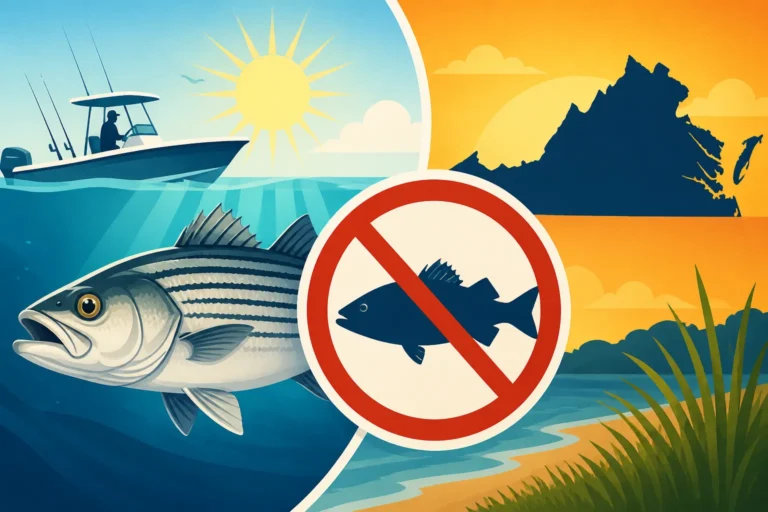
Fishing ethically and legally is paramount, and your charter captain will be fully aware of all current regulations. However, it’s always a good idea for you to have a general understanding too. Virginia, like many states, has specific rules regarding cobia, which typically include a minimum size limit and a daily bag limit per angler. These regulations are put in place to ensure the sustainability of the cobia population. For example, cobia might have a 40-inch minimum length and a daily bag limit of one fish per person, or two fish per boat, whichever comes first. These numbers can change, sometimes yearly, based on scientific assessments and conservation efforts, so your captain will always have the most up-to-date information. If you're hoping to keep a fish for dinner, make sure it meets the legal size. Catch-and-release is also a popular option, especially if you've already met your limit or want to target larger breeding fish. Your captain will guide you on proper handling techniques to ensure released fish have the best chance of survival. Familiarity with Virginia Fishing Regulations Explained can enhance your overall experience.
Preparing for Your Day on the Water
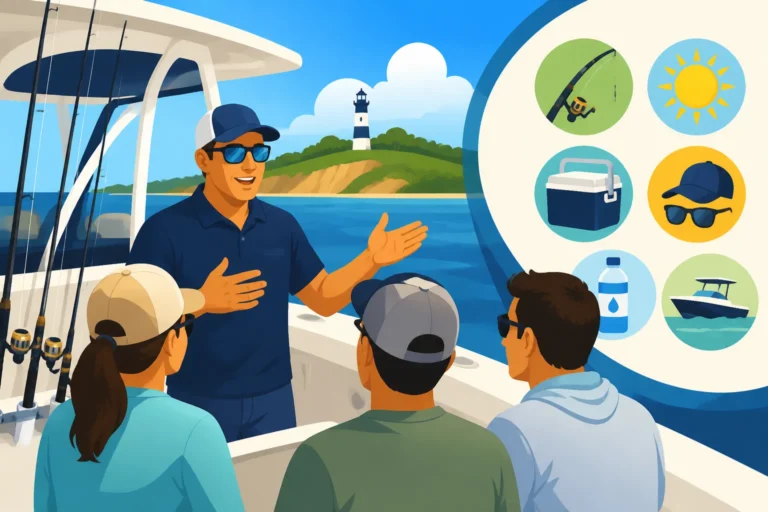
Even though your charter provides most of the heavy gear, there are still a few things you should bring to ensure a comfortable and enjoyable trip. Sun protection is non-negotiable. This means sunscreen, a wide-brimmed hat, sunglasses (polarized ones are excellent for spotting fish!), and lightweight, long-sleeved clothing. The sun's reflection off the water can be intense, even on cloudy days. Bring plenty of water and snacks or a packed lunch, especially for a full-day trip. Fishing builds an appetite, and staying hydrated is crucial. Consider wearing non-skid shoes with good grip, as boat decks can get wet and slippery. If you're prone to seasickness, take motion sickness medication the night before and again in the morning, well before you board the boat. Don't wait until you start feeling queasy; prevention is key! A small bag for personal items, a camera to capture those memorable moments, and a cooler in your car (to take your cleaned catch home) are also good ideas. Remember, your comfort directly impacts your enjoyment, so a little preparation goes a long way. This is all part of having a great day as a What First-Time Virginia Charter Anglers Should Know.
Post-Trip: Your Catch and Memories
The fishing might be over, but the experience doesn't end when you step off the boat. There are still a few things to consider, from handling your catch to showing appreciation for your crew, that round out a truly great cobia charter trip.
Handling and Cleaning Your Cobia
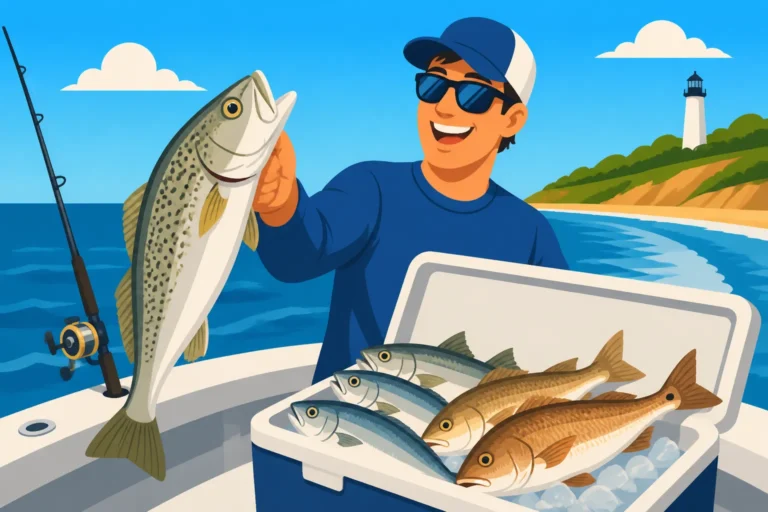
Once you've boated a cobia, the journey from fish to table is an important one. Most charter captains and mates are experts at handling the fish safely and efficiently. Onboard, they'll typically dispatch the fish quickly and place it on ice to preserve its quality. Once back at the dock, many charters offer fish cleaning services. Some captains include this in the price of the trip, while others might charge a small additional fee. This is a huge convenience, as cleaning a large cobia can be quite a task, and the crew is usually much faster and more proficient. You'll often leave with perfectly filleted, skinless portions ready for cooking. Cobia meat is known for its firm texture and mild, delicious flavor, making it incredibly versatile in the kitchen. Whether you plan to grill it, pan-sear it, or bake it, you'll be enjoying a truly fresh, high-quality meal.
Tipping Your Captain and Crew
This is one area where many first-time charter anglers feel a bit unsure, but it's an important part of the charter experience. Tipping your captain and, especially, your mate is standard practice and greatly appreciated for their hard work and expertise. A general guideline for tipping is 15-20% of the total charter cost. If the mate worked tirelessly, handled fish, re-rigged lines, kept you safe, and cleaned your catch, they’ve earned their gratuity. While the captain is ultimately responsible for finding the fish and running the boat, the mate often does much of the heavy lifting and direct angler assistance. If there was a mate, the tip is usually given directly to them, and they typically share a portion with the captain, or you can split it as you see fit. However, if it was just the captain, the tip goes directly to them. Remember, a tip is a reflection of your satisfaction with the service, so if they went above and beyond, consider tipping towards the higher end of the scale. For more details, you can always refer to Tipping Norms for Virginia Fishing Charter Crews.
Maximizing Your Experience and Future Trips
A cobia charter isn't just about catching fish; it's about the entire experience, the learning, and the memories you create. Take plenty of photos to document your adventure – a good captain and crew are usually happy to help you snap a few shots with your trophy. Don't be shy about asking questions throughout the day. Learn about the techniques, the bait, the local ecosystem, and anything else that piques your interest. Charter crews are often treasure troves of information and love sharing their passion. If you had a fantastic time and connected well with the crew, consider rebooking with them for future trips. Many anglers find a captain and crew they trust and stick with them for years. Providing positive feedback or leaving a glowing review on platforms like FishingBooker is also a great way to show appreciation and help other anglers find a great charter. Each trip is an opportunity to learn and grow as an angler, and a cobia charter out of Virginia Beach offers an exceptional classroom. Virginia Fishing Charters and Guides: The Complete Guide will have even more tips for repeat bookings.
Disclaimer
This article is for general informational purposes only and does not constitute professional advice. Laws, prices and regulations vary by location and change over time. Consult a qualified professional for guidance on your specific situation.