Red Drum Charter Fishing on the Chesapeake Bay
There's nothing quite like the thrill of a massive red drum pulling line from your reel, especially when you're battling it in the iconic waters of the Chesapeake Bay. Many anglers dream of this experience but feel overwhelmed by planning a specialized charter trip. This comprehensive guide is here to demystify red drum charter fishing in the Chesapeake Bay, helping you understand what to expect, how to prepare, and ultimately, how to hook into one of Virginia's most magnificent sportfish.
Unraveling the Allure of Red Drum Fishing in the Chesapeake Bay
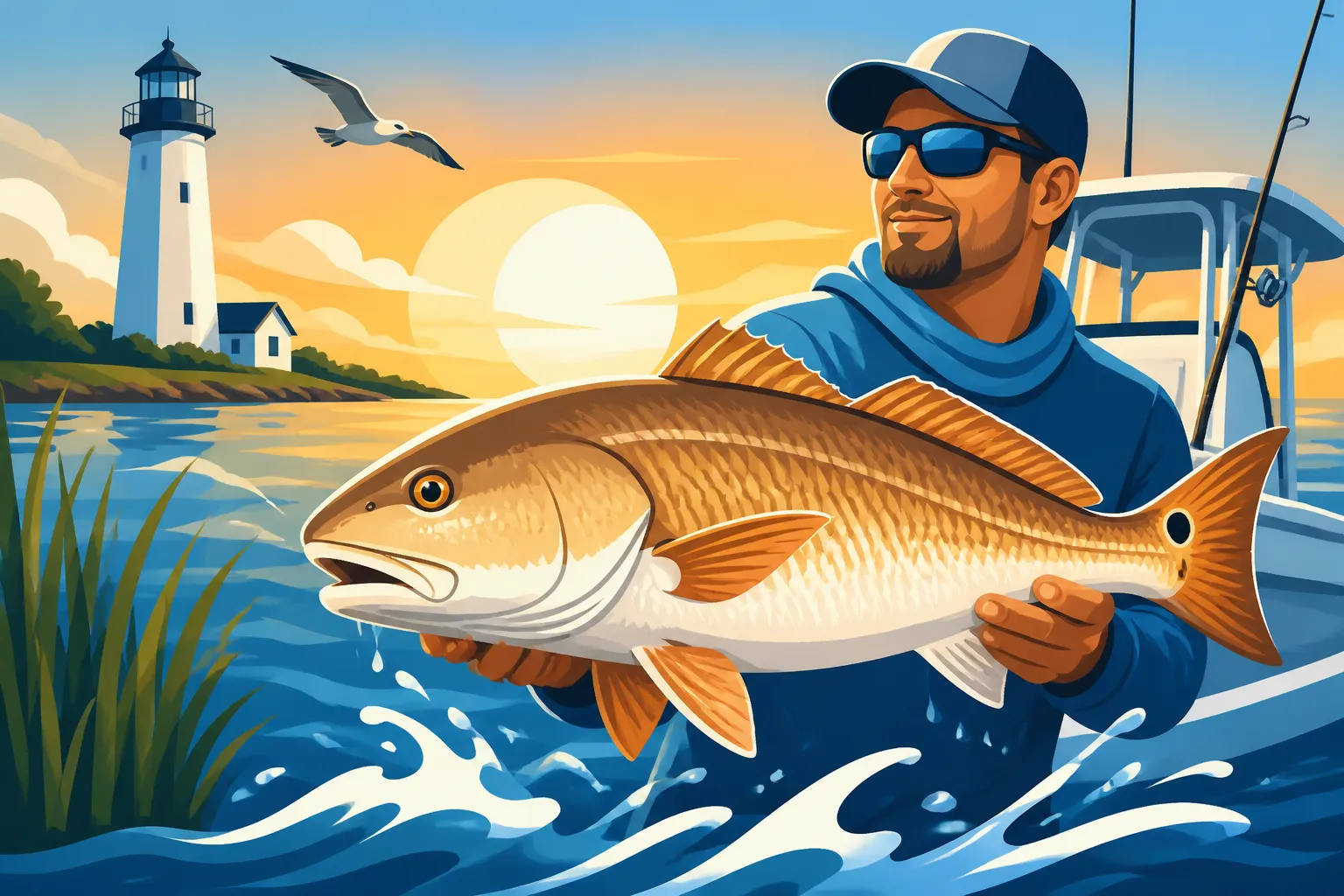
For many, the Chesapeake Bay conjures images of striped bass or maybe even flounder. But for those in the know, the Bay's expansive waters also hold a secret gem: the mighty red drum, often referred to as "redfish" or "puppy drum" when smaller. These copper-colored giants offer an incredible challenge and a truly unforgettable fishing experience, making them a prime target for dedicated anglers and charter services alike.
Why Red Drum are Such a Prized Catch in the Bay
Red drum aren't just pretty fish; they're formidable fighters. When you hook into a large red drum, you're in for a serious tug-of-war. Their powerful runs and stubborn resistance make them a top-tier game fish, testing both your tackle and your stamina. Unlike some other species that might offer a quick fight and then quit, a big red drum will fight all the way to the boat, often with multiple strong surges. This makes the victory of landing one all the sweeter.
Beyond their fighting prowess, red drum are also beautiful fish, adorned with distinct black spots, typically one or more on their tail. They are an important part of the Chesapeake Bay ecosystem, and the sheer size some of them reach in these waters is truly impressive, often pushing into the trophy class that many anglers pursue for years. Landing a large red drum is a badge of honor, a story you'll tell for years to come, especially if you get the chance to witness one of the famed "bull drum" runs.
Understanding the Red Drum's Habitat and Behavior in Chesapeake Waters
The red drum's presence in the Chesapeake Bay is largely seasonal, tied to water temperatures and their spawning migrations. As warmer waters push into the Bay during late spring and early summer, juvenile and mature red drum begin to move in from the Atlantic. They tend to favor certain areas, particularly shallower waters around oyster beds, grass flats, and areas with strong current near inlets and shoals where baitfish congregate.
Their behavior changes throughout the season. Early in the year, they might be found schooling in deeper channels, feeding aggressively. As summer progresses, they move into shallower flats and structure, especially during lower light conditions at dawn and dusk. The really large "bull reds" are often found in deeper rips and channels, sometimes in large schools, particularly during their autumn migration out of the Bay. Understanding these patterns is key, and it's precisely what a seasoned charter captain brings to the table – years of local knowledge on where and when to find these elusive fish.
Timing Your Chesapeake Bay Red Drum Charter for Success
One of the biggest questions anglers have when planning a trip is, "When should I go?" For red drum in the Chesapeake Bay, timing is everything. Hitting the water during the right window can make the difference between a few bites and a day full of rod-bending action.
The Peak Seasons for Red Drum Activity
While you might catch a stray red drum almost any time the water is warm enough, there are distinct peak seasons when these fish are most abundant and active in the Bay. Generally, the prime red drum season in the Chesapeake Bay kicks off in late spring, around May, and can run strong through the fall, often into October or early November, depending on water temperatures.
The late spring and early summer months often see a good number of "puppy drum" (smaller, but still fun) entering the Bay, as well as the arrival of larger mature fish. However, many consider the late summer and fall, particularly from August through October, to be the absolute best window for targeting the truly massive "bull reds." During these months, large schools of mature red drum gather in the lower Bay, actively feeding before their migration back to offshore waters. This is when the most epic red drum battles occur, offering unparalleled opportunities for trophy catches.
Factors Influencing Daily Red Drum Movements and Bites
Beyond the general season, daily conditions play a massive role in red drum fishing success. Tides are paramount; red drum are often ambush predators, and they use the movement of water to their advantage, positioning themselves to intercept bait. Incoming or outgoing tides can concentrate baitfish, making certain spots more productive. A knowledgeable captain will interpret these tidal charts and current predictions to put you in the best position.
Weather also matters. While red drum can bite on sunny days, overcast skies or even light rain can sometimes trigger more aggressive feeding. Water temperature is another crucial element. A sudden cold snap can send them deeper or make them lethargic, while stable, warm temperatures typically keep them active. These are all variables that experienced charter captains monitor constantly, adjusting their strategy on the fly to maximize your chances of success. They spend countless hours on the water observing these nuances, which is exactly why Choosing a Charter Based on the Fish You Want to Catch is so important.
What to Expect on Your Red Drum Charter Experience
Booking a red drum charter in the Chesapeake Bay is an investment in a memorable fishing adventure. It’s natural to wonder what the day will actually entail, from the moment you step on the boat until you return to the dock. Understanding the flow of the trip and what your captain provides will help you relax and focus on the fishing.
The Typical Red Drum Charter Trip Overview
A typical red drum charter trip will usually begin bright and early at the marina. Your captain and mate (if applicable) will greet you, give a brief safety talk, and get you settled on board. The boat will then head out to the fishing grounds, which could be anywhere from a short run to an hour or more, depending on where the fish are biting that day. The captain will have scouted recent activity and will have a plan, but they're also flexible enough to adjust if conditions change.
Once at the spot, the crew will get lines in the water. This might involve setting up a drift, anchoring over a productive area, or even slow-trolling certain baits. The captain will typically provide all the necessary fishing gear, bait, and tackle, so you don't need to worry about bringing your own unless you have a specific preference and clear it with them beforehand. What Gear Is Provided on a Virginia Fishing Charter is a great resource to understand what's typically included. When a fish hits, the crew will be there to guide you, offer encouragement, and help with landing, pictures, and release.
Gear, Techniques, and Strategies Used by Captains
For red drum, especially the larger ones, robust tackle is essential. Charter boats typically use heavy-action spinning or conventional rods paired with reels spooled with strong braided line, often with a fluorocarbon leader. Live baits like spot, croaker, or mullet are incredibly effective, as are cut baits such as bunker or crab. Some captains might also employ artificial lures, like large soft plastics or spoons, especially when targeting schooling fish.
Techniques vary but often involve bottom fishing with fresh bait, either anchored or on a controlled drift. When targeting bull reds, captains might look for birds diving or baitfish schools, then position the boat to cast into the feeding frenzy. The captain’s knowledge of structure, current breaks, and historical hot spots is invaluable. They'll instruct you on how to present your bait, how to fight the fish effectively, and when to reel or give line. This hands-on guidance is a huge benefit of charter fishing, helping you improve your skills while chasing big fish.
Preparing Yourself for a Successful Day on the Water
While the charter provides most of what you need, your preparation can significantly enhance your experience. First, dress appropriately for the weather, considering layers, as temperatures can change on the water. Bring rain gear, even if the forecast looks clear, and always wear non-marking shoes. Sun protection is critical: hats, sunglasses, and plenty of sunscreen are a must.
Don't forget essentials like snacks, drinks, and any personal medications. If you're prone to seasickness, take preventative measures before you board. Also, make sure you understand the Virginia Fishing License Guide requirements, as while many charters cover the boat's license, you often still need your individual state fishing license. It's always best to clarify this with your captain when you book your trip. A little planning goes a long way in ensuring a comfortable and enjoyable day focused on the pursuit of red drum.
Choosing the Right Red Drum Charter for Your Adventure
The Chesapeake Bay is vast, and so are the options for fishing charters. Navigating these choices can feel daunting, but finding the right captain and boat for your red drum adventure is crucial for a successful and enjoyable trip.
Key Considerations When Selecting a Charter
When you're looking for a red drum charter, the first thing to consider is the captain's specialization and experience. Do they regularly target red drum, or is it just something they do occasionally? Look for captains who are passionate about red drum and have a proven track record of finding them in the Bay. Their local knowledge of specific hot spots, seasonal patterns, and effective techniques for red drum will be your greatest asset.
Next, think about the size of your group and the type of experience you're seeking. Are you planning a solo mission, a family outing, or a trip with a group of friends? Some boats are better suited for larger groups, while others specialize in more intimate, personalized trips. You'll also want to consider the boat itself – is it comfortable, well-maintained, and equipped with the necessary electronics and safety gear? Don't be shy about asking questions when you're comparing options. Checking out resources like What to Look for When Booking a Virginia Fishing Charter can give you a great head start.
Finding Reputable Captains and Boats
The best way to find a reputable red drum charter is often through word-of-mouth recommendations from other anglers, local bait and tackle shops, or online reviews. Websites like FishingBooker are fantastic resources for browsing different charters, reading customer reviews, and seeing photos of past catches. This allows you to vet captains based on actual experiences from other anglers, giving you a clearer picture of their expertise and professionalism.
When you've narrowed down your choices, don't hesitate to call the captain directly. This is your opportunity to ask specific questions about their red drum success rates, the techniques they employ, and what exactly is included in the charter price. Ask about their cancellation policy, especially for weather-related issues, and discuss any specific requests you might have, such as targeting trophy fish or focusing on catch and release. This direct communication is invaluable for setting expectations and ensuring a good fit. Remember, Questions to Ask Before Booking a Charter in Virginia can help you formulate what to ask.
Understanding Charter Pricing and Inclusions
Charter prices can vary widely depending on the length of the trip (half-day, full-day, 3/4 day), the type of fishing, the size of the boat, and the number of anglers. Red drum charters, especially those targeting larger fish, might have specialized gear or longer runs, which can influence the cost. It's crucial to understand what's included in the price: tackle, bait, ice, fish cleaning, and potentially even fishing licenses.
Here's a general idea of how charter lengths often stack up, though actual offerings vary:
| Trip Length | Typical Duration | Focus | Ideal For |
|---|---|---|---|
| Half-Day | 4-5 hours | Quick trip, often targeting closer spots | Beginners, families, shorter attention spans |
| 3/4-Day | 6-7 hours | Good balance of fishing time and efficiency | Dedicated anglers, exploring more spots |
| Full-Day | 8+ hours | Maximized fishing time, distant spots | Trophy hunters, serious anglers, varied techniques |
Always confirm what's not included, such as food, drinks, sunscreen, or motion sickness medication. And remember the unspoken rule: tipping your captain and mate for their hard work and expertise is customary and greatly appreciated. Generally, 15-20% of the trip cost is a good guideline if you had a great experience, as outlined in Tipping Norms for Virginia Fishing Charter Crews. Understanding How Virginia Charter Trip Packages Are Priced can help you budget effectively for your adventure.
Navigating Red Drum Regulations and Conservation in Virginia
As exciting as catching red drum is, it’s equally important to be aware of and respect the regulations in place. These rules exist to protect the fishery and ensure healthy populations for future generations of anglers. Responsible angling is a core part of the experience.
Essential Virginia Red Drum Rules and Limits
Virginia, like other coastal states, has specific regulations for red drum that can change seasonally or annually, so it's always critical to check the most current Virginia Marine Resources Commission (VMRC) guidelines before your trip. Typically, there are rules regarding minimum and maximum sizes (slot limits), daily possession limits, and sometimes even specific seasons. For larger "bull reds," many anglers practice catch and release due to their value as breeding stock and the lower quality of their meat compared to smaller fish.
Your charter captain will be fully up-to-date on all current regulations and will ensure that everyone on board adheres to them. This is another significant advantage of booking a charter – you don't have to worry about accidentally breaking a rule. They'll handle the measuring, counting, and decision-making on what can be kept and what needs to be released. This expertise is part of what makes a Virginia Fishing Charter Guide so valuable. Remember, conservation is key to enjoying this fishery for years to come.
The Importance of Responsible Angling Practices
Catch and release is a crucial component of red drum conservation, especially for the larger, older fish. When releasing a red drum, handle it gently and quickly. Minimize its time out of the water, support its body weight horizontally, and avoid touching its gills or eyes. If the fish is exhausted from the fight, hold it upright in the water, facing into the current, until it regains its strength and swims away on its own.
Charters often use specialized hooks, like circle hooks, which are designed to hook fish in the corner of the mouth, reducing gut-hooking and improving survival rates. Your captain will demonstrate proper handling and release techniques. By following these responsible angling practices, every red drum you catch, whether kept within the legal limits or released, contributes to the sustainability of this incredible Chesapeake Bay fishery. To learn more about general fishing rules, refer to Virginia Fishing Regulations Explained and How Many Fish You Can Keep on a Charter Trip.
Disclaimer
This article is for general informational purposes only and does not constitute professional advice. Laws, prices and regulations vary by location and change over time. Consult a qualified professional for guidance on your specific situation.